Audio By Vocalize
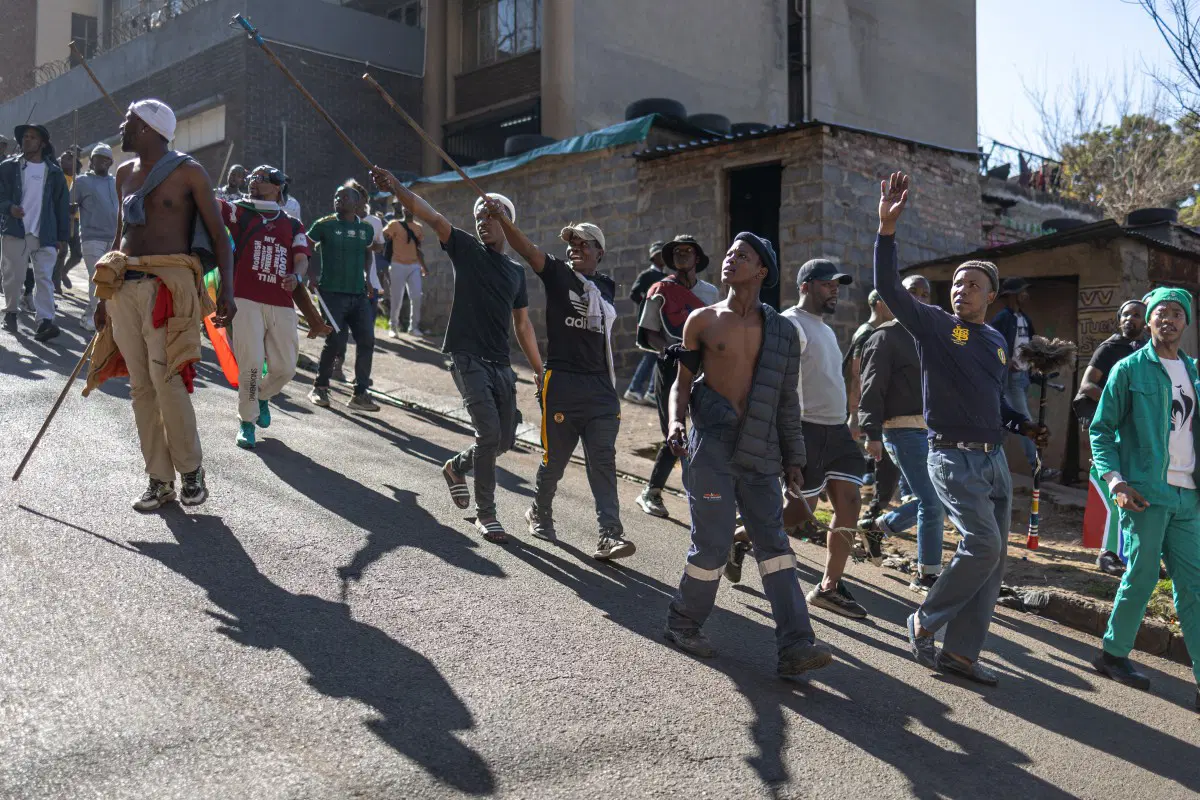
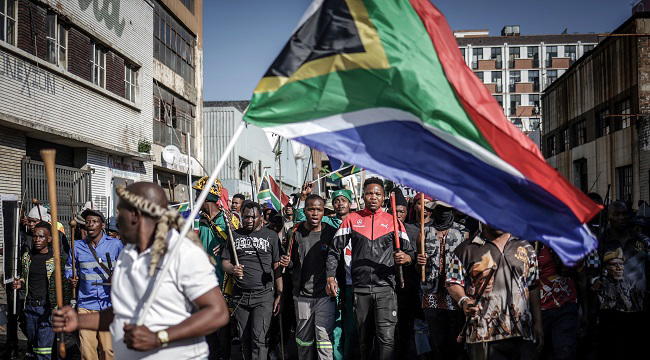
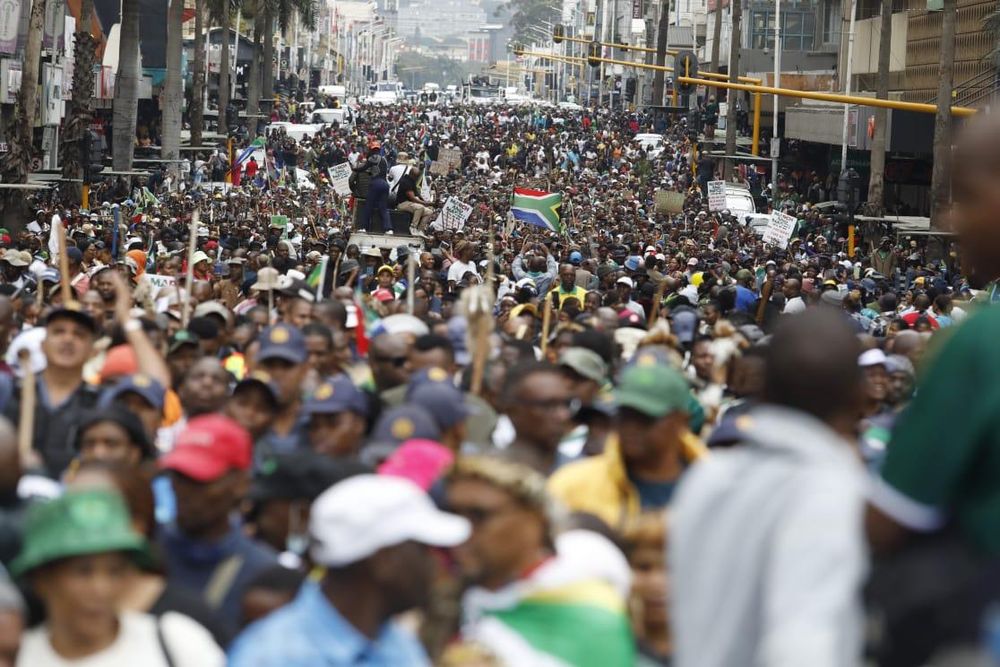
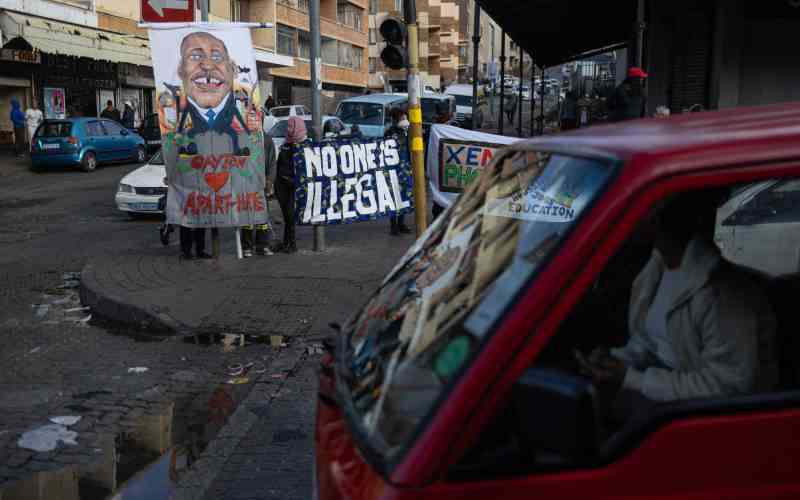
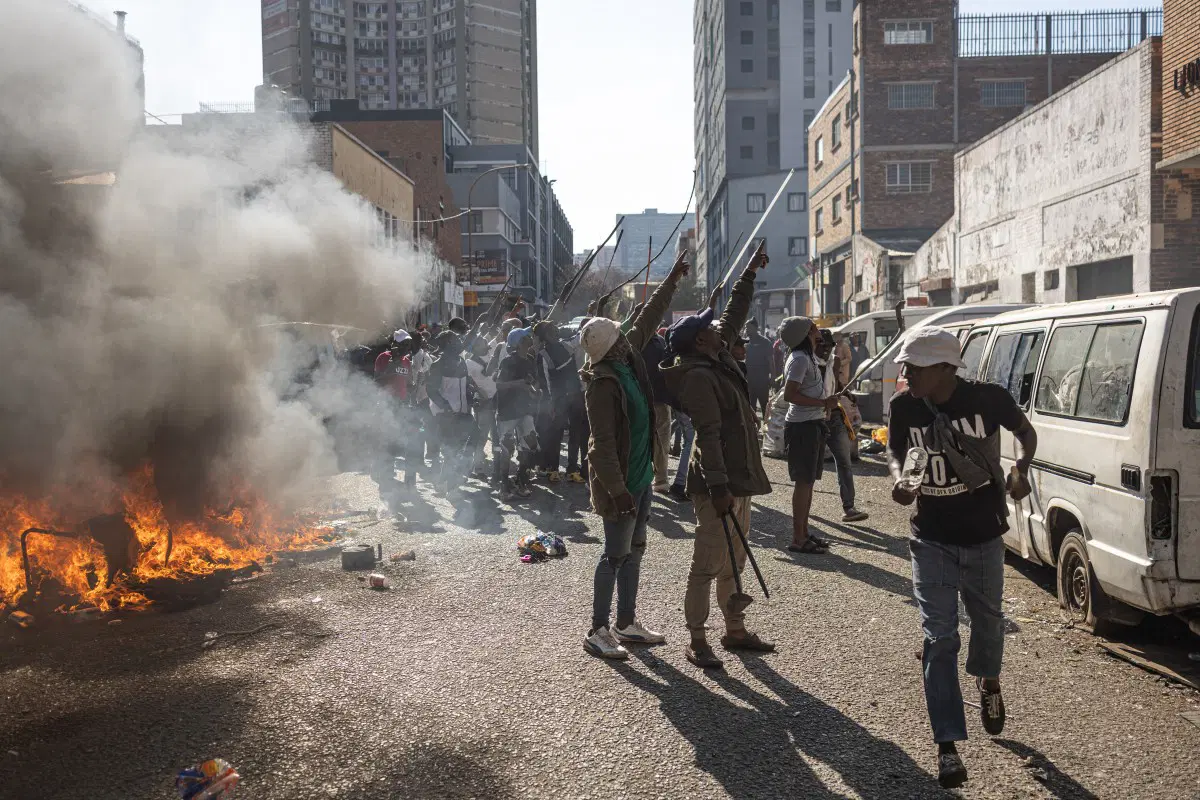
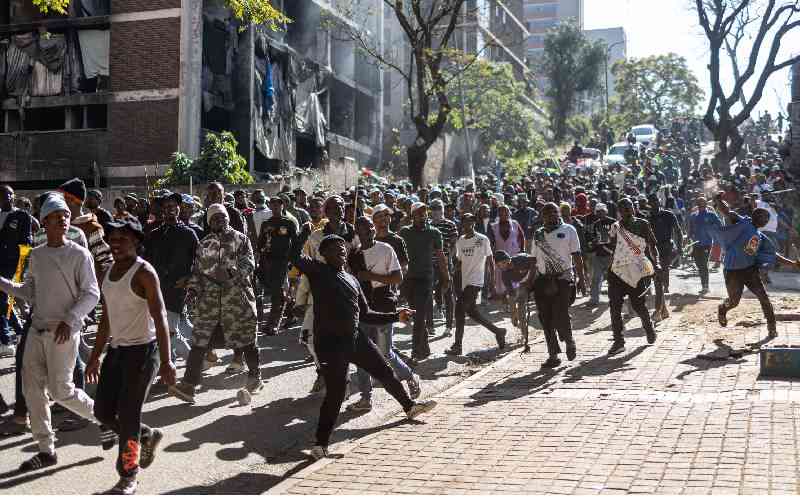
Protesters march during a demonstration by the "March and March" and Operation Dudula movements marking an unofficial deadline for undocumented foreign nationals to leave South Africa, in Johannesburg, on June 30, 2026. [AFP]
The chant carries a rhythm you could almost dance to, if you didn't understand what it meant. Abahambe... abahambe... bazo hamba. They must go. They will go. I heard it outside a police station in Hillbrow on the last Tuesday of June, sung by a crowd wrapped in MK Party colours, Jacob Zuma's face printed on their chests, private security men with rifles slung across their shoulders standing thicker on the ground than the police themselves. Somewhere in that crowd was the answer to a question every African migrant in this country now asks before leaving the house each morning: am I safe today, or am I the reason someone else feels unsafe?
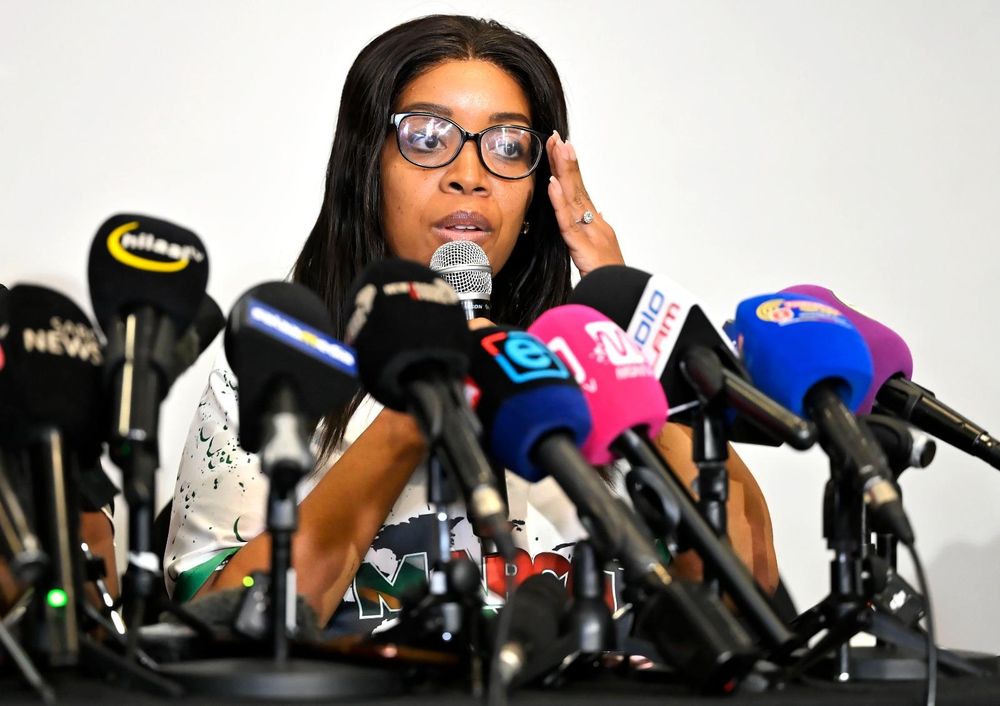
By then, South Africa was already in its deadliest wave of xenophobic violence since 2008. Two movements—March and March, founded by Jecinter Ngobese-Zuma, and Operation Dudula—had spent months building toward June 30, the deadline they set for every undocumented foreigner to leave, or, as one Malawian gardener was warned, "leave in a coffin." He was not exaggerating: researchers now count at least 148 migrants killed since 2022, making 2026 the deadliest year on record. This is not spontaneous mob fury. It has organisers, deadlines, and a name for every target: makwerekwere—an onomatopoeic insult mimicking the sound of African languages that the hearer refuses to understand as human speech, reducing an entire continent into unintelligible noise.