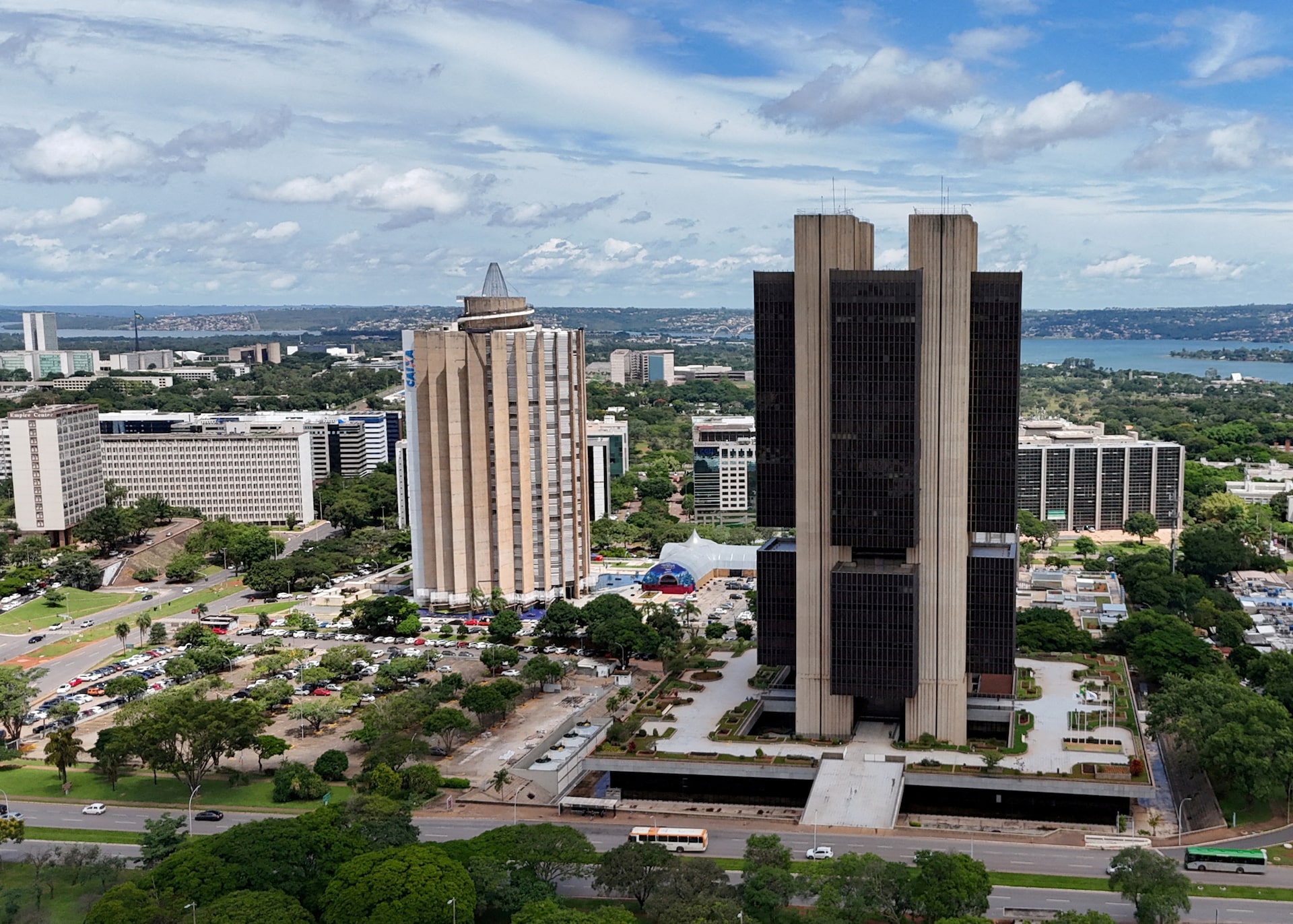
In 2022, Brazil's central bank had its policy rate at 13.75%. The Bank of Japan's was at -0.1%. Both countries were responding to the same global shock, a wave of post-pandemic inflation that touched nearly every economy on earth, and they responded in almost opposite ways. One was years into an aggressive tightening cycle. The other had not raised rates above zero in over a decade.
That divergence is the most interesting thing macro data shows you: not that economies move together, but how differently they move through the same event. The Finance Toolkit's Economics module pulls unemployment, GDP growth, inflation, government debt, central bank rates, and bond yields for 60+ countries going back, in some series, over a century, sourced from the OECD and the Global Macro Database. Unlike the rest of the Toolkit, none of this requires an FMP API key. It is public macro data, free to query, which also makes it one of the easiest modules to point an MCP-connected assistant at without anyone needing to set anything up first.
This article tracks five economies, the United States, United Kingdom, Germany, Japan, and Brazil, through the 2021-2023 inflation shock and the years since. The source code for every calculation is on GitHub. The MCP server documentation lives here.