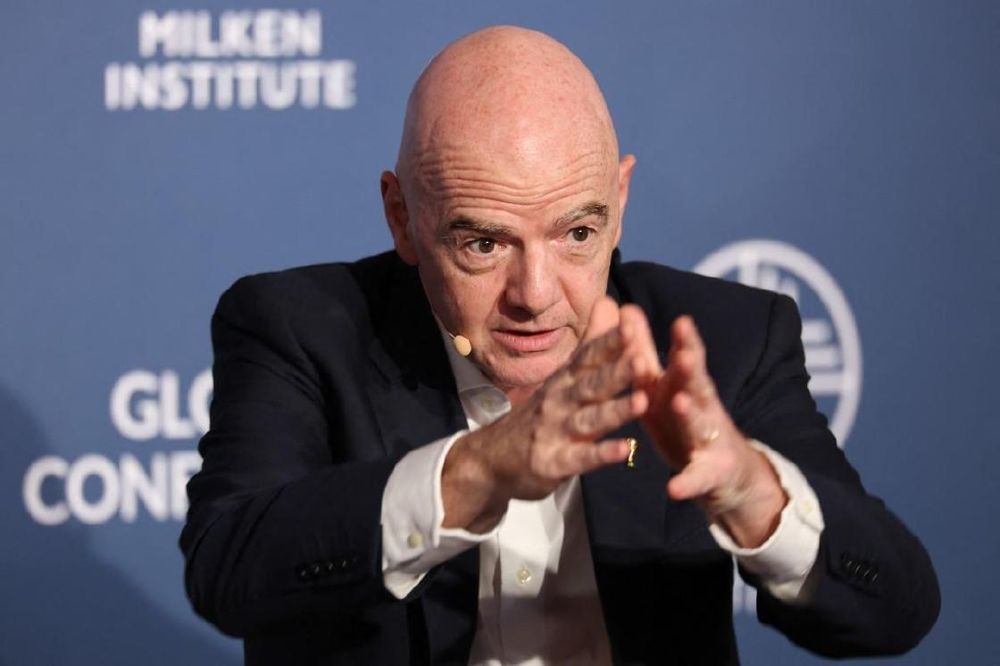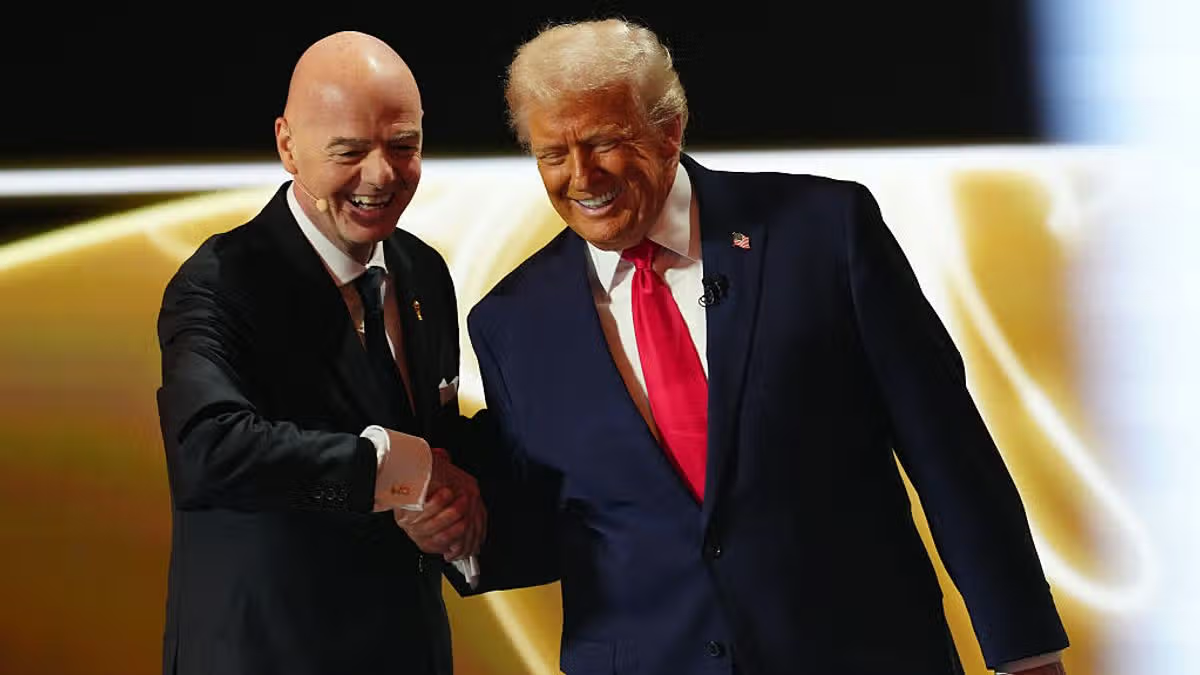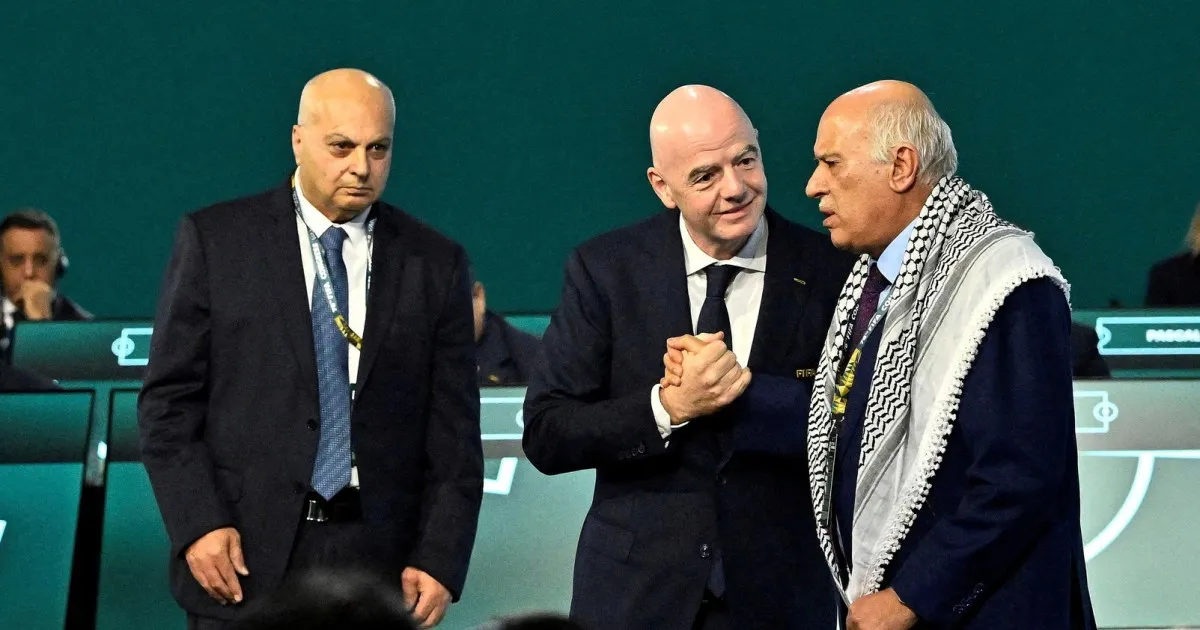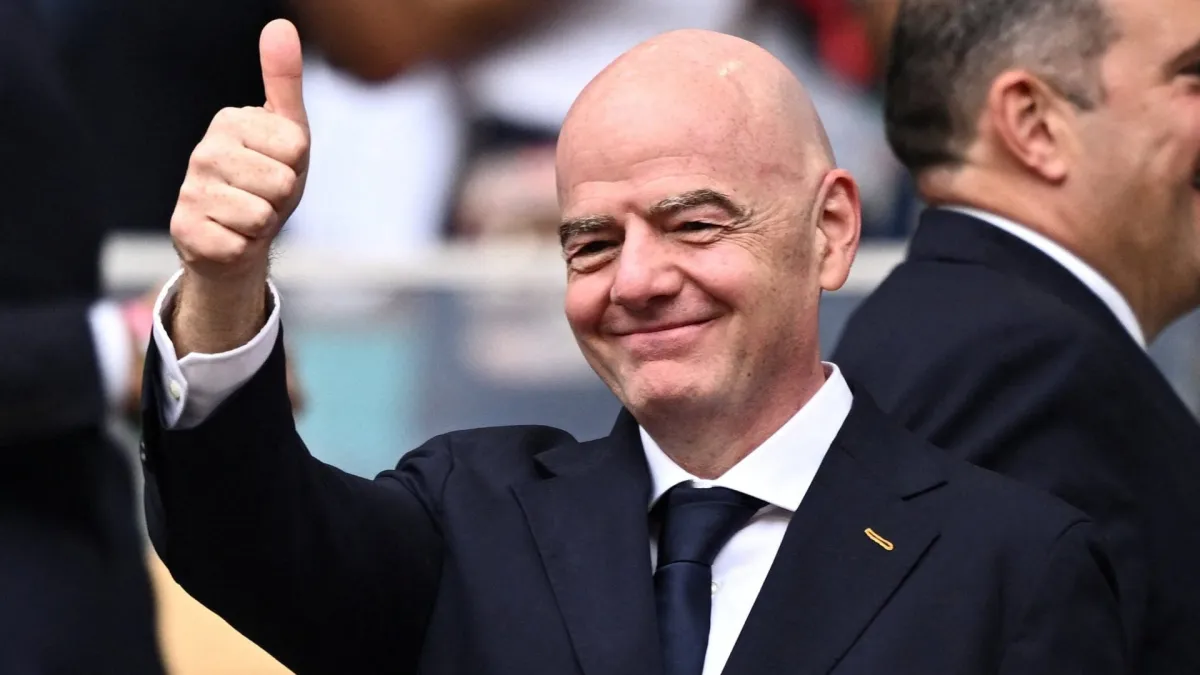
For three weeks, it appeared that Gianni Infantino had pulled it off.
All of the pre-tournament naysaying—about the format, the climate, the ticketing, and the visas—had faded. Lionel Messi, Erling Haaland, and Kylian Mbappe brought their A-games. Cape Verde’s Vozinha was a sensation. Broadcast ratings were stellar. The hosts all proved competent. Maybe those empty seats actually did belong to fans on the concourses.
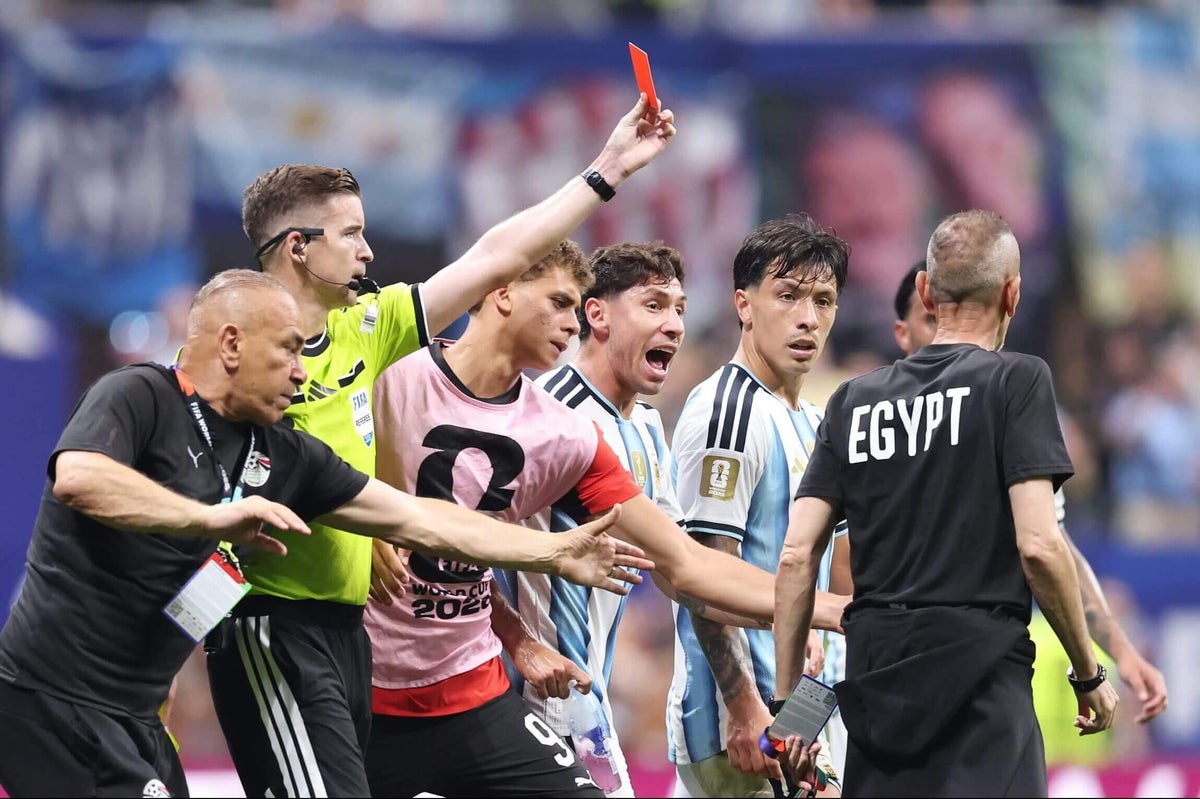
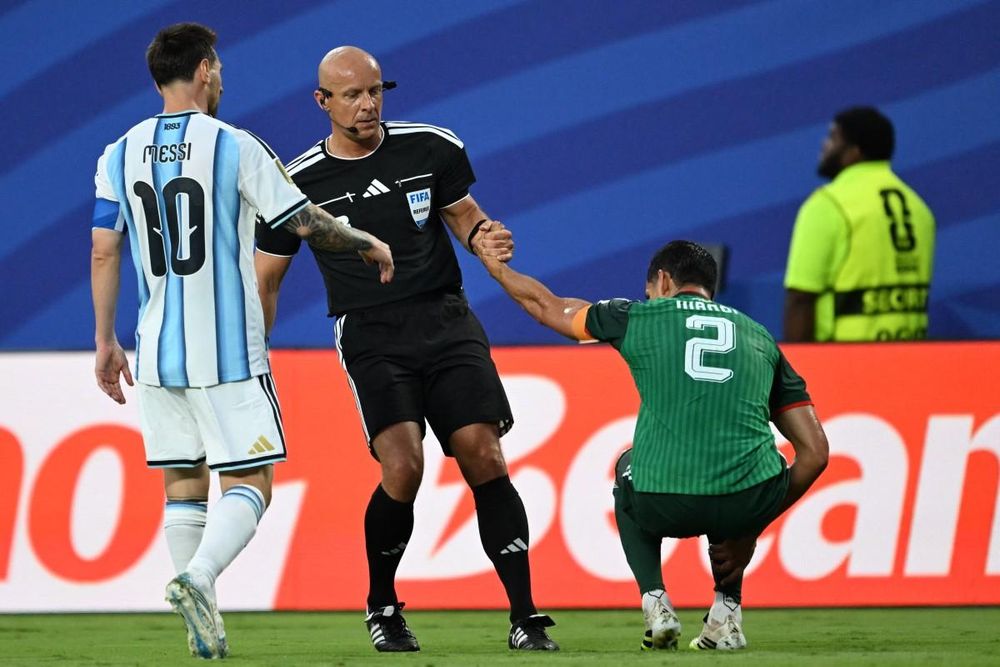
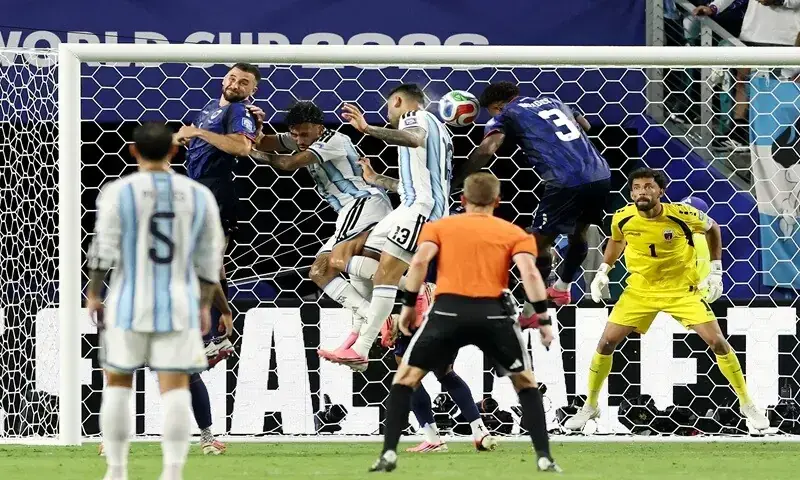
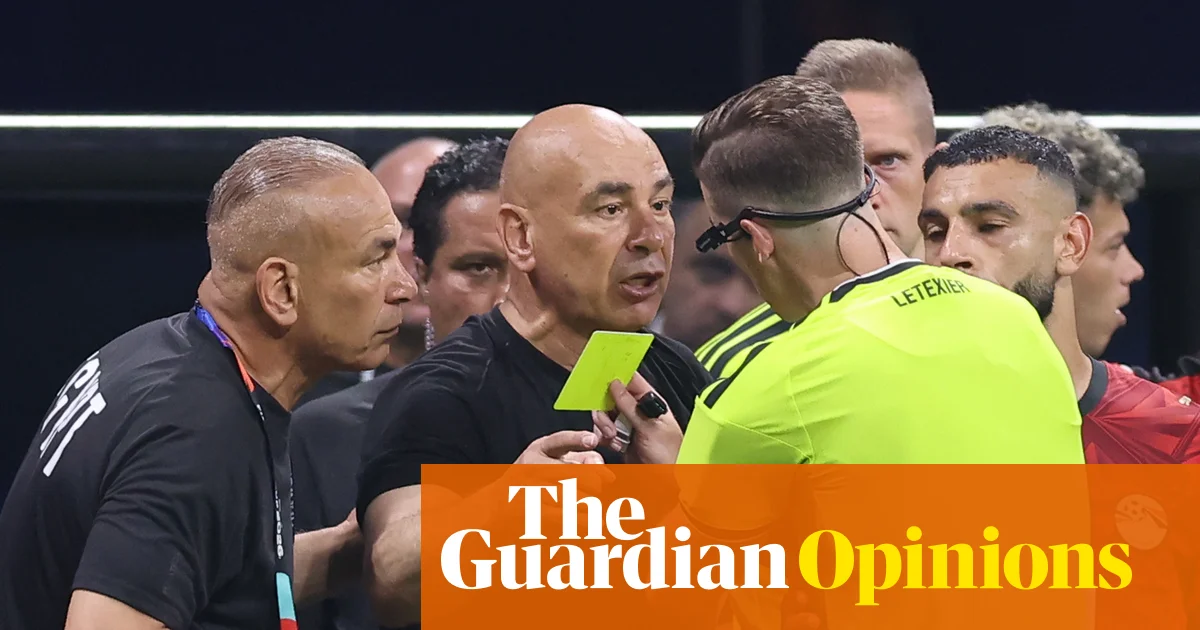
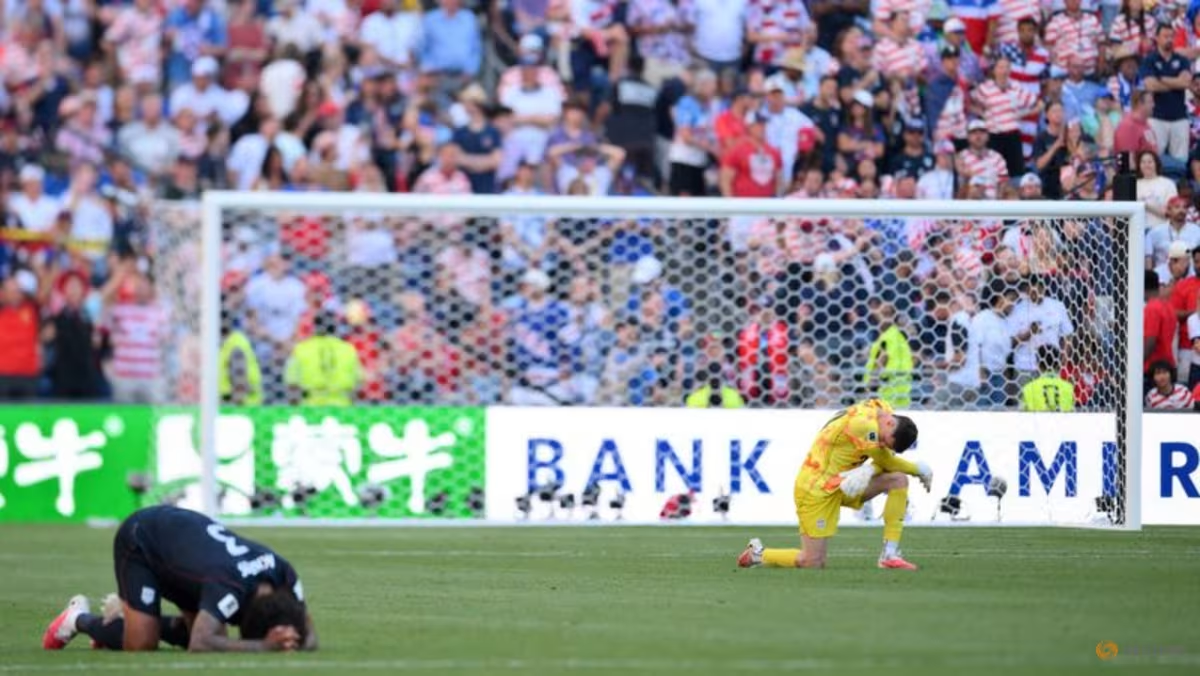
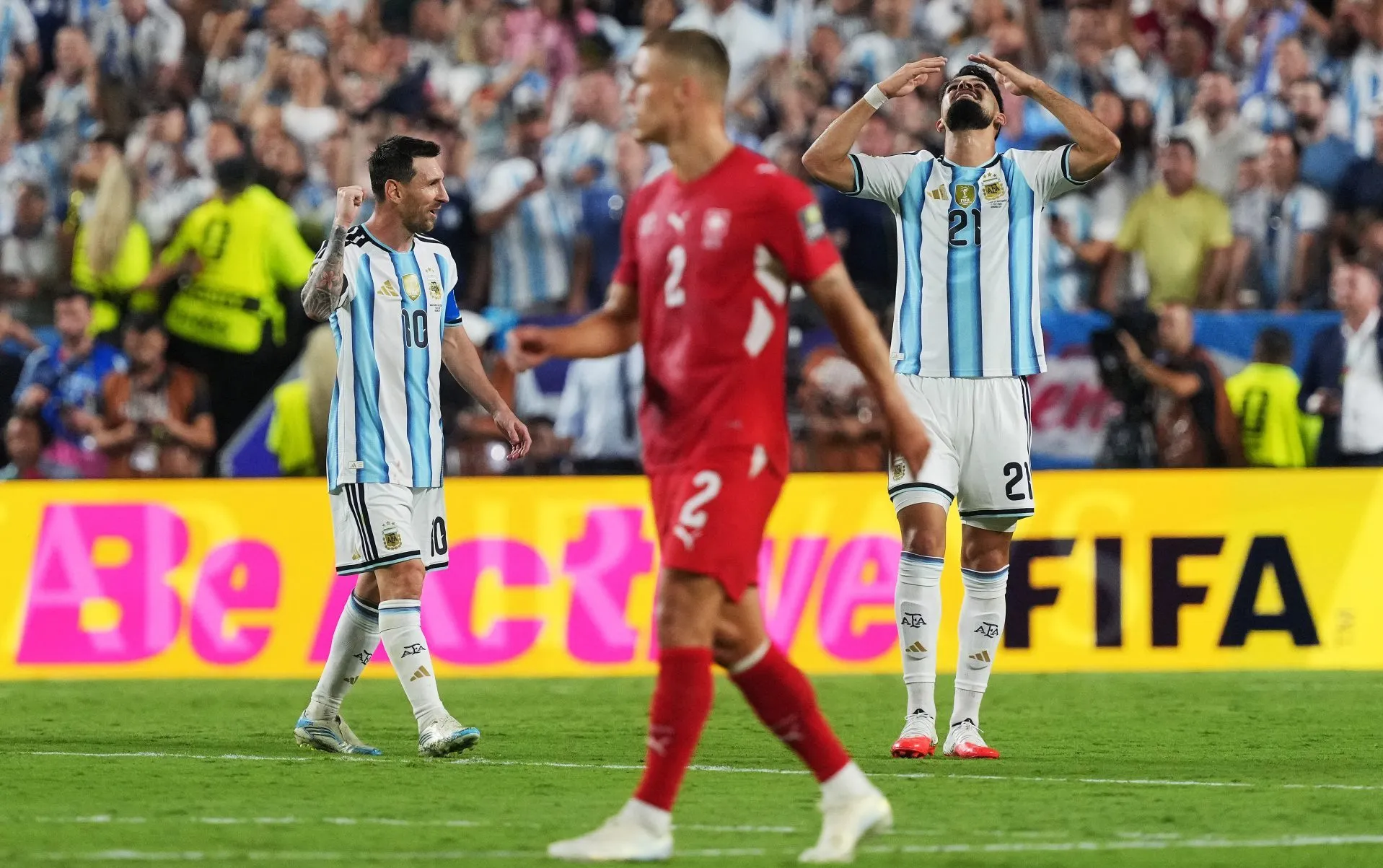
Then Andrew Giuilani appealed to FIFA’s disciplinary committee, Folarin Balogun was reprieved of his red-card suspension, and the vibes shifted. The USMNT were no longer a likable team that had proved surprisingly good at soccer; they were a conduit for corruption. Belgium’s thrashing of the U.S. in the round of 16 meant that there was no prospect of Belgium contesting the result of the game and throwing the tournament into a sporting crisis. Add to that a flurry of officiating decisions—particularly around Argentina—that have sent coaches, players, and fans into a frenzy.
It has all combined to flare a reputational crisis for Infantino and FIFA—one that is still spreading rapidly.
All for Argentina