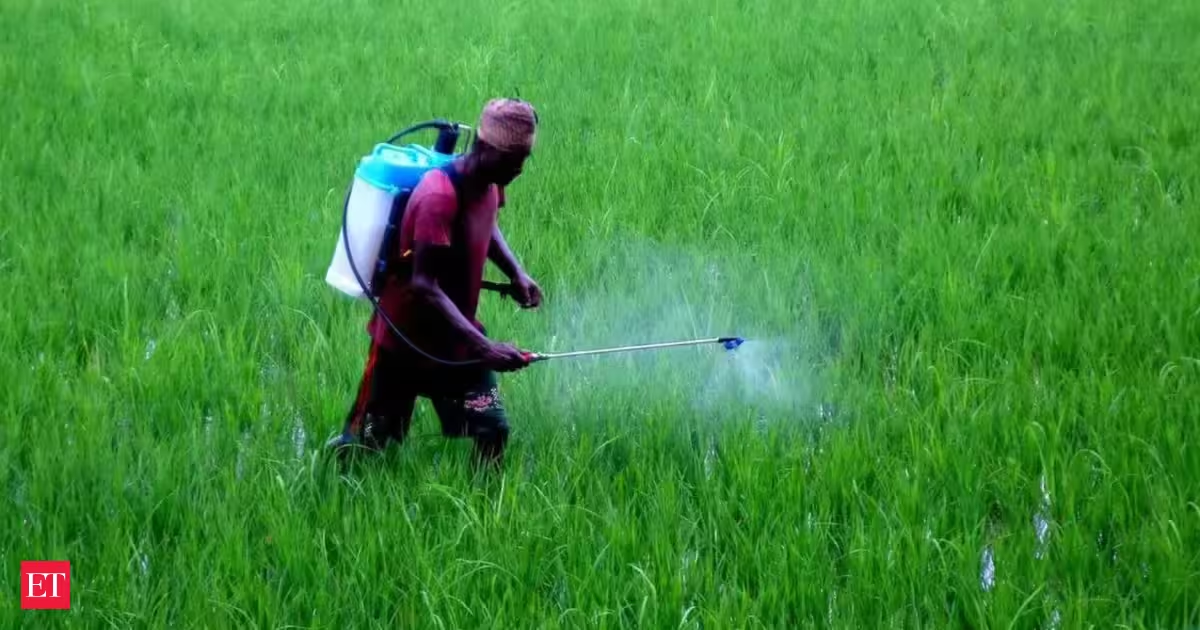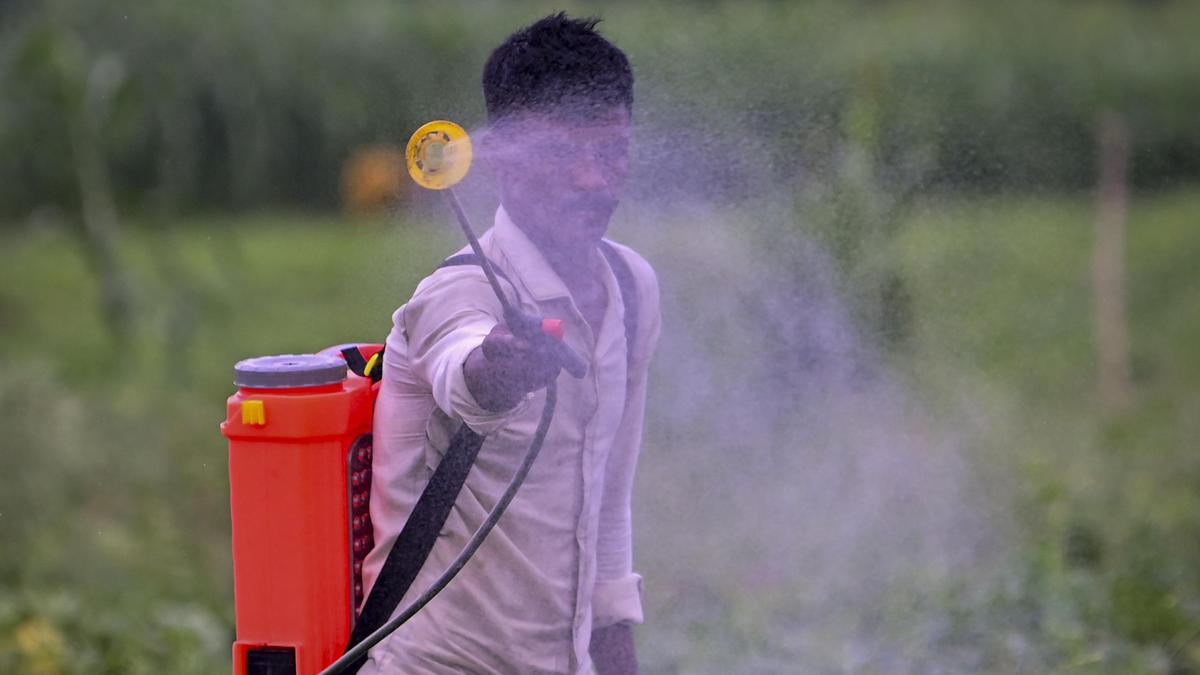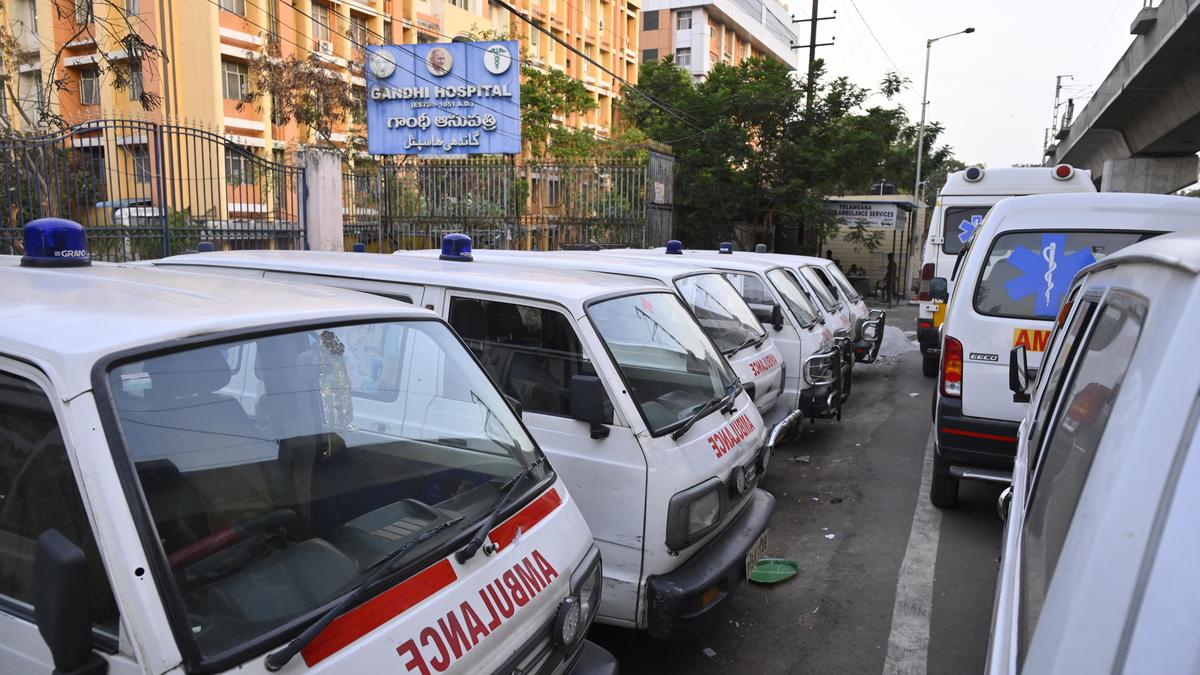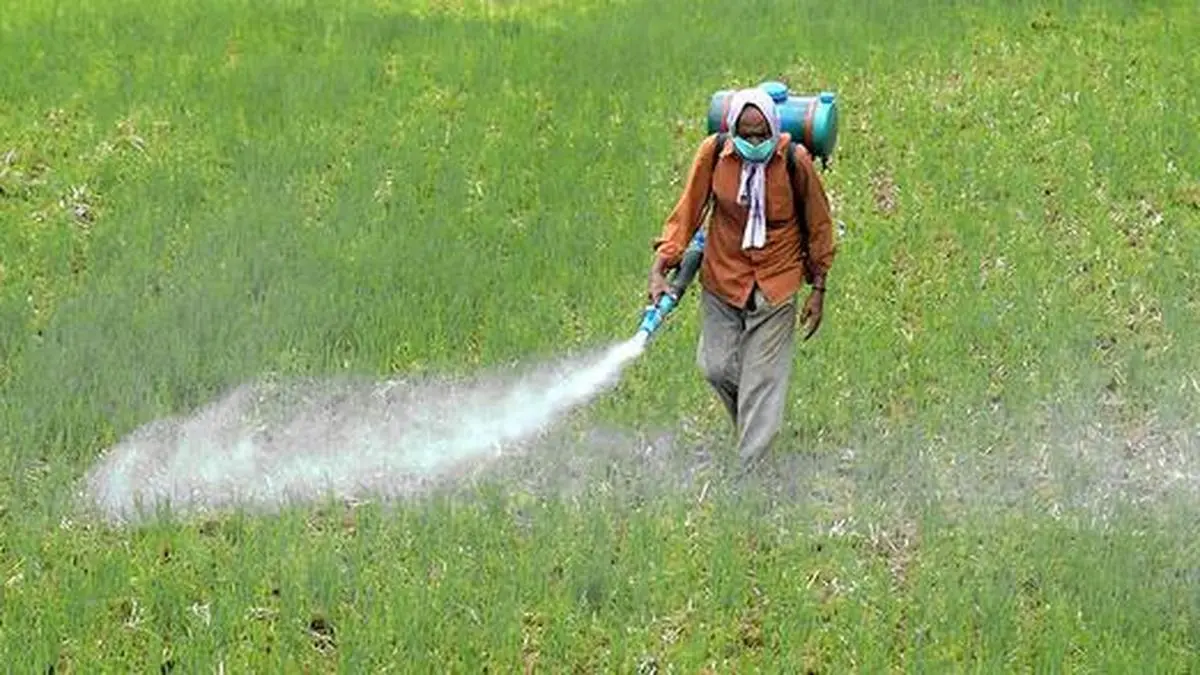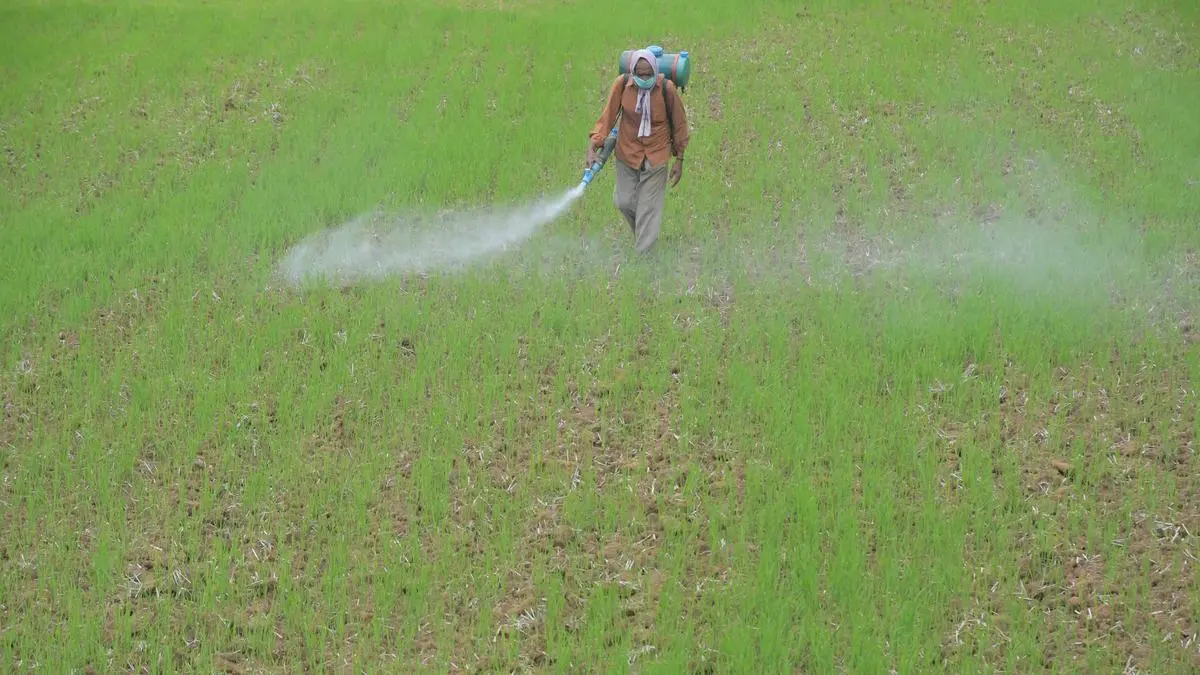
The Indian government on Tuesday issued a draft order proposing a blanket ban on Paraquat Dichloride, citing its severe toxicity to humans and animals. The draft notification seeks to halt the manufacture, import, sale, and distribution of the widely used herbicide, giving stakeholders 30 days to submit feedback before a final ban is gazetted.Already outlawed in more than 70 countries, Paraquat Dichloride is linked to fatal poisoning, kidney failure, lung fibrosis, and Parkinson’s disease. However, the proposed ban faces a massive commercial footprint at home, where a vast agrochemical market includes more than 1,500 manufacturers holding licences for the chemical.The Union Ministry of Agriculture and Farmers Welfare had constituted an Expert Committee in January to examine the continued use of Paraquat Dichloride insecticide registered in India, and after detailed examination the panel submitted its report on June 12.businessline in May reported when the panel unanimously agreed to recommend a nationwide ban on Paraquat.Several concernsActing on the expert panel’s suggestions, the Registration Committee, headed by Agriculture Commissioner P K Singh, on June 29 submitted its views. The Registration Committee has identified several areas of concern including documented adverse health effects, continued history of poisoning incidents and reported high fatalities, absence of a specific antidote among many others. The Registration Committee has recommended a complete prohibition of Paraquat Dichloride in India under the Insecticides Act, 1968.After duly considering the report of the Registration Committee, the Central government is satisfied that “the use of Paraquat Dichloride insecticide is likely to involve risk to human being and animals as to render it expedient or necessary to take immediate action.” The Draft Order says that the ban “shall come into force on the date of its final publication in the Official Gazette” after which no person shall be allowed to import, manufacture, sale, transport, distribute and use Paraquat Dichloride.The Registration Committee will also call back the certificate of registrations granted for the Paraquat Dichloride from all the manufacturers and the certificate shall be deemed to be cancelled from the date of final publication of the Order.The Centre’s move, though very slow, comes amid growing pressure from states such as Telangana and Odisha, which have already imposed temporary restrictions and sought permanent intervention by the Centre.Domestic sales recoverOn the other hand, the ban could significantly alter weed-management practices across cereals, plantation crops and horticulture, and also may increase cultivation costs for farmers dependent on chemical weed control. Paraquat is extensively used in tea, rubber, coffee, cotton, paddy, wheat, maize, potato, grapes and apple cultivation, besides weed control in canals, ponds and waterways. Its low cost and rapid action have made it one of the preferred non-selective herbicides in Indian agriculture.Trade data indicate that dependence on the herbicide has continued despite safety concerns. Imports rose from 8,598 tonnes in 2019-20 to 20,786 tonnes in 2022-23, according to sources. Domestic sales, after declining to 74,490 tonnes in 2020-21 from 1.13 lakh tonnes in 2019-20, recovered to 1.05 lakh tonnes in 2023-24.Telangana had banned the sale, distribution and use of Paraquat for 60 days from April 1, the maximum period states are empowered to impose restrictions under existing rules, and urged the Centre to prohibit it permanently across the country. Odisha had taken a similar step in 2023. Earlier attempts by Kerala to sustain restrictions were struck down by courts on the grounds that states cannot impose indefinite ban.A February 2026 study published in The National Medical Journal of India described Paraquat as a “highly toxic compound” capable of causing severe illness and death through ingestion, inhalation or skin absorption. The paper, authored by Bharadwaj Sai, Satya Murthy Malla and Ananth Rupesh Kattamreddy of Andhra Medical College, Vishakhapatnam said: “A major concern for Indian doctors is the high number of deaths caused by intentional or accidental exposure to PQ. Paraquat poisoning is often fatal, and also causes high morbidity including hepato-renal failure, progressive fibrosis of the lung and Parkinson disease.”Published on July 14, 2026
India set to ban Paraquat herbicide, issues draft Order
India proposes a ban on the toxic herbicide Paraquat, citing health risks, with final notification expected post-August 12.
655 words~3 min read