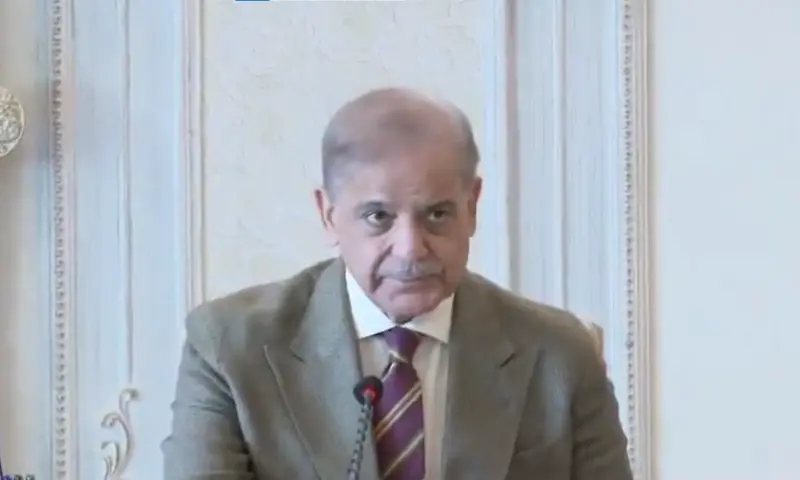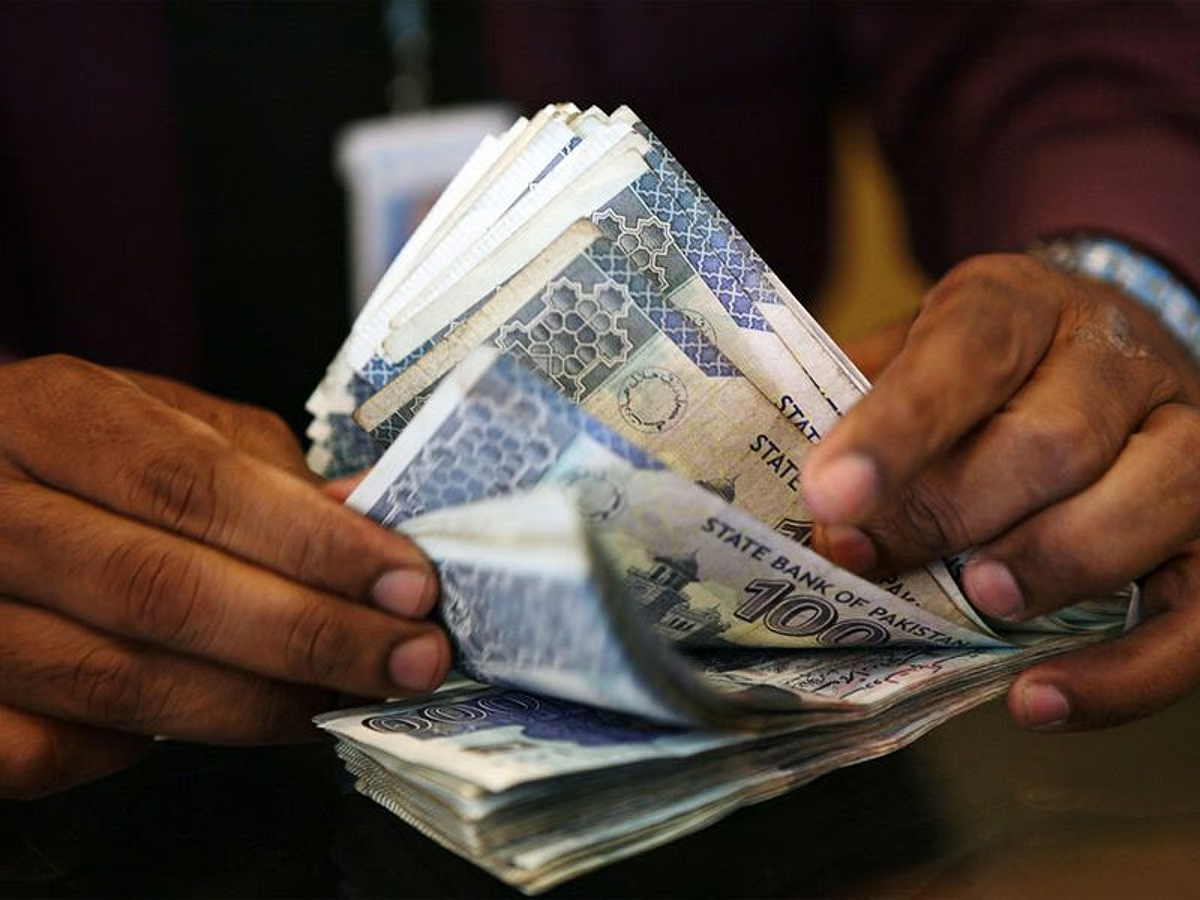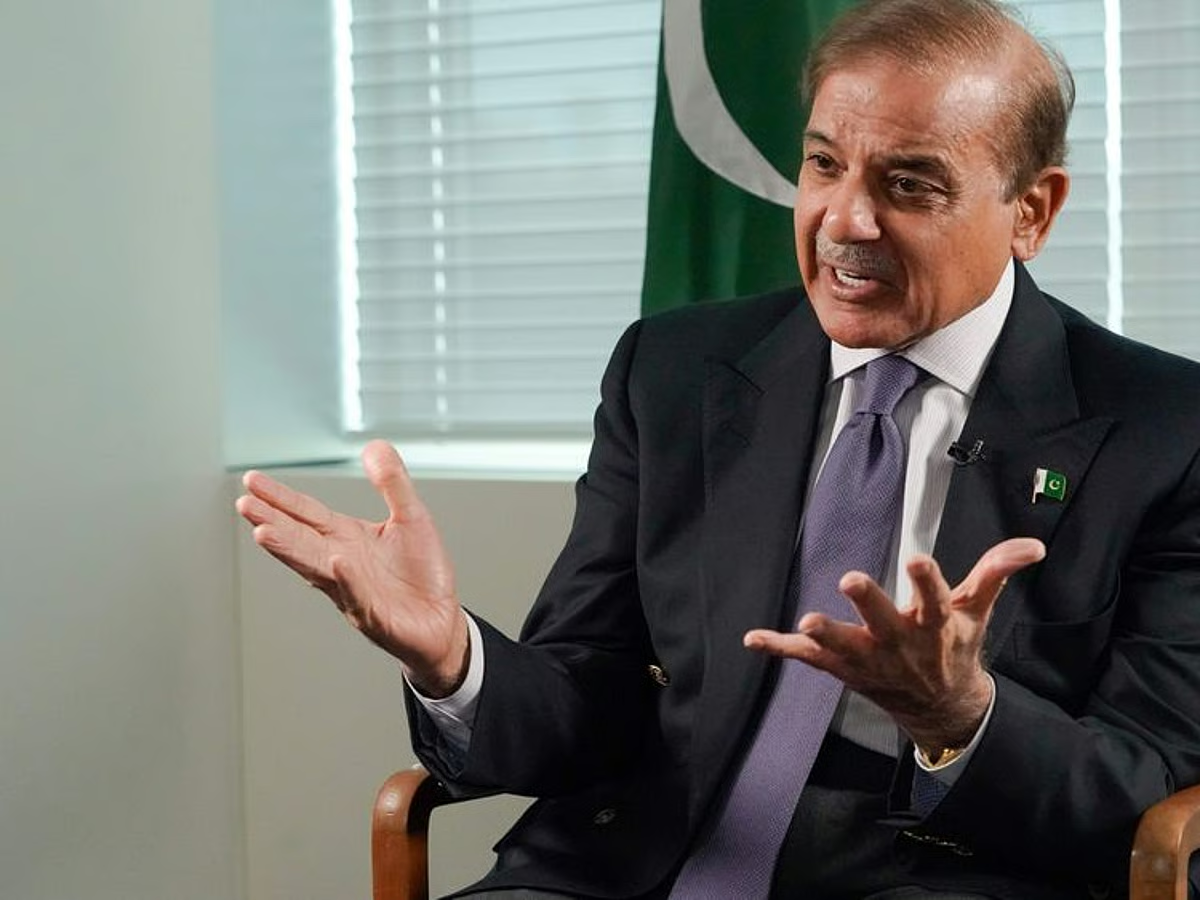
Move part of Islamabad’s cashless economy drive after remittances hit $41.6bLast updated: July 14, 2026 | 17:202 MIN READSharif called for stronger awareness campaigns to encourage merchants to adopt QR-code payments and urged banks and financial institutions to accelerate the country’s transition to a cashless economy.AP/fileDubai: Pakistan is aiming to make all remittances sent home by overseas workers fully digital as part of its drive towards a cashless economy, a move that could affect millions of expatriates, including the large Pakistani community in the UAE.Prime Minister Shehbaz Sharif on Tuesday directed officials to ensure that remittances from abroad are 100 per cent digitised, saying the transition would improve transparency, efficiency and economic growth.The directive came during a high-level meeting on promoting digital payments, where officials said 92 per cent of remittances were already received through digital channels over the past year.Pakistan’s digital driveRemittances last year: $41.6bn (record)Already digital: 92%New target: 100% digital remittancesMobile banking users: 137 million (up from 95m)Digital transactions: 11.9 billion in 2025-26QR-code merchants: 2 million, up 300% in a yearBISP payments: 10 million beneficiaries now paid through digital walletsThe push follows a record year for overseas inflows, with workers’ remittances reaching $41.6 billion in the last fiscal year, making them Pakistan’s biggest source of external financing and a key support for the country’s economy.Sharif also called for stronger awareness campaigns to encourage merchants to adopt QR-code payments and urged banks and financial institutions to accelerate the country’s transition to a cashless economy.According to figures presented at the meeting, Pakistan has made rapid progress in digital payments over the past year.The number of merchants accepting QR-code payments has increased by 300 per cent, reaching around two million, while mobile banking users have grown from 95 million to 137 million.Officials also said Pakistan recorded 11.9 billion digital transactions between July 2025 and June 2026.The government highlighted progress in digitising public services as well. Nearly all payments made to the National Database and Registration Authority (Nadra) are now digital, while all payments under the Benazir Income Support Programme (BISP)—which covers around 10 million beneficiaries—are now made through digital wallets.The latest measures build on Pakistan’s broader digital finance strategy. Last month, Islamabad expanded its Roshan Digital Account scheme, originally launched for overseas Pakistanis, to allow foreign nationals and investors to participate.Pakistan’s government has increasingly relied on digital financial systems to improve transparency, reduce cash transactions and broaden financial inclusion. A high-level committee set up last year is overseeing the country’s transition to a cashless economy, with an independent assessment expected later this year.For overseas Pakistanis, particularly those in Gulf countries that account for a significant share of remittance inflows, the government’s latest push signals an increasing shift towards digital banking channels for sending money home.A Senior Associate Editor with more than 30 years in the media, Stephen N.R. curates, edits and publishes impactful stories for Gulf News — both in print and online — focusing on Middle East politics, student issues and explainers on global topics.
Pakistan targets 100% digital remittances from overseas workers
Pakistan targets 100% digital remittances from overseas workers, boosting transparency, cashless payments and financial inclusion for expats in the UAE and Gulf.
563 words~3 min read