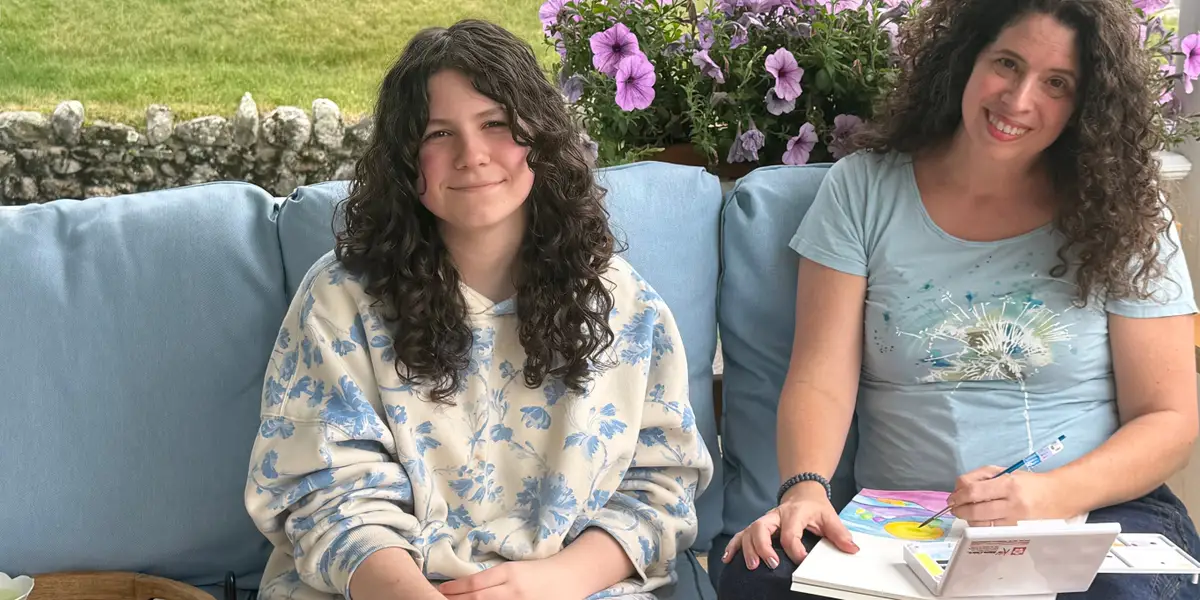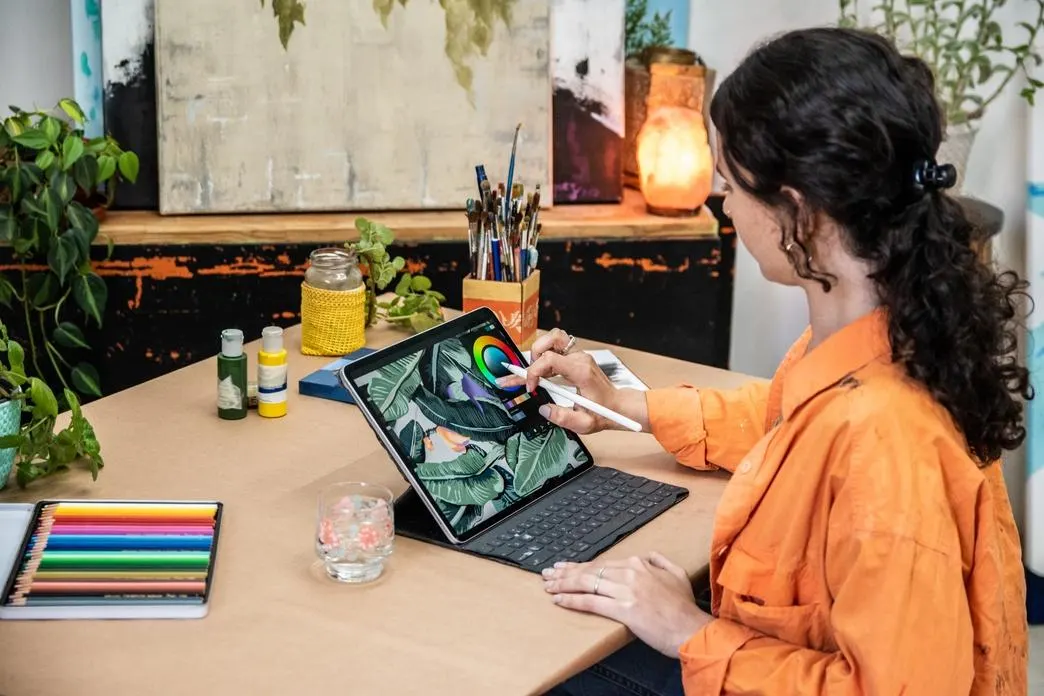
Hovhannes Avoyan is Founder and CEO of Picsart, a photo and video editing platform and creative community.gettyI started Picsart because of my daughter. When she was 10 years old, she loved to draw, and one day she posted one of her works online. Unfortunately, instead of encouragement, she received nasty comments. She was crying, convinced that she wasn't good enough to keep doing what she liked the most. I was a software engineer, not an artist, but I knew one thing for certain: The problem wasn't her talent. The problem was that the tools and the communities around her made it easy to tear her down and hard to build her up. That experience, back in 2011, is the reason Picsart exists. I wanted my daughter—and everyone like her—to have a place where it felt safe to make something and put it into the world.I mention this because everything I believe about artificial intelligence and creativity traces back to that moment. Today she has a degree in art and drawing remains her passion. And today the platform we built serves more than 100 million people a month who edit roughly a billion images on it. After 15 years of watching real people create—not in research papers, but in the actual messy work of making something and deciding whether to share it—I've come to believe the most important question in creativity has quietly changed. In the past, the creator’s hard question was, "How do I make this?" Now, increasingly, the question is, "Which of these versions is actually good to be published?" That shift is enormous, and most of the conversation about AI is missing it.Almost everyone describes AI as a tool that makes you faster: write faster, design faster, edit faster. That's true, but speed is the least interesting part of the story. The deeper change is that AI is making creative production abundant in a way the world has never seen. One person who used to have a single idea can now generate 10 variations of it before lunch. A small-business owner who once needed to hire a designer, a copywriter and a video editor can now start alone. On our own platform, after we integrated generative tools, we watched people who had never considered themselves "creative" begin producing work that would have required a studio a decade ago..The scale of this shift is hard to overstate. According to an IAB report, by 2026, the U.S. creator economy ad spend is forecast to reach $43.9 billion, and 87% of creators are now utilizing AI tools in their daily work. These figures illustrate how the creative landscape has shifted significantly since 2024, moving beyond simple production volume toward a market defined by curation and professional-grade AI workflows. When I started Picsart, the constraint on creativity was almost always the difficulty of making the thing. That constraint is dissolving in front of us. And when the hard part of a process becomes easy, value does not disappear. It moves upstream.When a tool can generate 20 competent options in seconds, the bottleneck is no longer creation. It is selection. Which version feels right? Which one is actually original instead of merely plausible? Which one connects with a real human being? And, just as importantly, which one should never be published at all? That capacity—to look at an abundance of decent options and know which one is good—is taste. And taste is the thing AI cannot do for you, because it requires knowing who you are and who you're speaking to.For years, "taste" was treated as something soft and subjective, a nice-to-have you couldn't put on a résumé. I think that era is ending. The creators who thrive on social platforms are not the ones generating the most images. They are the ones who know which single image to keep.This is why I tell people that the role of the creator is being promoted, not eliminated. The creator is no longer the person who must execute every task by hand. Increasingly, the creator is the director: the one who sets the vision, guides the machine toward it and decides what actually matters. The machine can generate, remix and produce endlessly, but it has no point of view about whether any of it is worth a person's attention. The human supplies the intent and the meaning. That is not a smaller job than making art by hand. In my experience it is a harder one, because it demands that you know what you're trying to say before the tool drowns you in options. One of the biggest mistakes creators make today is selling skills. Skills are becoming commodities. Outcomes are not. Nobody actually wants illustrations, videos, ad creatives, copy. They want growth, customers, attention conversion, revenue. The creator who says, "I make videos," competes with AI. The creator who says, "I help brands grow audiences," owns the relationship. Inside Picsart we've experienced this firsthand. A few years ago, creating a promotional campaign often involved agencies, months of production and six-figure budgets. Then tools reduced the process from months to hours. Now agents reduce it further. We can move from concept to launch multiple times a week with a fraction of the cost and resources. What's remarkable isn't the efficiency. It's the leverage. One talented person can now operate like an entire creative department.I don't believe the future belongs to the people who reject these tools. But I also don't believe it belongs to the people who hand everything over to the machine and stop thinking. It belongs to the people who understand what should remain human. Vision is human. Curiosity is human. Taste is human. The simple, stubborn act of caring how the result turns out is human—and it's the one thing no model has ever been able to fake.Forbes Technology Council is an invitation-only community for world-class CIOs, CTOs and technology executives. Do I qualify?
AI Made Creation Free. Taste Is What's Scarce Now
The creators who thrive on social platforms are not the ones generating the most images. They are the ones who know which single image to keep.
982 words~4 min read