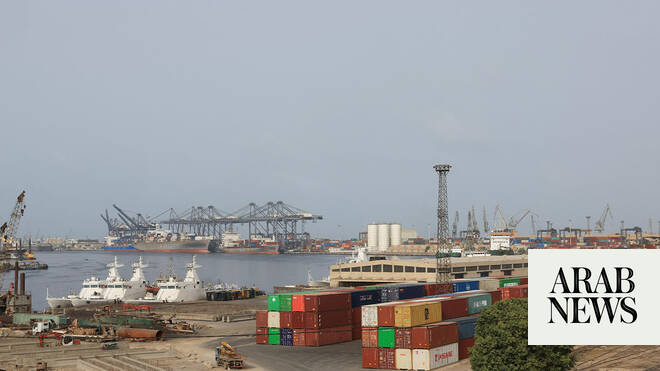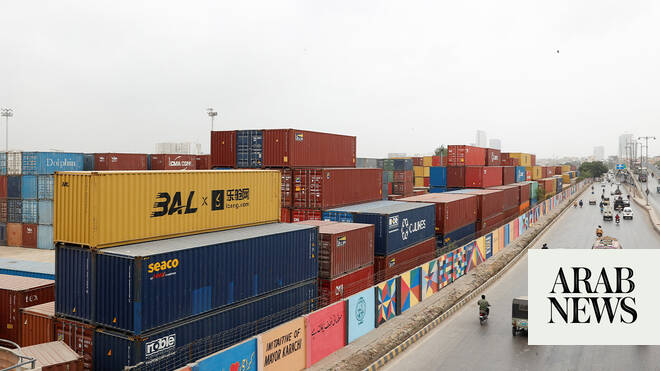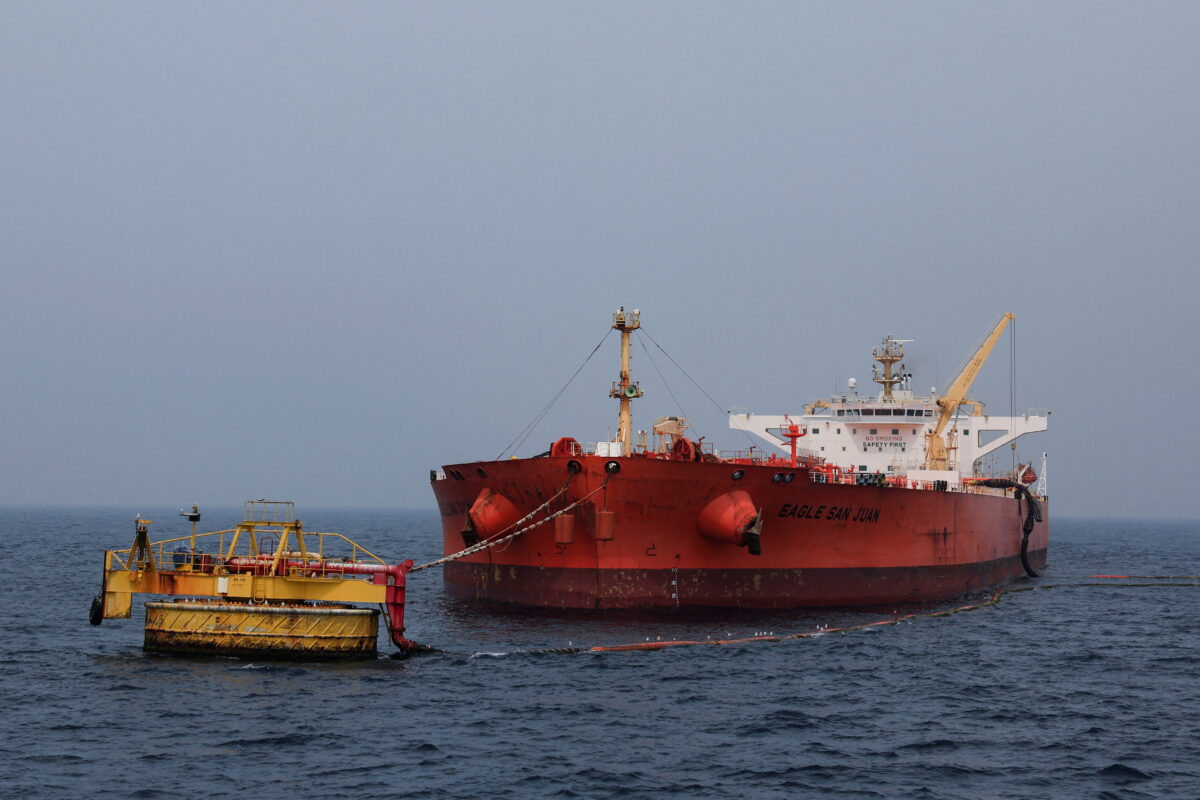
While the US–Israel war on Iran has put significant pressure on Pakistan’s fragile economy, it has unexpectedly boosted the country’s maritime sector. Amid the chaotic reshaping of maritime routes, Pakistan’s ports have experienced a boom in commercial activity, creating an opportunity for China and Pakistan to advance Gwadar Port as an alternative transshipment hub under the China–Pakistan Economic Corridor (CPEC).
Pakistan’s ports play a vital role in its economy. Karachi Port is located on the Arabian Sea, a strategic benefit, and is Pakistan’s oldest. Port Qasim is a deep-sea port in Sindh and Pakistan’s second busiest port by cargo traffic. Their proximity to the Strait of Hormuz allows them to capture a larger share of transshipment traffic diverted by disruptions to Gulf shipping routes.
In the early stages of the conflict in Iran, Gwadar Port handled a specialised vessel carrying general transshipment cargo for the first time at its southwestern end. This milestone followed the Pakistani government’s revision of its international transshipment rules, which now permit the handling of transshipment cargo within and outside Pakistan’s air and sea ports. Since then, the government has revised the port’s tariff structure. Charges on international transshipment container cargoes have been slashed by 40 per cent and tariffs on transit container cargoes by 31 per cent.