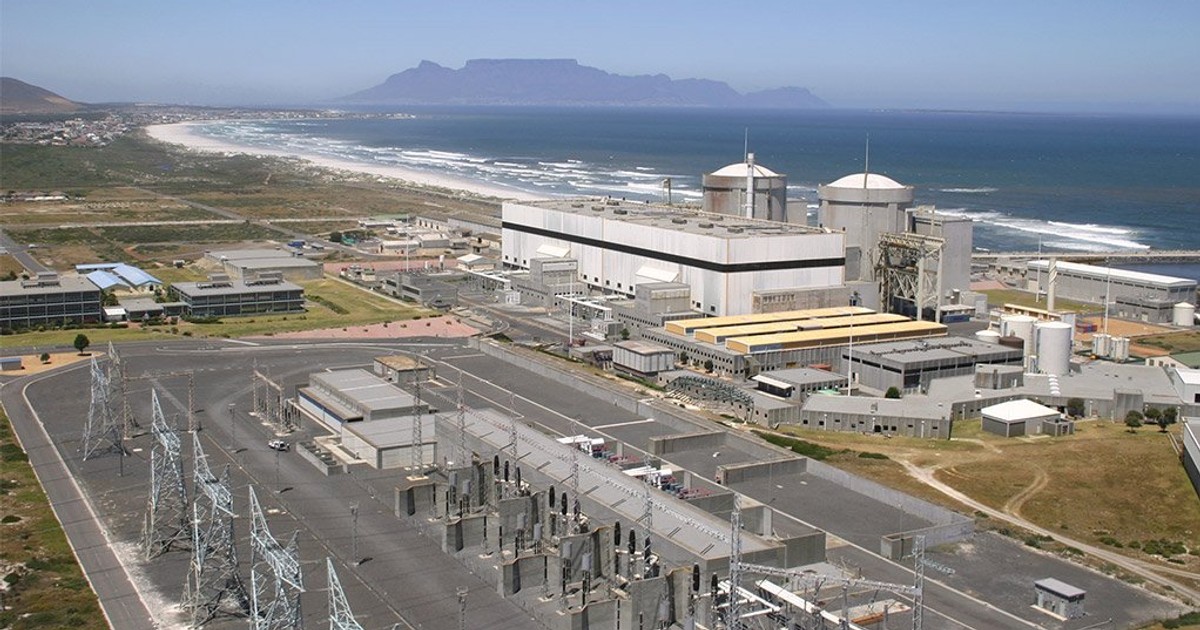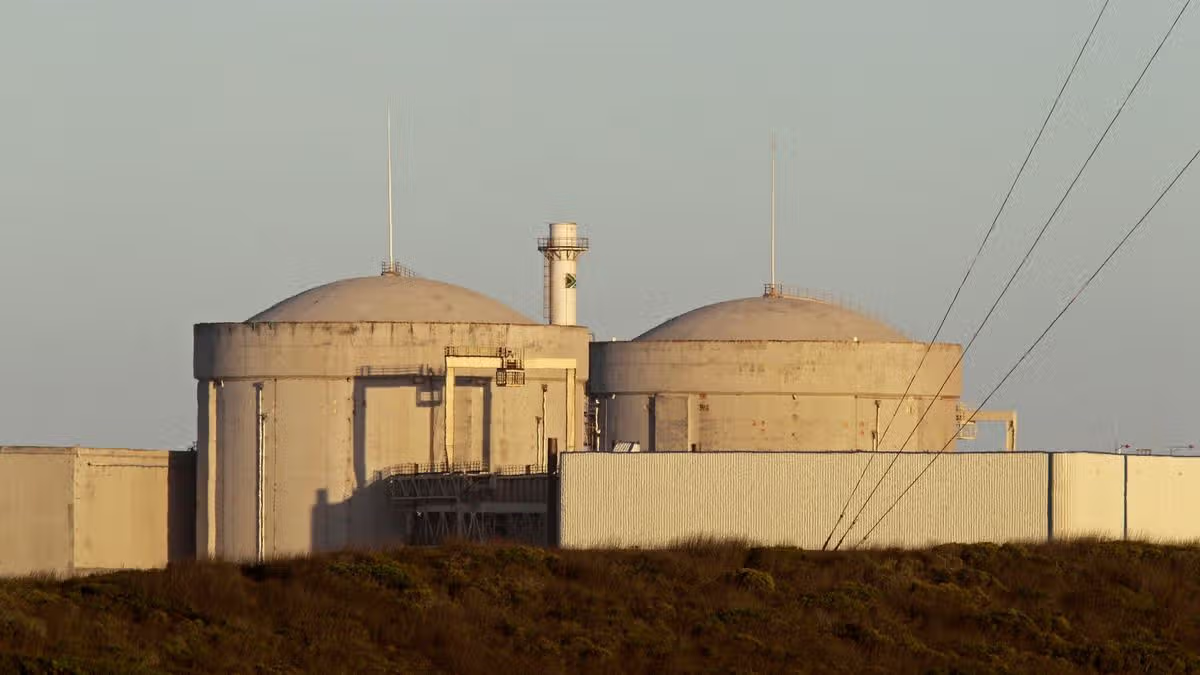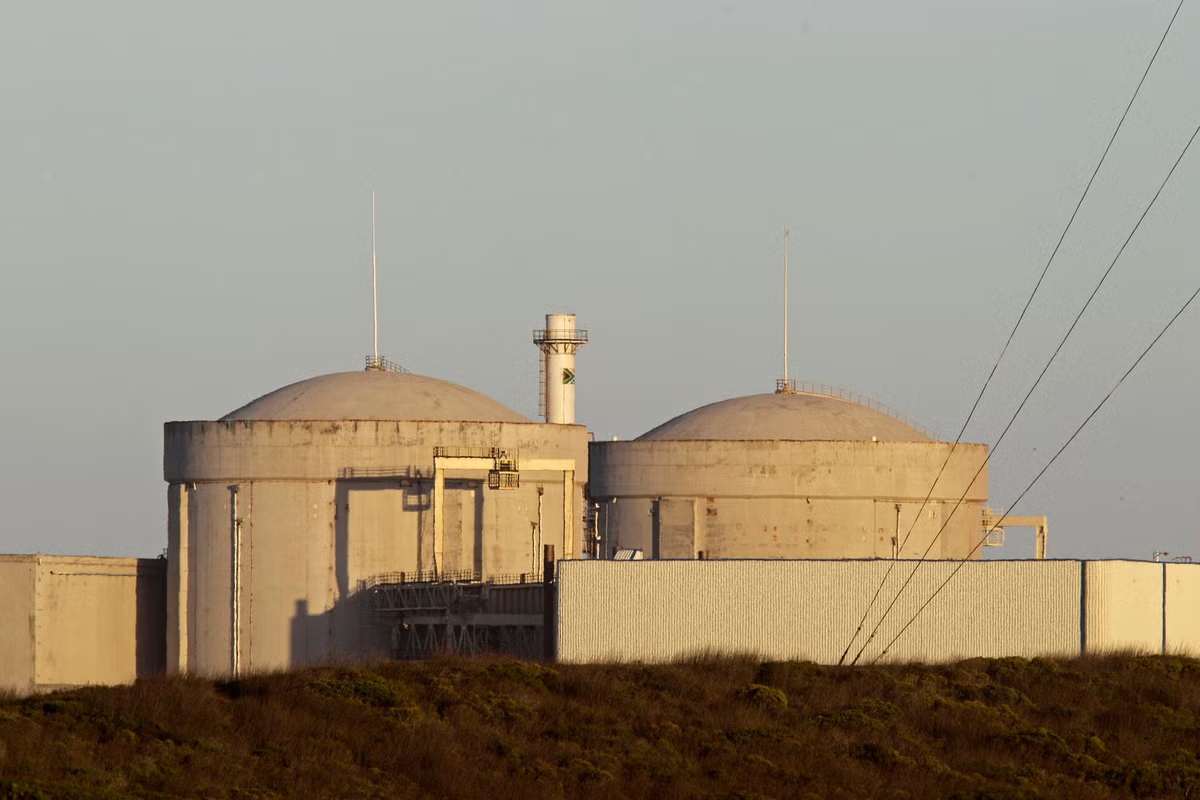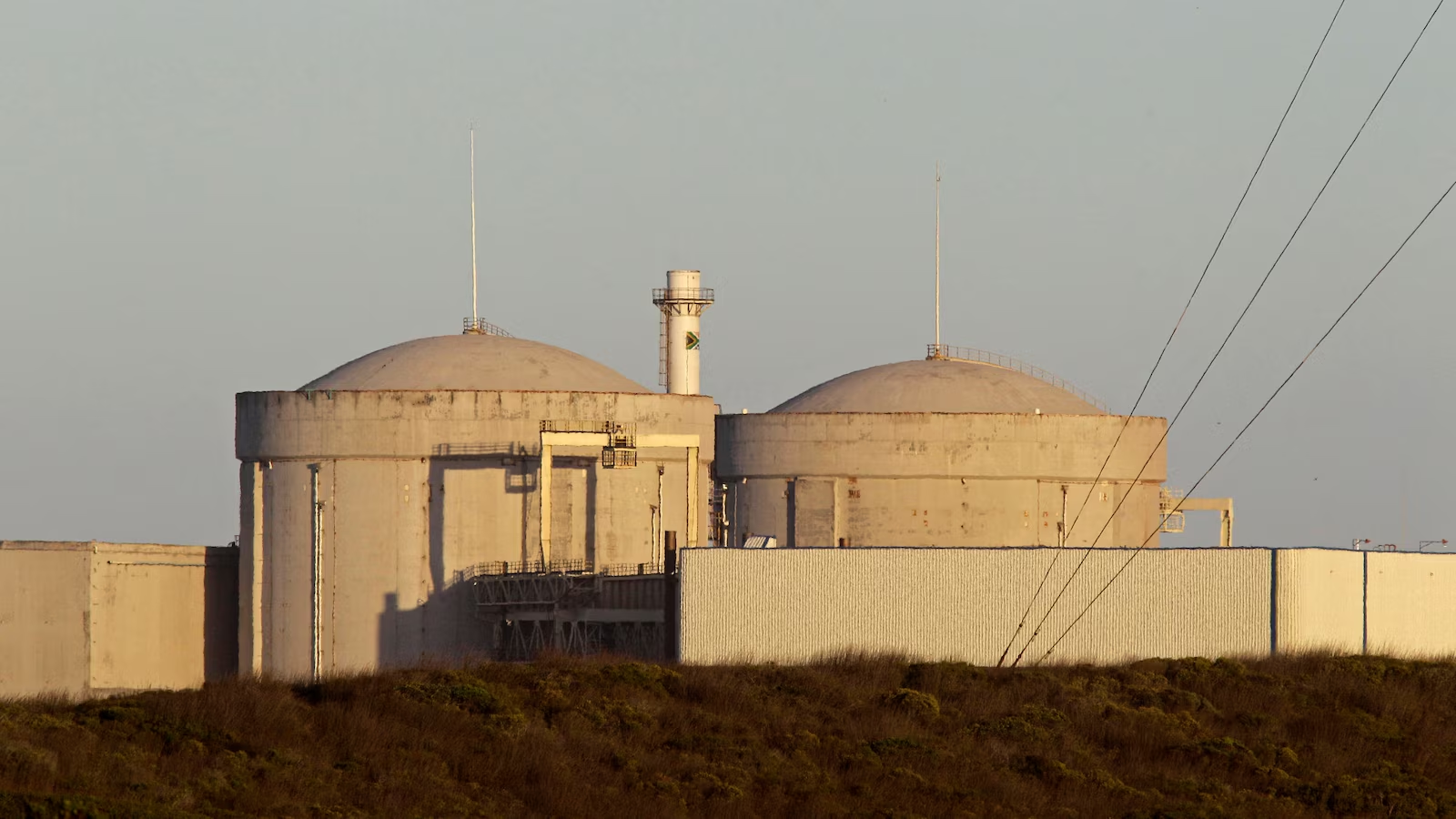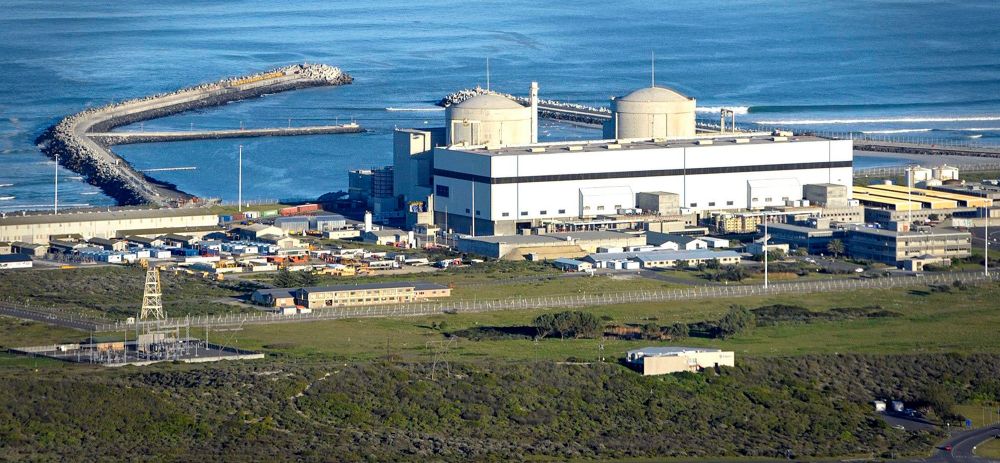
Koeberg Nuclear Power Station remains South Africa’s only operating nuclear power plant, but experts say the country must start building the skills pipeline needed for future nuclear expansion.
South Africa stands at a pivotal moment in its energy journey. As the country seeks to balance energy security, economic growth, industrial development and climate commitments all at once - and a diversified energy mix, the approach South Africa has already chosen, is the only sensible response to that complexity. While renewable energy and storage will undoubtedly play a critical role in our future, nuclear energy remains one of the few proven technologies capable of delivering reliable, low-carbon baseload power at scale.
Somewhere in a South African classroom today, a teenager is sitting in a Grade 9 science lesson, an apprentice is at a Technical and Vocational Education Training college (TVET), a student is at a lecturer hall at one of our numerous Universities or Universities of Technology. None of them know it yet, but each of them is precisely the right age to become a reactor operator at the country's next nuclear power facility, if that facility is commissioned on schedule and if we begin building the skills pipeline for it right now. Encouragingly, this pipeline does not need to be built from nothing: a few private skills development providers (SDPs) are already active in nuclear-related training and there is a strong case for purpose-built TVET colleges that specialise in nuclear disciplines, much as other technical fields have their own dedicated institutions. The question that should keep every energy policymaker and every higher education leader awake at night is this: are we training the next generation proactively for the South African nuclear vision?