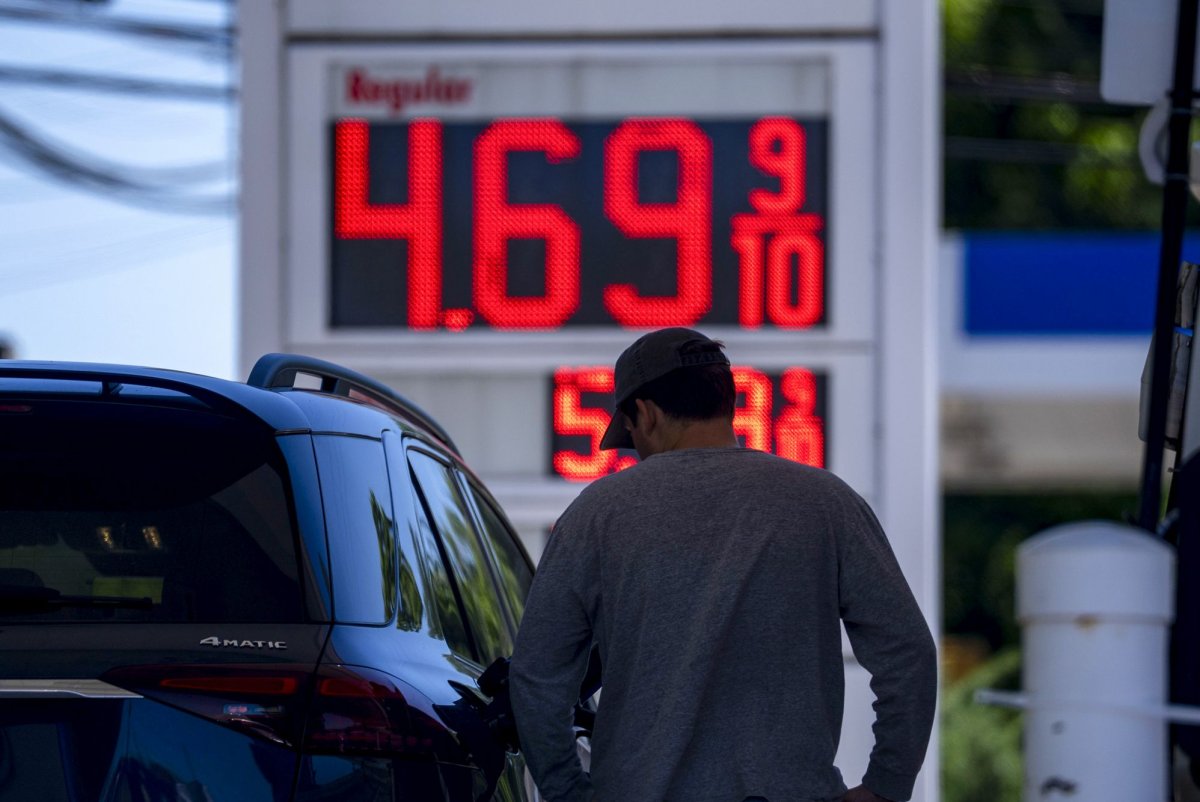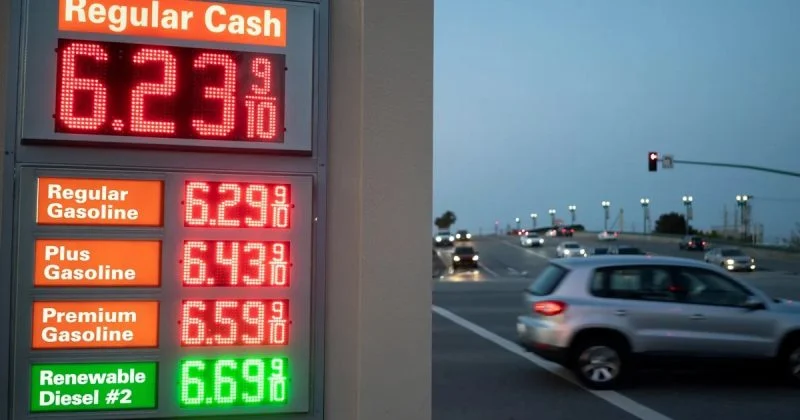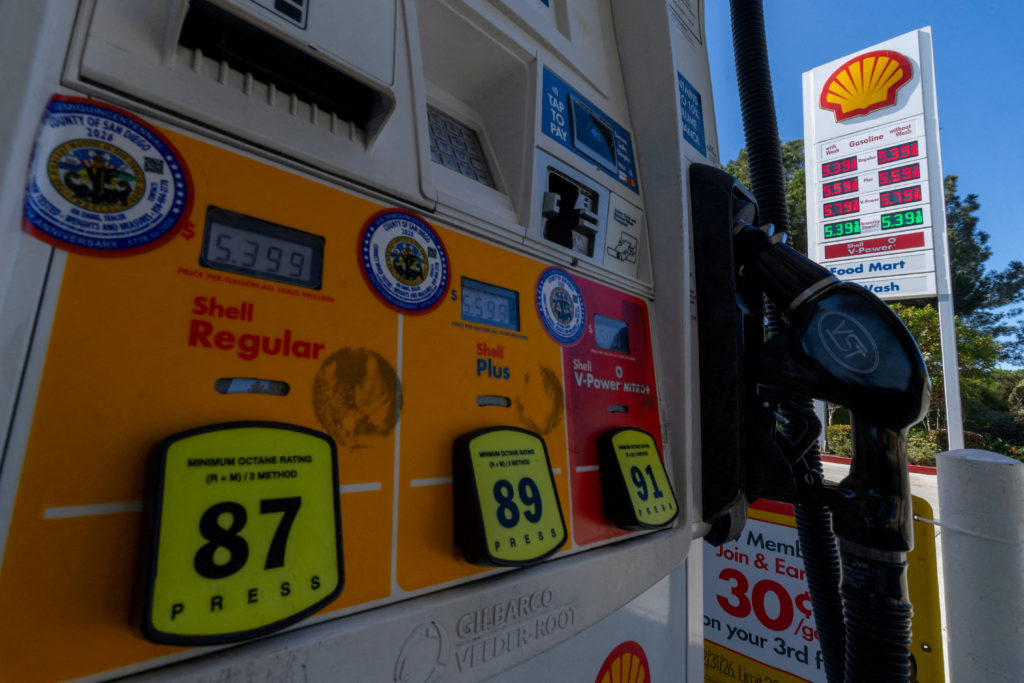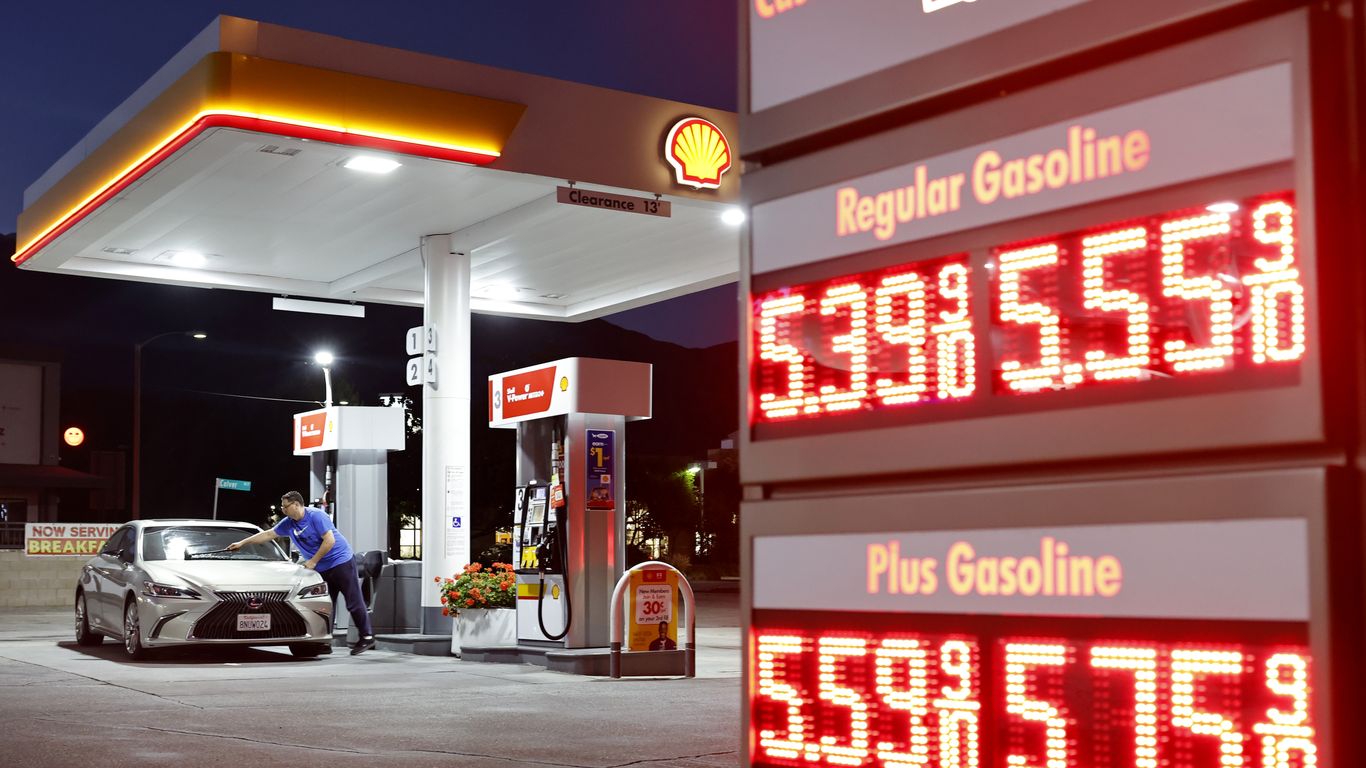
The Bureau of Labor Statistics reported the update to the consumer price index on Tuesday. In June alone, prices fell by 0.4%, the largest such decrease since 2020.The decline in prices in the month was caused primarily by a 10% drop in the price of gas, which was downstream of the resumption of oil tanker traffic through the Strait of Hormuz, a key global supply chokepoint, following the agreement between the U.S. and Iran.But the relief may be short-lived. Oil prices have popped back up in recent days as that agreement has eroded and tankers have faced threats transiting the strait, leaving uncertainty about the trajectory of gasoline prices.
“This is great news for Kevin Warsh and the Fed,” said David Russell, global head of market strategy at TradeStation, Everyone expected energy to drop, but there was also good news in car prices, shelter and apparel. However, these trends might not last if renewed conflict in the Middle East lifts oil prices. Disinflation gets harder going forward if energy doesn’t keep falling.US SET TO DODGE BIDEN-LEVEL INFLATION DESPITE IRAN DISRUPTIONSThe report is welcome news for the Trump administration, which has been working to highlight any progress in lowering inflation. The decline. Still, inflation is above the Federal Reserve’s target of 2%, and many investors and Fed watchers expect an interest rate increase this year.The bump in inflation since the start of 2026 was driven in large part by higher energy prices, which have soared since the Iran war.Trump has seen his economic approval ratings fall dramatically since he entered office, in large part because of voter discontent with affordability issues. The higher inflation this year threatens to imperil Republicans in the midterm elections.Core inflation, a measure that strips out volatile food and energy prices, fell three-tenths of a percentage point to 2.6% for the year ending in June.