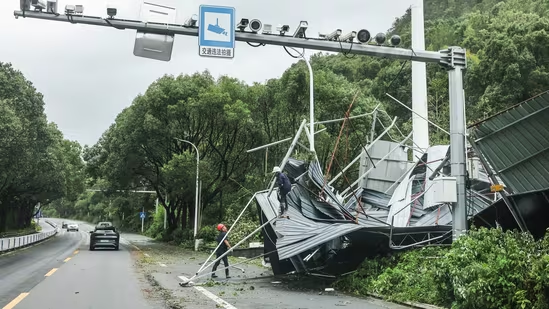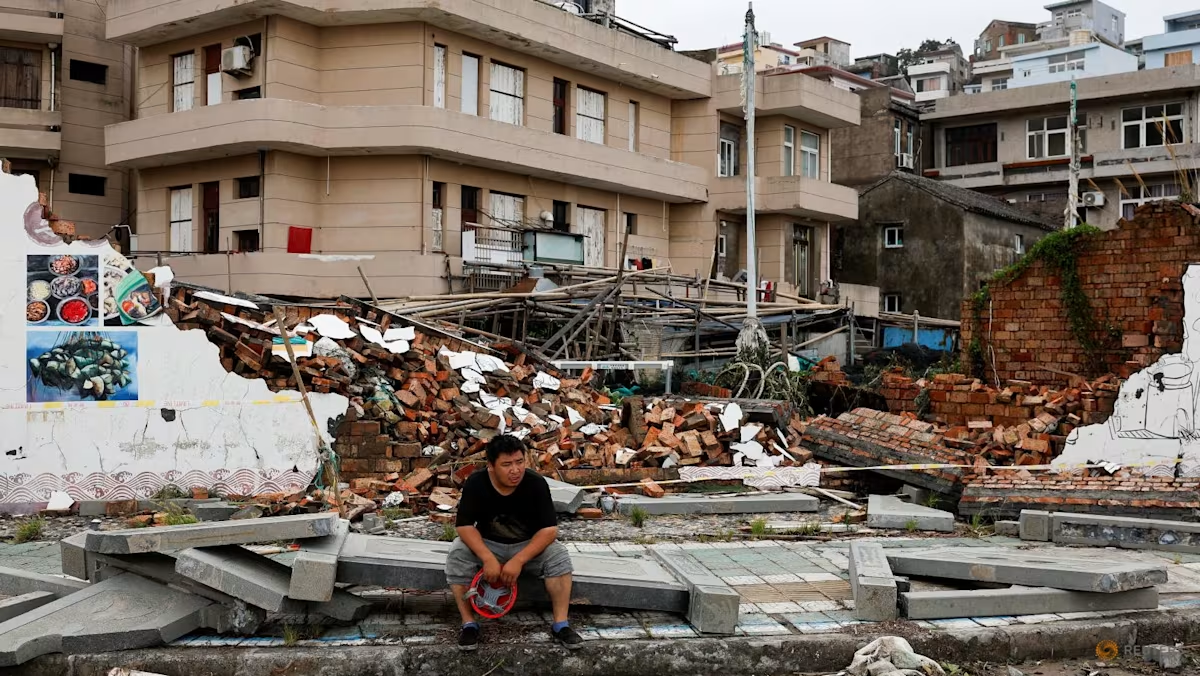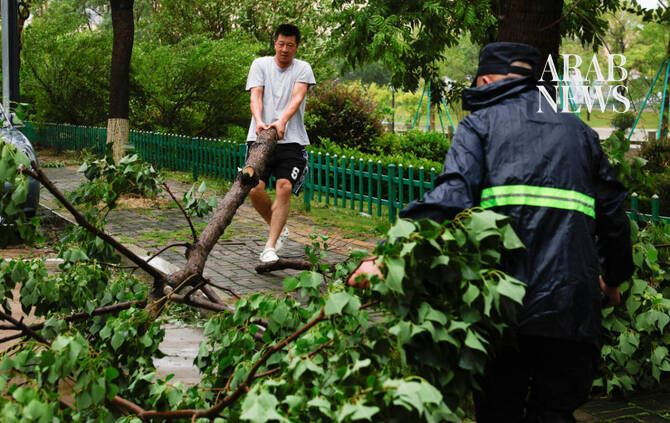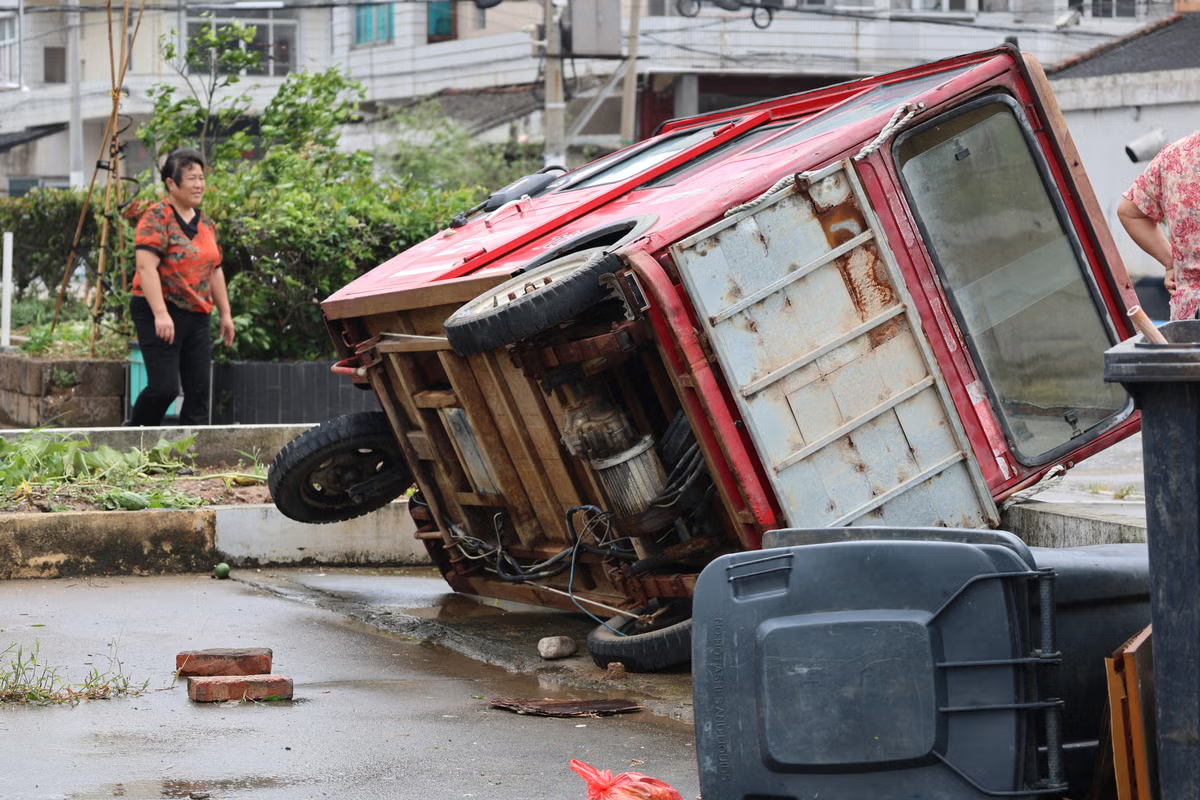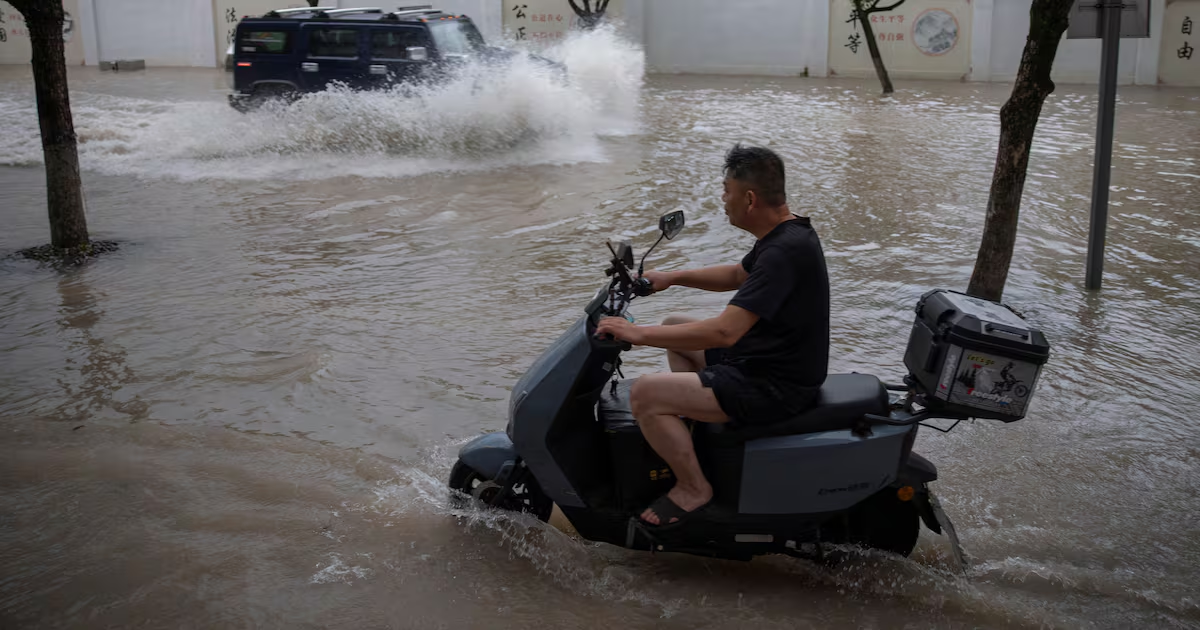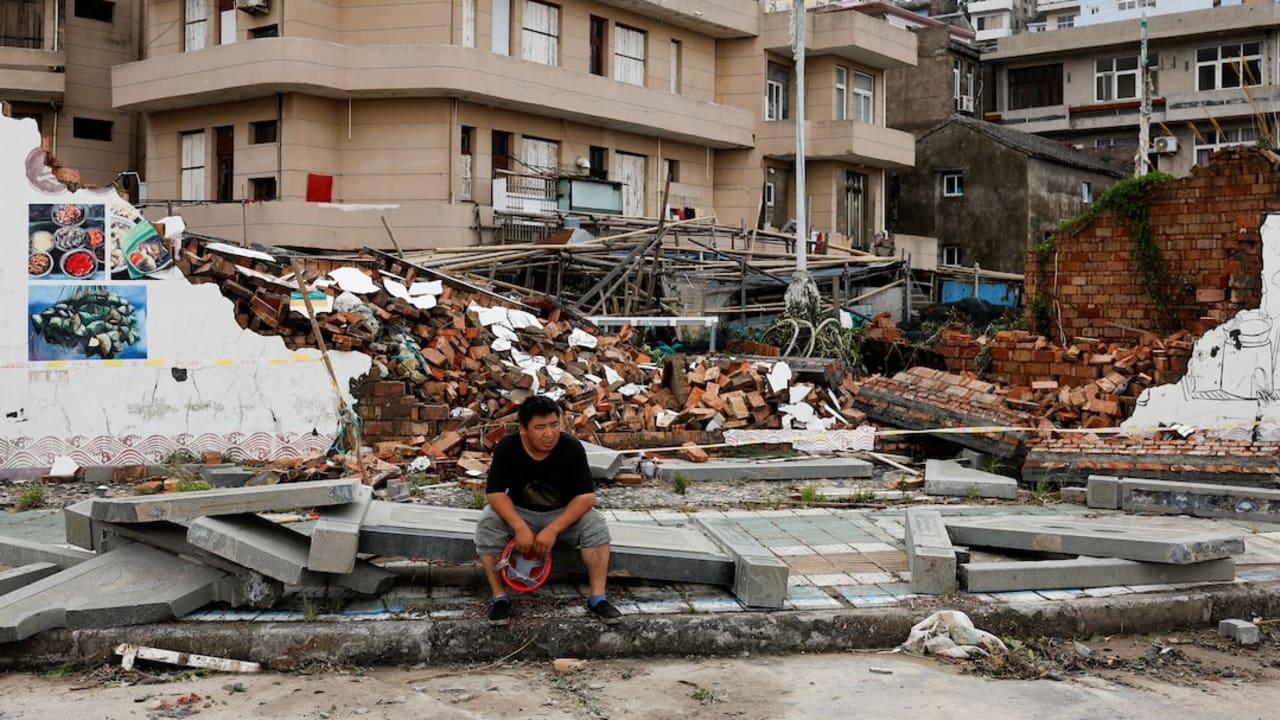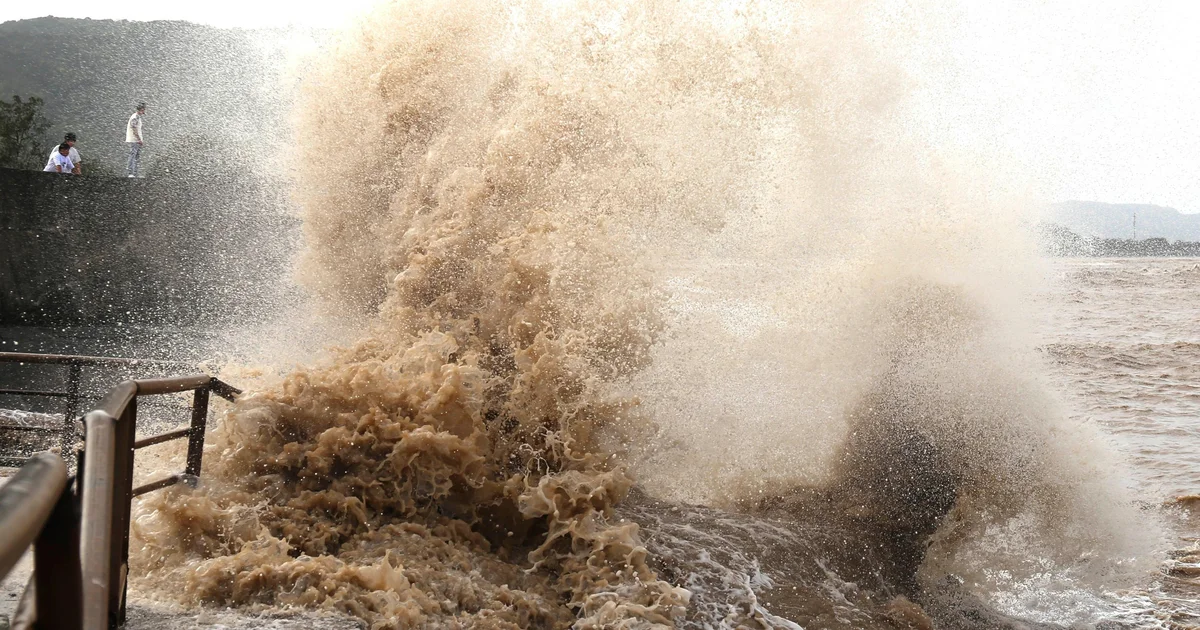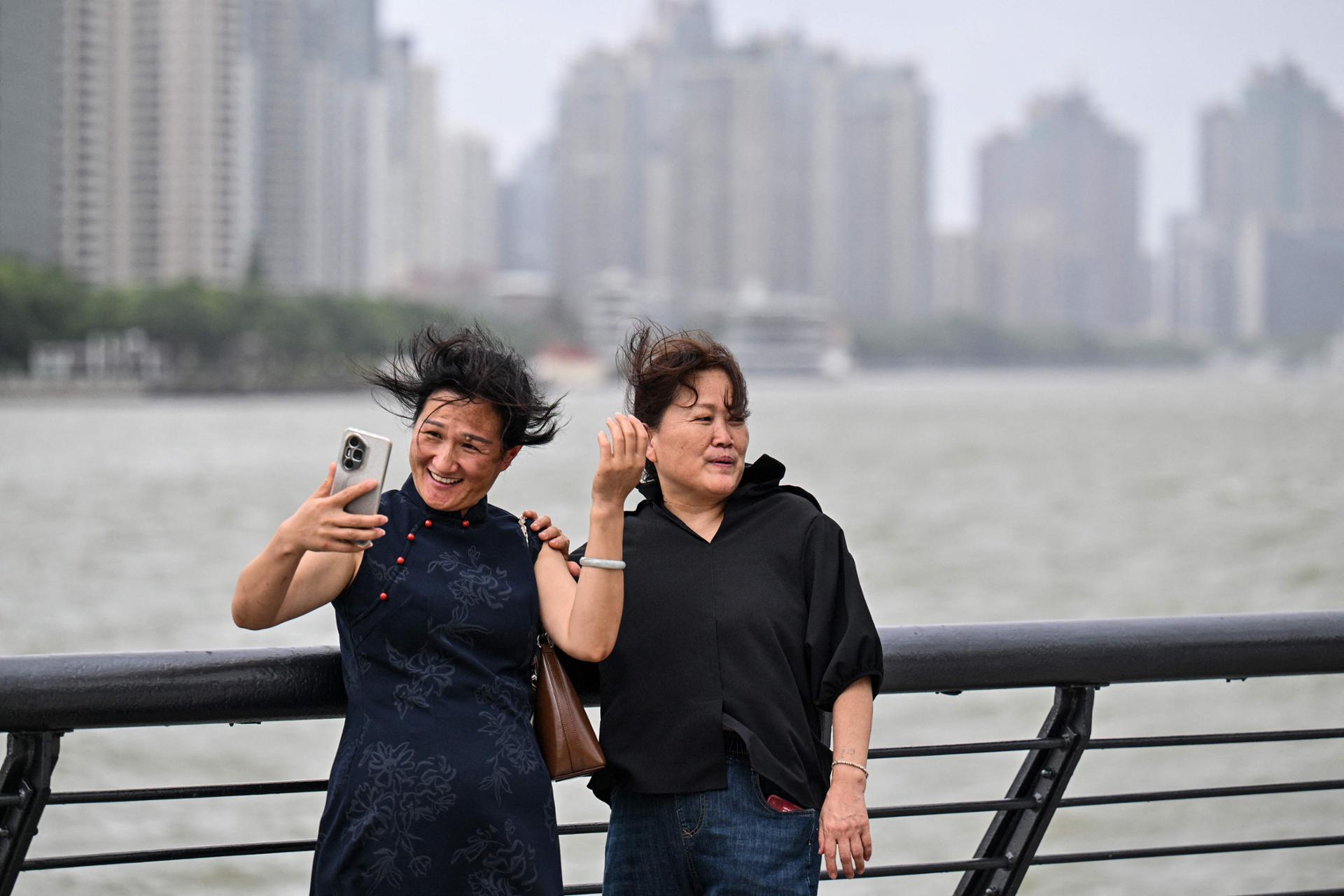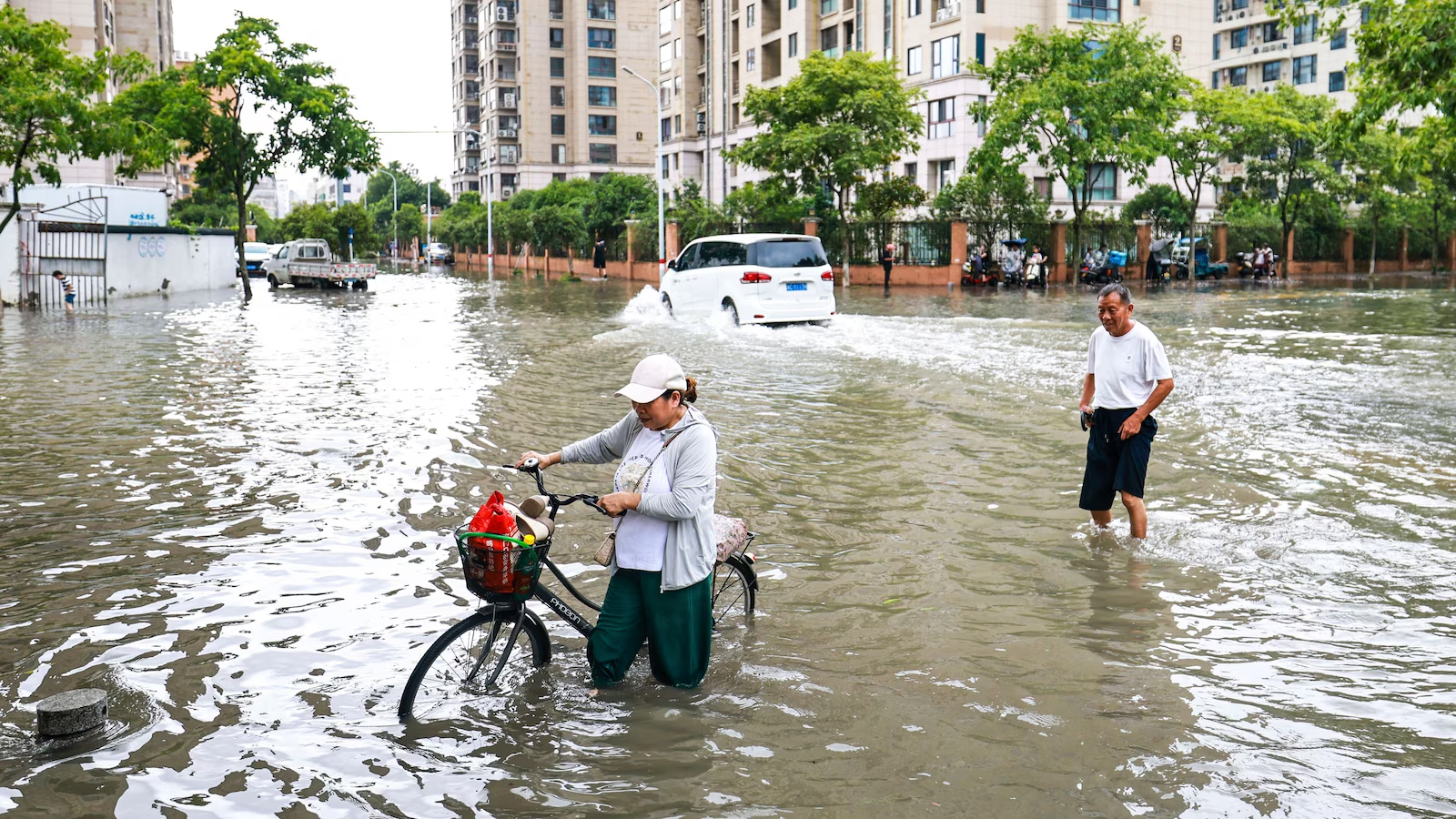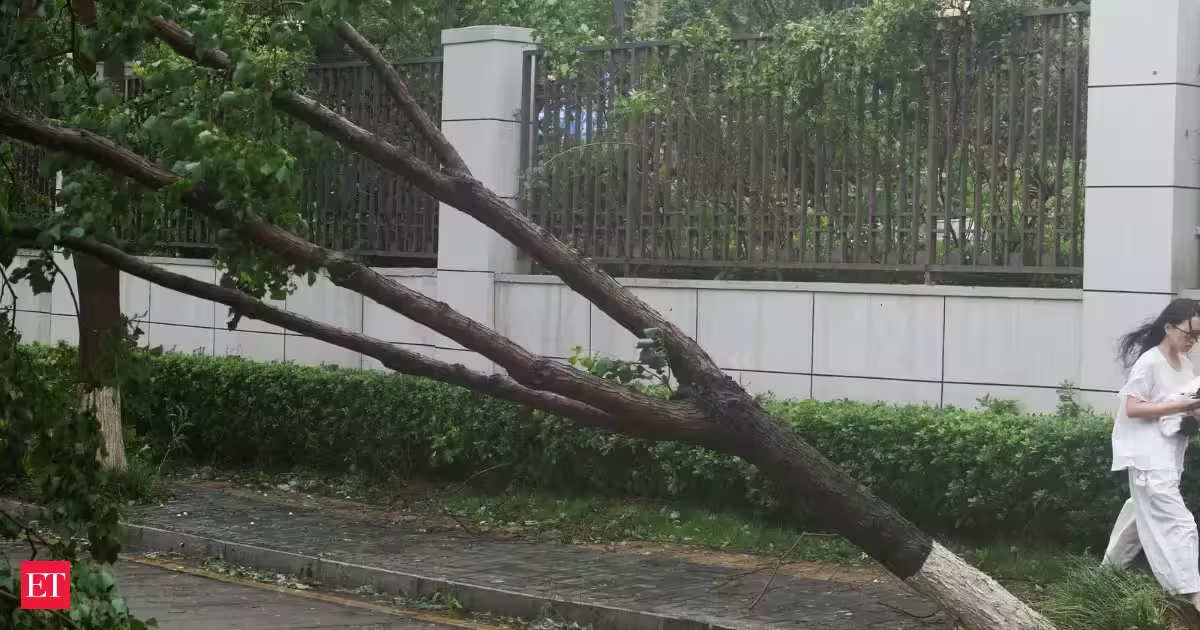
Public radio’s longest-running daily global news program.AboutContactDonateMeet the TeamPrivacyTerms of use©2026 The World from PRXPRX is a 501(c)(3) organization recognized by the IRS: #263347402.Typhoon Bavi bears down on ChinaOne of the strongest storms so far this year, Typhoon Bavi, slammed into China over the weekend. Cities along the eastern coast were battered by fierce winds and driving rain. Bavi has now moved inland and has been downgraded to a tropical storm, but during the days it was rated as a Category 5, it left a trail of destruction across the western Pacific. Ashish Valentine reports from Taipei.4:26Waves crash on the shore ahead of Typhoon Bavi in Qingdao in eastern China’s Shandong province, Sunday, July 12, 2026One of the strongest storms recorded this year, Typhoon Bavi, is bearing down on China after sweeping through the Pacific. It’s brought on flooding and landslides throughout China, Taiwan and the Philippines. A correspondent for China Blue News, Liu Siqi, was reporting along the coast of Taizhou in eastern China when she was almost swept off her feet by a storm surge as the typhoon made landfall. Huge waves crash on the coastline ahead of Typhoon Bavi in Wenling in eastern China’s Zhejiang province, Friday, July 10, 2026. Chinatopix via APNearly two million people have been evacuated across eastern China as Typhoon Bavi lashes the country with heavy rains, winds and flooding in several areas. It’s the second strong storm to hit China in just over a week. Southwestern Guangxi province is still reeling from Typhoon Maysak which caused 39 deaths — and unleashed hundreds of snakes into floodwaters when the storm destroyed breeding farms in the city of Hengzhou. Videos posted to Chinese social media showed men wading through the floodwaters, sometimes catching the snakes with their bare hands. Local and central governments in China and Taiwan are used to dealing with typhoons. They make preparations ahead of time and preventively evacuate people from disaster prone areas. In Taiwan, local government buildings like schools or community gyms often double as typhoon shelters. Two women smile and hold umbrellas in the rain caused by Typhoon Bavi in Taichung, Central Taiwan, Saturday, July 11, 2026. (AP Photo/)Chiang Ying-ying/APIn China, several state media outlets reported that authorities opened thousands of emergency shelters across Zhejiang province. So far, China hasn’t reported any deaths due to Typhoon Bavi, although 17 people lost their lives in the Philippines due to flooding and landslides. Taipei, the capital city of Taiwan, was largely spared the worst of the storm. Chen Yu-chen, a 24-year-old teacher, spent some time indoors before deciding the storm was weak enough for him to join a Pokémon Go event at Taipei’s main train station. He’d been looking forward to it all week. Chen Yu-chen made it out despite the weather to participate in the 10th-anniversary celebration of Pokémon Go.Ashish Valentine/The WorldHe was there alongside about 300 other people, fighting a rare high-powered version of the Pokémon Mewtwo. As he unleashed heavy attacks on Mewtwo to weaken his shields, however, he wasn’t too happy about his teammates’ performance. “If everyone did what they were supposed to,” defeating Mewtwo wouldn’t take such a long time, Chen said. “But if people are not using their Pokémon as wisely, it can take several minutes.” A young person playing Pokémon Go, battling Mewtwo, during the special event. Ashish Valentine/The WorldChen was worried at first about coming out during the typhoon, given the government’s warnings. “Before it hit the island it was really big, but now after it hit, it kind of settled down a bit,” Chen said. Feng Xiang-bo, a research scientist specializing in tropical cyclones with a joint appointment at Imperial College London and the University of Reading, says the reason many people felt safe enough to go out and play Pokémon Go during the storm is that Taiwan got very lucky. “If Typhoon Bavi had moved a bit to the south, it could have led to catastrophic damage from heavy rainfall and strong wind,” Feng said. A Pokémon Go player at Taipei Main Station in Taiwan.Ashish Valentine/The WorldFeng says the storm, which was roughly the size of France and at one point was at Category 5 strength, has had a much worse impact in China. “By the time it made landfall, Typhoon Bavi had actually weakened to the equivalent of a Category 1 hurricane,” Feng said. “However, one of Bavi’s most notable features is its exceptionally large size, nearly twice that of a typical hurricane.” Warmer ocean temperatures from climate change can make storms more intense, he said, and warmer air can also hold more moisture, making severe rainfall more likely. Chad Merrill, a senior meteorologist with AccuWeather, said Bavi likely won’t be the last strong storm this year. “There could be typhoons in the West Pacific all the way to December,” Merrill said. “So we could have a ways to go before the West Pacific typhoon season quiets down.”As the climate heats up, and the risk of extreme storms grows, governments across the region are racing to adapt to the new reality.
Typhoon Bavi bears down on China - The World from PRX
One of the strongest storms so far this year, Typhoon Bavi, slammed into China over the weekend. Cities along the eastern coast were battered by fierce winds and driving rain. Bavi has now moved inland and has been downgraded to a tropical storm, but during the days it was rated as a Category 5, it left a trail of destruction across the western Pacific. Ashish Valentine reports from Taipei.
842 words~4 min read