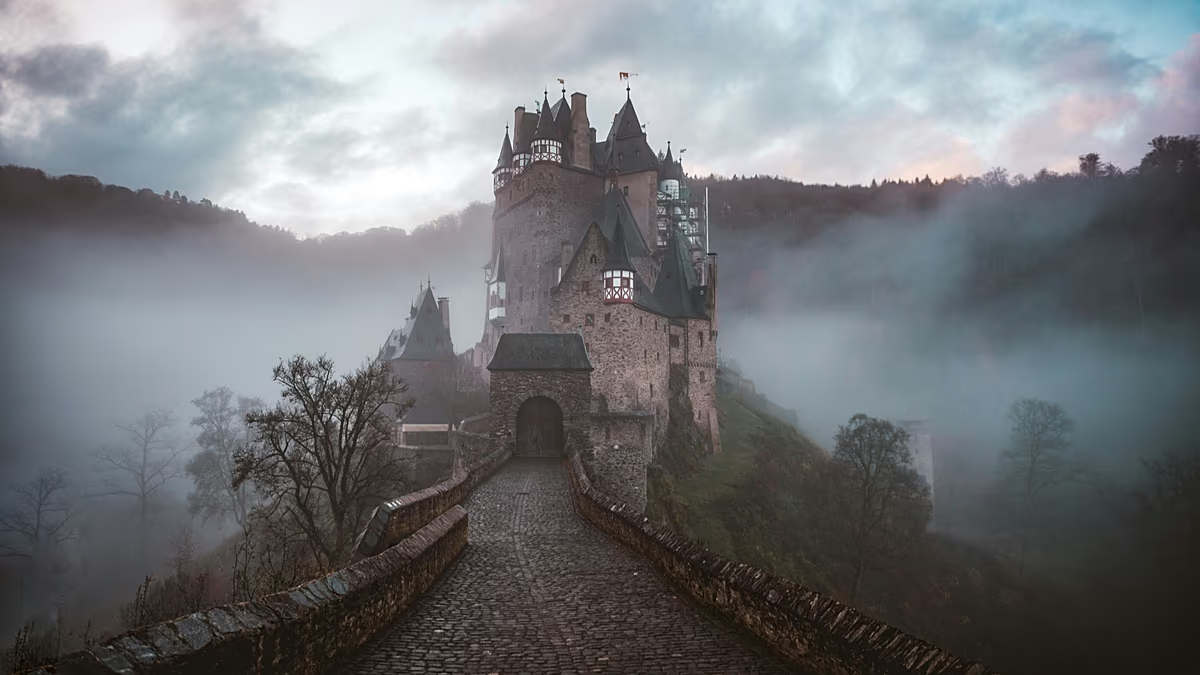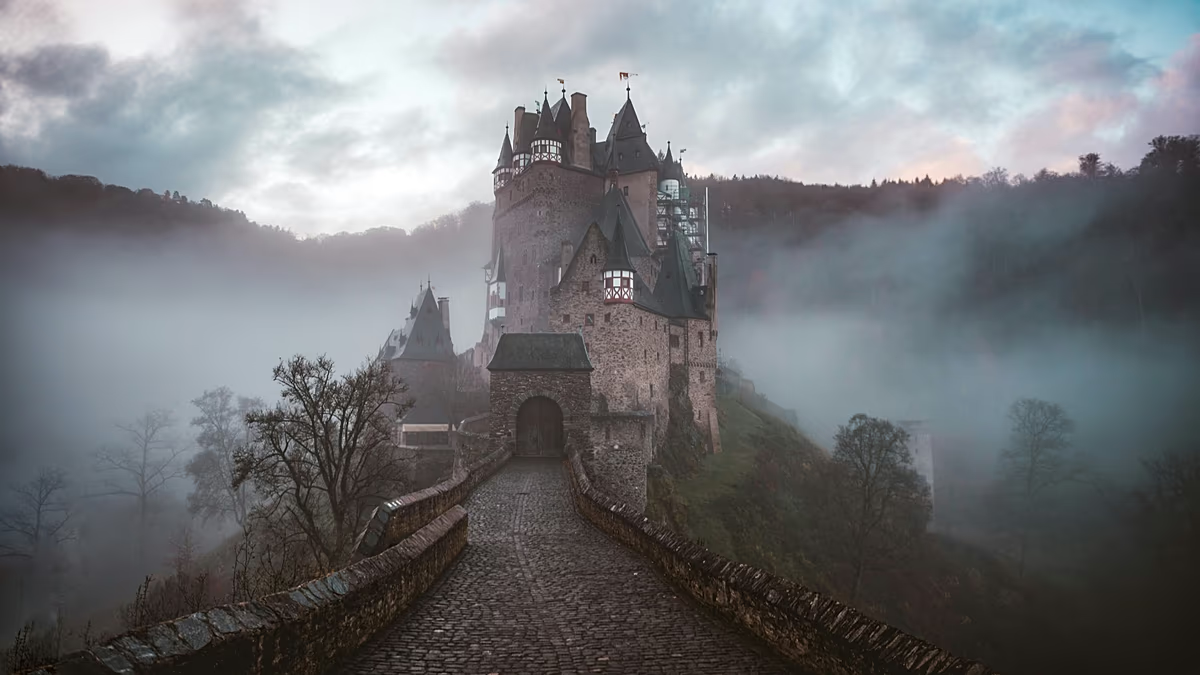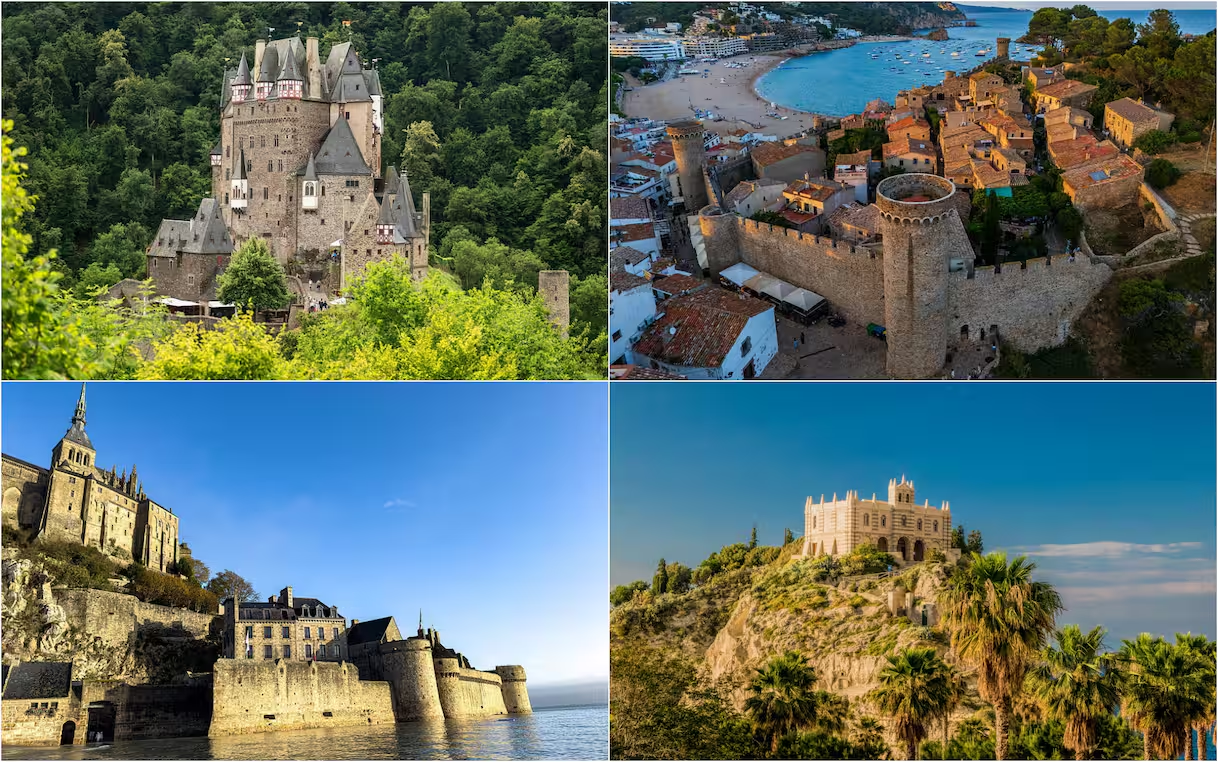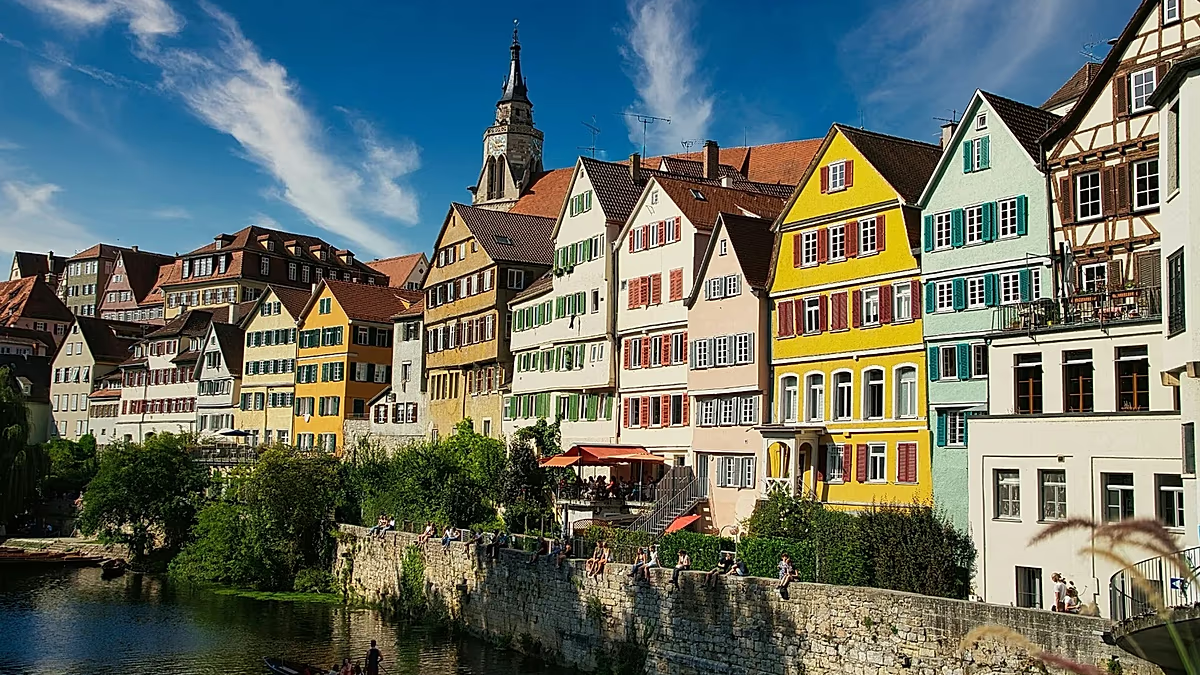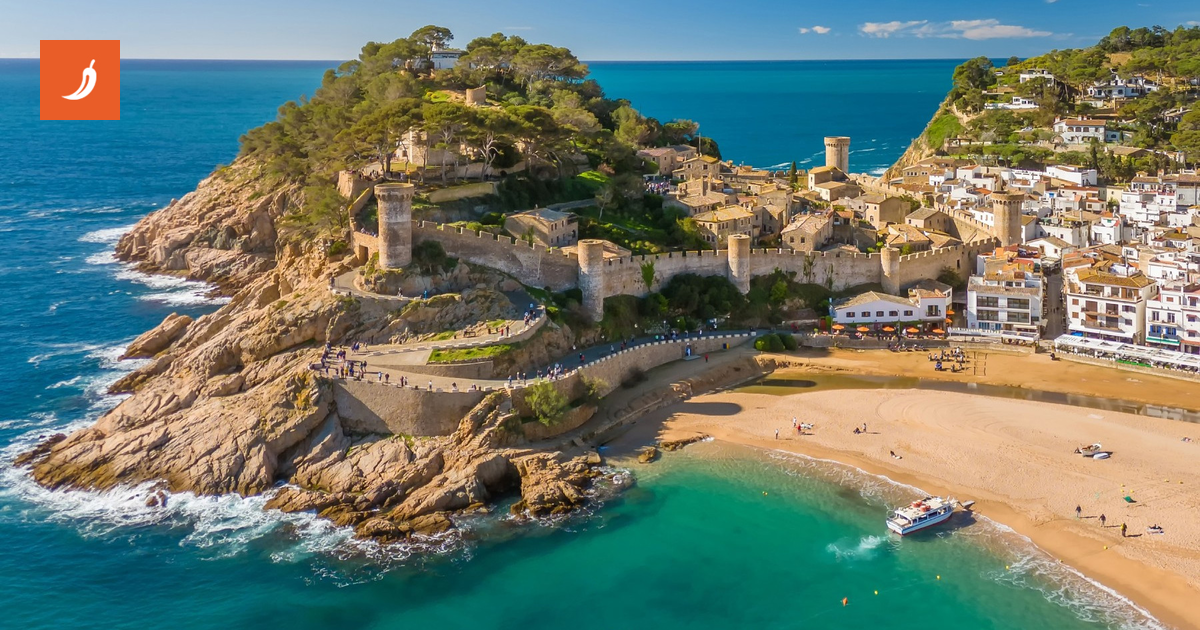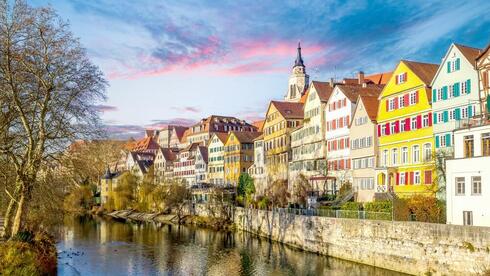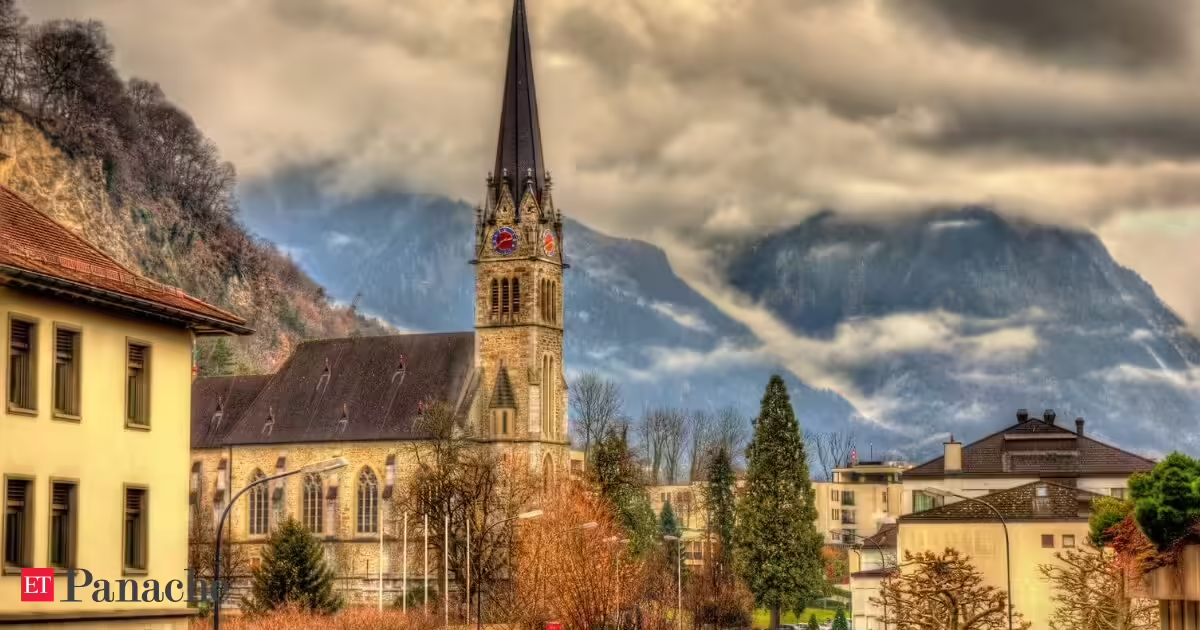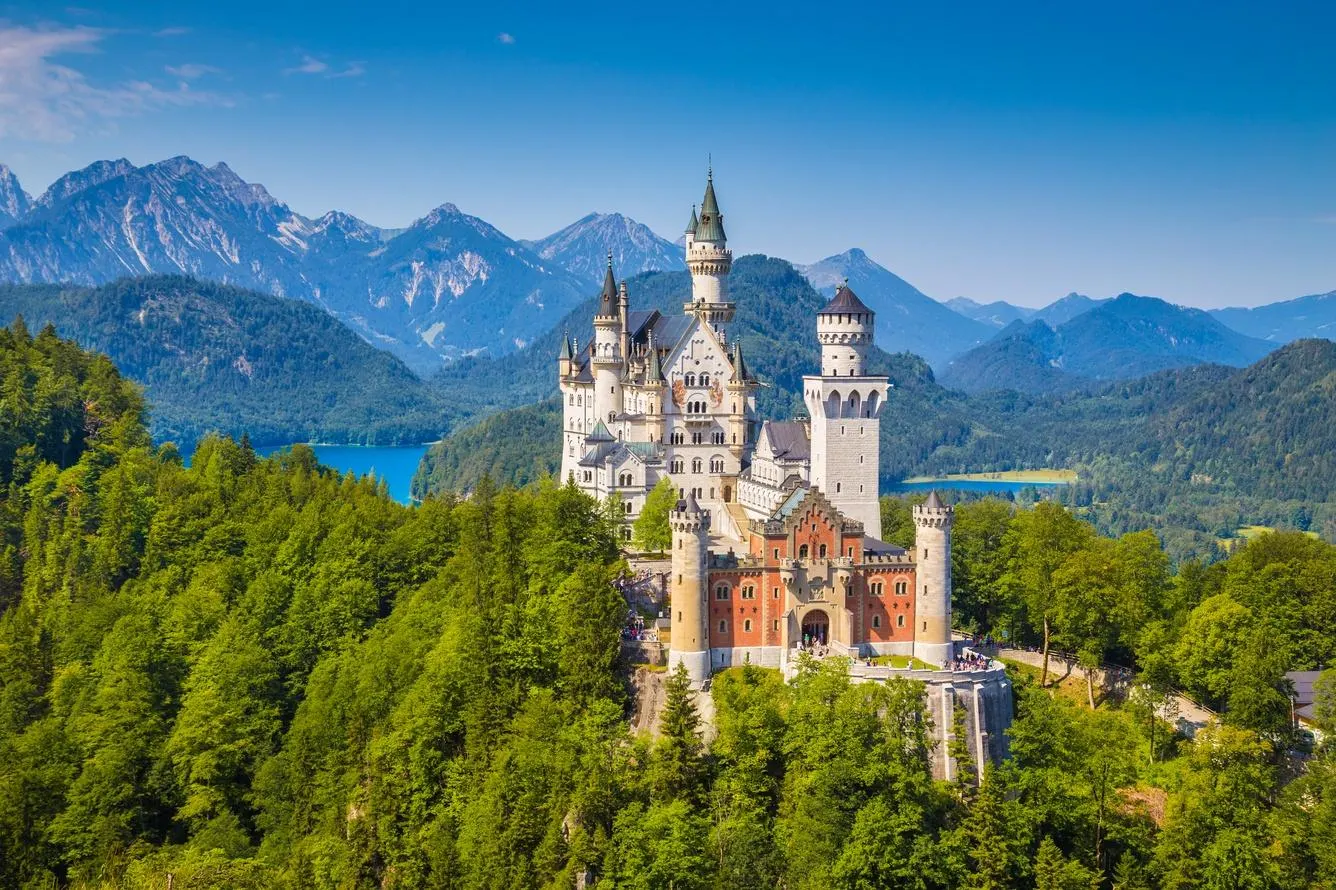
Neuschwanstein Castle near Füssen in Bavaria, Germany.gettyAt first, some of these places seem almost unreal. There is a castle above a German forest, an abbey isolated by the tide, and a village of crooked timber houses glowing with Christmas lights. But these are not movie sets, people still live and work here, among buildings, streets, and landscapes shaped over centuries.European Best Destinations has revealed its 2026 ranking by mixing expert choices with traveler opinions. The team and their media partners started with over 4,200 places across Europe and narrowed it down to 68, looking at things like atmosphere, beauty, history, originality, visitor experience, and culture. Then, travelers picked their top three favorites, giving three, two, and one point. The 17 places with the most points, or the top quarter of the list, were published.I spoke with Maximilien Lejeune, CEO of European Best Destinations, who said: “Europe is the world’s largest open-air storybook. Beyond its iconic capitals, travelers can discover colorful villages, fairytale castles, enchanted forests and hidden destinations that spark wonder and creativity. These places remind us that travel is not only about seeing new landscapes, it is about awakening our imagination, finding inspiration, and reconnecting with the stories, legends and heritage that shaped our common identity.”The 2026 shortlist features 12 new destinations. For the first time, Riga and Craiova are included in the final ranking, which combines prominent landmarks with less-anticipated selections. I have also provided a curated selection of accommodations to enhance your visit.Eltz Castle on the hills above the Moselle River.getty1. Eltz Castle, GermanyEltz Castle has overlooked the wooded hills near the Moselle River for over 800 years and is still one of Germany’s best-preserved medieval castles. The Eltz family has owned it since the 12th century, and unlike many other European castles, it was never destroyed in war. Its towers rise above the trees, but this was always a family home, not a royal palace. Inside, you’ll find furnished rooms, armor, tapestries, and silverware. WHERE TO STAY: Hotel Villa Vinum Located near the castle, this small country hotel offers twelve rooms and suites right on the Moselle River. Some rooms offer direct views of the river.Mont Saint-Michel view at sunrise.getty2. Mont-Saint-Michel, FranceMont-Saint-Michel is a tidal island off the Normandy coast, known for its Benedictine abbey and medieval village, which are linked to the mainland by a causeway. As a UNESCO World Heritage Site, it draws millions of visitors each year. The island is at its most beautiful early in the morning or late in the day, when the streets are peaceful and the spire rises against the sky. WHERE TO STAY: L’Auberge de la Mère PoulardThis historic inn is the nearest place to stay on the island’s Grande Rue. Its famous restaurant once welcomed Ernest Hemingway and Pablo Picasso, and it is known for its hand-beaten omelets. Staying overnight lets you enjoy Mont-Saint-Michel after the crowds have gone. You might also consider the highly rated Hotel Ermitage. With only seven rooms, housed in a 19th-century stone villa, it is described by the owners as “the smallest five-star hotel in Europe.”Night view of ancient fortress and Badia de Tossa bay in Tossa de Mar on Costa Brava.getty3. Tossa de Mar, SpainTossa de Mar shows both sides of the Costa Brava: a medieval walled town perched on a rocky promontory with a beach resort below. The Vila Vella, with its 12th-century walls and watchtowers, still stands above a curve of sandy beach. Marc Chagall called it “Blue Paradise,” and artists are still drawn here for the bright light and sea views. If you walk through the old quarter early in the day, before the beaches get busy, you can still spot signs of the old fishing village.WHERE TO STAY: Hotel DianaThis 19th-century villa sits right on the seafront promenade, offering terrace views of the Vila Vella. Its central spot makes it easy to explore both the old town and the beach.The Dark Hedges is an avenue of beech trees famous for appearing in the series Games of Thronesgetty4. The Dark Hedges, IrelandThe Stuart family planted the Dark Hedges in the 18th century to create a grand entrance to their Georgian estate. Today, the beech trees form a winding tunnel along Bregagh Road in County Antrim. Game of Thrones fans might recognize it as the King’s Road, but its haunting beauty has been around for centuries. Try to visit early in the day before the crowds arrive, then head along the Causeway Coast to see Giant’s Causeway and Dunluce Castle.WHERE TO STAY: Bushmills InnThis restored 17th-century coaching inn features cozy peat fires, gas lamps, and a hidden whiskey bar. It’s full of charm and makes a great base for exploring the Causeway Coast.Riga Old Town, Latvia, aerial view of the city & churchgetty5. Riga, LatviaRiga isn’t the postcard-perfect fairytale city you might expect. Its Old Town feels a bit more chaotic, with medieval guild houses, narrow lanes, and church spires that never seem to line up for a photo. But if you walk a few blocks further, you’ll find one of Europe’s best collections of Art Nouveau architecture.Begin your visit at the House of the Black Heads in Town Hall Square, then climb St. Peter’s Church. The view from the top, with red rooftops stretching toward the Daugava River, makes the effort worthwhile. After sunset, the old center grows quiet, and the buildings glow dramatically against the night.WHERE TO STAY: Grand Hotel Kempinski RigaFacing the Latvian National Opera at the edge of the Old Town, the Grand Hotel Kempinski Riga is one of the city’s leading luxury hotels. Its rooftop restaurant, spa, and indoor pool offer a quiet retreat after a day walking the cobblestone streets.Neuschwanstein Castle, Bavariagetty6. Neuschwanstein Castle, GermanyNeuschwanstein is the castle that most people picture when they think of a fairytale palace. King Ludwig II built it in the 1870s on a rocky hill above Füssen, drawing inspiration from Wagner, medieval legends, and his own outrageous imagination. He only lived there for 172 days before he died in 1886. Inside, the throne room, Singer’s Hall, and the detailed bedroom are just as dramatic as the outside. The famous view from Marienbrücke, which stands high above the gorge, makes the climb worthwhile.WHERE TO STAY: AMERON Neuschwanstein Alpsee Resort & SpaThis lakeside resort is set below the castles in the Alpsee area and offers a spa, indoor pool, and mountain views. It is one of the most convenient and comfortable places to stay if you want to visit Neuschwanstein.Rothenburg-ob-der-Tauber, Germanygetty7. Rothenburg-ob-der-Tauber, GermanyRothenburg ob der Tauber is the most famous stop on Germany’s Romantic Road, and it’s easy to see why. The old town is still surrounded by its original walls, with narrow streets lined with half-timbered houses, towers, and small squares that look much as they did centuries ago. The Plönlein, a crooked timbered house between two towers, is now a symbol of German tourism. Rothenburg feels magical at Christmas, but a walk in the evening makes it worth visiting any time of year.WHERE TO STAY: Hotel EisenhutHotel Eisenhut is set in four old patrician houses and features rooms filled with antiques, carved staircases, and vaulted dining rooms. Guests stay right in the heart of the old town.Aerial view of church of Assumption in Lake Bled, Sloveniagetty8. Bled, SloveniaLake Bled is Slovenia’s most famous landscape. This clear Alpine lake is surrounded by forests and mountains, with a church on an island in the middle and Bled Castle perched on a cliff above. Visitors can ride traditional pletna boats to the island, where ringing the wishing bell is believed to bring good luck. The castle, which dates back to the 11th century, offers wide views of the Julian Alps. WHERE TO STAY: Grand Hotel TopliceGrand Hotel Toplice, which opened in 1931, is still Bled’s classic lakeside hotel. Guests enjoy panoramic views, easy access to the lake for swimming, and a traditional style of service that matches the atmosphere.Riquewihr village in Francegetty9. Riquewihr, FranceRiquewihr is one of the best-preserved villages along the Alsace Wine Route. Its Renaissance walls, colorful half-timbered houses, flower-filled courtyards, and old fountains have not changed since the 16th century. The area is known for its wine, with Riesling and Gewürztraminer producers nearby. In autumn, when the vineyards turn golden, the village looks magical.WHERE TO STAY: Hôtel & Spa Le SchoenenbourgLe Schoenenbourg, located in the heart of the village, offers rooms with views of the vineyards, a spa, and an impressive wine list. It is a comfortable place to stay while exploring the Route des Vins.The famous Christmas Market in historical Oltenia.getty10. Craiova, RomaniaCraiova might not be the first place you think of for a fairytale destination, but that’s exactly what makes it special. This city in southwestern Romania features grand 19th-century buildings, wide squares, and the Jean Mihail Palace, which houses the Craiova Art Museum and works by Constantin Brâncuși. One of the most magical spots is Nicolae Romanescu Park, a large Belle Époque landscape with winding paths, a suspension bridge, an artificial lake, and a small castle hidden among the trees. In December, the city’s central squares light up with elaborate displays, giving Craiova a true storybook feel.WHERE TO STAY: Hotel Boutique 5 ContinentsHotel Boutique 5 Continents, located in a restored historic villa near the city center, offers a stylish alternative to Craiova’s bigger hotels. Each room has its own design, and you can easily walk to the main squares and the art museum from here.Orcus Mouth, Gardens of Bomarzogetty11. Orcus Mouth, Gardens of Bomarzo - ItalyThe Sacred Grove of Bomarzo, found in northern Lazio, stands out as one of Italy’s most unusual fantasy gardens. Built for the Orsini family in the 1500s, it breaks away from the neat patterns of typical Renaissance gardens. Here, you’ll see giant stone creatures rising from the rocks and plants, like an elephant crushing a soldier, a dragon battling lions, and the well-known Orcus Mouth, a massive stone face with a room inside its open jaws. The garden was meant to surprise visitors, and it still has that effect today.WHERE TO STAY: La GabellettaFounded as an inn in the 1700’s on the border between a castle and a city, La Gabelletta is one of the most ancient accommodations in Umbria. It has a pool, a wine cellar, and a terrace for outdoor meals. This peaceful spot is a great choice if you prefer to stay somewhere quiet instead of a busy town after seeing Bomarzo.View of the famous Popeye village in Malta.getty12. Popeye Village, Mellieha - MaltaPopeye Village was built in 1979 for Robert Altman’s film Popeye, starring Robin Williams. The set remains today, with its colorful wooden buildings lining the rocky cove at Anchor Bay. It feels playful, cheerful, and charming. Mellieħa also offers beaches, sand dunes, a bird reserve, and views of Gozo. The town is quieter than many of Malta’s busier resorts.WHERE TO STAY: Solana Hotel & SpaThe Solana sits above Mellieħa Bay and offers pools with sea views, a spa, and easy access to the town and nearby beaches. It’s a convenient place to stay while exploring northern Malta.Downtown Prague city skyline, old town cityscape in Czech Republic.getty13. Prague, Czech RepublicPrague has a magical atmosphere, with much of its historic center still intact since before the Second World War. On both sides of the Vltava River, you can see a mix of medieval, Baroque, and Art Nouveau buildings. Prague Castle rises above Malá Strana, Charles Bridge is lined with statues of saints, and Old Town Square is famous for its medieval astronomical clock. The city is also known for its excellent restaurants, concert halls, and a rich literary history shaped by writers like Kafka, Havel, and Kundera.WHERE TO STAY: Four Seasons Hotel PragueThe Four Seasons sits in several historic buildings from 1568, located along the Vltava River and offering magical views of Prague Castle.Traditional houses along the river in Kaysersberg, France.getty14. Kaysersberg, FranceKaysersberg village lies where the Weiss River meets the Alsace Wine Route, with the ruins of an old imperial castle overlooking the town and a medieval bridge crossing below. Albert Schweitzer was born here in 1875, and you can visit his birthplace, which is now a museum. The Christmas market is especially charming, with lanterns hanging between the timbered houses, but Kaysersberg is worth visiting at any time of year.WHERE TO STAY: Le Chambard HotelChambard is one of the top hotels in Alsace, offering Michelin-starred dining, modern rooms, and an underground spa. Its central spot means you can enjoy Kaysersberg once the daytime crowds have gone.Alcazar of Segovia castleDe Agostini via Getty Images15. Alcazar Castle, Segovia - SpainThe Alcázar of Segovia looks like a storybook castle, with its narrow prow, blue-slate turrets, and dramatic spot on the edge of a cliff. Many say its shape inspired Disney’s Cinderella Castle. It started as a fortress and was later turned into a royal palace by Castilian monarchs. The throne room and armory are among the best examples of medieval interiors in Spain.WHERE TO STAY: Hotel Infanta IsabelThis 19th-century hotel sits on Segovia’s cathedral square and offers rooms with balconies that look out over the plaza and the Gothic spires. It has a traditional style, a central location, and fits well with the character of the city. Also consider Aurea Capuchin Convento, a 62-room hotel in a former monastery in the old town of Segovia, next to the Plaza Mayor and the Cathedral.Church of Santa Maria dell'Isola in Tropea, a seaside resort located on the Gulf of Saint Euphemia,getty16. Santa Maria dell’Isola, Tropea, ItalySanta Maria dell’Isola is a monastery that sits on a rocky outcrop just below the clifftop town of Tropea and is one of Calabria’s most iconic sights. Tropea itself is filled with faded Baroque palaces, colorful churches, and old aristocratic homes. Down by the sea, you’ll find white sand beaches, striking rock formations, and crystal-clear water. The town’s menus often feature the famous Cipolla Rossa di Tropea, a sweet red onion that’s a staple in Calabrian cooking.WHERE TO STAY: Hotel Rocca della SenaThis small 15-room boutique hotel offers wide sea views, terraces perfect for watching the sunset, and a private stairway down to the beach. The rooms are bright and modern, each with its own balcony.Palace of Pena in Sintra. Lisbon, Portugalgetty17. Sintra, PortugalLord Byron called Sintra’s hills a “glorious Eden,” and it’s easy to see why. Just west of Lisbon, this UNESCO World Heritage site combines royal palaces, Moorish ruins, romantic follies, and subtropical gardens, all set in the cool mist of the Serra de Sintra. The most famous landmark is Pena Palace, with its bright yellow and ochre towers, Islamic arches, Gothic touches, and Manueline windows, all commissioned by Ferdinand II. Quinta da Regaleira is almost as fascinating, with its initiation well, grottoes, and underground tunnels. WHERE TO STAY: Valverde Sintra Palácio de SeteaisValverde Sintra Palácio de Seteais is located in an 18th-century neoclassical palace. It features formal gardens, views of the Moorish Castle and Pena Palace, a pool terrace, and elegant dining. This hotel fits perfectly in a town known for its palaces.These places are not perfect. During peak season, you’ll find crowds, souvenir shops, and tourist restaurants. If you visit outside the busiest months, though, you’ll see what makes them special. Europe’s fairytale destinations are real places where history is still visible in the streets, buildings, and landscape.MORE FROM FORBESForbesThe 10 Best Places To Cycle In Europe In 2026—According To New ReportBy Jim Dobson
17 European Destinations That Look Straight Out Of A Fairytale
From turreted castles and cliffside churches to medieval towns and hidden islands, a new ranking from European Best Destinations reveals places that seem lifted from the pages of a storybook.
2,565 words~12 min read