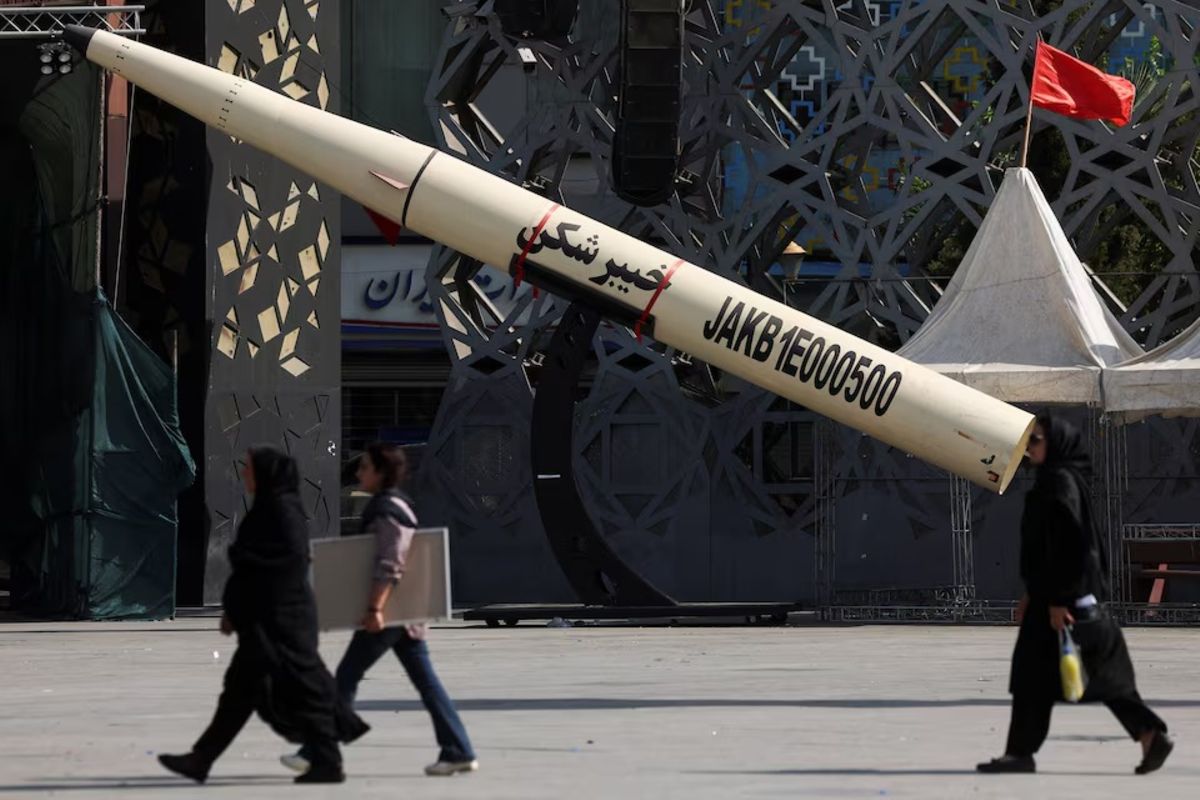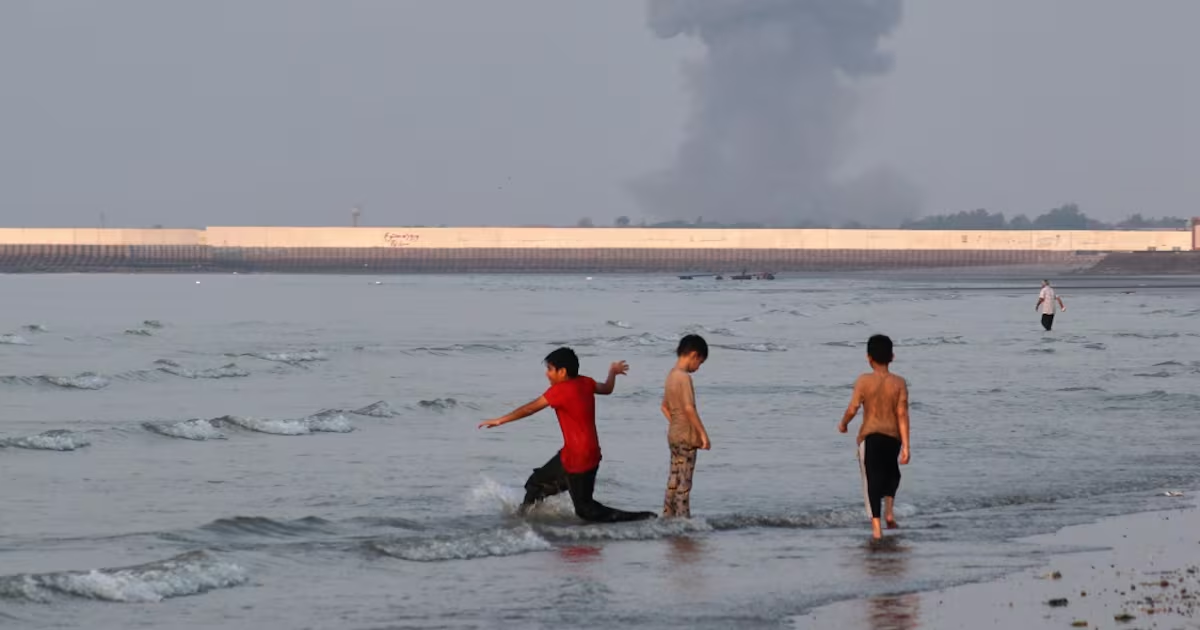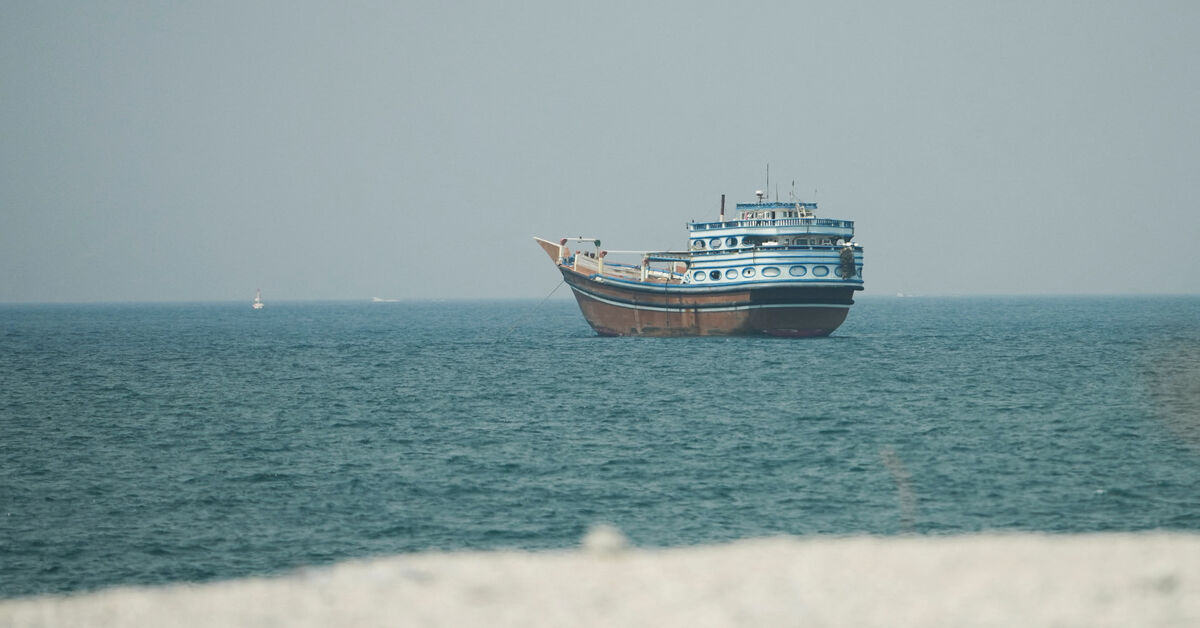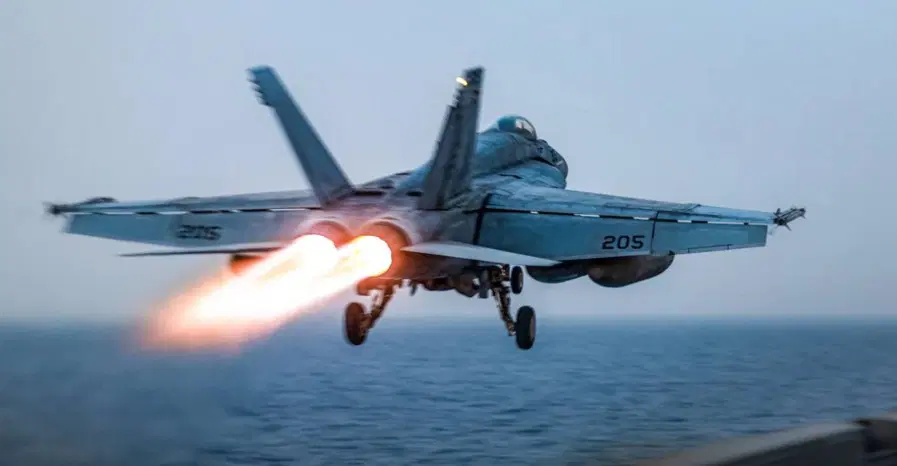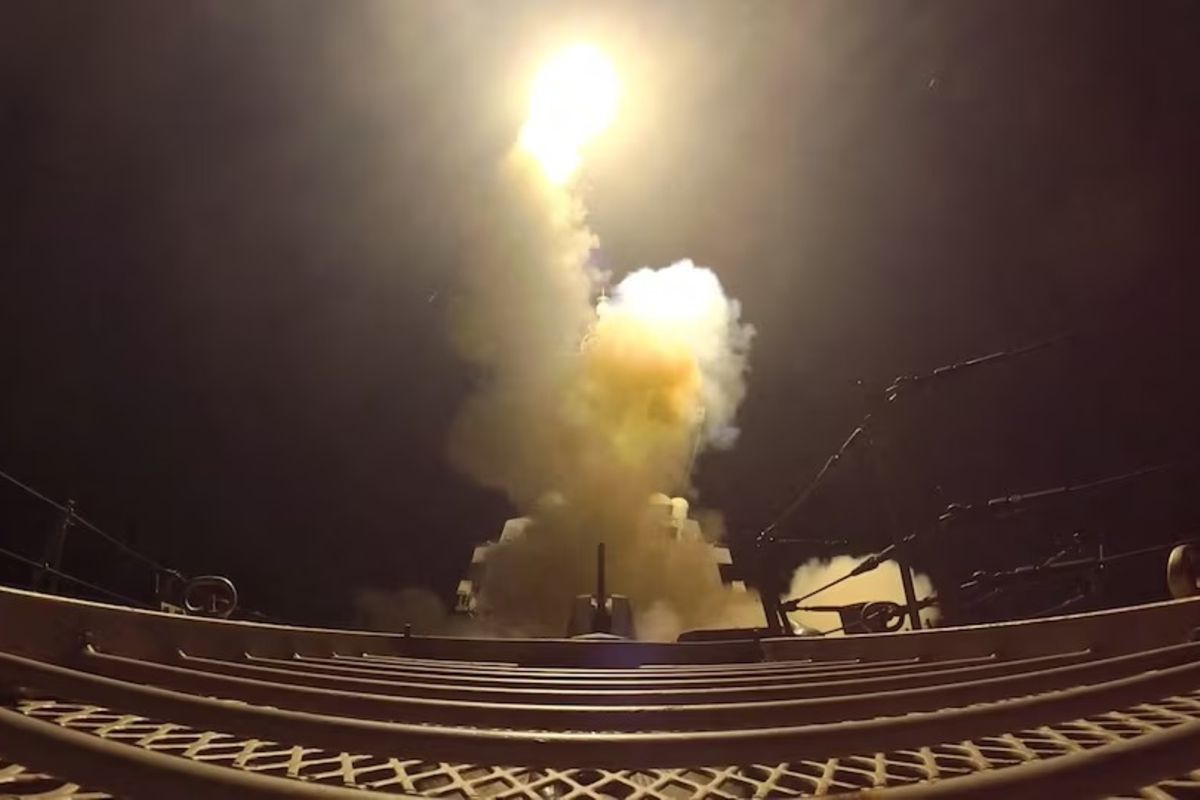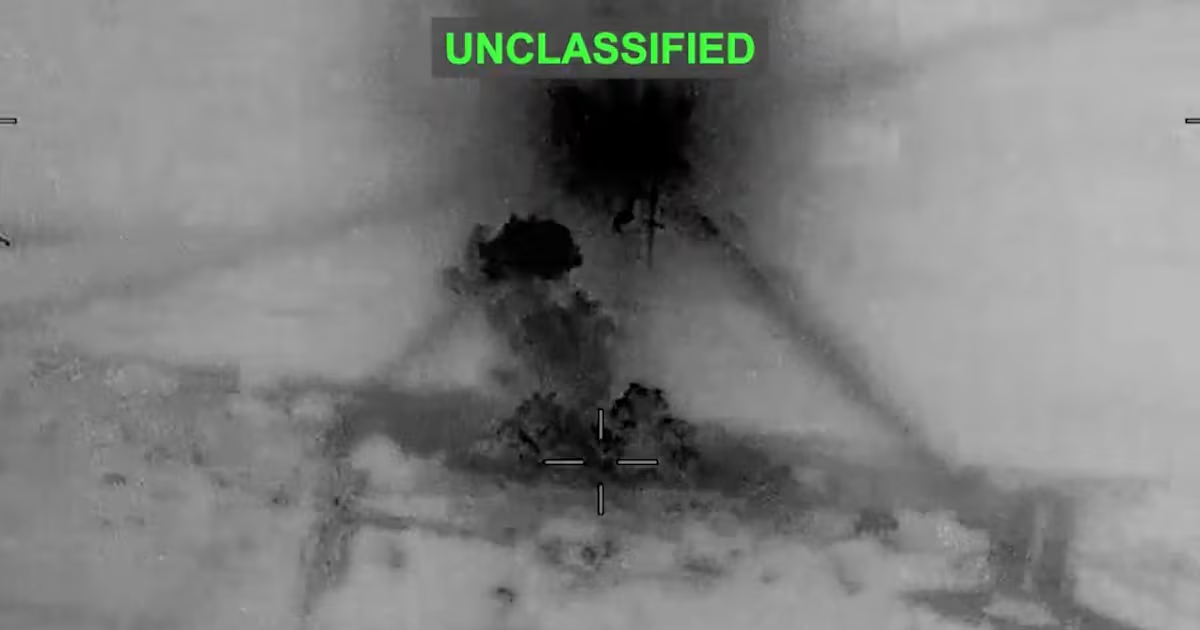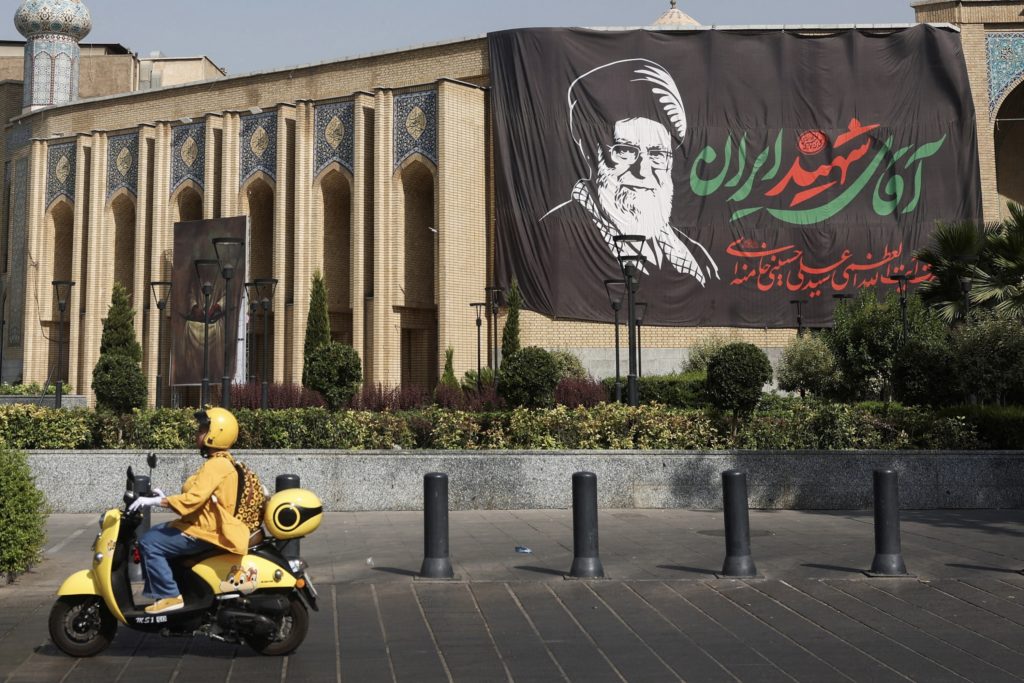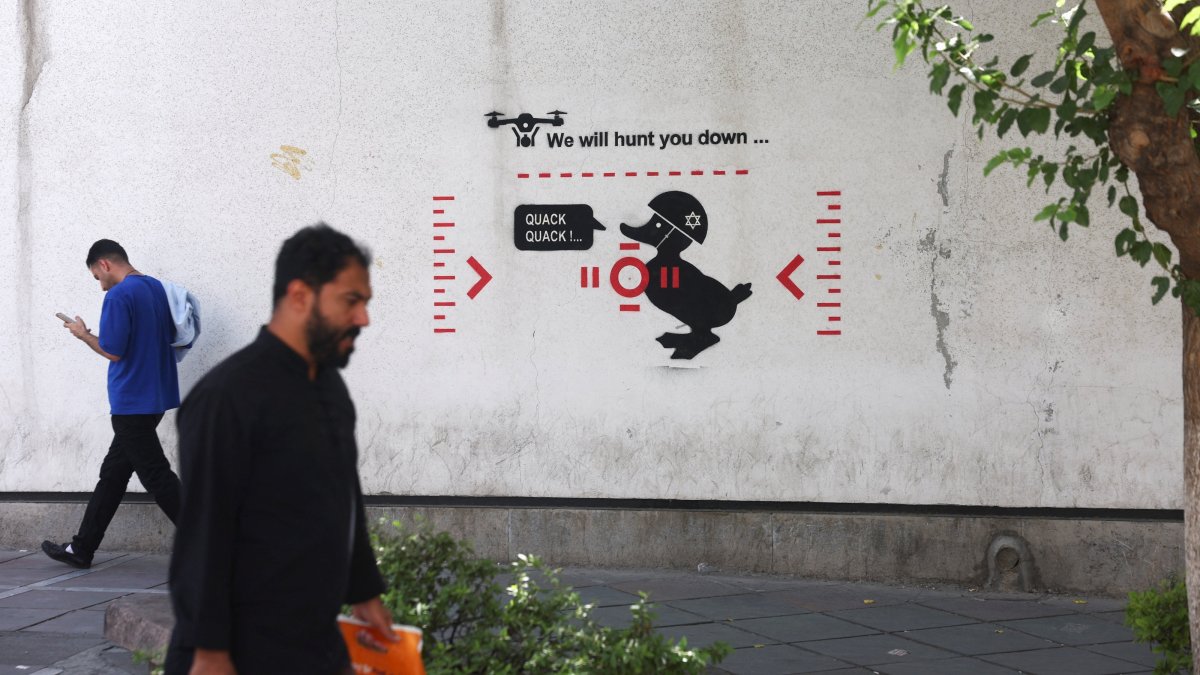
Iran fired ballistic missiles at a U.S. air base in Jordan on Tuesday, prompting the United States to launch five hours of strikes on Iranian targets in a struggle for control of the Strait of Hormuz that has driven oil prices to four-week highs.
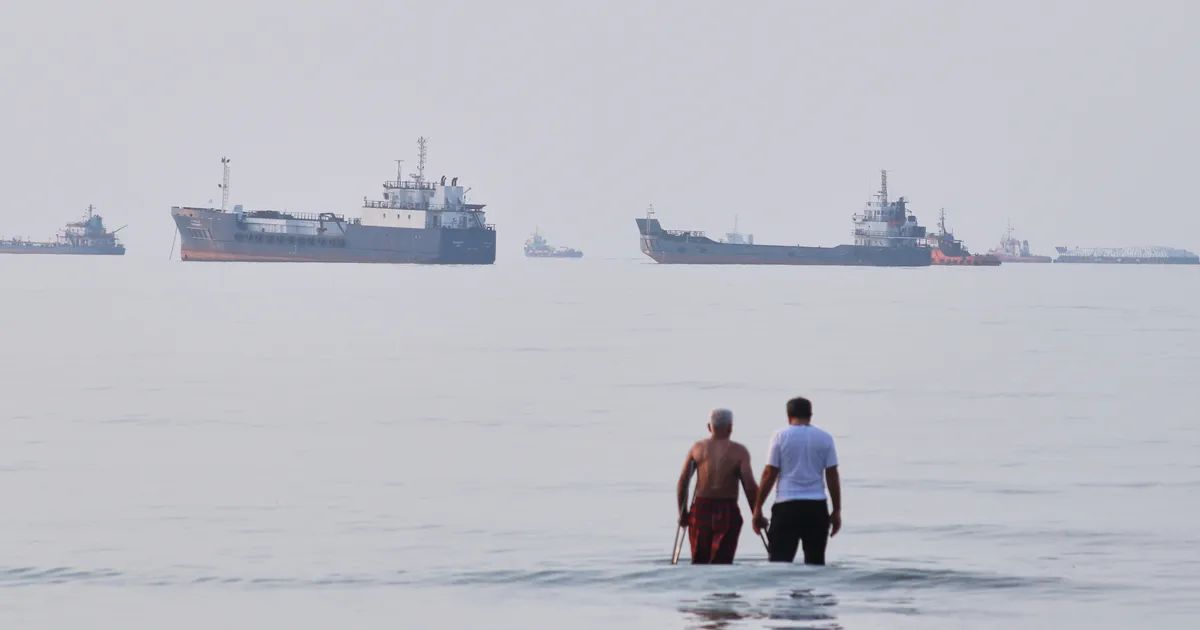
U.S. forces launched waves of attacks for the third successive night after Iran said on Saturday it was closing the strait, prompting U.S. President Donald Trump to reinstate a blockade of Iranian shipping and propose charging a 20% fee to guard the vital waterway.
The strikes have increased doubts that a memorandum of understanding (MoU) signed last month will lead to a permanent halt in the war, which has disrupted global energy supplies and raised fears of rising inflation worldwide.
Regional analysts said the hostilities remained within controlled boundaries for now, with both sides seeking leverage for an eventual peace deal, but that there was still a risk of fighting spinning out of control.
"I doubt the two sides will resume a full war, especially as Trump will suffer – though there is also a distinct possibility that the Iranians will overplay their hand. That is true of Trump too, of course," said Yezid Sayigh, a senior fellow at the Carnegie Middle East Center.