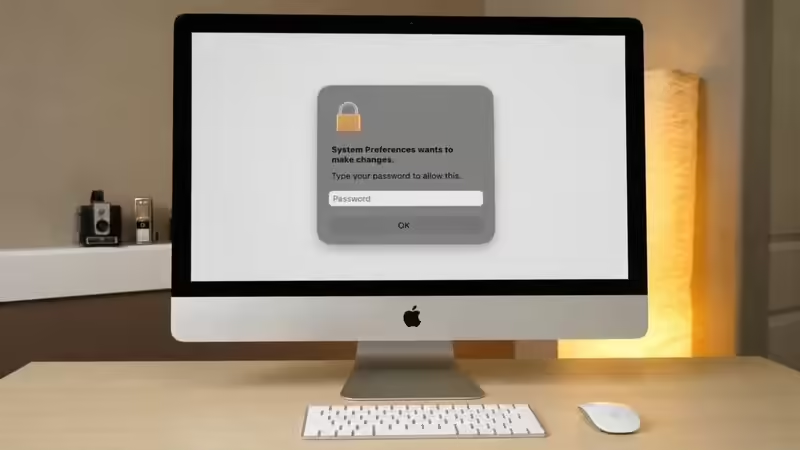
Apple is urging users to treat any suspicious FaceTime call or message as untrusted, especially if it involves payments, refunds, password resets, or requests for personal information.
This warning appears in a broader Apple support article about scams that target iPhone and iPad users through social engineering. Apple says attackers may contact people by phone calls, FaceTime, text messages, or emails while pretending to represent a trusted organization.
The advice comes as many users still delay installing security updates, leaving them exposed even after Apple has released security patches.
Over recent months, we’ve seen a familiar pattern: attackers combine convincing Apple‑branded social engineering with known iOS vulnerabilities, then profit from the gap between “patch available” and “patch installed.”
Criminals have been reported making unsolicited FaceTime calls that look like they come from “Apple Support” or a bank, alongside messages disguised as urgent account alerts or refund offers. Once the victim answers or replies, the script is pretty much standard: