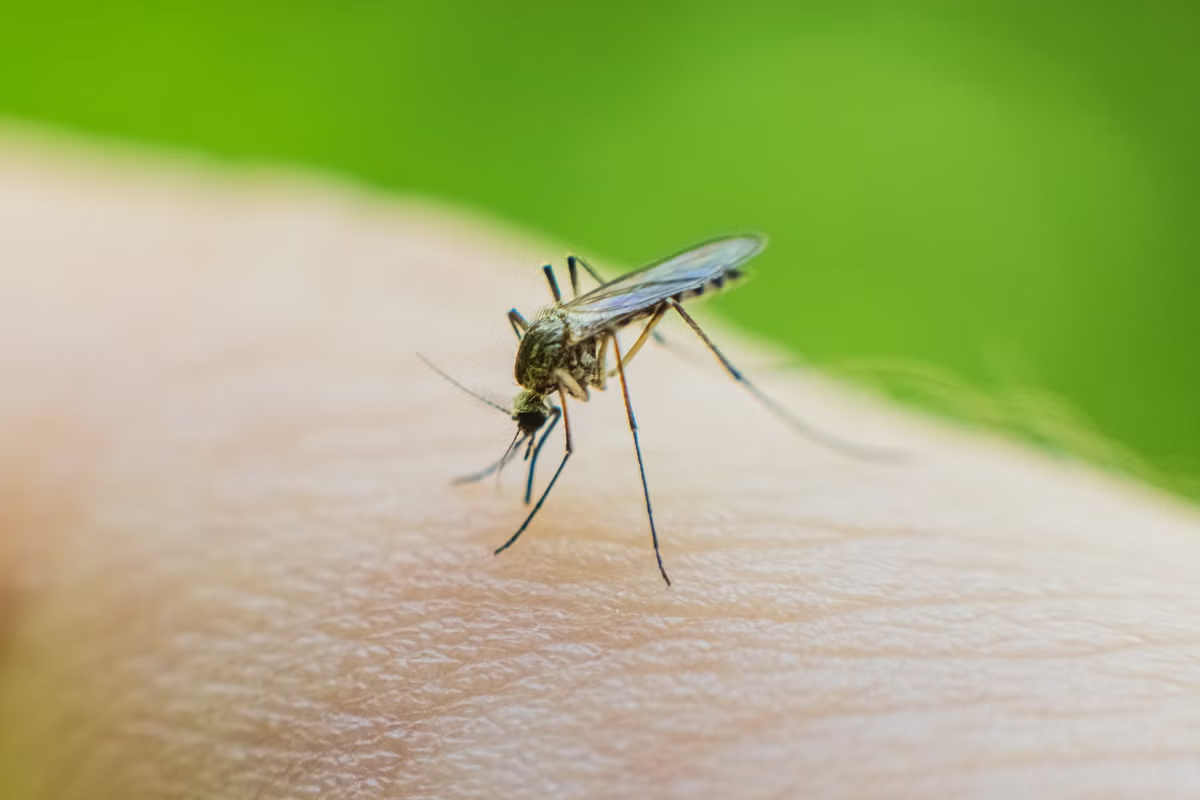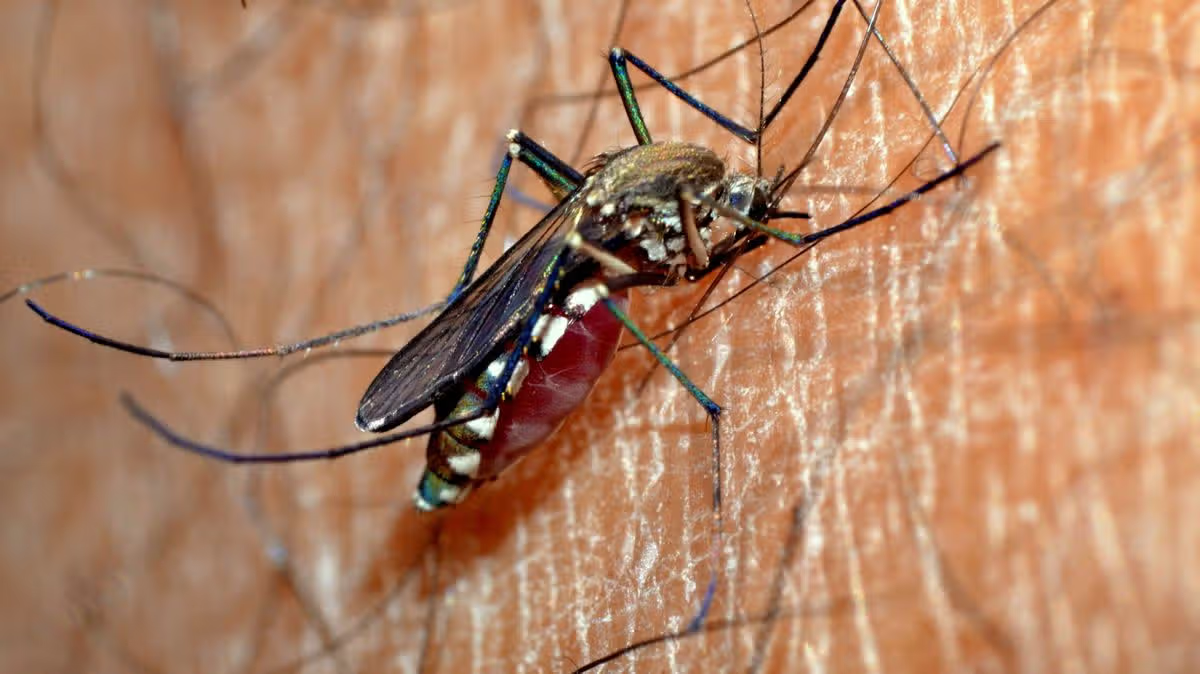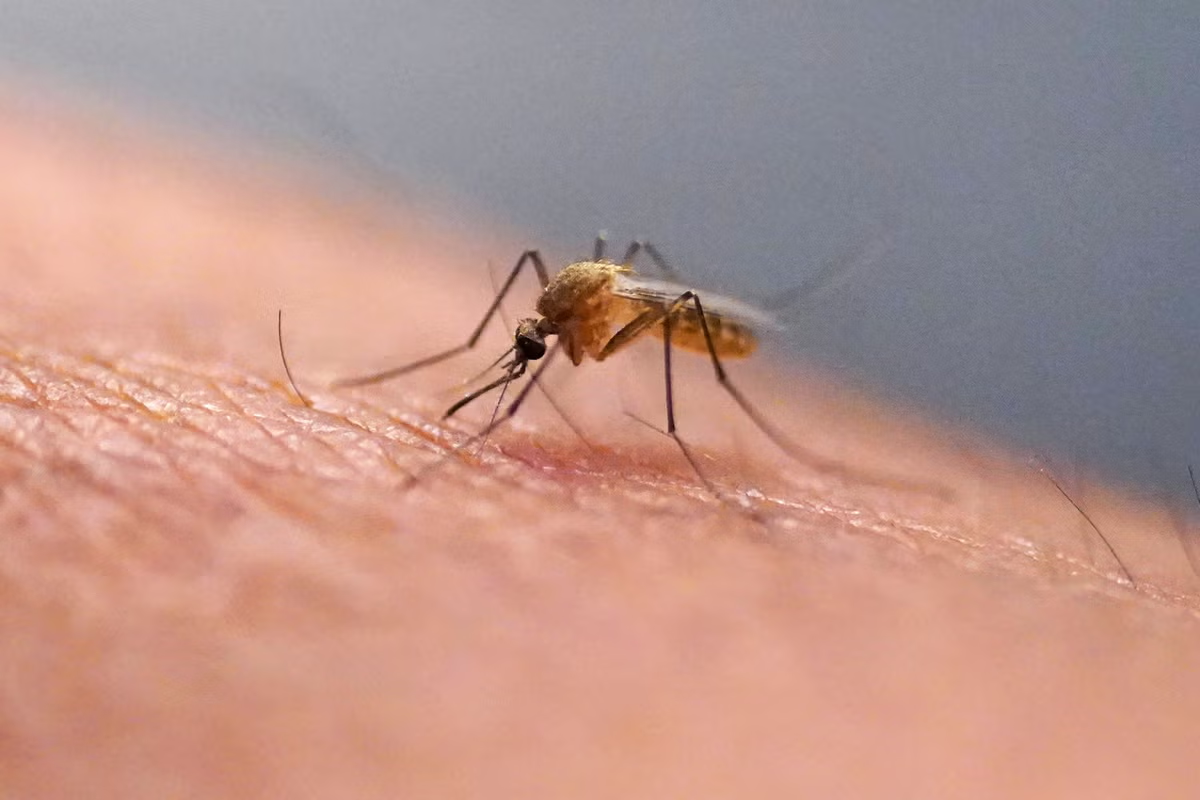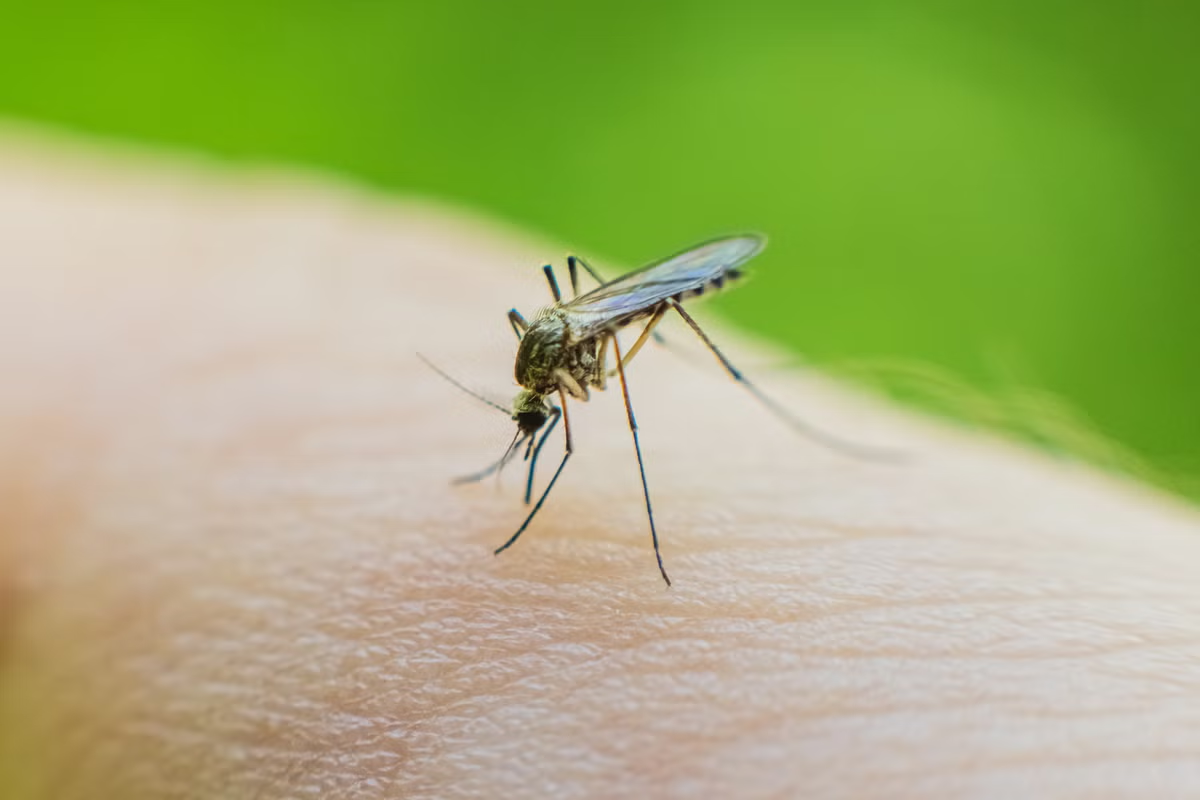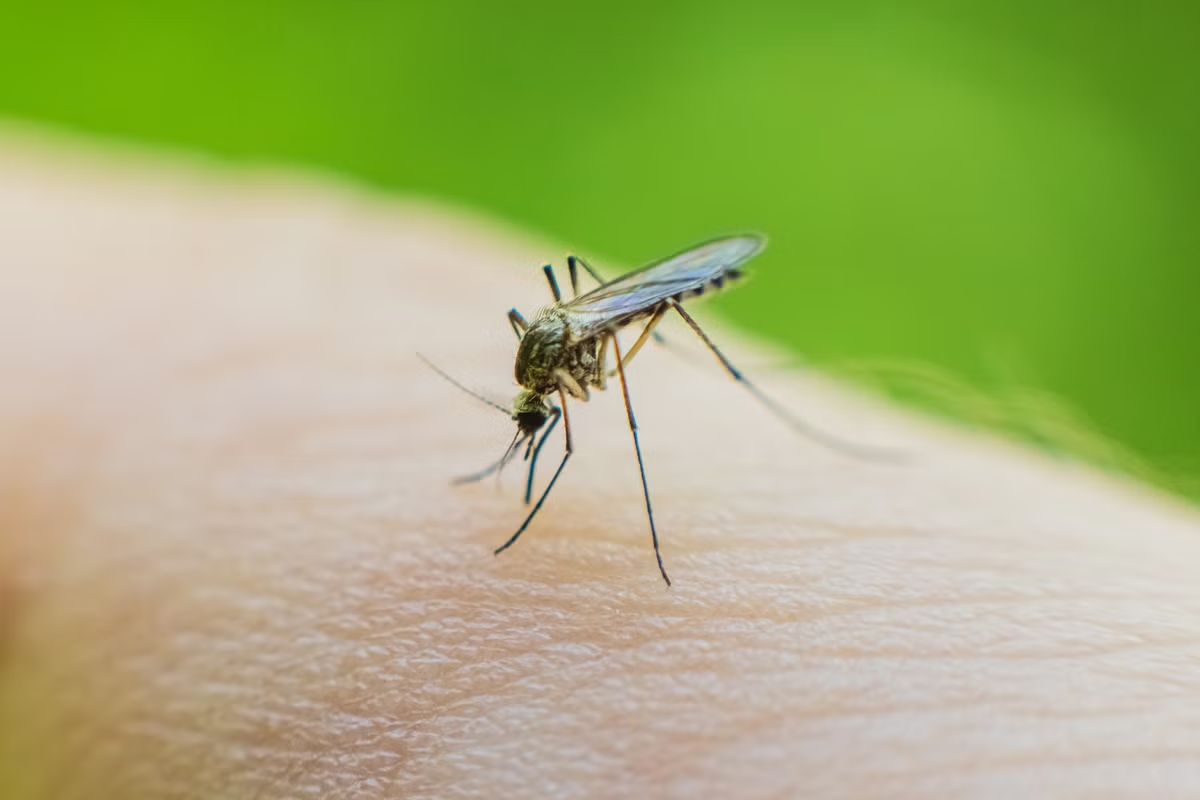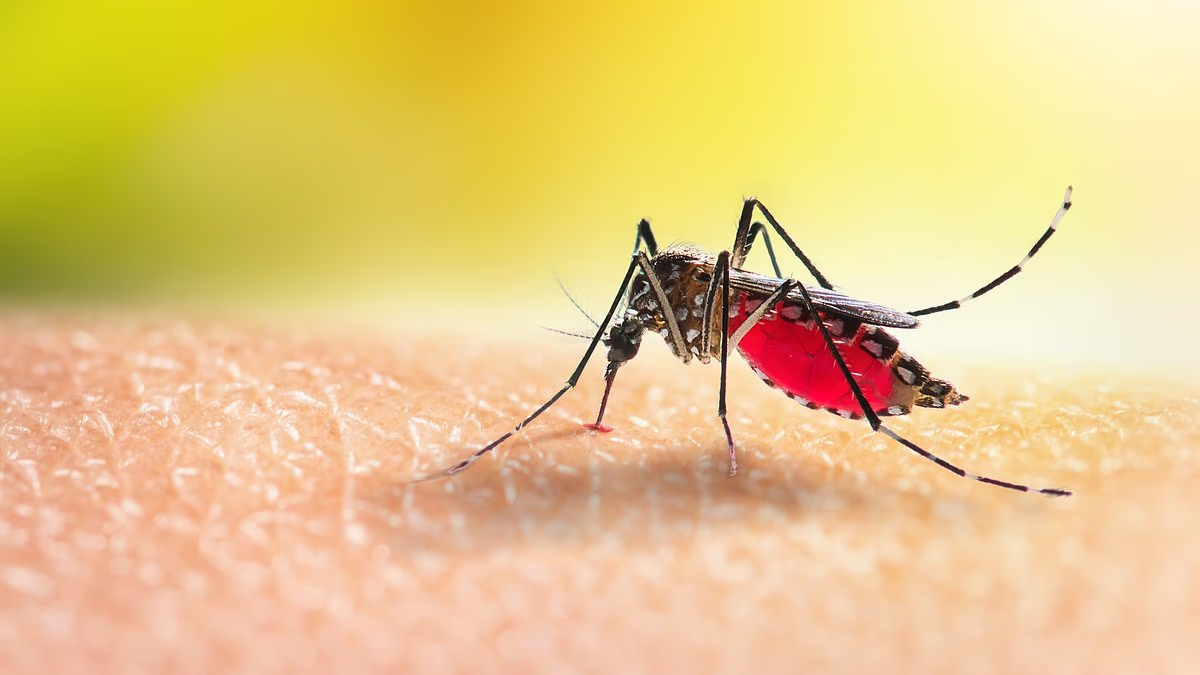
Britons travelling to holiday hotspots this summer have been urged to take care over fears they may bring back a brain damaging disease.Officials from the UK Health Security Agency (UKHSA) have today warned that cases of Zika virus are rising rapidly.Zika is an illness typically transmitted after being bitten by an infected mosquito, but in rare cases it can be sexually transmitted.While some symptoms can be similar to that of a fever – including high temperature, headache, sore eyes, swollen joints, and a rash – it can also be far more severe.Pregnant women are urged to protect themselves against the virus because infection can trigger severe brain damage, particularly to developing foetuses.Health officials are now sounding the alarm because nine cases have been reported in the UK already this year, surpassing the seven recorded in the entirety of 2025.It is feared that Britons flying abroad are bringing the disease – which currently has no vaccine – back to the UK with them.The most commonly reported location for exposure was Indonesia with four cases, followed by Thailand with two. Zika is an illness typically transmitted after being bitten by an infected mosquito, but in rare cases it can be sexually transmittedThere appears to have been a major increase in Zika cases linked to Indonesia compared with previous years. Between 2014 and 2025, just one travel-associated Zika case linked to the country was reported in the UK, compared with four already this year.Single cases of Zika exposure were also linked to travel to Malaysia, the Maldives and Singapore.As Zika has no vaccine, experts say it is best protected against by avoiding mosquito bites.However, it is not the only travel-related illness concerning health officials. The UKHSA's alert also highlights continued cases of chikungunya, dengue, malaria and enteric fever.A total of 59 chikungunya cases were reported between January and June 2026, with Sri Lanka accounting for the highest number of infections. Chikungunya is notorious for causing intense joint pain that can leave sufferers stooped over, as well as fever, muscle aches, headaches, fatigue and a rash.Although most people recover within days or weeks, some continue to suffer debilitating joint pain or arthritis for months or even years.In rare cases, the virus can affect the eyes, brain, heart or digestive system. Serious illness is uncommon but older adults and people with underlying health conditions are at greater risk of severe complications, which can sometimes prove deadly.Meanwhile, 557 malaria cases were recorded across England, Wales and Northern Ireland between January and May. Malaria is usually found in tropical regions including large areas of Africa and Asia, Central and South America, and parts of the Middle East.It is one of the world's biggest killers, claiming the life of a child every two minutes, according to the World Health Organization.Most of these deaths occur in Africa, where 250,000 youngsters die from the disease every year.However, death is almost entirely preventable when antimalarial tablets are taken correctly.A high temperature, sweats, chills and headaches, as well tummy pain, a loss of appetite and muscle pains are all tell-tale signs of the disease.It can also make children feel very tired and sleepy and give those that are infected yellow skin, a sore throat and cause difficulty breathing, according to the NHS.The NHS suggests all people travelling to an area where malaria is found get advice from a GP, nurse, pharmacist or travel clinic before they go.
Warning over uptick in terrifying Zika virus that causes brain damage
Officials from the UK Health Security Agency (UKHSA) have warned that cases of Zika virus are rising rapidly. Zika is an illness typically transmitted after being bitten by an infected mosquito.
968 words~4 min read