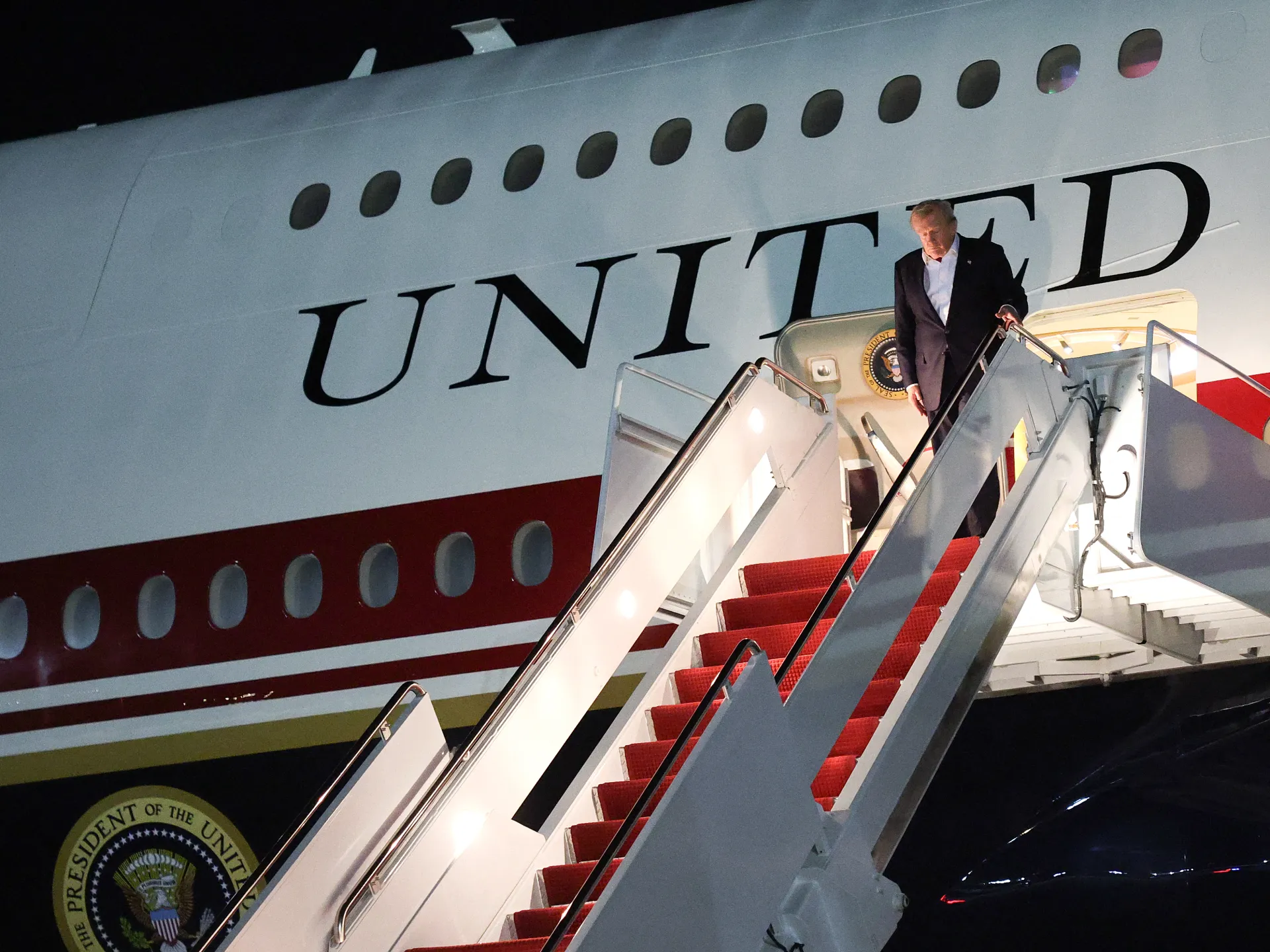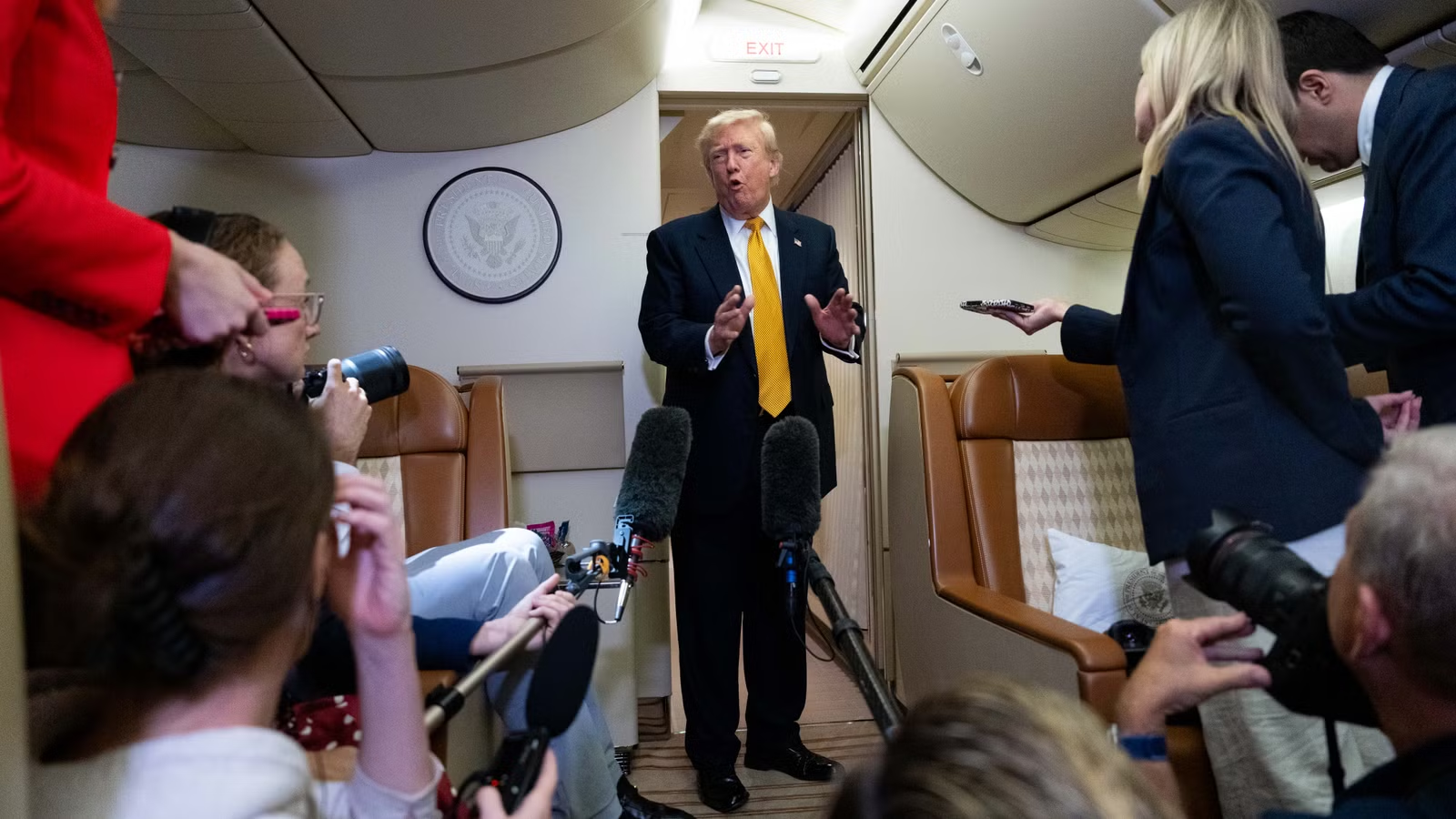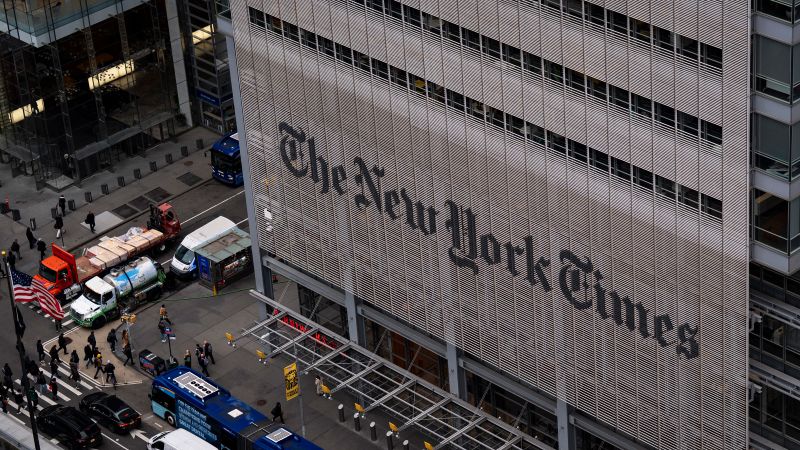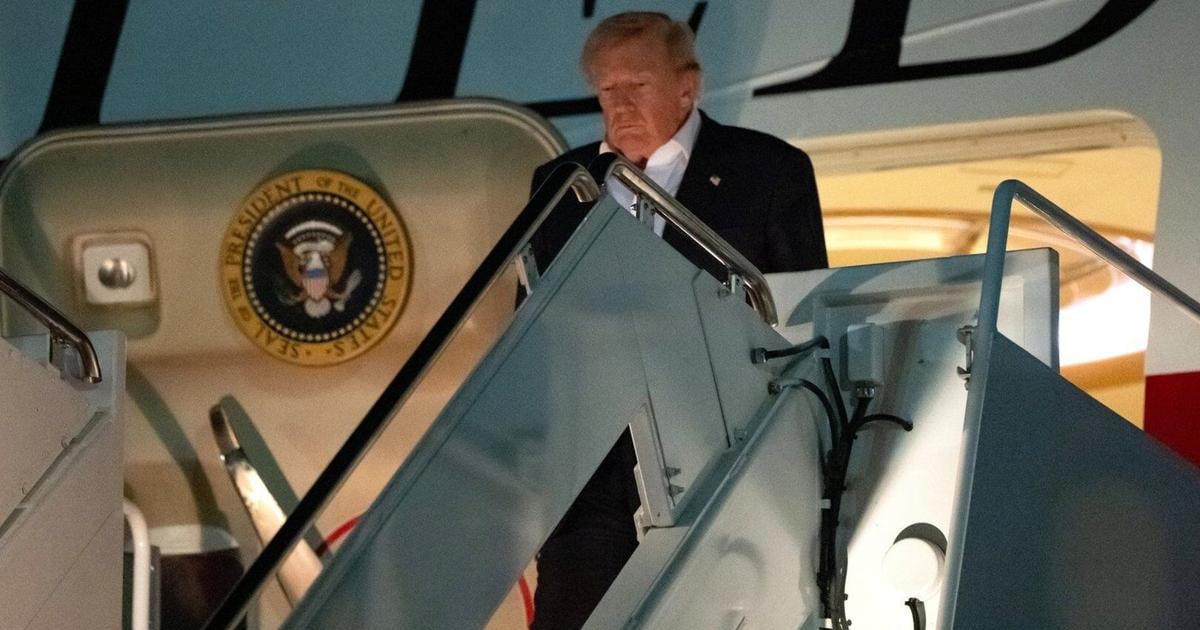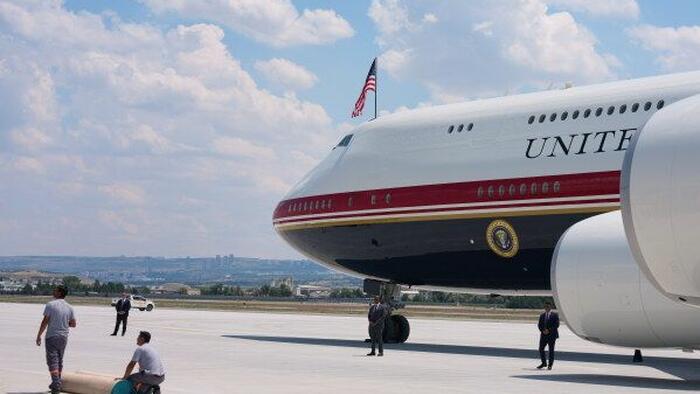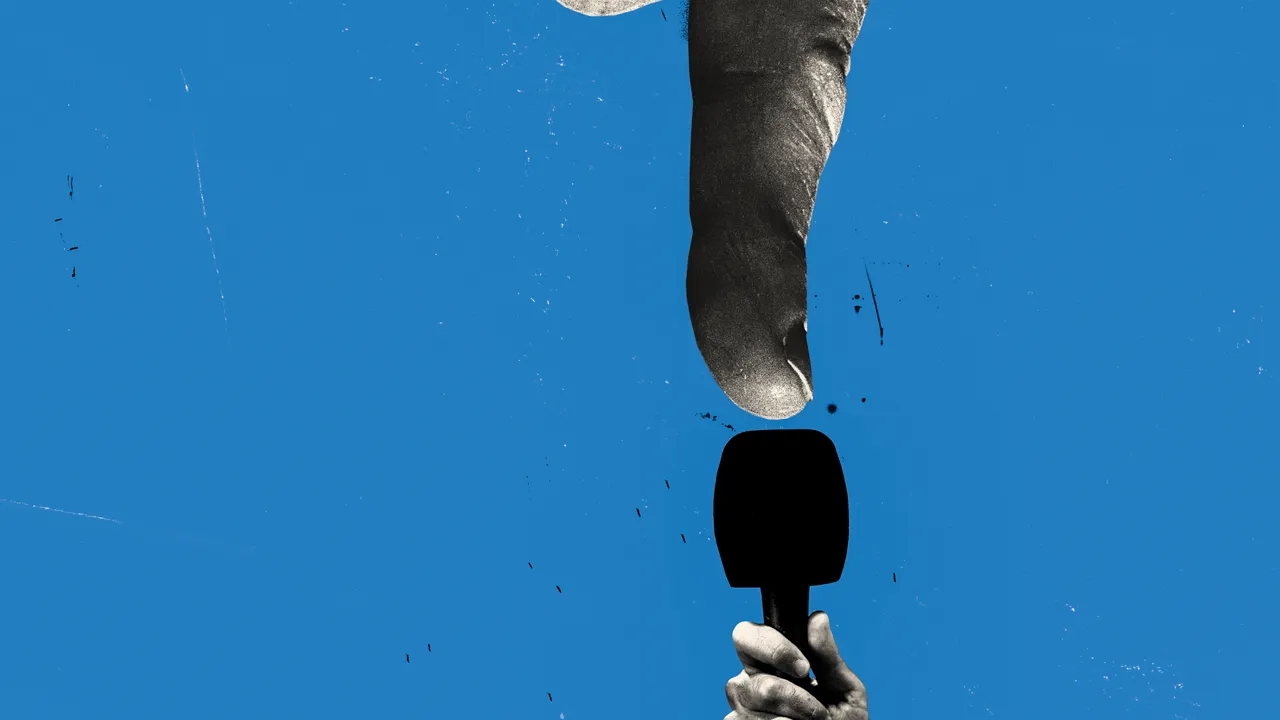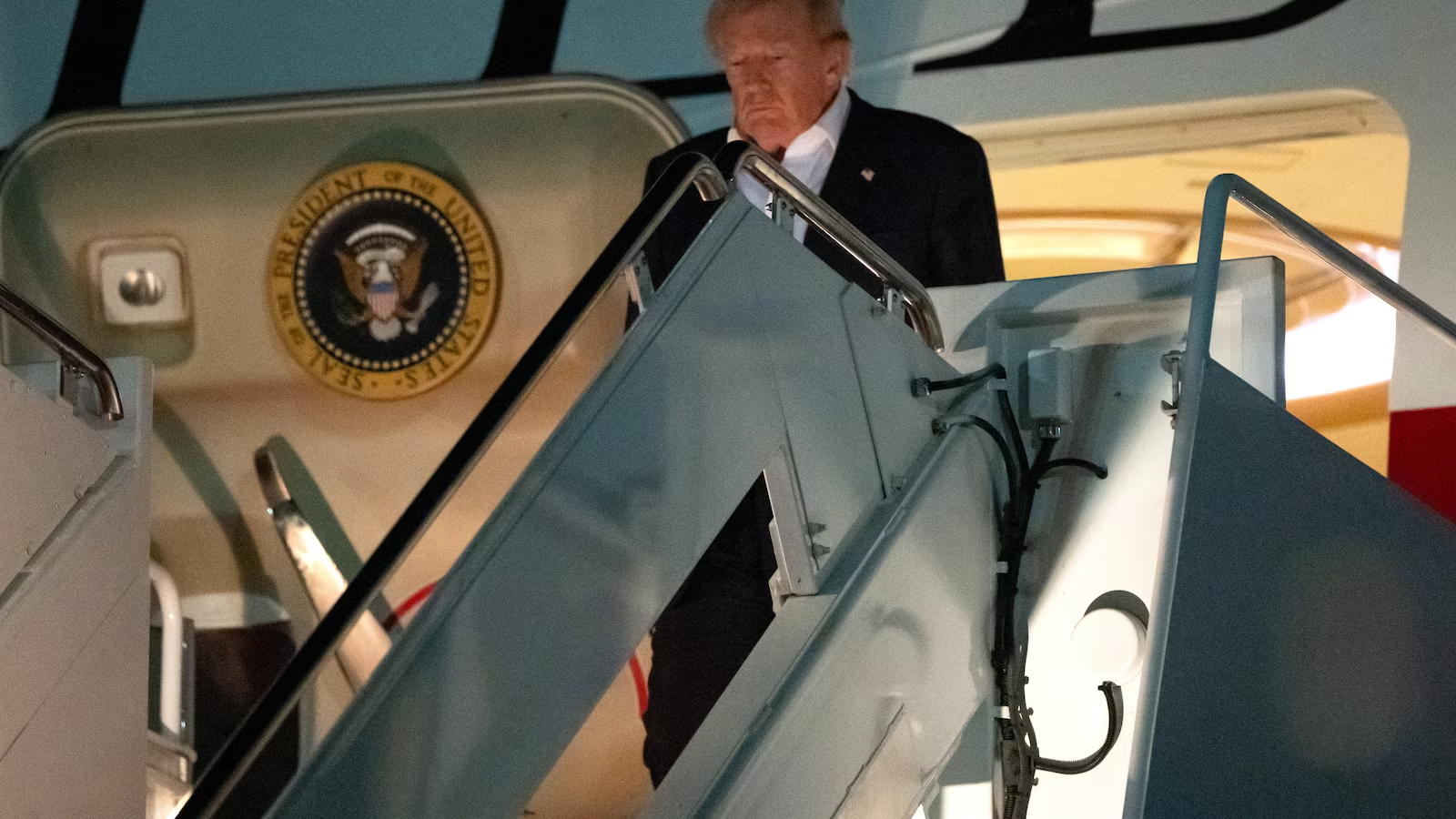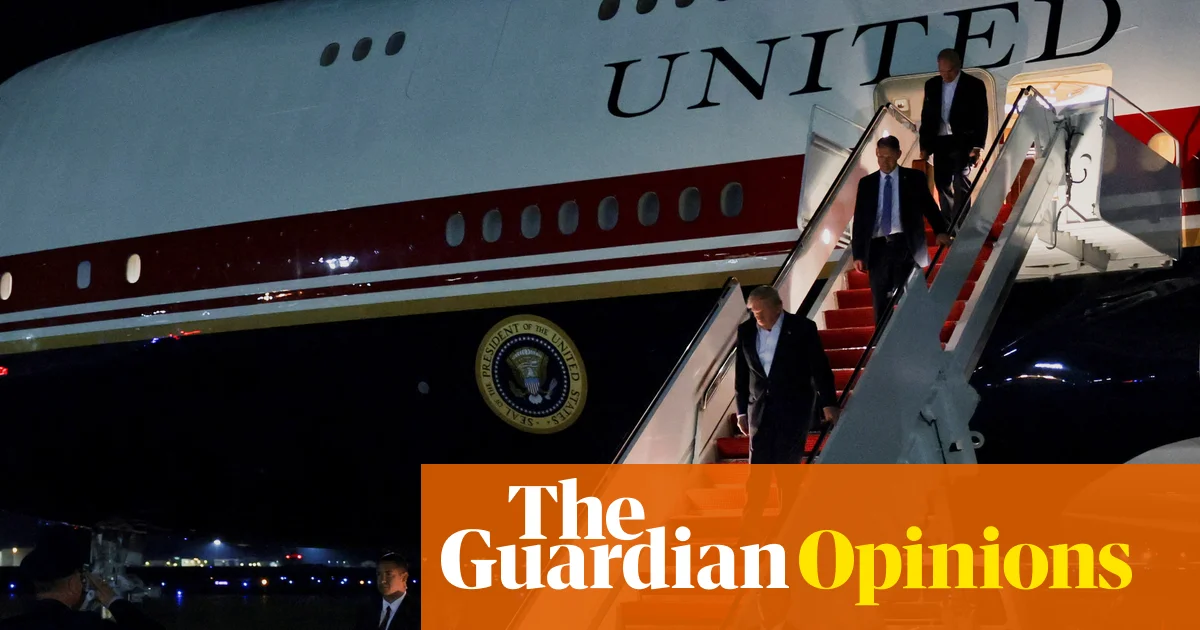
To non-journalists, receiving a government subpoena is a serious thing but probably not a violation of basic rights.To journalists, it’s quite a different matter – an attack on a foundational right to gather information in the public interest and to provide confidentiality to sources.When the Trump-controlled justice department arrived at several New York Times reporters’ homes last week to deliver subpoenas, that highly unusual action provoked outrage, for good reason.“When the public’s right to know is crushed, as the Trump administration is trying to do … all of us suffer irreparable harm,” responded Stephen Adler, chairperson of the Reporters Committee for Freedom of the Press.In a memo to his newsroom, the top editor of the Times, Joseph Kahn, called the subpoenas “a naked attempt to intimidate individual reporters and to prevent The Times and other independent news media from doing important reporting protected by the First Amendment”. The Times will defend the reporters aggressively, he assured the staff.The subpoenas call for Times journalists to testify after reporting on a Boeing 747 jet that the Qatari government gave Trump and that he wants to use as a new and improved version of Air Force One, the official presidential plane.The Times reported last week that security precautions led the Secret Service to advise Trump not to use the donated aircraft when he left Turkey; complying, Trump flew out of Turkey on the old Air Force One.“The swap deepens questions about whether the new plane … was retrofitted with sufficient security measures over the past year,” the Times report said.And here is a key to what’s happening. The story noted: “People briefed on the new plane’s capabilities, who spoke on the condition of anonymity to discuss sensitive security issues, said the new plane does not have all the features of the older plane.”Those insiders, in other words, are the sources for the reporting, clearly speaking at significant personal risk and trusting the Times’s ability to keep their identities confidential. Testifying in court would break that trust and surely would dry up future accountability reporting as sources quite sensibly decide to stay mum.The White House tried to bill the plane swap as a clever kind of “distraction and misdirection”, intended to foil threats from America’s enemies. Trump continued to praise the aircraft fulsomely.But a full upgrade could cost up to $1bn, the Times story said.This reporting – given the cost to taxpayers and national-security concerns – is clearly in the public interest. It’s exactly the kind of journalism that press rights, enshrined in the first amendment, are intended to protect.The administration’s reaction was to launch an immediate and punitive leak investigation. Who dared to talk to the Times and, in so doing, make Trump look bad? Before the story was published, the administration asked the Times to withhold it for vague reasons of national security; to its credit, the paper went ahead with publication.For well over a decade, Trump has been antagonistic toward the press, while also attempting to manipulate reporters with access granted or denied.That much isn’t new. But now, in his second term, he’s become much more aggressive, as when FBI agents showed up at the home of the Washington Post reporter Hannah Natanson in January to seize her phones and laptops, amid an investigation into a government contractor accused of illegally retaining classified documents. That followed her reporting – also clearly in the public interest – on the administration’s attempts to cut the federal workforce through the now disbanded and much criticized DOGE program. (Natanson herself was not accused of wrongdoing.)Trump and the Times are embroiled in other legal skirmishes. These include a defamation claim by Trump and the newspaper’s suit against the defense department over restrictions on Pentagon reporters.But showing up at reporters’ homes to deliver subpoenas that compel them to testify before a grand jury within mere days? It’s a whole new level of attack against the press.American citizens should understand it for what it is – a shameless effort to deny their right to know what the government is doing and how it’s spending their money.During Trump’s first term, the then Washington Post editor, Martin Baron, characterized his staff’s tough-minded journalism in words that soon became famous, and, for many, an inspiration to ignore the noise and focus on the reporting.“We’re not at war with the administration,” Baron said. “We’re at work.”Not at war, but at work.When it comes to its relationship with the press, the Trump administration – once again and more brazenly than ever – has it backwards.
With New York Times subpoenas, Trump is brazenly escalating his attacks on the press | Margaret Sullivan
Federal agents showed up at reporters’ homes, targeting journalists for doing exactly what the first amendment protects
765 words~3 min read