(Image credit: Alamy)
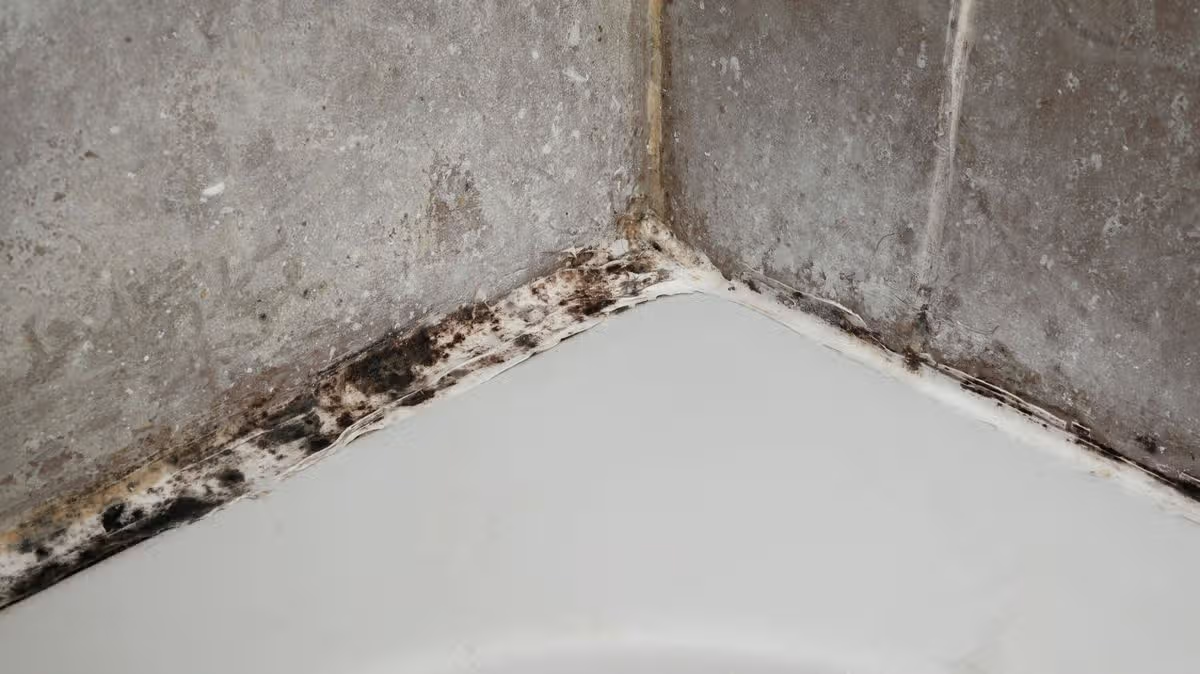
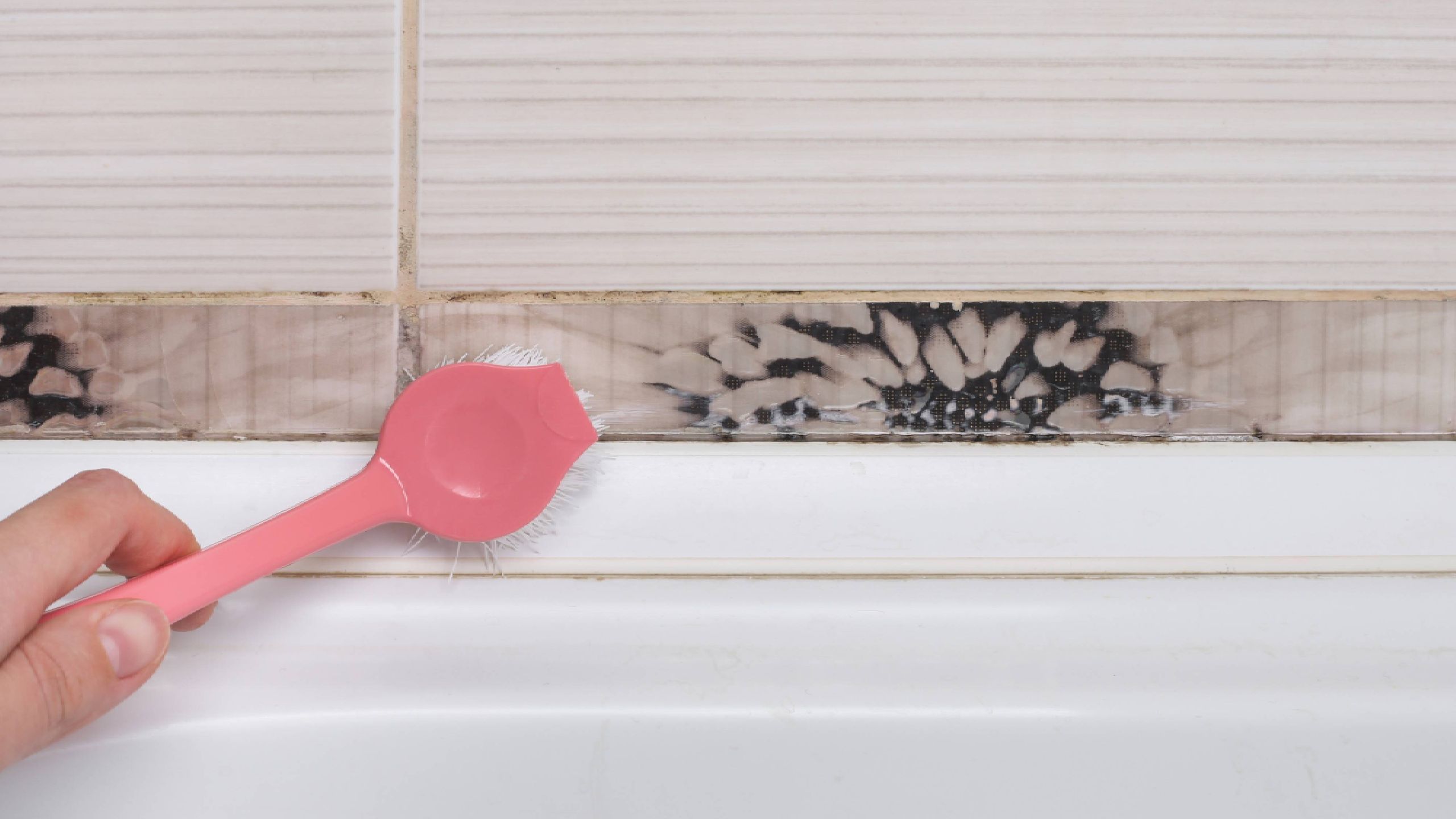
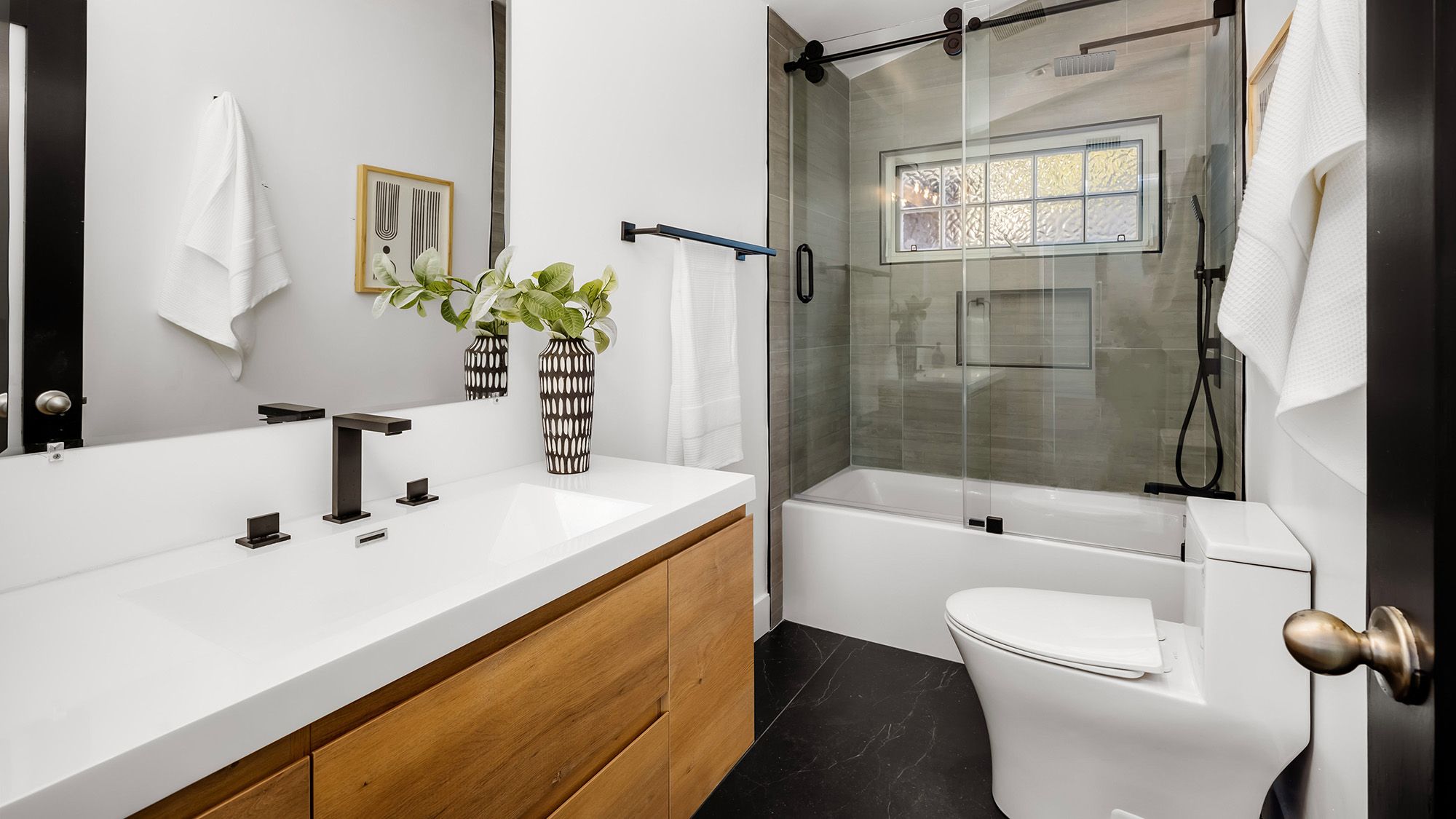
A popular bathroom cleaning habit could unintentionally be costing you through repair bills and even product replacements, according to experts.Specialists warn that heavy use of bleach on bathroom seals may contribute to gradual wear over time, potentially leading to cracks, brittleness and reduced performance in areas such as shower screens, baths and windows.While bleach remains one of the most commonly used products for tackling mold and keeping bathrooms hygienic, experts say it should be used with care around rubber and silicone materials. I need to listen up!Don't blitz your sealant with bleach
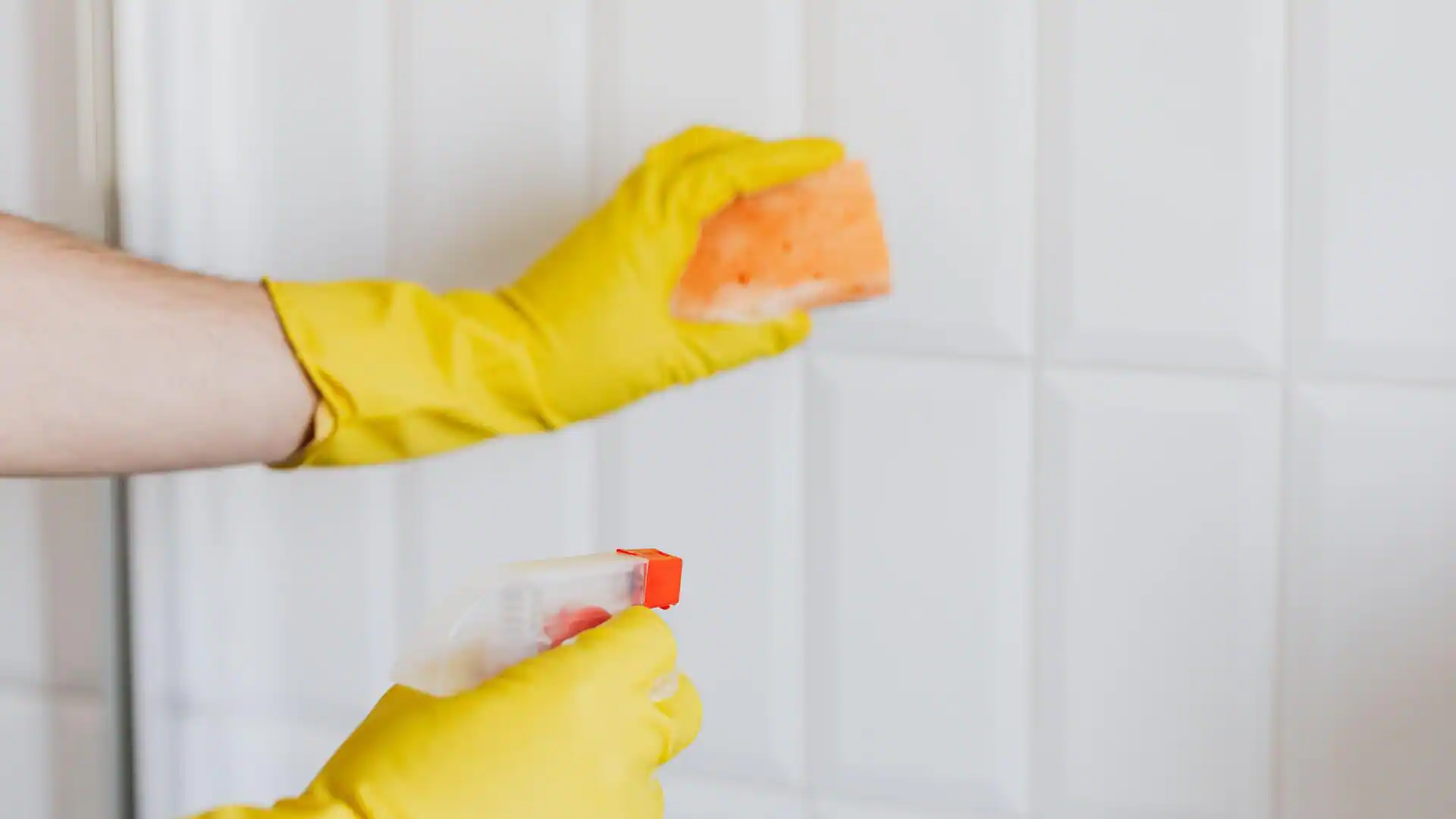
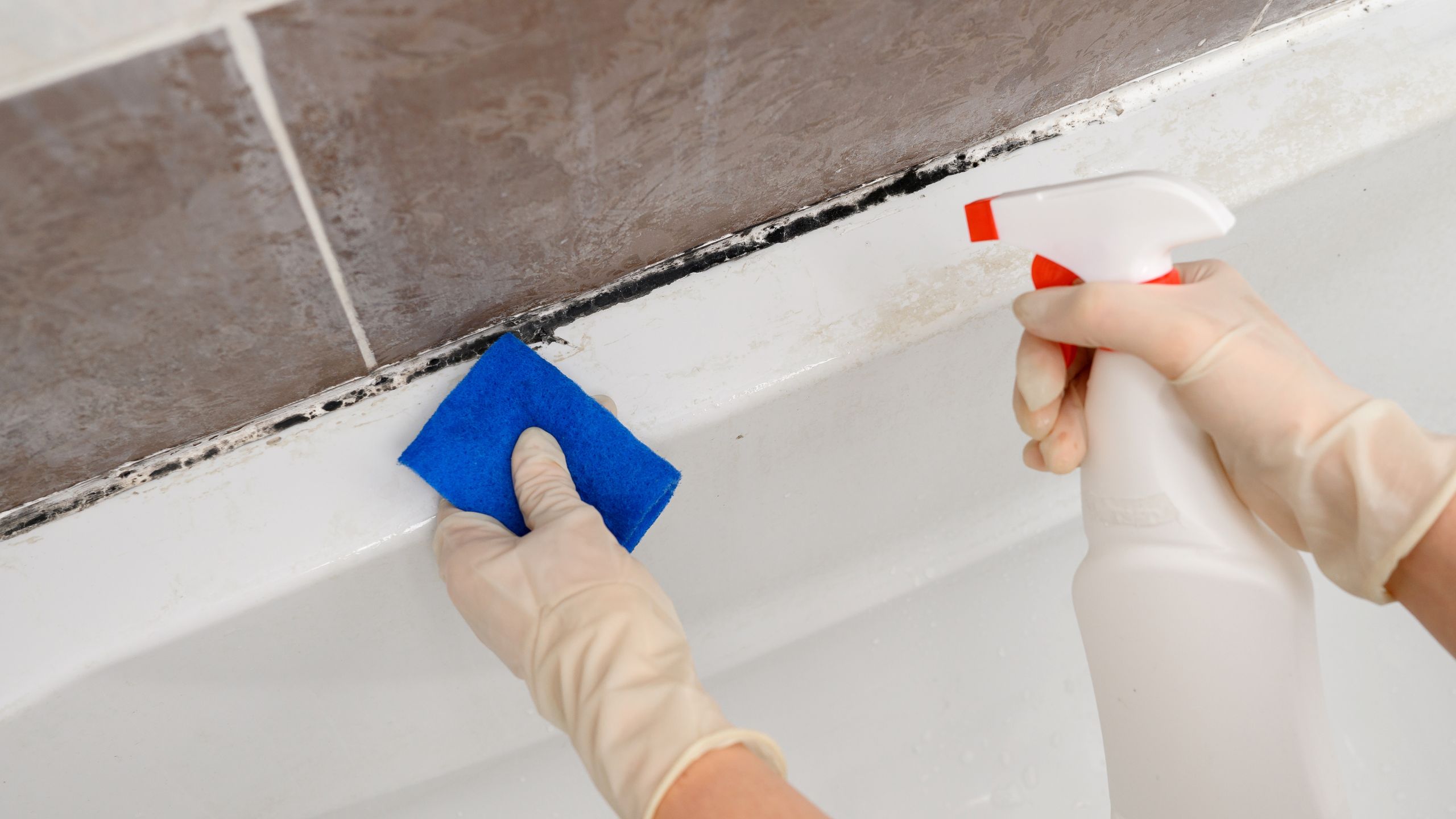
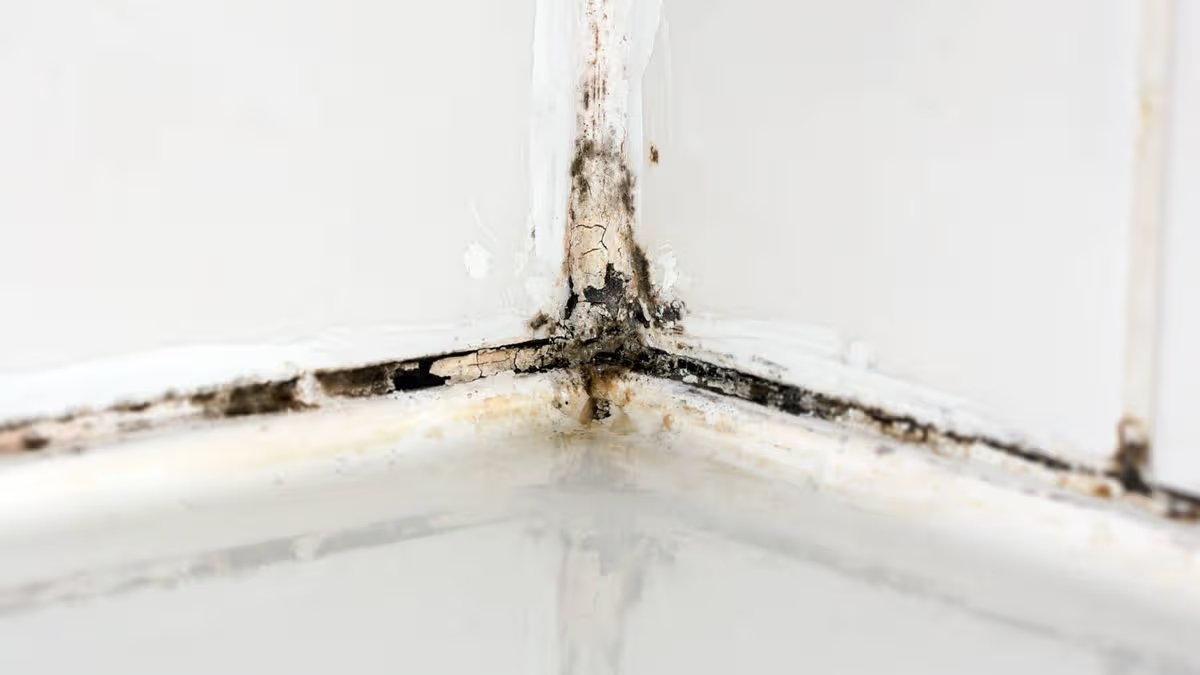
(Image credit: Shutterstock)According to Guy Chapman, director at United Silicones, most homeowners are unaware of the long-term impact cleaning habits can have on seals.“Bleach is something a lot of people rely on to keep bathrooms looking clean and mold-free, which is completely understandable.“But seals are often exposed to it again and again over time, and while you won’t see damage overnight, repeated exposure can contribute to them drying out or becoming less flexible,” explains Chapman.Although he explains that bathroom seals are designed to be durable, he says they are still subject to wear and tear from both use and cleaning.Get instant access to breaking news, the hottest reviews, great deals and helpful tips.“Shower seals, bath seals and window seals are constantly exposed to moisture, heat and cleaning products. If bleach is used frequently, especially in higher concentrations, it can add to that natural aging process.”And he says one of the biggest issues is that damage tends to build up gradually, meaning homeowners often don’t realize there’s a problem until leaks or mold start to appear.“You don’t usually notice a seal failing until water starts escaping or mold becomes persistent in certain areas. By that point, the material has often already degraded over time.”He adds that small changes in cleaning habits can help extend the lifespan of seals and reduce unnecessary replacement costs.“I’m not suggesting people stop using bleach altogether, but it’s worth being mindful of how often it’s applied directly to seals.”Swap to a milder alternativeIn most cases, a simple solution of warm water and a small amount of mild dish soap is more than enough for routine cleaning of bathroom seals.“It helps remove everyday grime and soap residue without exposing rubber or silicone materials to harsh chemicals that, over time, can contribute to wear,” he explains.Keep an eye out for wear and tearChapman also recommends regular visual checks as part of general home upkeep.“It takes less than a minute to run your finger along a seal and check for cracks, hardening or areas that have started to pull away. If it’s still flexible and sitting properly, it’s doing its job. If not, it may be time to replace it before it leads to leaks or further issues.”Cleaning essentials we love