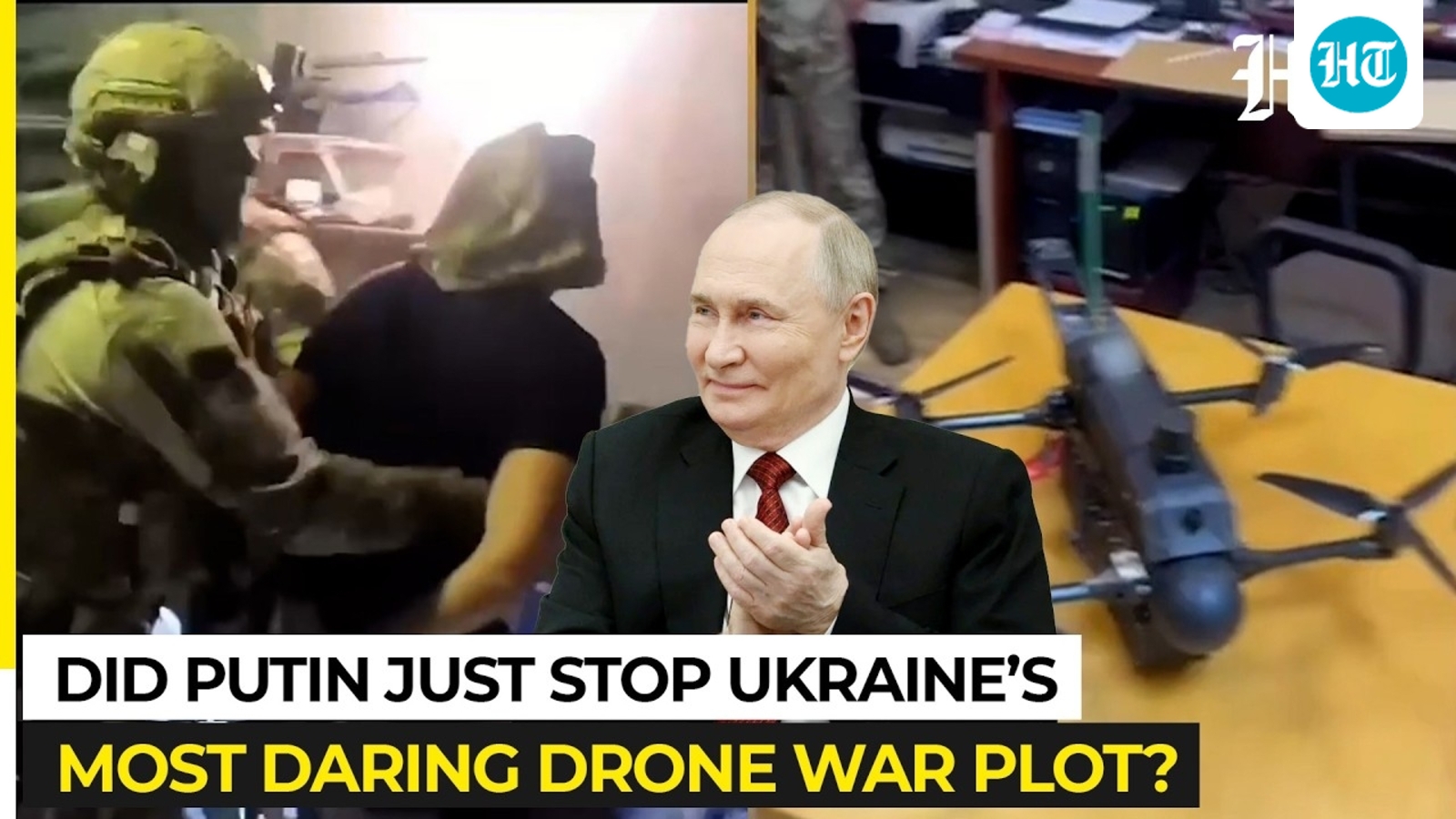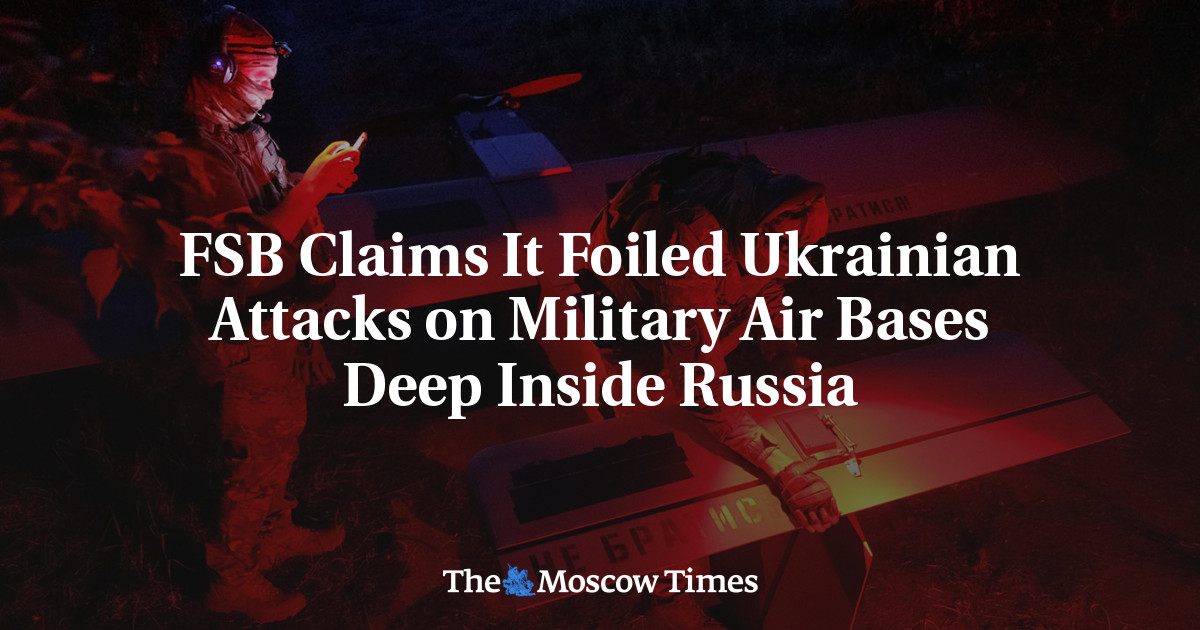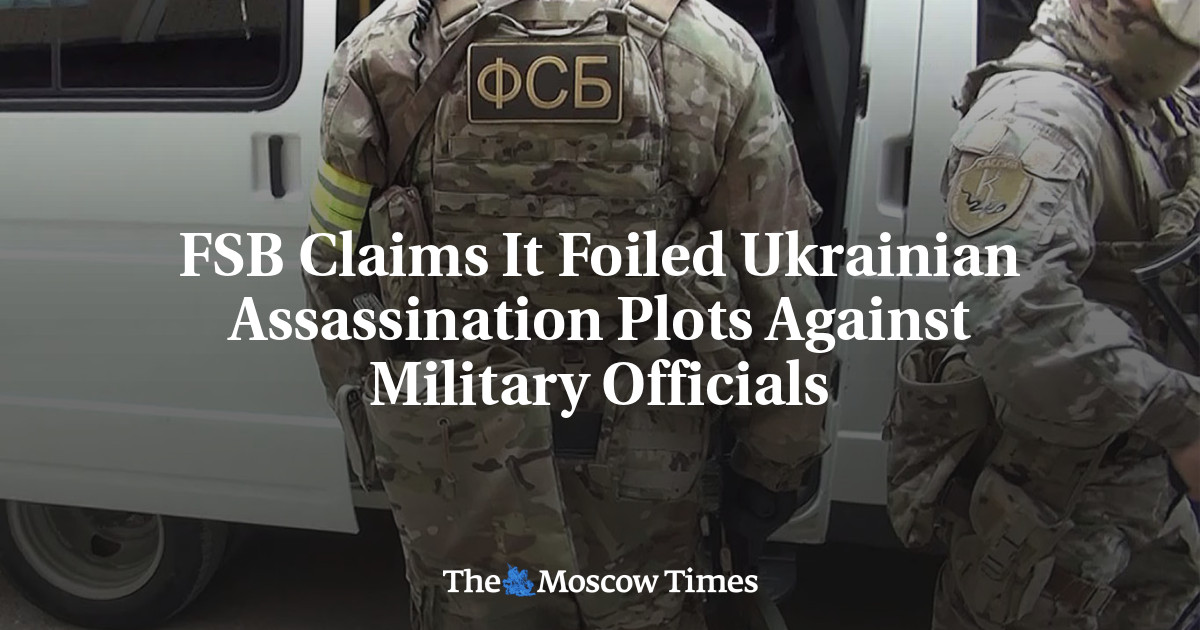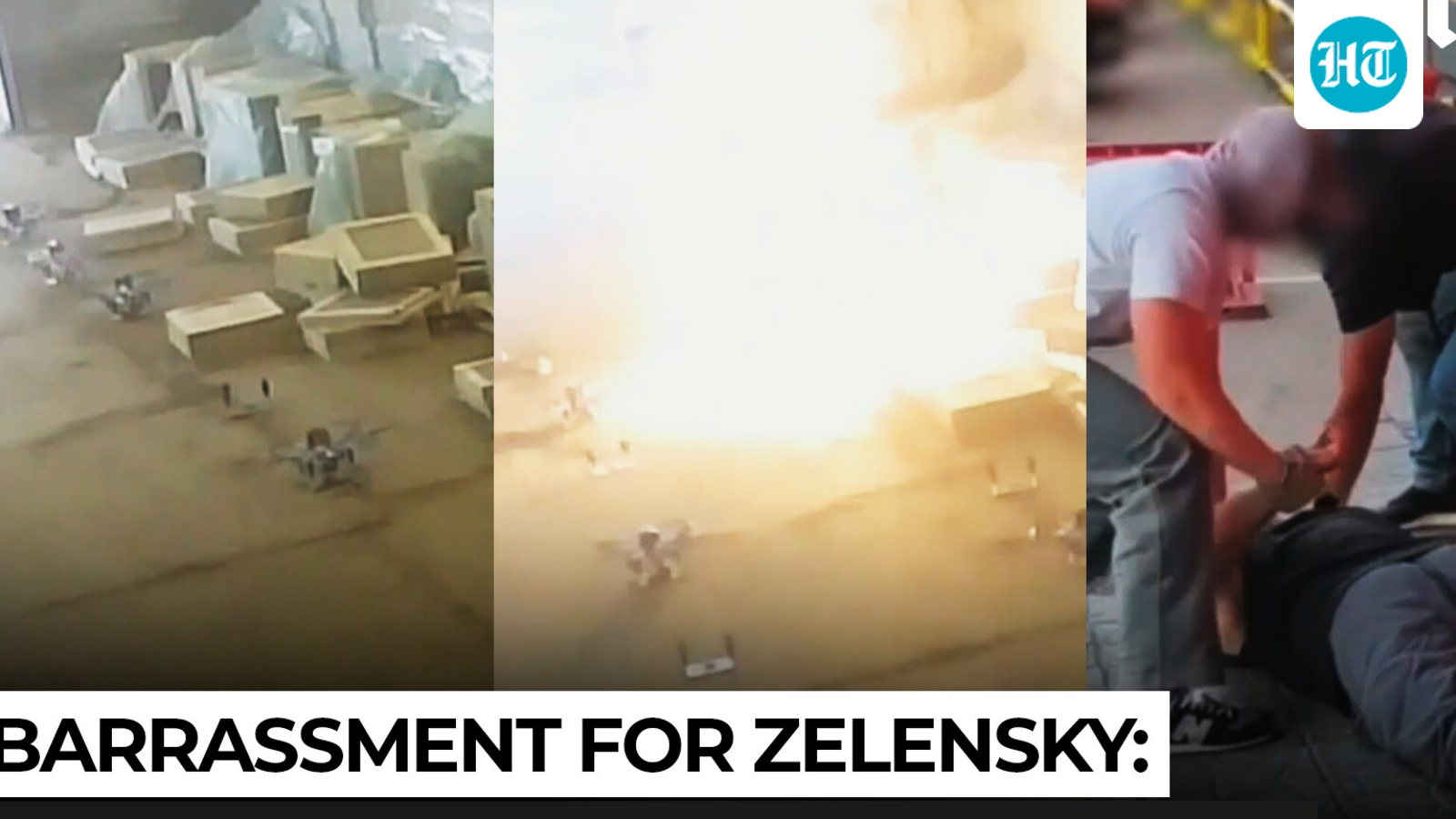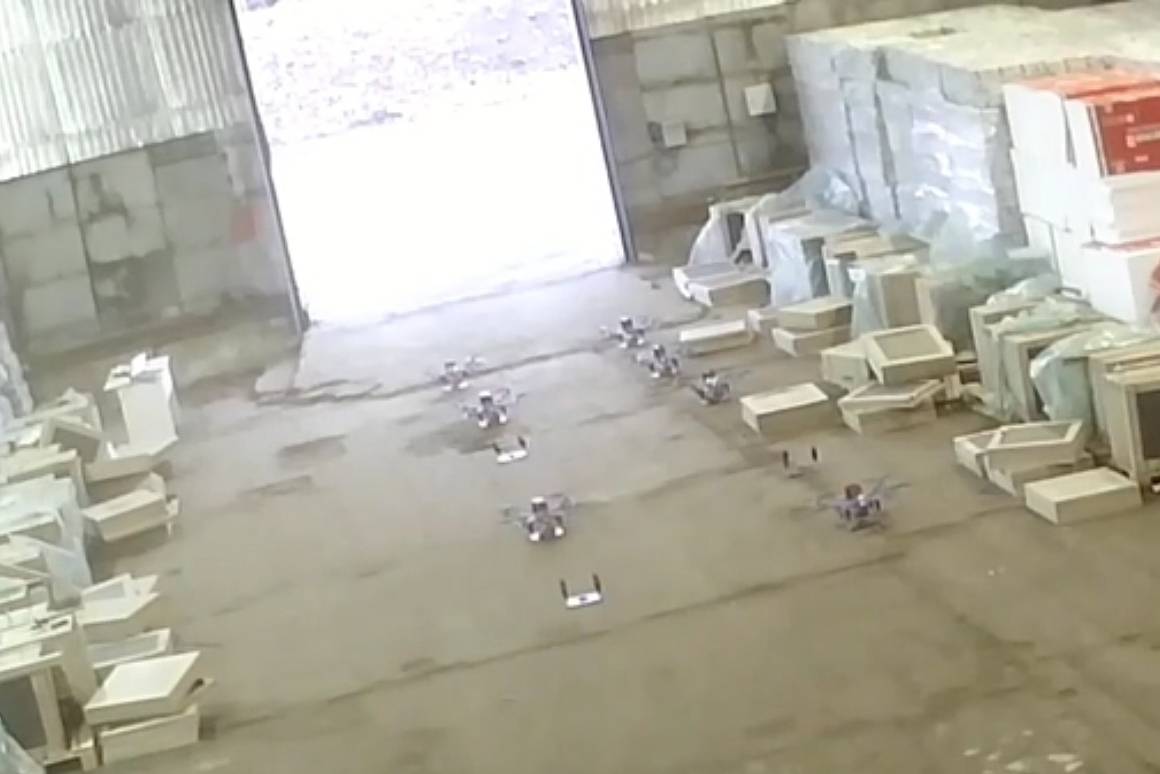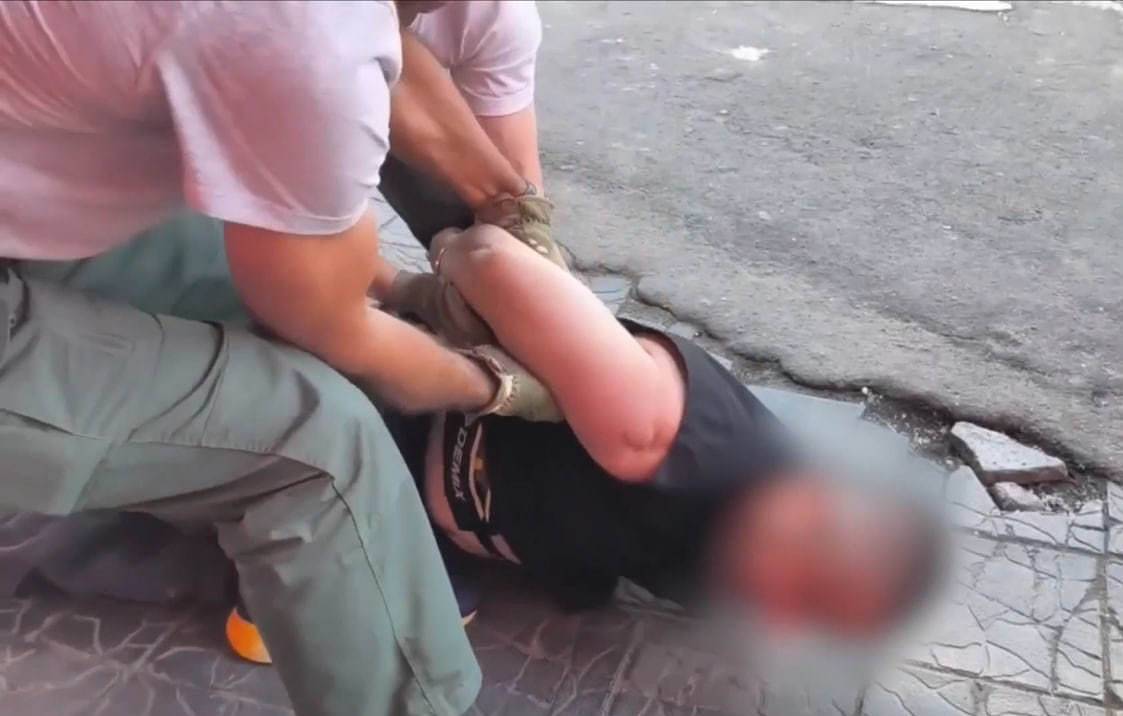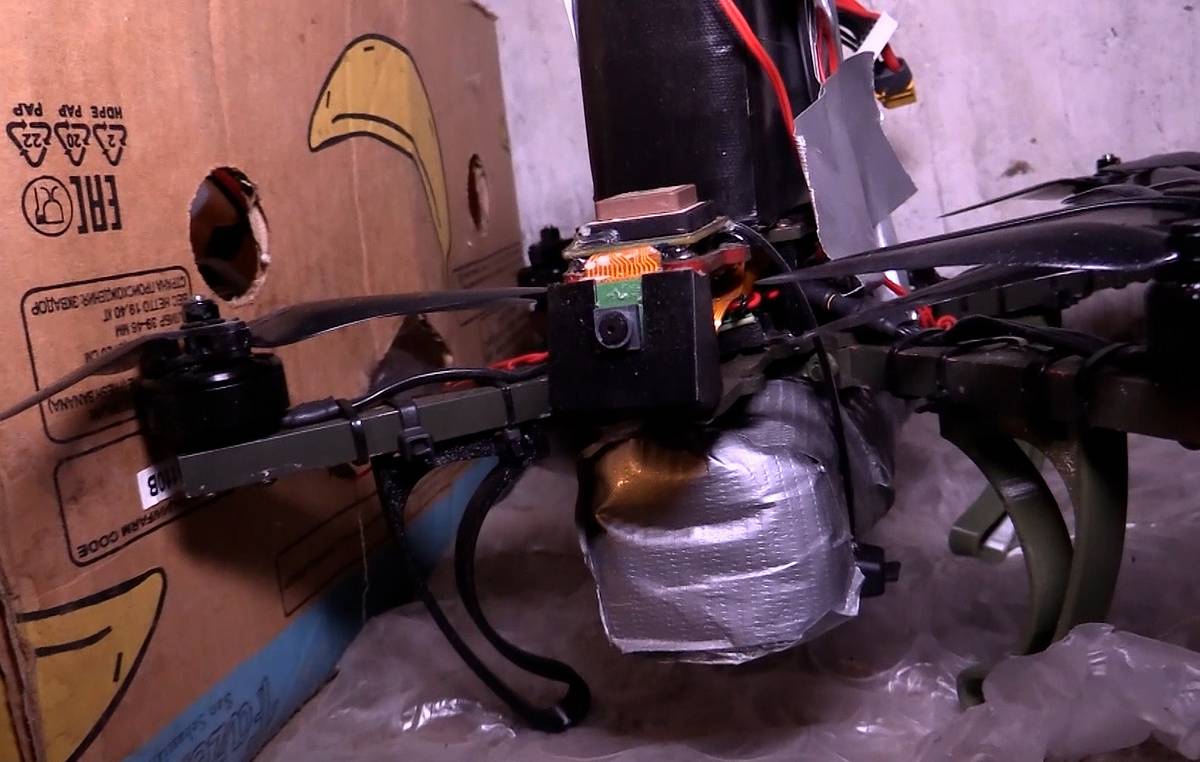
MOSCOW, July 14. /TASS/. The foiled large-scale drone attack targeting a strategic facility in a residential area of the Moscow Region that was successfully thwarted by the Federal Security Service (FSB) was organized and carried out under the auspices of Ukraine’s Main Intelligence Directorate and was closely coordinated with NATO intelligence agencies, military expert Alexander Stepanov of the Institute of Law and National Security at the Russian Presidential Academy of National Economy and Public Administration (RANEPA) said.
Stepanov explained that this was a complicated, multi-phase operation spanning multiple territories and involving various government agencies across European countries. "It was most likely a multinational effort," he noted. "The operation was directly coordinated by Ukraine’s Main Intelligence Directorate, in close cooperation with NATO intelligence, with detailed planning around border crossings and logistical routes that facilitated the delivery of the drones and their warheads."
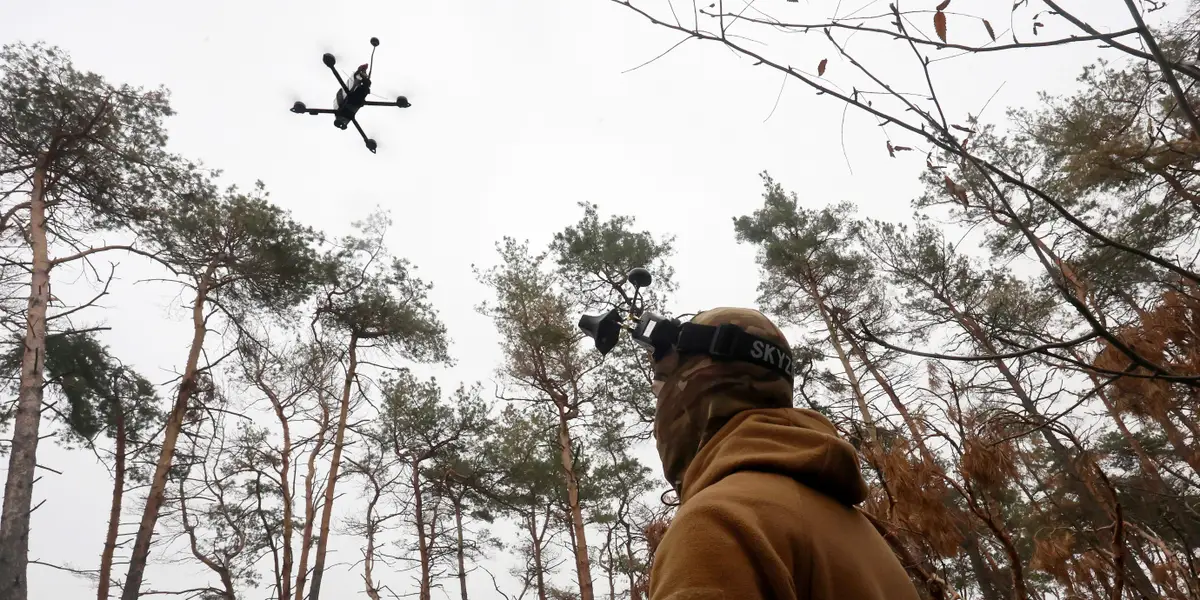
He highlighted the critical role of specialized software, primarily developed in Canada, which was to be used alongside drone components of the same origin. Stepanov suggested these systems are currently being tested in combat conditions with Ukrainian forces and are integrated into the broader Brave-1 project. "This software likely improves the drones’ autonomy and enables swarm-based operations," he said. "The planned number of attack drones indicates this was a coordinated effort intended for remote activation, allowing the drones to execute their missions autonomously based on pre-programmed algorithms, utilizing intelligence gathered during the operation’s planning phase."