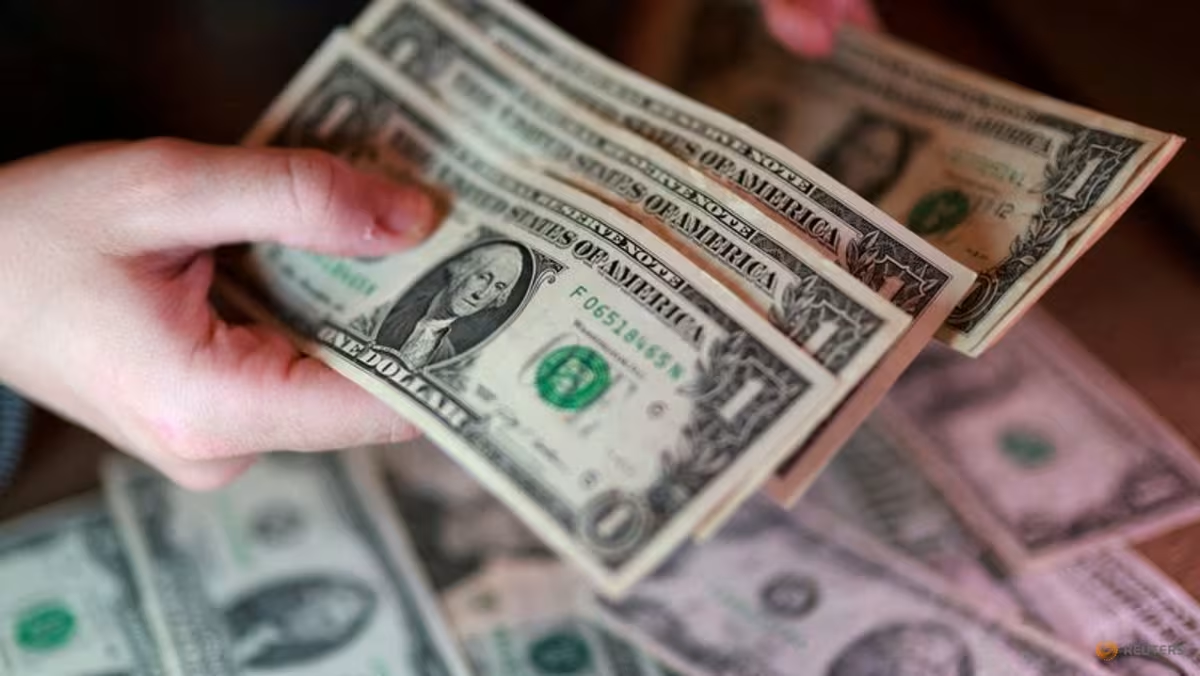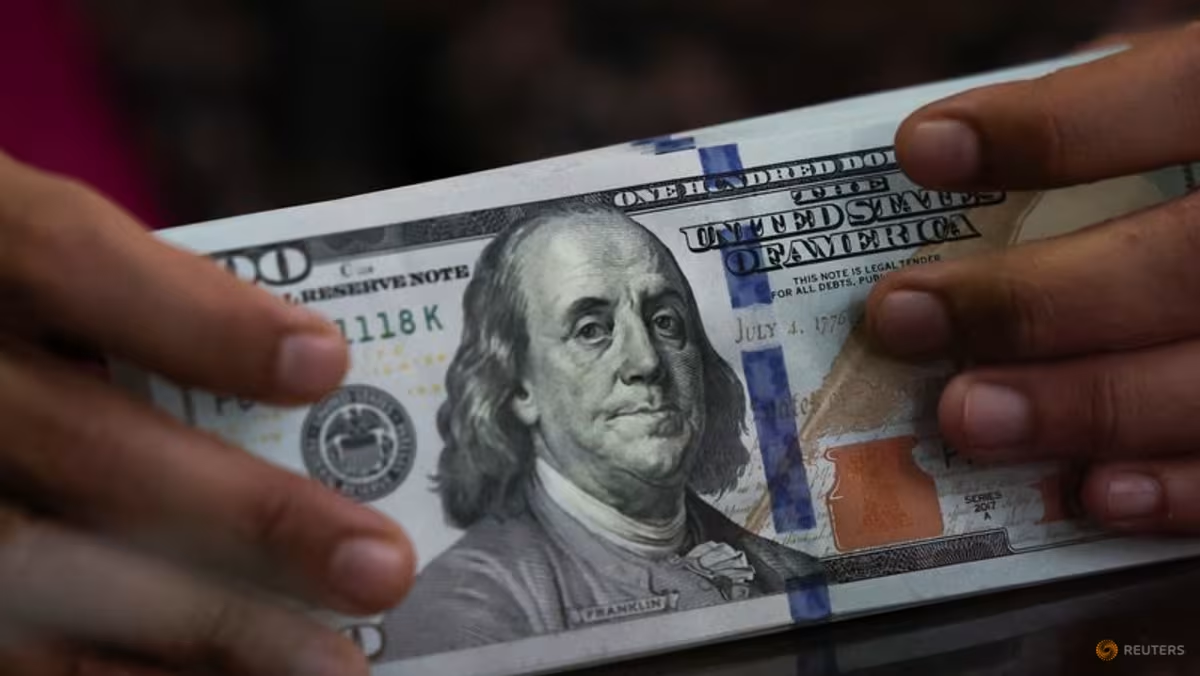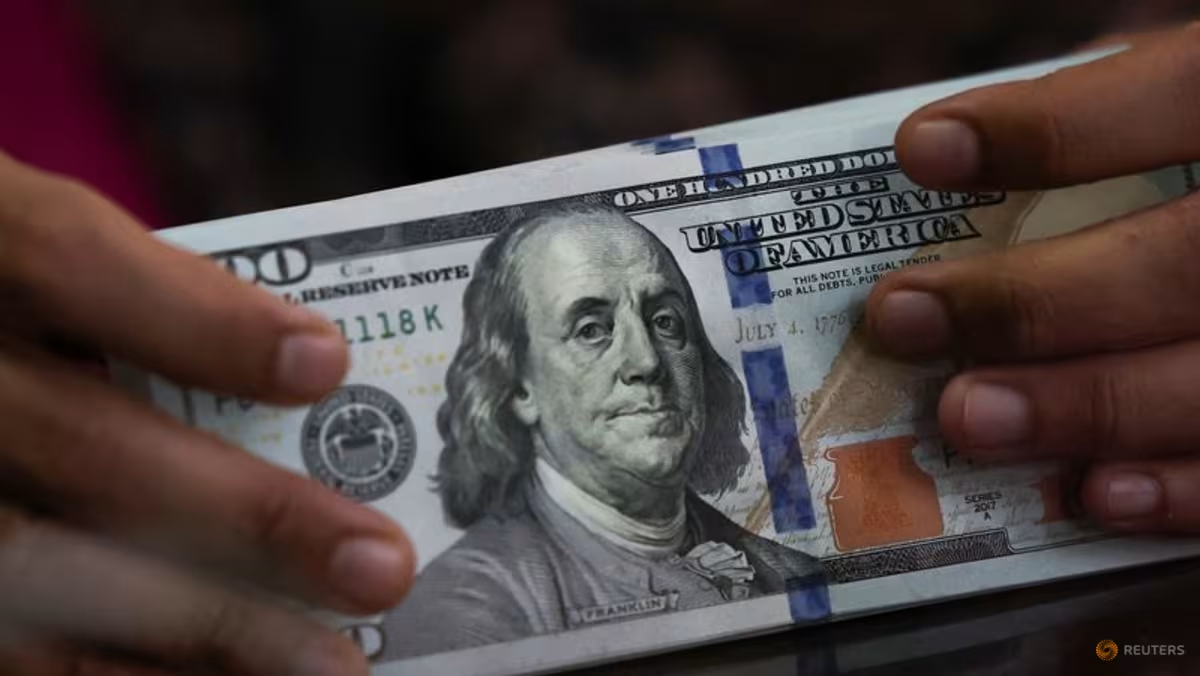
LONDON, July 14 : The dollar remained in sight of 13-month highs on Tuesday ahead of U.S. inflation data, which will come under extra scrutiny as Middle East tensions boost oil prices, while Federal Reserve Chair Kevin Warsh delivers his first semiannual testimony to Congress.U.S. and Iranian forces traded attacks in the Gulf, where maritime traffic through the Strait of Hormuz has come to near-standstill, pushing oil towards $90 a barrel. As a result, investors are now pricing in a higher chance of global interest rates rising this year.With uncertainty over how long the latest tit-for-tat exchanges might last and how they might affect the flow of oil to world markets, investors are focussed on the outlook for price pressures. "Core inflation, combined with rising oil prices, is supportive for the dollar and then there's Warsh. I think he will be pressed a bit harder than he was post-Fed, which will be interesting, because he wants to keep his cards close to his chest," City Index market strategist Fiona Cincotta said of the new Fed Chair's aversion to giving much of a steer on monetary policy.
Warsh said recently that anyone expecting the Fed to go soft on inflation would be "disappointed," although he stopped short of offering any guidance for what to expect in terms of monetary policy in coming months.Markets show traders are attaching a 20 per cent chance of a rate hike from the Fed in July, which has pushed U.S. Treasury yields above 4.6 per cent, their highest since May, and given the dollar a layer of support. Meanwhile, Federal Reserve Governor Christopher Waller said rates may need to rise "in the near term" if data shows inflation remaining well above the central bank's 2 per cent target. Economists polled by Reuters expect U.S. headline inflation to have risen 3.8 per cent in June, while the core rate, which excludes food and energy inflation, is expected to have risen 2.8 per cent.The euro was up 0.2 per cent at $1.1399, while sterling rose 0.2 per cent to $1.337.Overnight currency volatility jumped, reflecting nervousness among traders. Overnight implied volatility for the euro, which reflects demand to hedge against large, immediate swings in the currency, briefly topped 10 per cent on Tuesday, something that has rarely happened since April. YEN VULNERABLEThe Japanese yen edged 0.1 per cent higher to 162.27 per dollar on Tuesday, but was barely above 40-year lows, which kept traders on alert for signs of possible official buying from Tokyo.The Japanese currency briefly strengthened following comments from Finance Minister Satsuki Katayama that Tokyo may consider adjusting state pension fund asset allocations if the environment surrounding asset management changed sharply.Health Minister Kenichiro Ueno told a separate press conference on Tuesday that the ministry would examine reviewing the Government Pension Investment Fund's (GPIF) asset allocation if needed, but downplayed the prospect of any near-term changes."In order for yen-buying pressure from a review of GPIF's asset allocation to be sustained, the decision would likely need to be made quickly, and the increases in the allocation to domestic assets would probably need to be at least 5 per centage points" in stocks and bonds each, said Masafumi Yamamoto, chief currency strategist at Mizuho Securities."If the increases are only modest, or if the decision-making process takes time, any additional yen buying is likely to be limited," he said in a note.