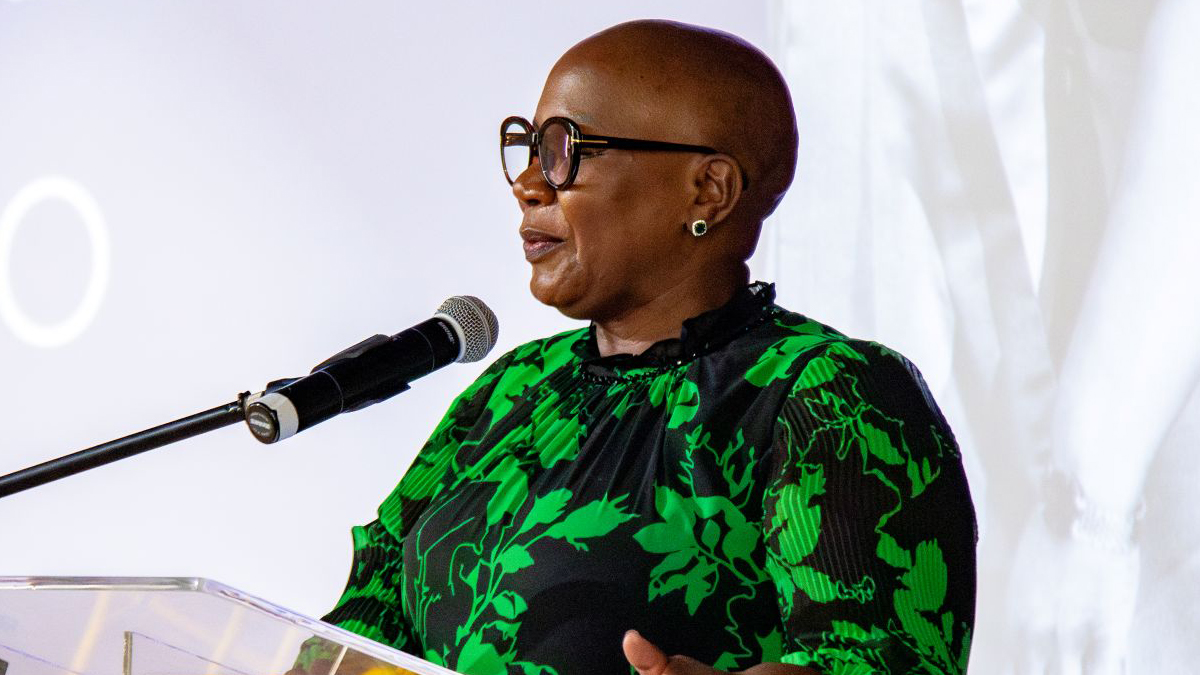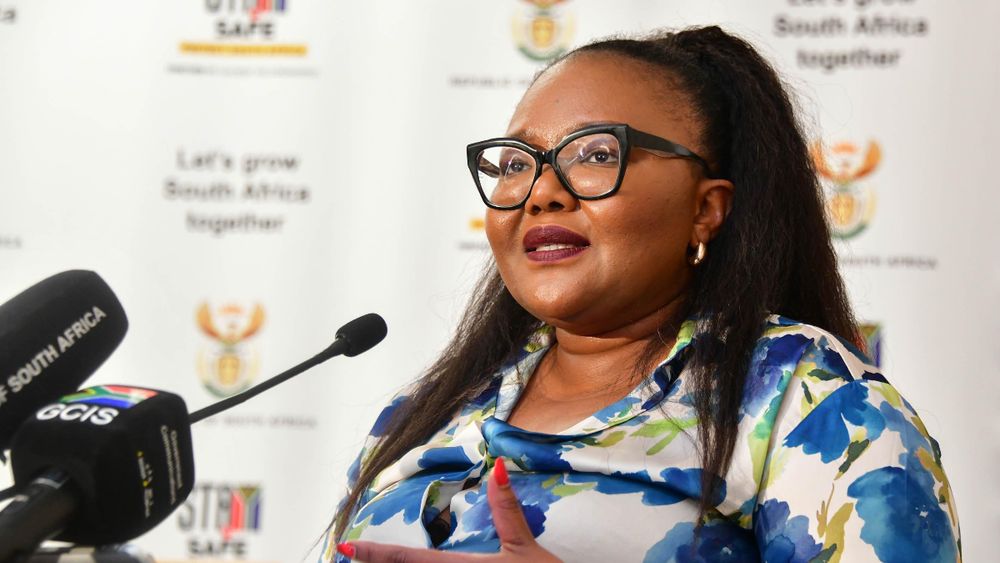
Basic Education Minister Siviwe Gwarube.
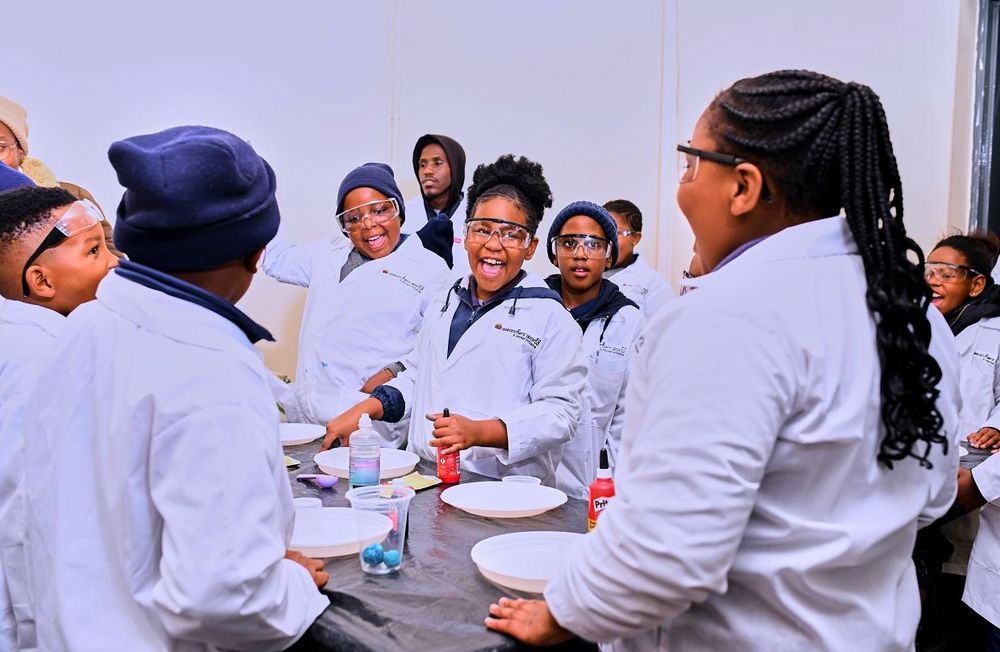
This July, South Africa celebrates Science Month by recognising the remarkable contribution that science, technology and innovation make to our country's future. We celebrate researchers who are pushing the boundaries of knowledge, engineers who are building our economy, healthcare professionals saving lives through medical innovation, and entrepreneurs using technology to solve some of our country's greatest challenges.
But Science Month should also prompt us to ask a more fundamental question: where does a scientist begin?
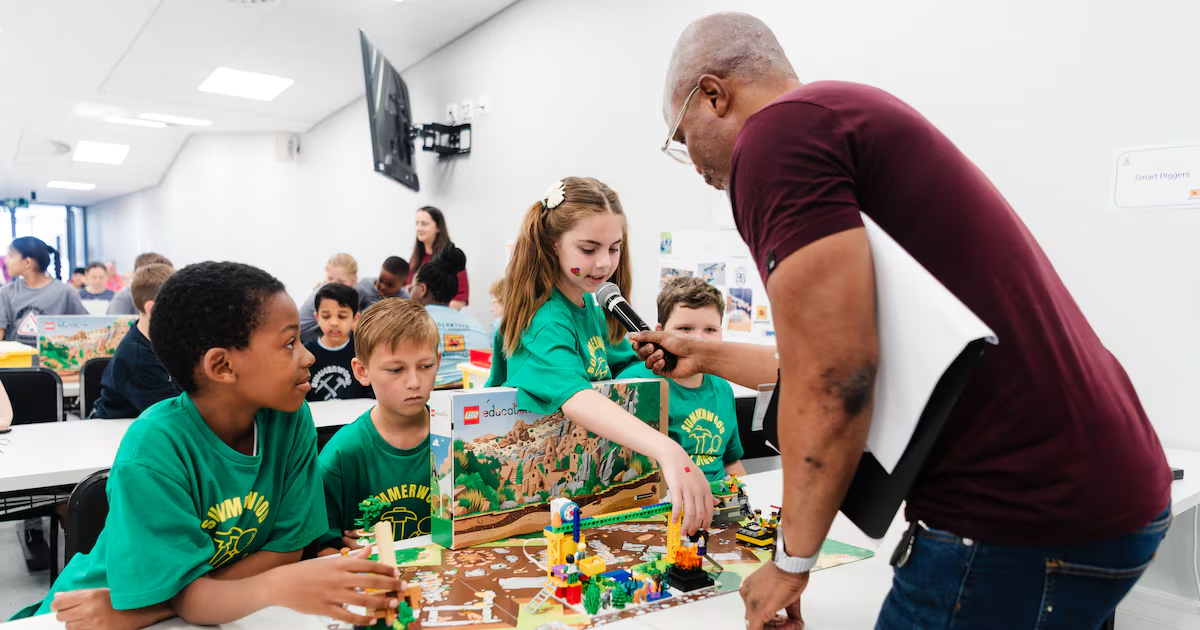
The answer is not in a university laboratory or a research institute. It begins in the Foundation Phase classroom. It begins when a child first learns to read with understanding, to count confidently, to ask questions without fear, and to make sense of the world around them. Before a learner can solve an equation in Grade 12 or study engineering at university, they must first master the building blocks of learning in the earliest years of life.
This is why the Department of Basic Education has deliberately shifted the focus of our reform agenda towards strengthening the foundations of learning. South Africa cannot expect to dramatically increase participation in Mathematics, Physical Sciences and technical (STEM) subjects if too many learners enter the High School without being able to read for meaning or demonstrate age-appropriate numeracy.