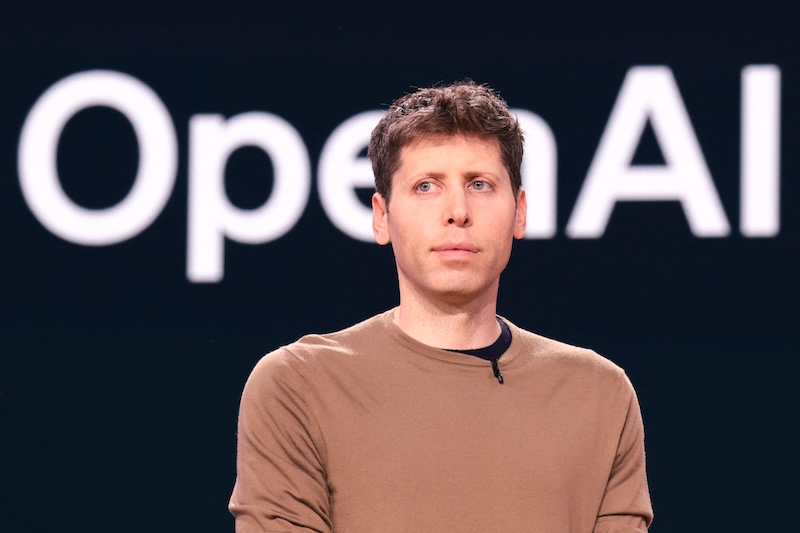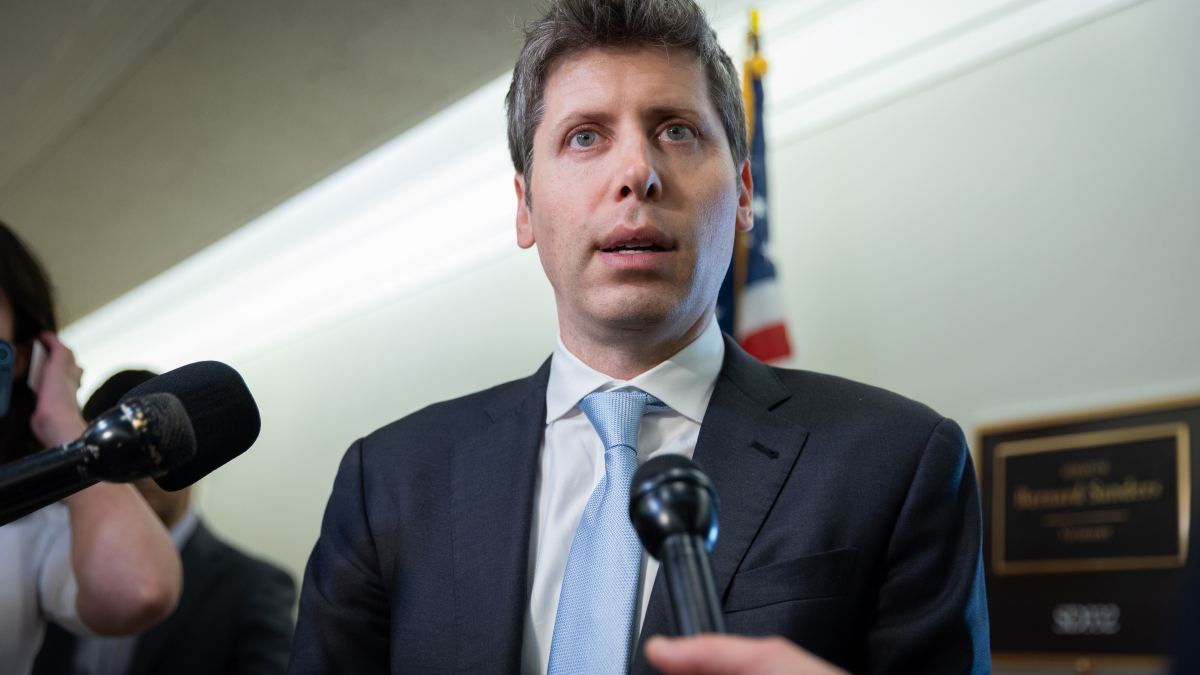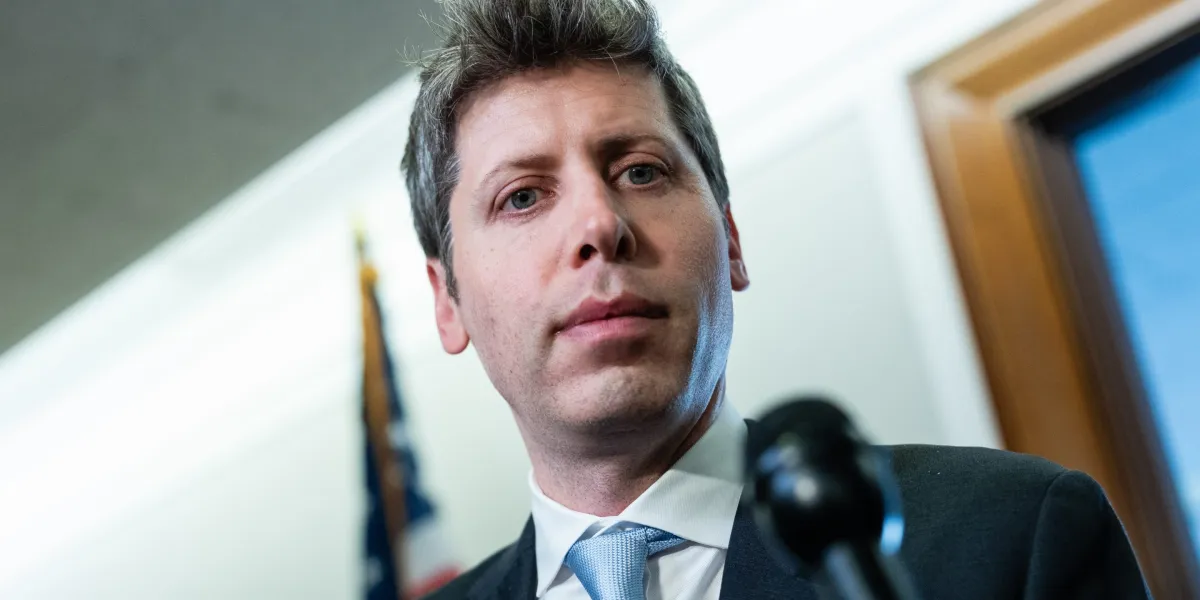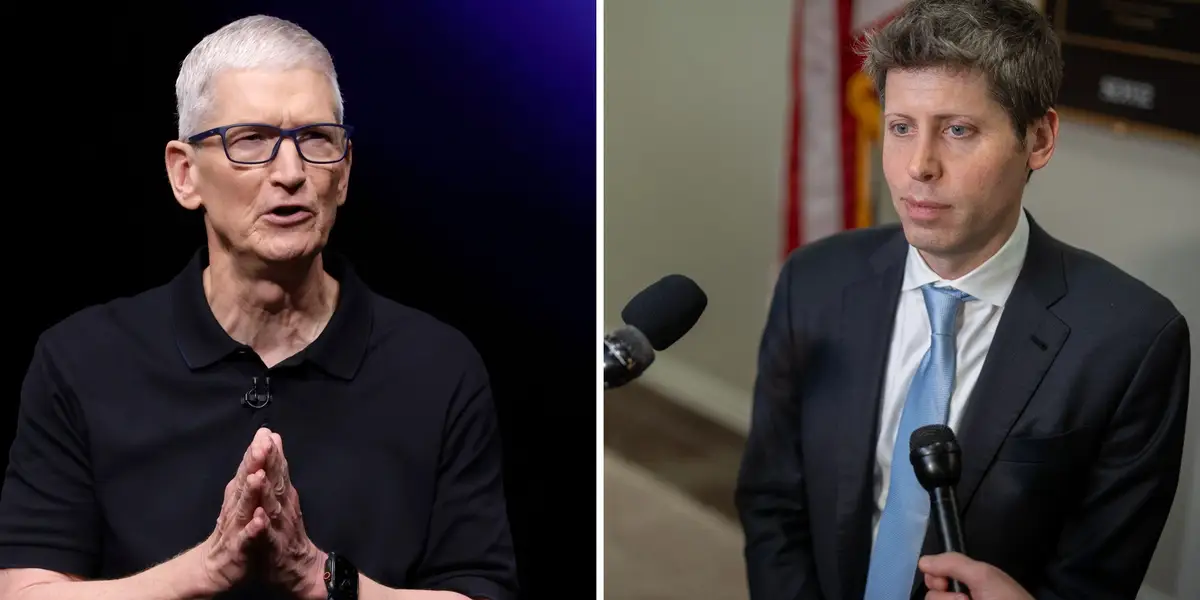
OpenAI CEO Sam Altman
Kevin Dietsch/Getty Images
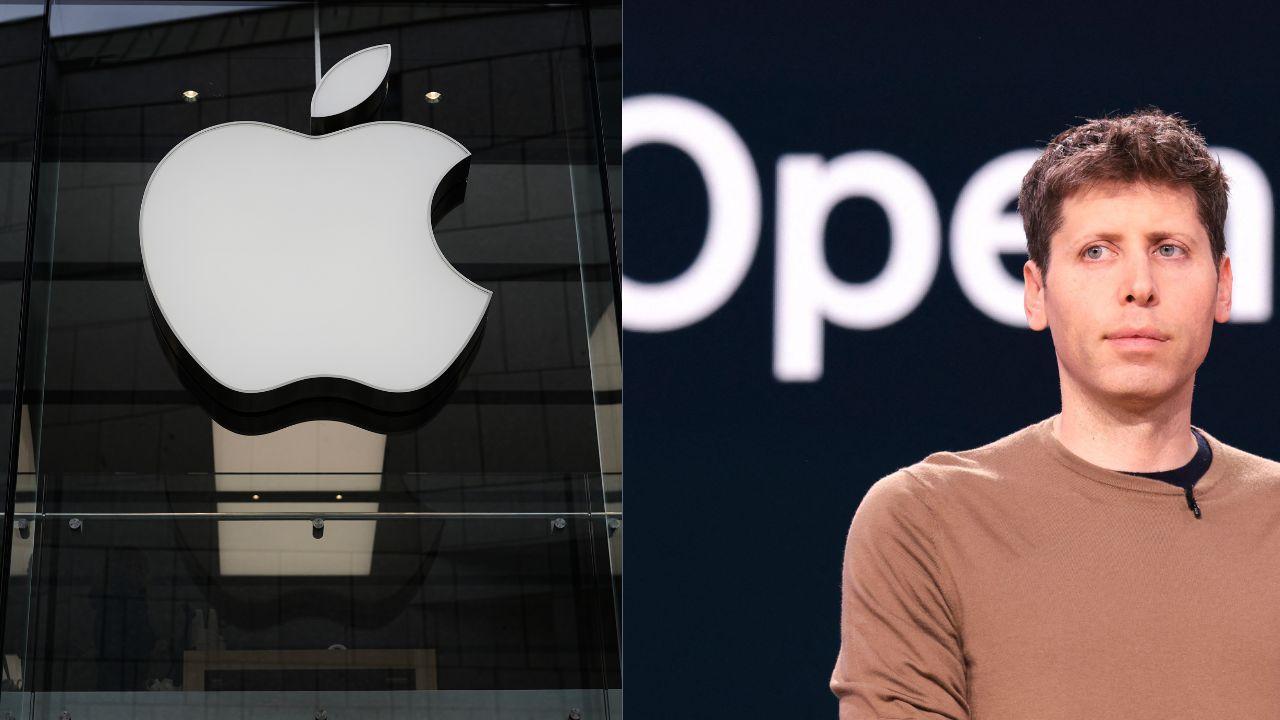
For years, Silicon Valley has had a comfortable way of digesting disruption. OpenAI is refusing to play by these unspoken rules.That's my takeaway after reviewing Apple's angry lawsuit against the AI startup, and coverage of the blockbuster complaint.The usual Silicon Valley playbook goes something like this: engineers work on secret projects inside Big Tech, gain expertise, then sometimes leave to start companies of their own.Most of these startups stay relatively small. They solve narrow technical problems that Apple, Google, Nvidia, or Amazon haven't prioritized. Many fail. The successful ones usually become suppliers, software partners, or acquisition targets. Either way, they end up strengthening the existing dominant players.Less risk, more controlThat arrangement suits Big Tech just fine. Let someone else take the technical and financial risk, then use the new technology once it's proven, or buy the startup to control the products and the people behind it.Sometimes it's an acqui-hire after a startup fails. Sometimes it's a multibillion-dollar deal after it succeeds. Either way, the founders often end up back at Big Tech companies, the cycle begins again.For example, I have a neighbor in Silicon Valley who developed a specialized semiconductor component at a startup. Apple acquired that business, and he spent about four years in Cupertino doing similar work that helped make AirPods successful.