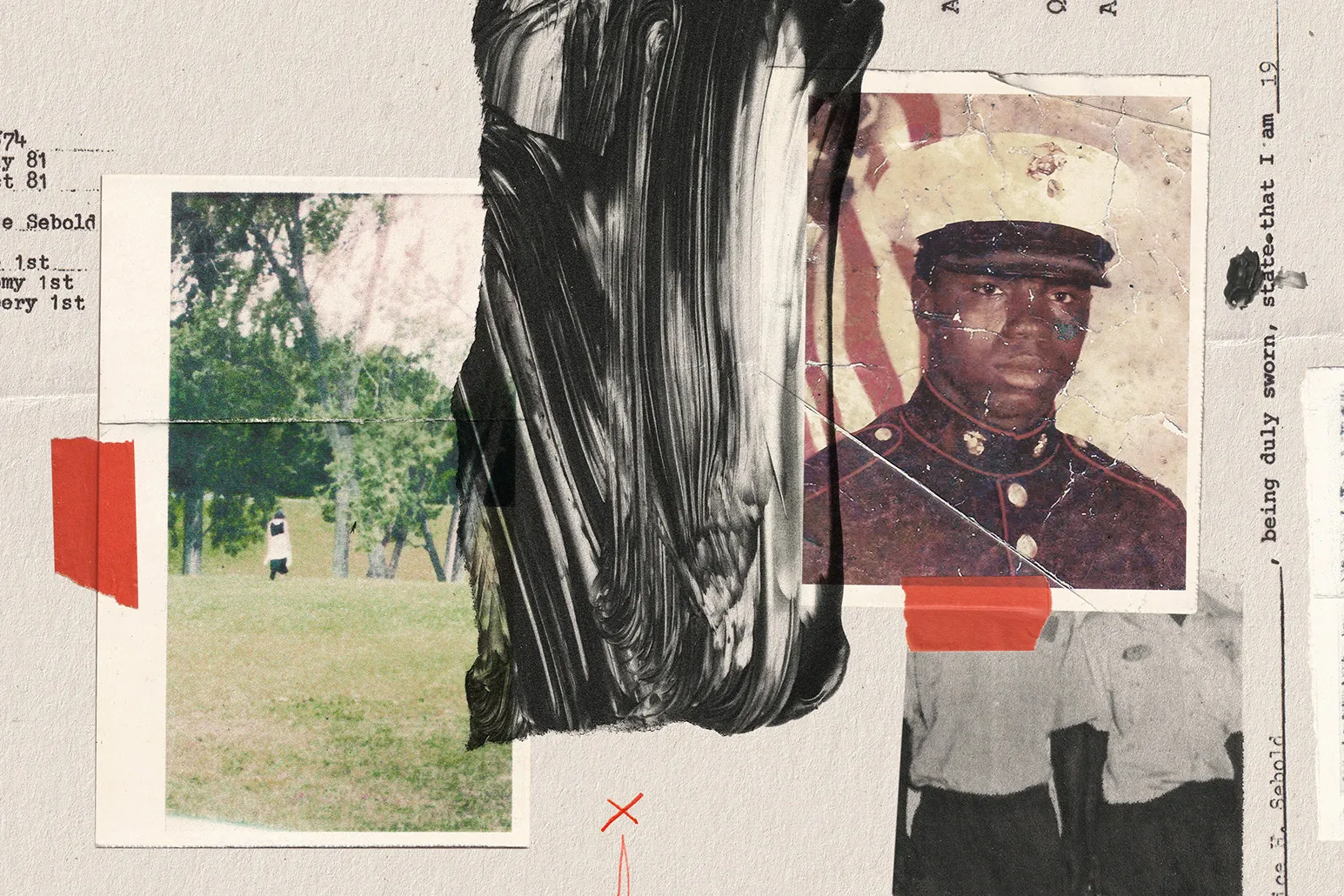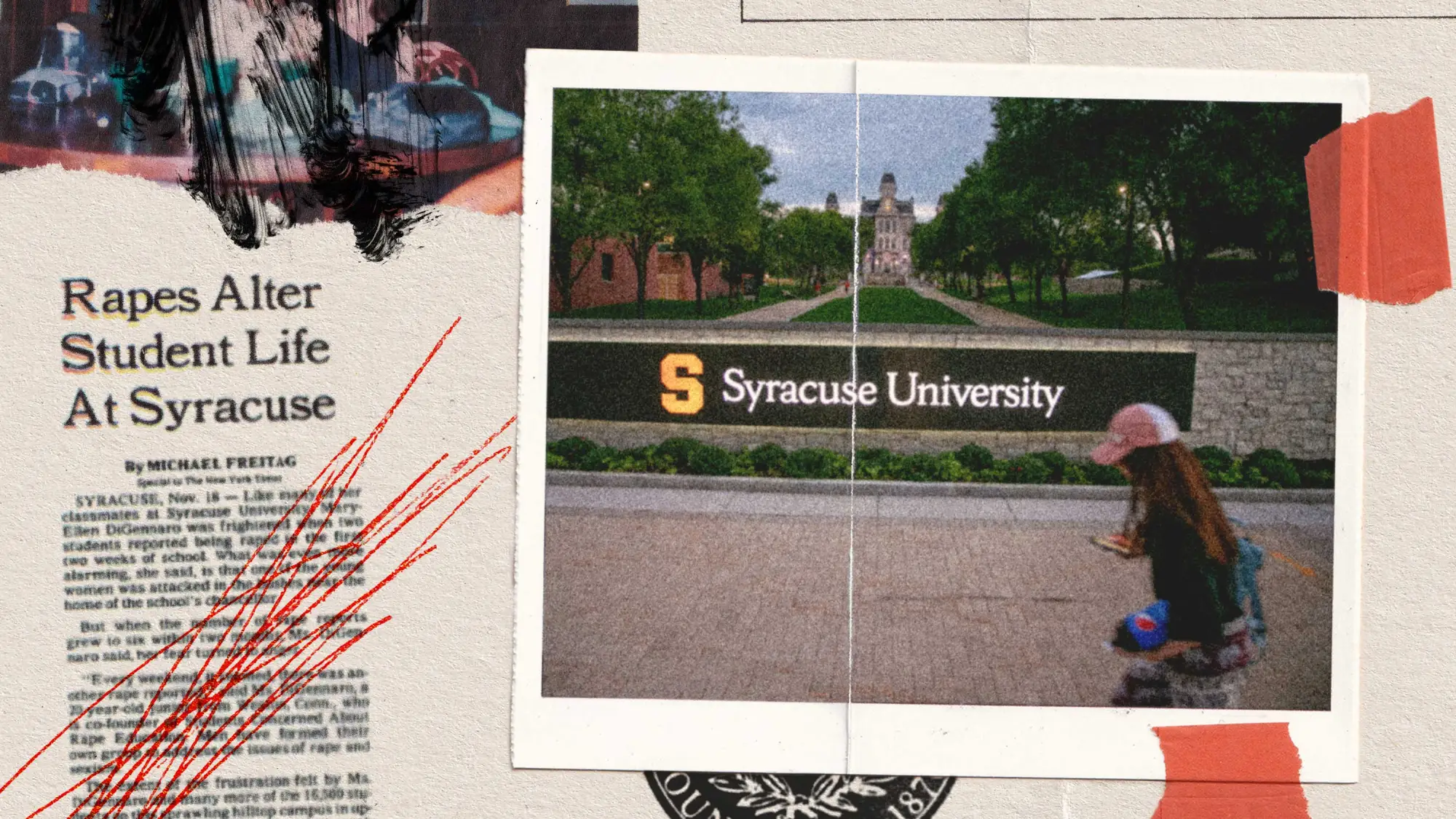
There’s one indisputable fact about the events of the night of May 8, 1981: Alice Sebold, who had earlier that day just completed her freshman year at Syracuse University, was brutally raped while walking home through a park.
Anthony Broadwater was arrested several months later and subsequently convicted of the assault. He’d spend 16 years in prison, repeatedly being denied parole because he refused to admit guilt. Upon his release in 1998, he was required to register as a sex offender.
Sebold would go on to write and speak about the attack, culminating in the publication of “Lucky,” a memoir about the rape. The book would become a bestseller after the success of Sebold’s first novel, “The Lovely Bones.”
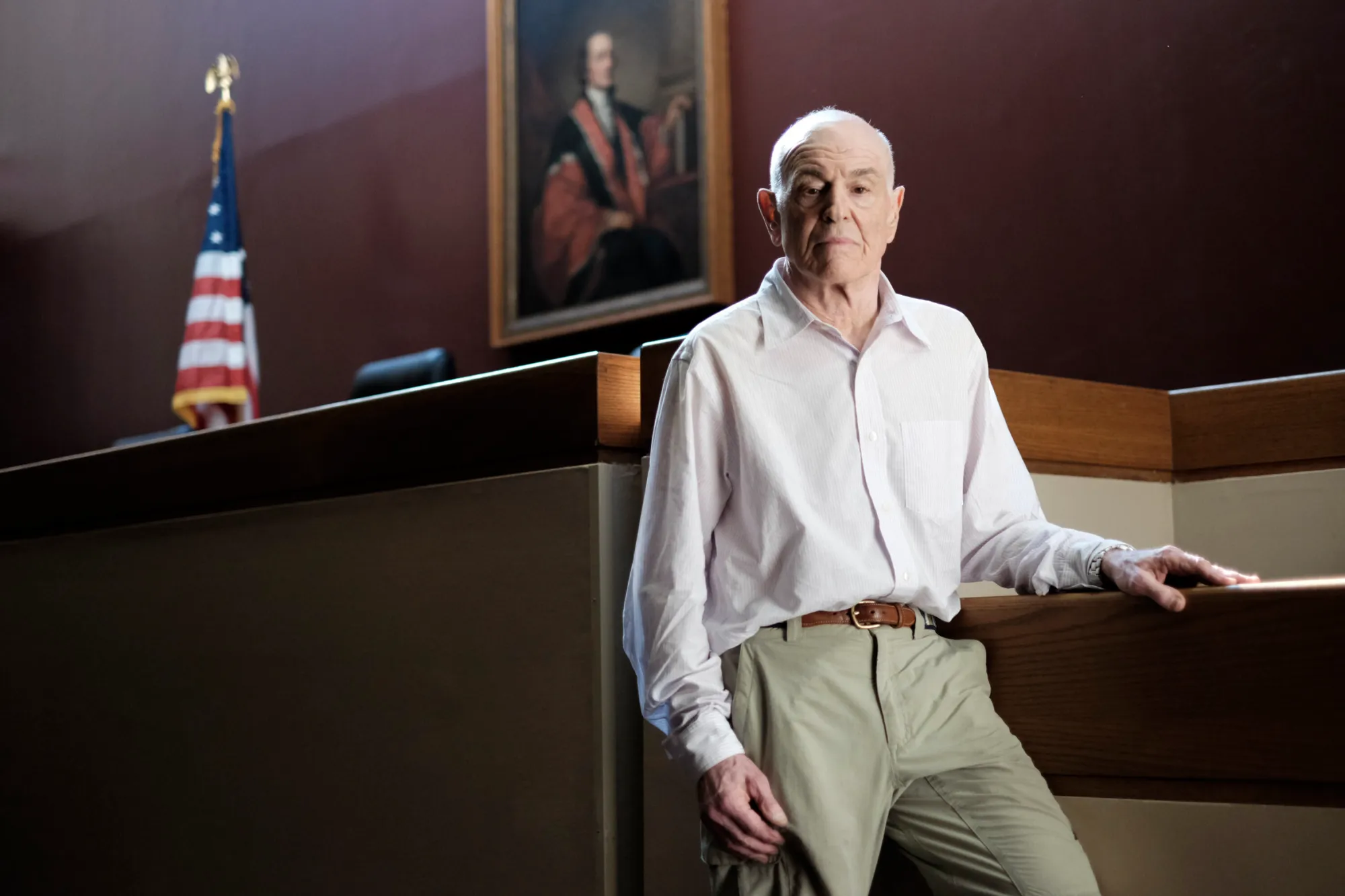
But 40 years after the assault, a court vacated Broadwater’s conviction after the Syracuse district attorney joined a motion to clear him and said in court that Broadwater should never have been prosecuted. While the exoneration made headlines around the world, we wondered how many other victims in Syracuse had been left behind and what else the police might have missed.
What we discovered: No part of the system in Syracuse at the time could be depended on. Police brushed off rapes. Prosecutors bungled confessions or were defeated at trial. Judges overlooked irregularities. And Syracuse University seemed more interested in suppressing news of a rape epidemic than solving it.