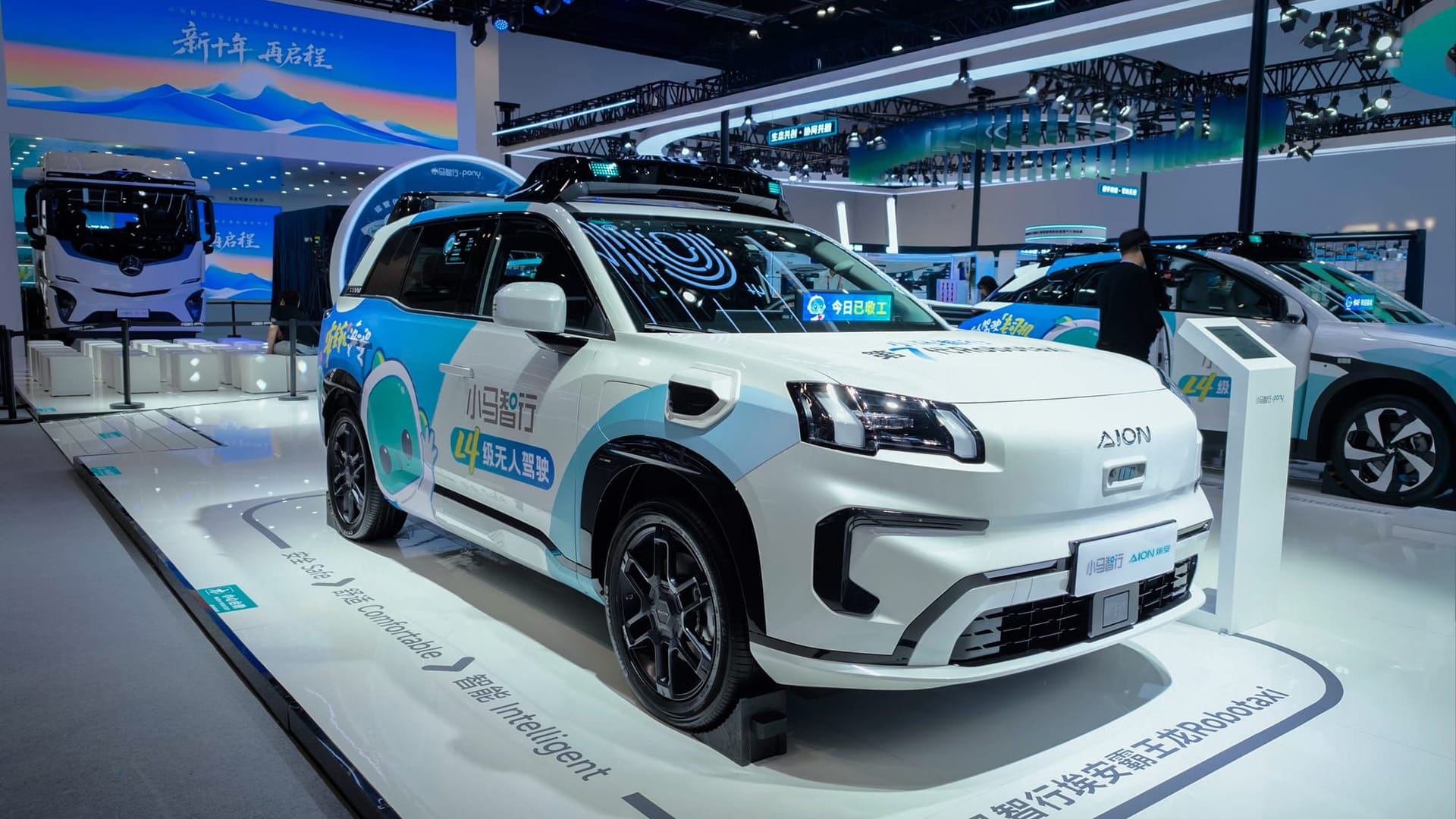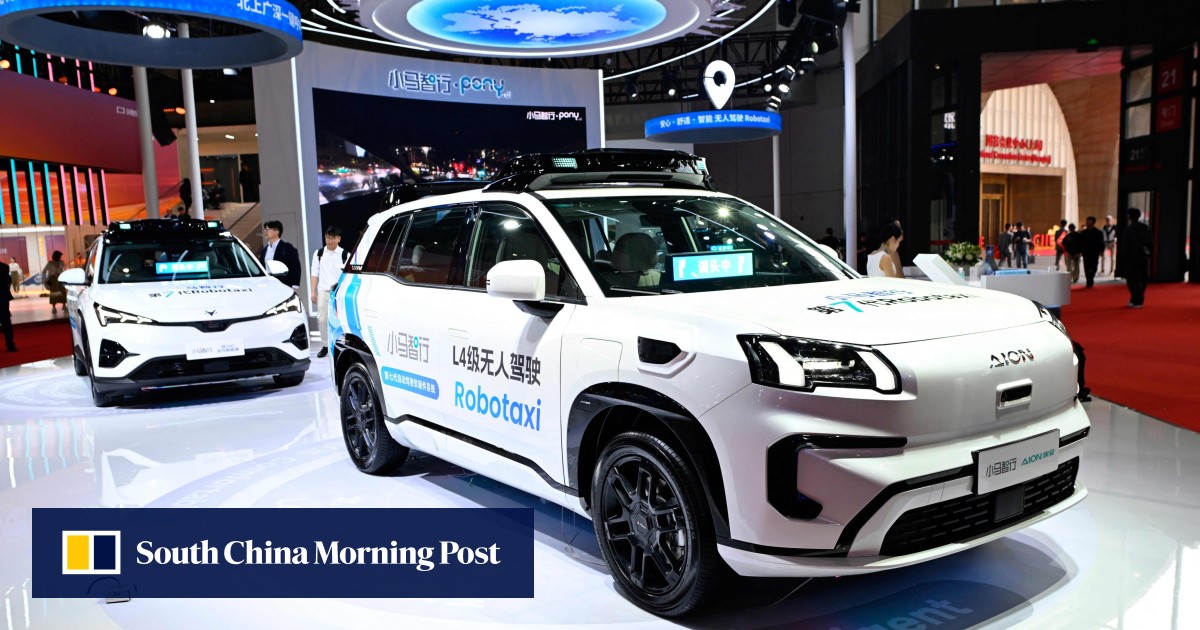
When James Peng founded Pony.ai in 2016, he expected robotaxis, or autonomous taxi services, to need at least a decade of work before moving from long-term vision to large-scale deployment. The technology had to mature. Laws and regulations had to catch up. Public acceptance also had to be tested.
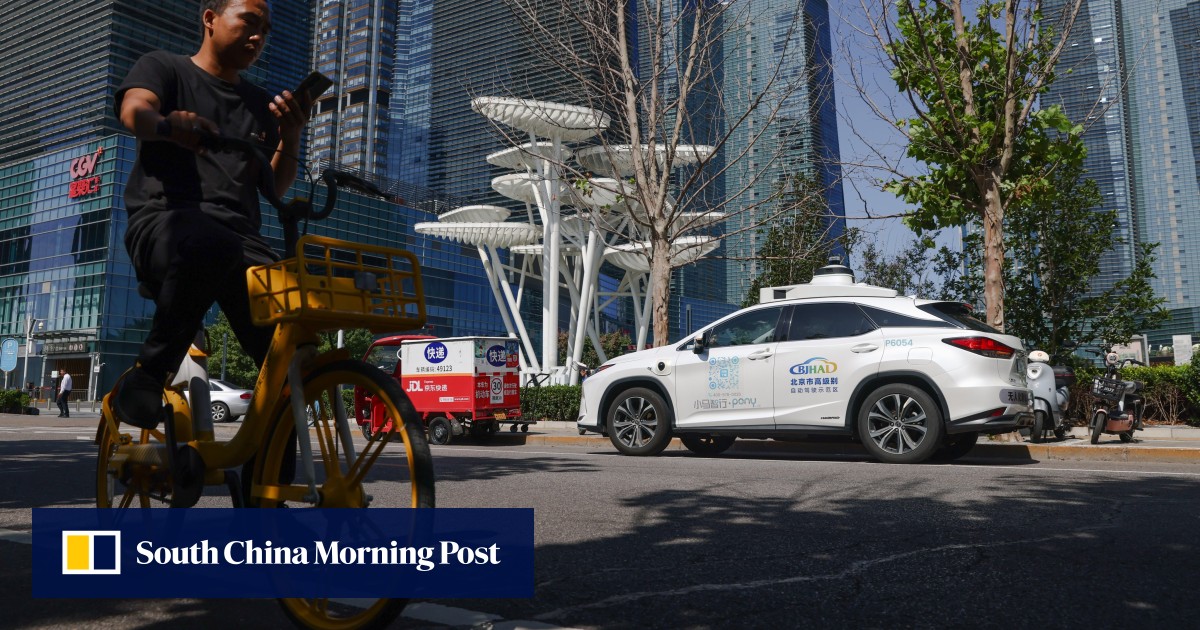
That timeline has largely held. Waymo vehicles now move through the streets of San Francisco, while Pony.ai’s fleet accepts ride-hailing orders in Shenzhen’s busy Nanshan district. Autonomous vehicles have entered public traffic and begun commercial operations.
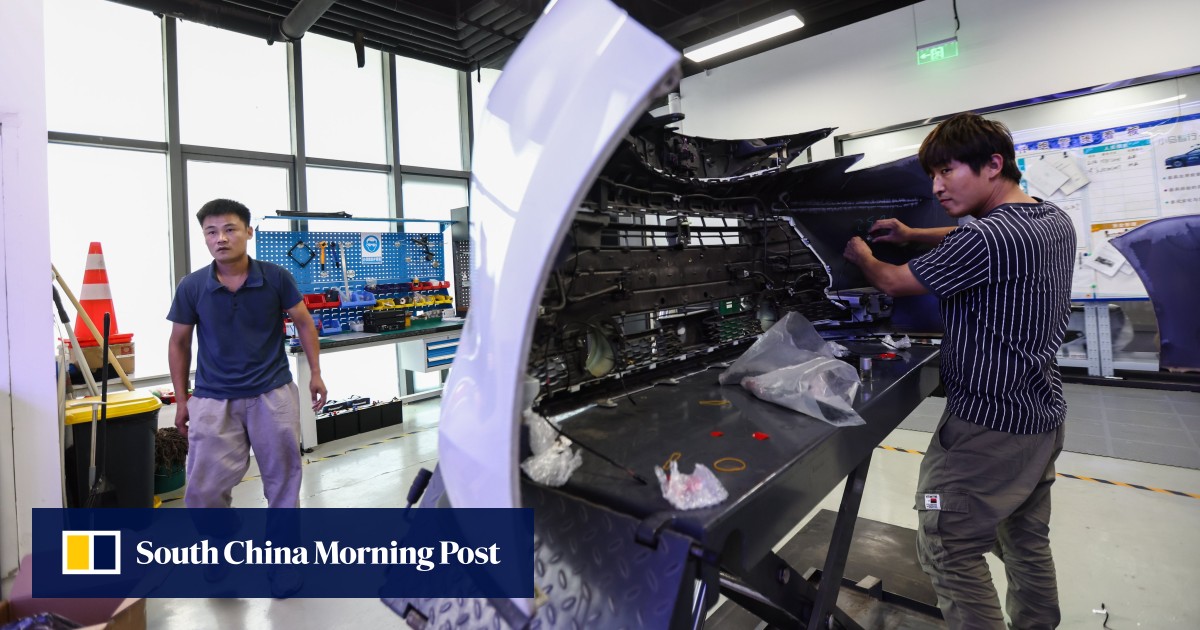
What Peng may not have anticipated ten years ago was that one of the key constraints on rapid fleet expansion would be a set of routine operations and maintenance tasks that become more complicated once the driver is removed.
When a human is behind the wheel, the driver handles charging, car washing, vehicle maintenance, and even helping passengers with luggage. Once autonomous vehicles enter service, these invisible errands become operational problems of their own.
In an interview, Pony.ai CEO James Peng spoke with 36Kr about robotaxi deployment and operations, the company’s choices around mass production for its Level 2 driver assistance business, its decision not to rush into embodied intelligence, and its technical approach.