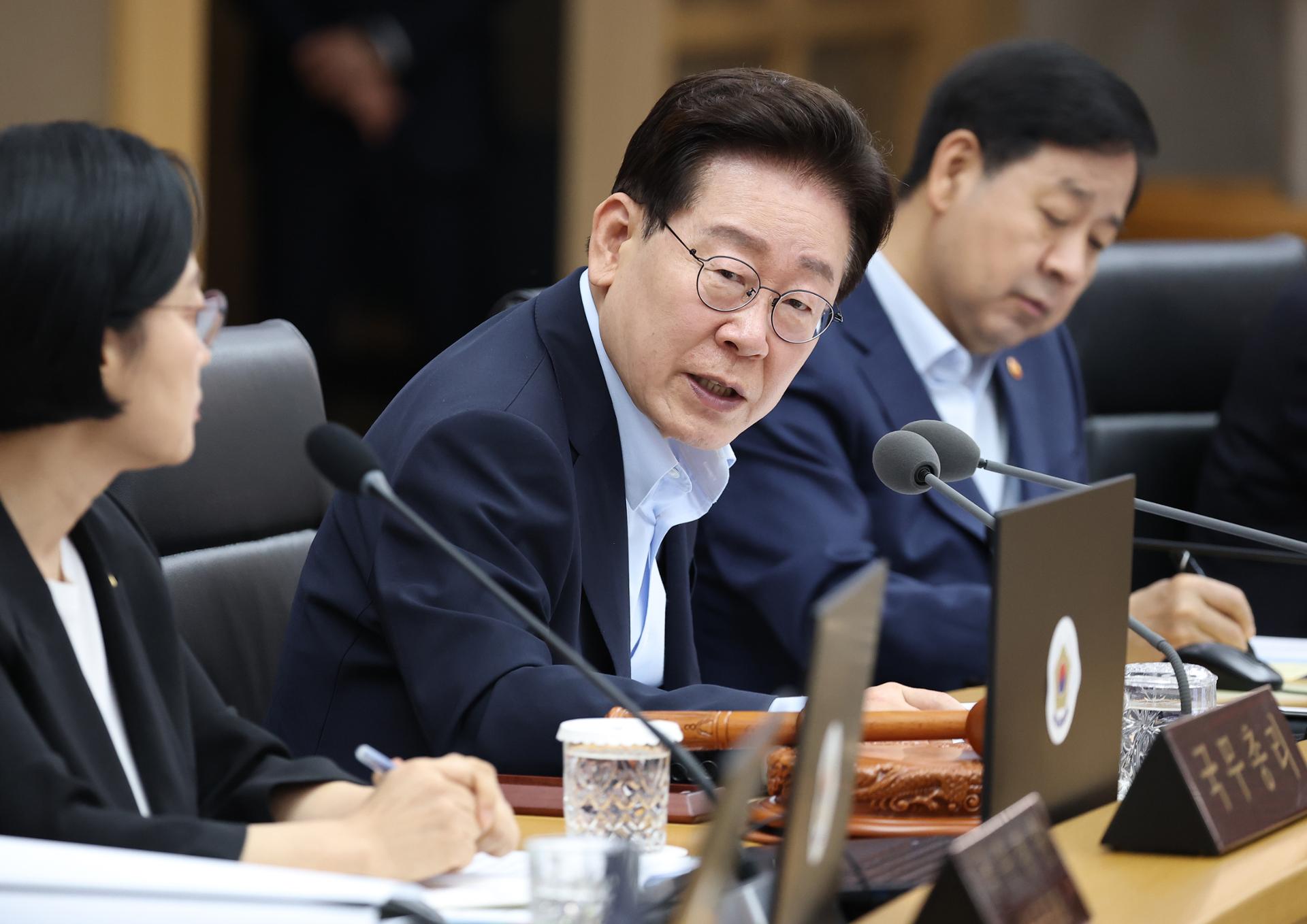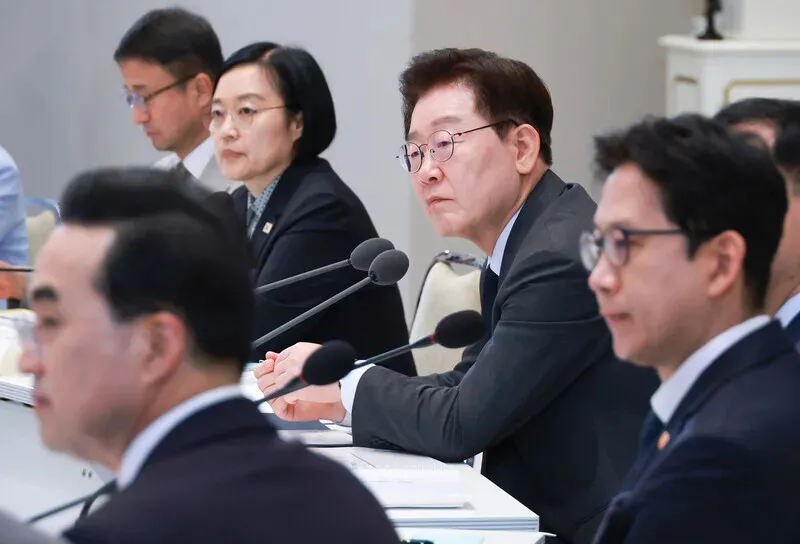
President Lee Jae Myung attends a meeting on state financial strategy at the Blue House on July 13, 2026. (Yonhap)
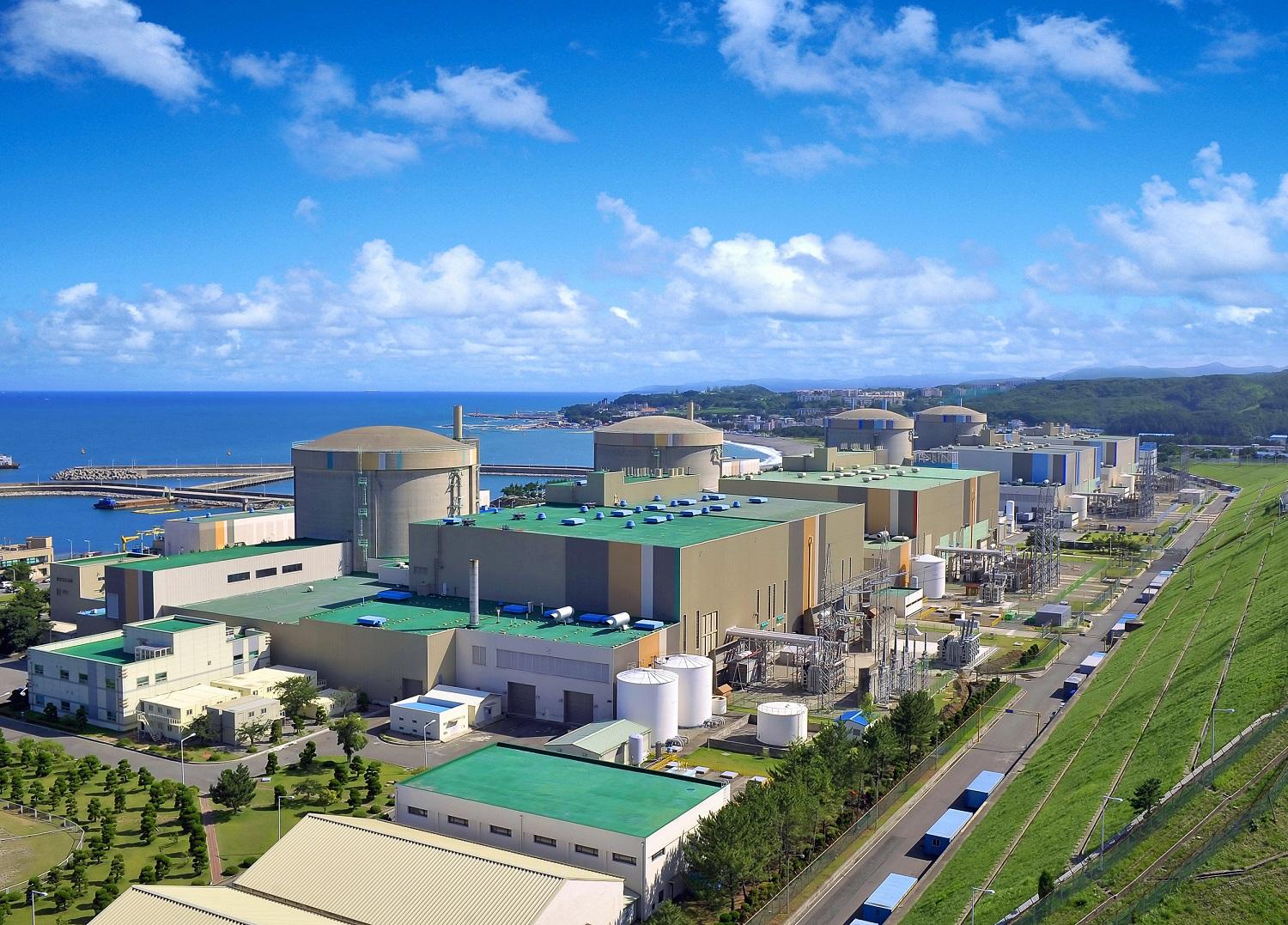
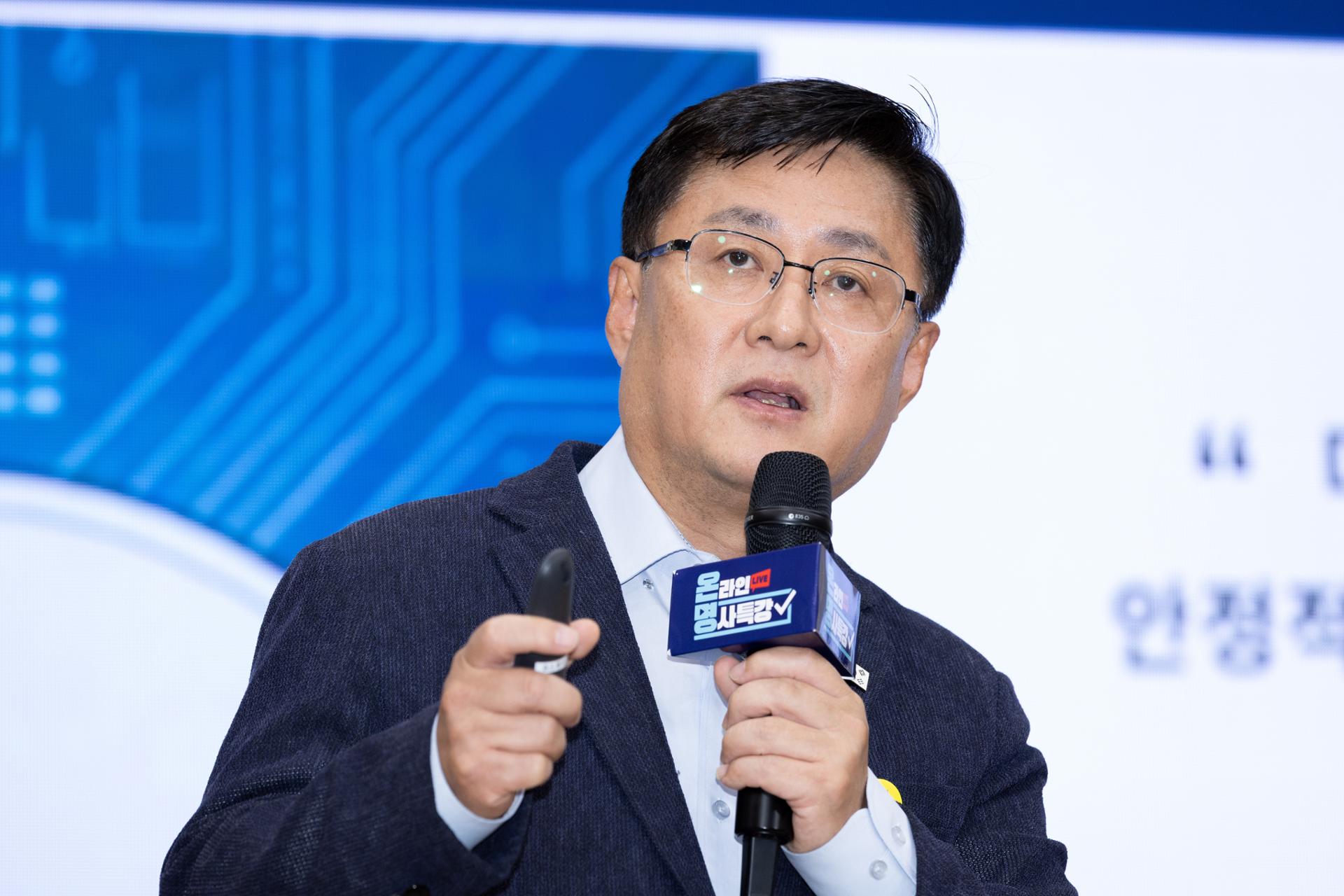
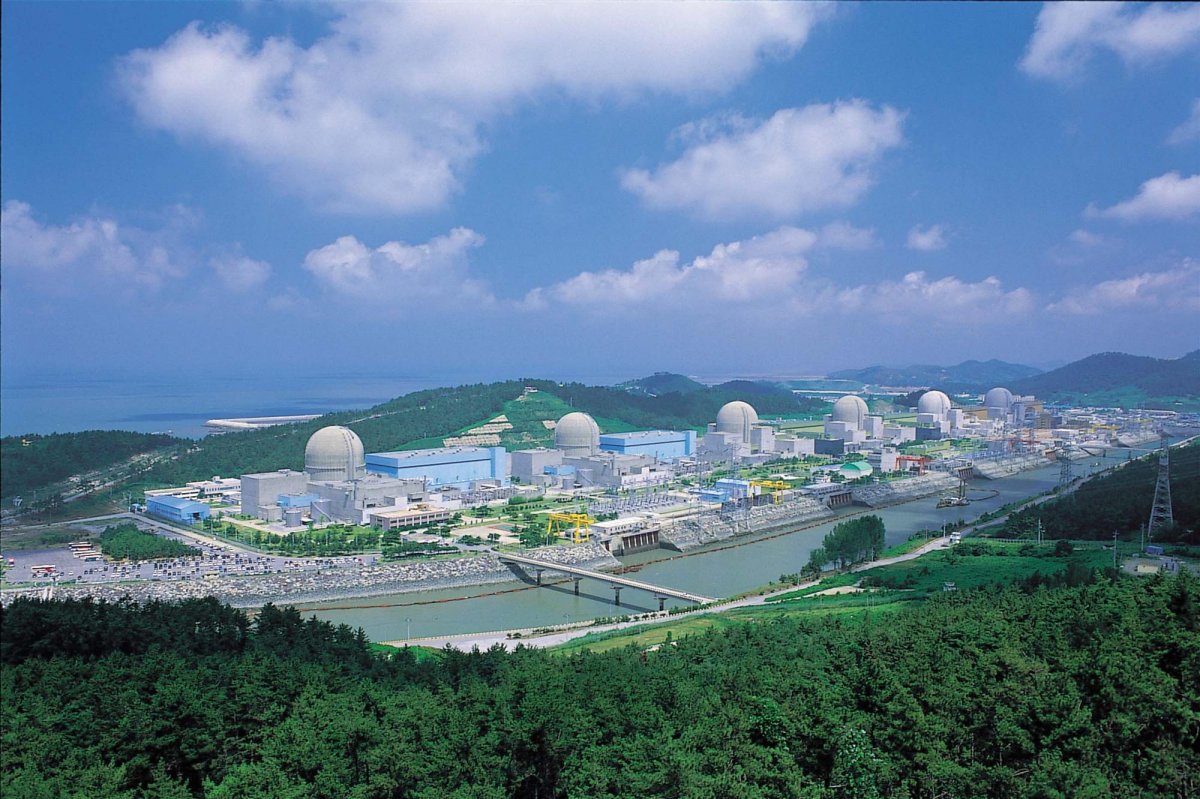
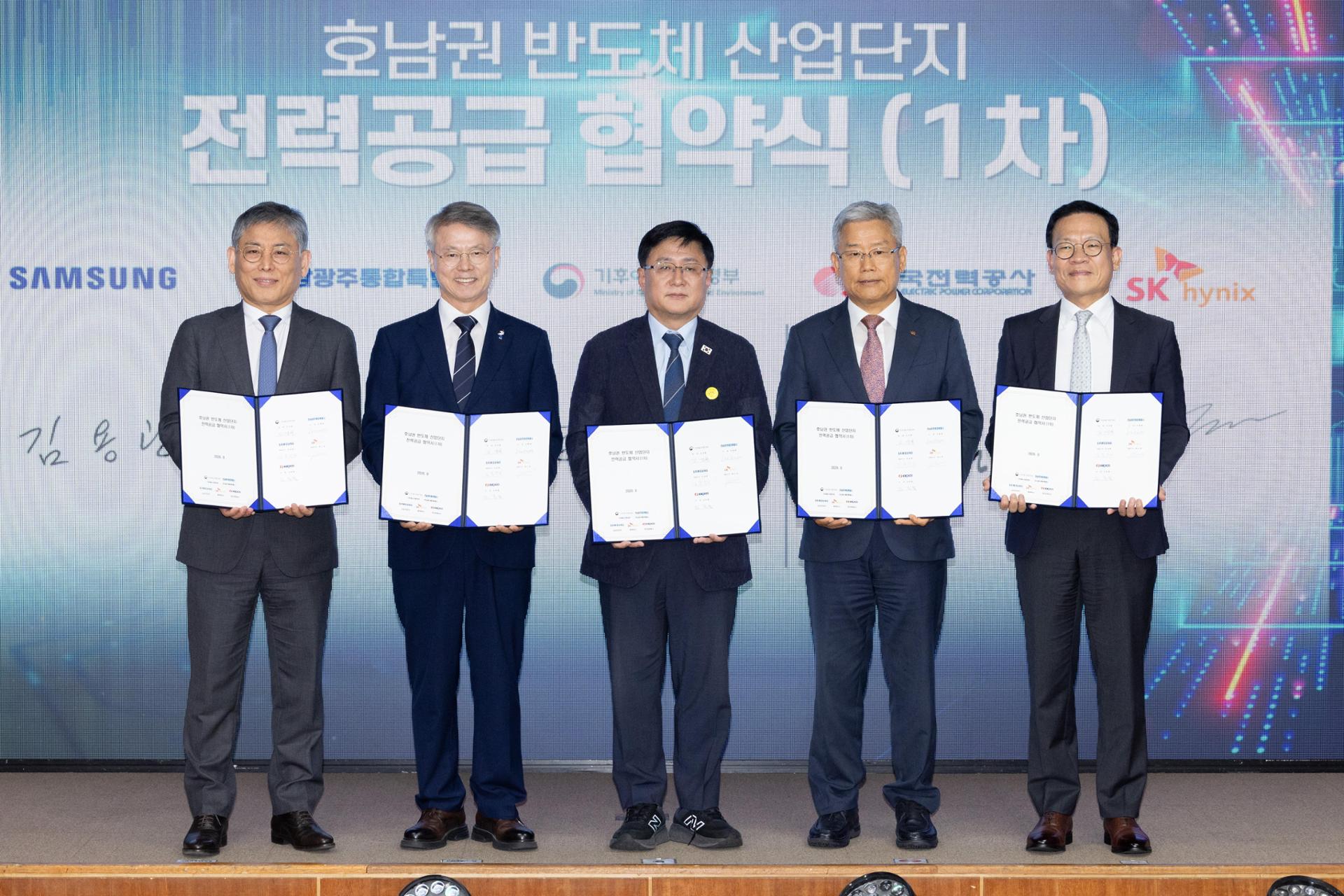
South Korea officially announced plans to consider building more nuclear power plants and small modular reactors (SMRs) in the country.The idea is to have the country keep up with surging electricity demand driven by the expansion of semiconductor industrial complexes in Yongin, Gyeonggi Province, and the southwest greater Jeolla region as well as artificial intelligence data centers. Yet this proposed expansion of nuclear energy is expected to ramp up debate over the direction of energy policy, considering the Lee administration’s previous commitments to further developing renewable energy. “To handle the surge in electricity demand and ensure stable power supply, we will incorporate the decision on whether to introduce new nuclear power plants and SMRs in the 12th Basic Plan for Electricity Supply and Demand after gathering expert opinions and holding a public debate,” Minister of Climate, Energy and Environment Kim Sung-whan said Monday at a national fiscal strategy meeting chaired by President Lee Jae Myung. Since last week’s announcement of three megaprojects investing in infrastructure for semiconductors and AI, Kim and Kang Hoon-sik, the Blue House chief of staff, have made references to the need for additional nuclear plants, but this is the first time for the potential construction of more reactors to be mentioned at an official government meeting. The basic plan is scheduled to be finalized ahead of this year’s regular session of the National Assembly.Those present at the meeting cited surging electricity demand as the basis for mulling the building of more plants. Kim said an additional 30 gigawatts of power are needed just for confirmed projects such as the semiconductor clusters in Yongin and the greater Jeolla area and AI data centers.Electricity demand could surge over 50 gigawatts by 2040 after factoring in the shift to electric vehicles and the electrification of building heating. “We must also consider the gradual phaseout of coal-fired power generation,” Kim said. “We must expedite the energy transition by raising renewable energy capacity to at least 100 gigawatts by 2030, accompanied by the use of nuclear power.”Also announced were plans to overhaul power generation and supply to facilitate a transition toward a “produce locally, consume locally” model and maximize the use of the nation’s high-voltage transmission network. Where necessary, power lines will be installed underground to minimize complaints from the public.In addition, a proposed system of “sunshine income villages” will offer cash for surplus electricity generated from solar cells at private homes. Another initiative is to turn 87 islands nationwide like Ulleung, Baengnyeong and Chuja into “RE100 islands” running entirely on green power by 2030. RE100 stands for “100% renewable energy.”The meeting also covered securing industrial water as well as electricity. An estimated 2 million tons of water per day will be needed by 2034 for the Yongin and Jeolla complexes alone, in addition to a million tons per day for high-tech sectors such as AI data centers by 2040.Thus, an idea presented was the integration of the national dam operation system, which is divided into power generation and agricultural purposes, to allow multi-purpose use to secure water for industrial and domestic consumption through measures like raising the height of Dongbok Dam in Gwangju, reusing treated wastewater and expanding desalination of seawater.Also discussed was criticism of the government’s plan as being too fixated on supply expansion.“Excluding the height of both summer and winter, we have an electricity surplus of about 360 days per year,” said Rhie Sang-min, a senior research fellow at the Fiscal Reform Institute. “Even if trillions of won are spent to build power plants, when the facilities sit idle, those costs are eventually passed on to consumers’ electricity bills.”Others also argued for demand-side management measures to distribute power consumption and raise efficiency as well as expand power generation capacity.In response, the president said that Korea “admittedly has an electricity surplus excluding peak hours.” “We need to change to a system in which rates are lower in times of surplus and raised in times of shortage,” he said. Given that power rates for homes are lower than those for industry, he hinted at the possibility of utility hikes, saying, “If not for concerns over inflationary pressure or household incomes, this situation would require adjustment.” But he also urged further discussion, saying increases in rates “must be accompanied by an expansion of energy vouchers for low-income households.”By Jang Soo-kyung, staff reporterPlease direct questions or comments to [english@hani.co.kr]