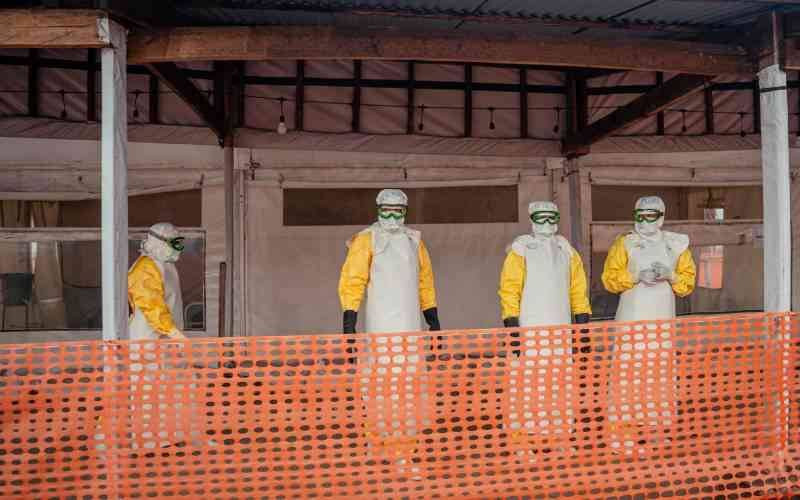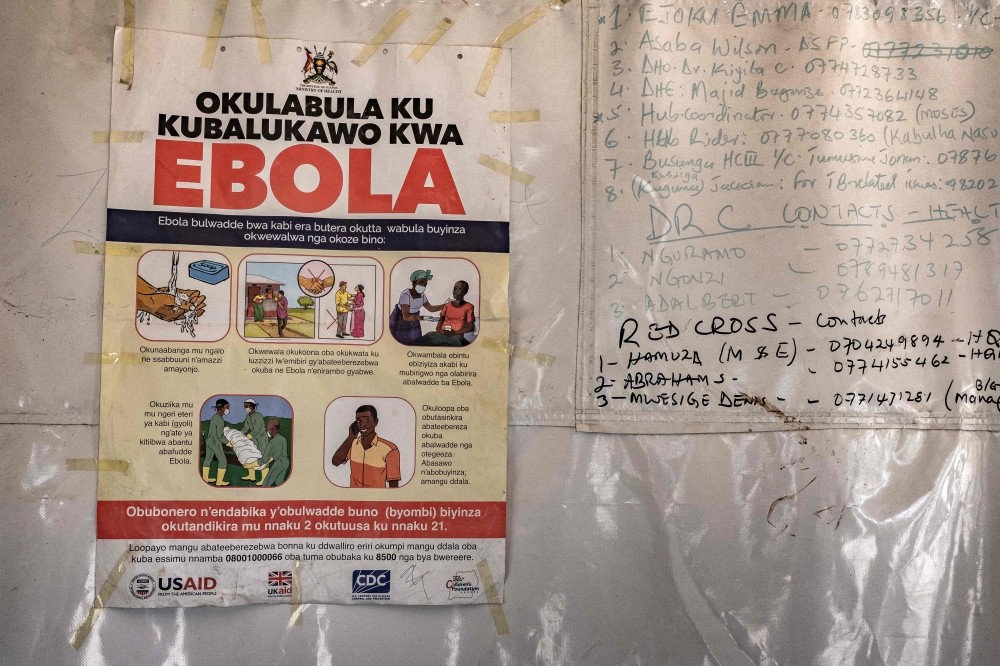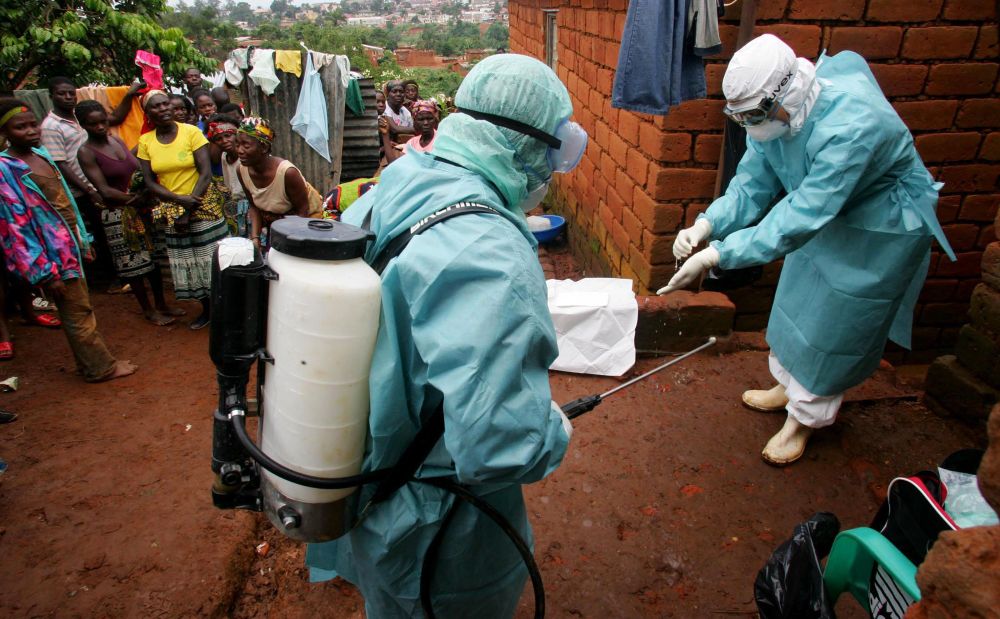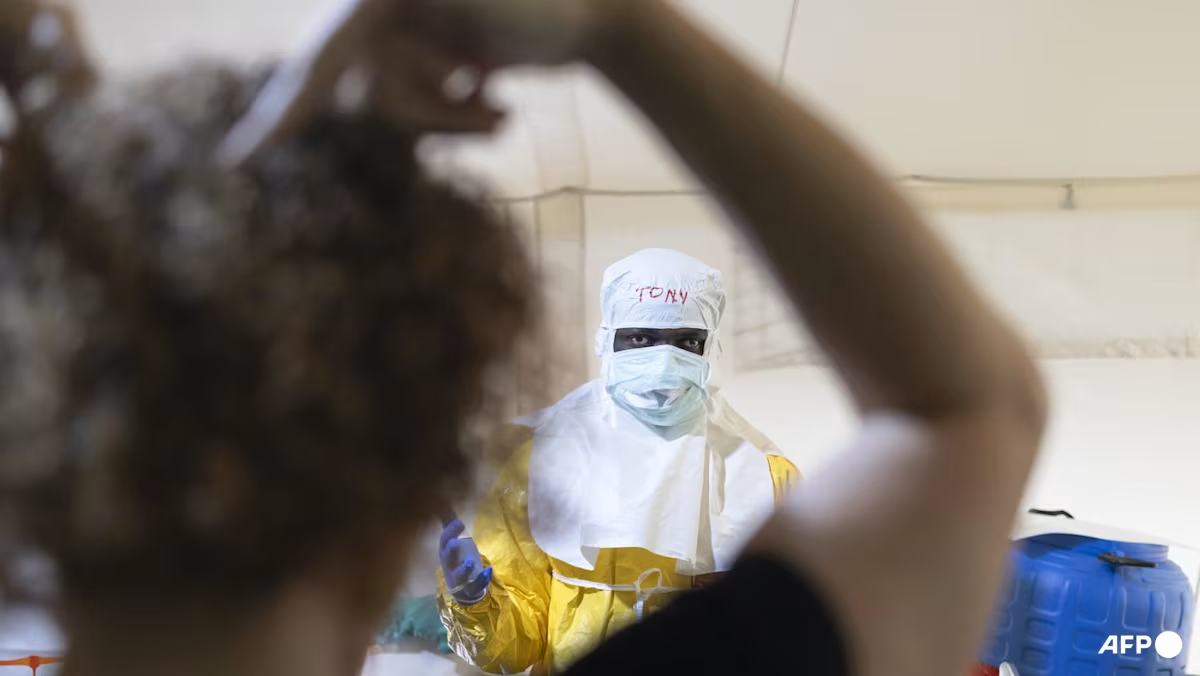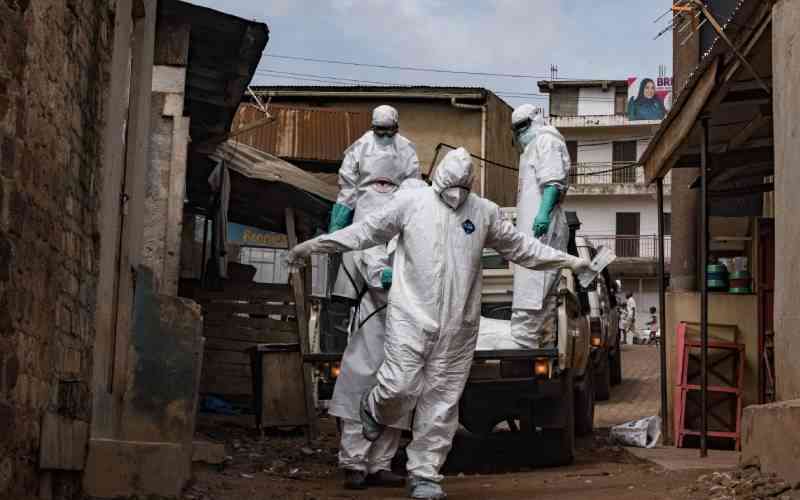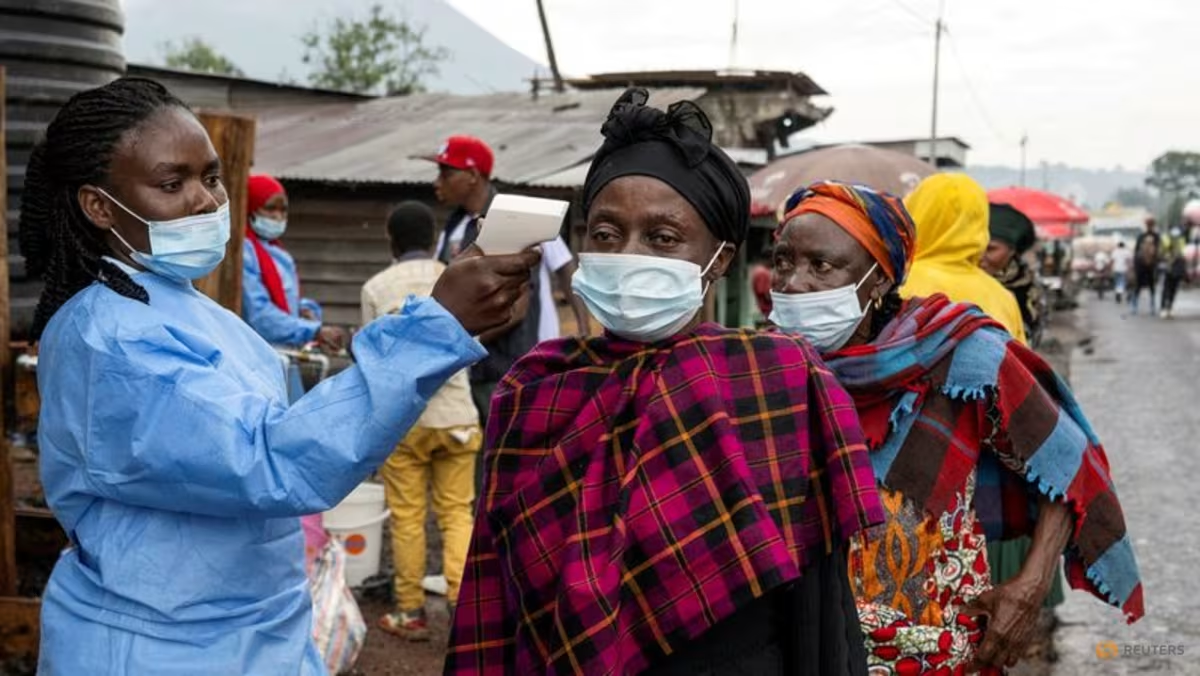
SINGAPORE: Singapore will contribute US$2 million to support the ongoing Ebola Bundibugyo virus outbreak response in the Democratic Republic of Congo and Uganda, the Ministry of Health (MOH) and Communicable Diseases Agency (CDA) said on Tuesday (Jul 14).In a joint release, MOH and CDA announced that Singapore’s contribution will support efforts in laboratory testing and contact tracing, infection prevention and control, and case management on the ground.It will also go towards procuring vital supplies, including diagnostic and laboratory equipment, personal protective equipment and infection control supplies, and essential medicines, fluids, blood products, oxygen and critical care equipment.The contribution will be made through the Africa Centres for Disease Control and Prevention (Africa CDC) and the World Health Organization (WHO) in support of the joint Continental Preparedness and Response plan launched on Jun 5.The Ebola Bundibugyo outbreak was declared a public health emergency of international concern by the WHO on May 17 and a public health emergency of continental security by Africa CDC the following day.According to the WHO, the outbreak in DR Congo is evolving rapidly, with sustained transmission and a rising number of reported cases.Updated numbers issued last week by the WHO showed there had been 1,759 confirmed cases in DR Congo since the onset of the outbreak in mid-May, including 600 confirmed deaths.Wessam Mankoula, head of emergency preparedness and response for Africa CDC, warned that this is the "fastest growing Ebola outbreak ever, not only among the previous Bundibugyo outbreaks, but all the different viruses that are causing Ebola".The Ebola disease is a severe and often fatal illness caused by the Ebola virus, with an incubation period ranging from two to 21 days. It is mainly transmitted through direct contact with the blood and bodily fluids of infected persons – including the bodies of those who have died from the disease – as well as surfaces and materials contaminated with these fluids. Symptoms typically begin suddenly and include fever, fatigue, malaise, muscle pain, and headache. These are followed by vomiting, diarrhoea, abdominal pain, unexplained bleeding, and multi-organ impairment. A person infected with Ebola is not contagious until symptoms appear, CDA said.
Singapore pledges US$2 million to support Ebola response in DR Congo and Uganda
Singapore’s contribution will support efforts in laboratory testing and contact tracing, infection prevention and control, and case management on the ground, the Ministry of Health and the Communicable Diseases Agency said in a joint release.
536 words~2 min read