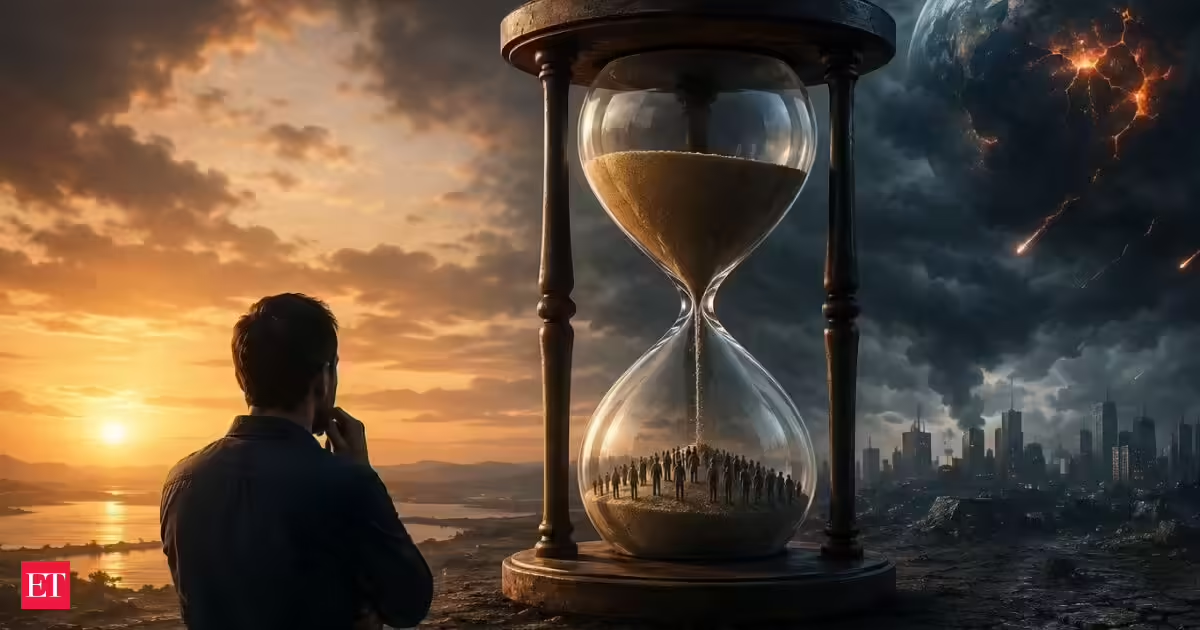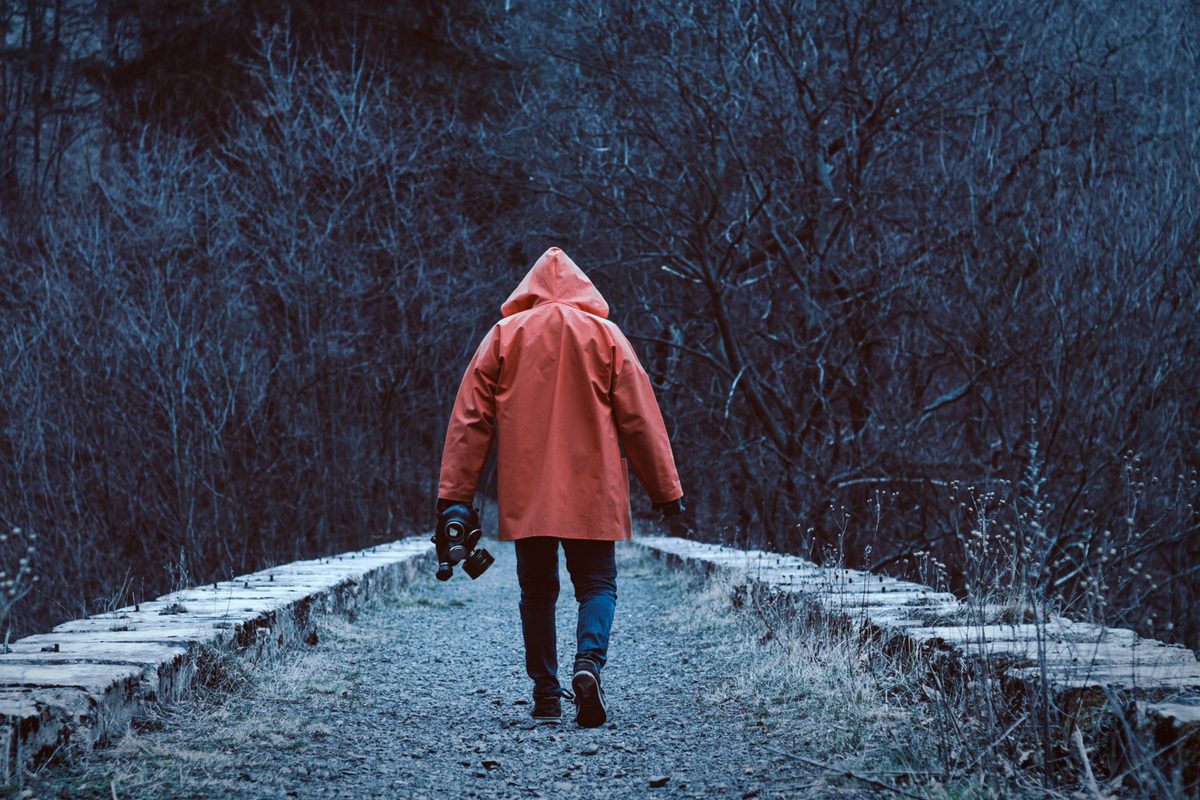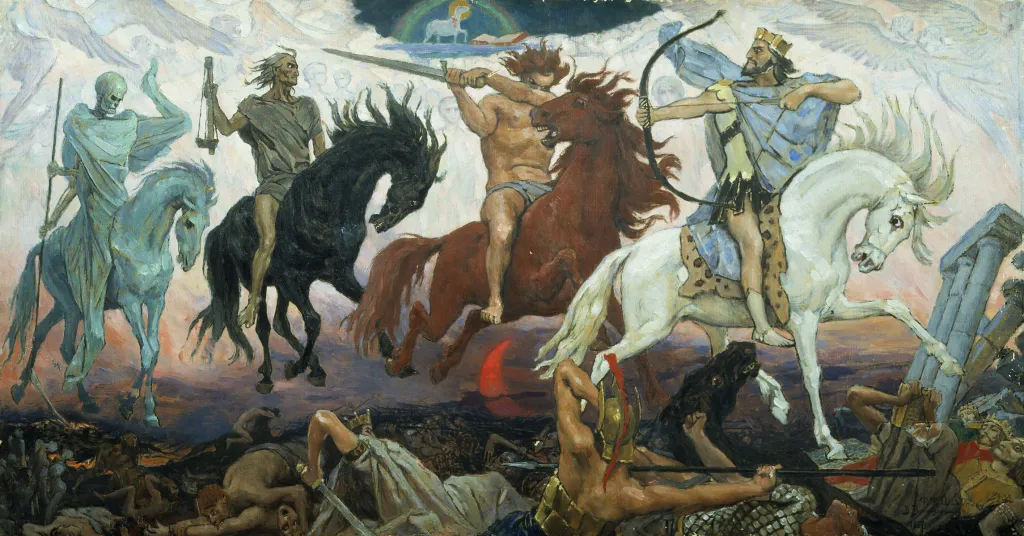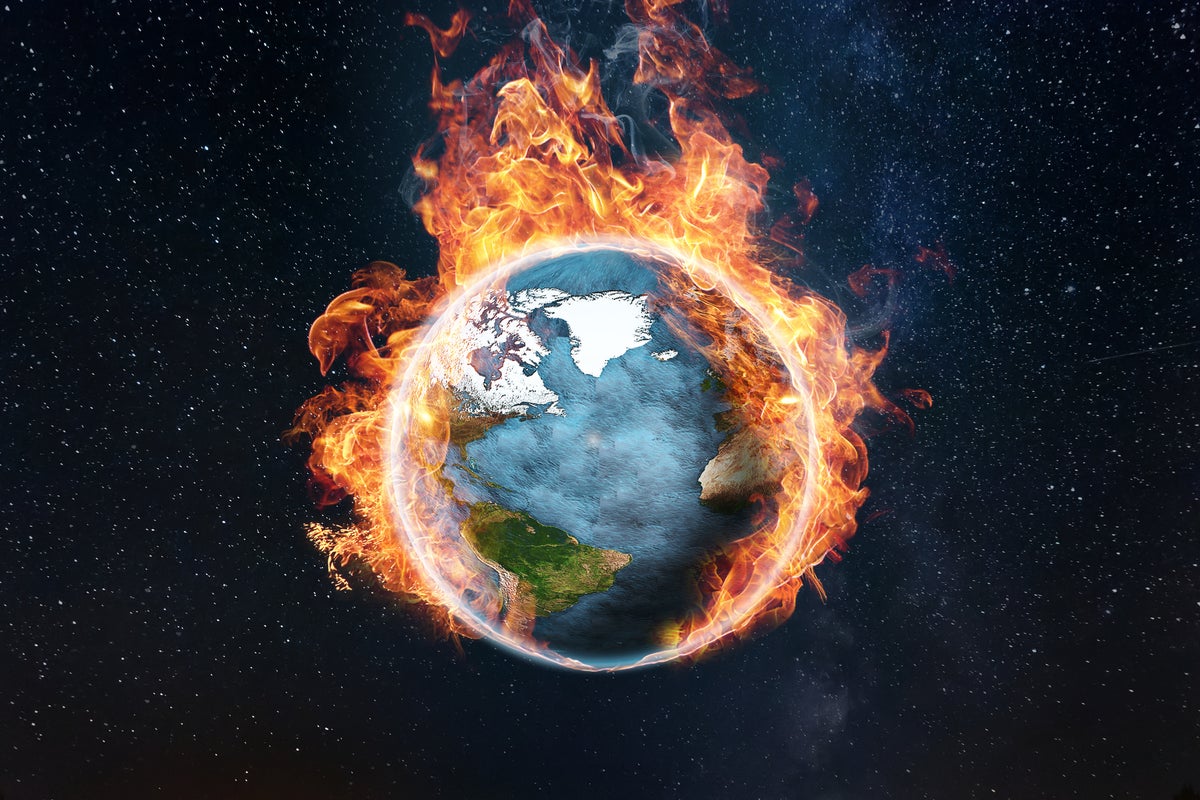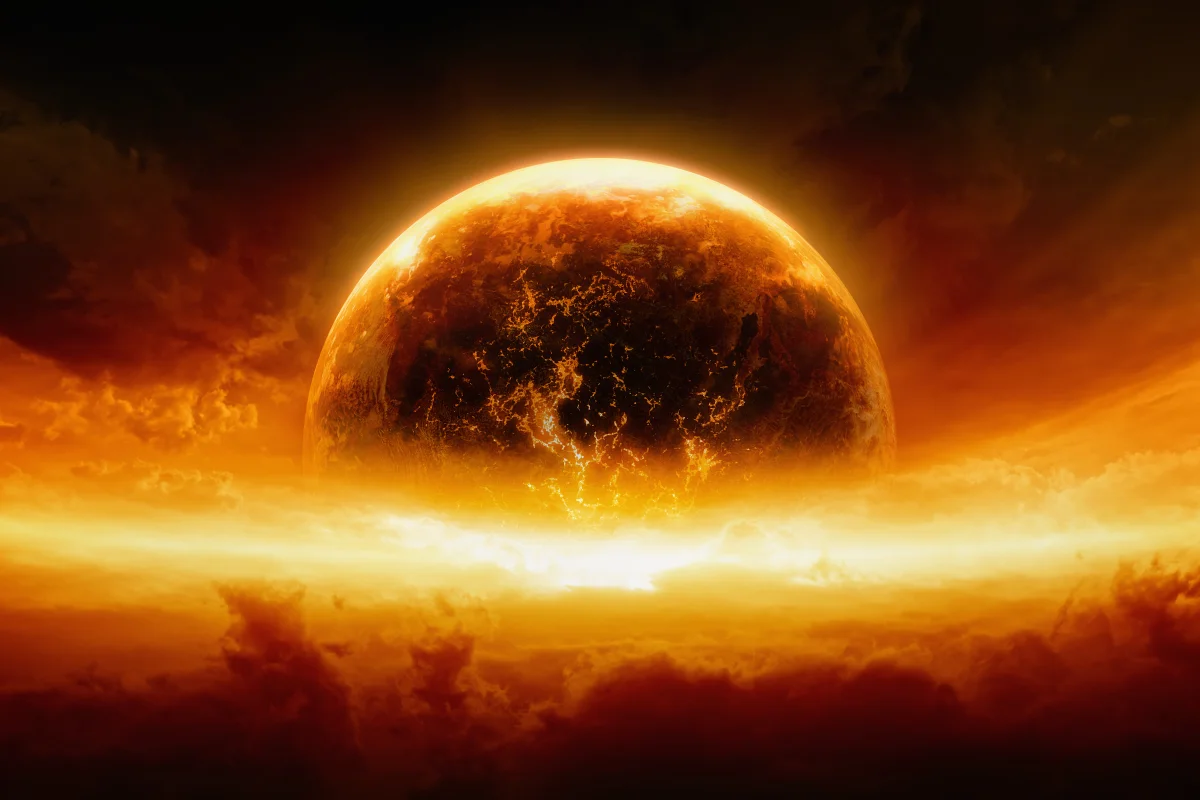
My friends and I have begun taking bets on when the apocalypse will happen. The years we picked did not matter so much as the fact that we all agreed that we would see it in our lifetime. In fact, everyone in my generation that I’ve talked to confesses almost shamefully that at the back of their mind, there is a sense that everything is going terribly wrong.The apocalypse, for our generation, can be best understood as — and sometimes at — an all-you-can-eat buffet. Every time I visit a buffet, a wave of nausea and dread washes over me. People rush past each other with dishes stacked with delicacies, from tropical fruits to steaming meat. The floors and tables are sticky with the memory of countless food spills past. Dishes of half-eaten food are whisked away by unseen waiters, presumably to be discarded by the truckload. While I bite down on the leg of a turkey and its juices run down my chin, a mother carefully divides her rationed bread and hands her starving child the bigger piece in Gaza, in Sudan, in Haiti.For environmentalists, the apocalypse is the still-rising GHG emissions and annual historic heat waves. For technocrats, the apocalypse is security vulnerabilities and misinformation in the wake of artificial intelligence. For political scholars, the apocalypse is seen in the rising global tensions across the world as new wars break out and old ones languish unresolved. The list goes on, providing a little bit of something for everyone, only to be whisked away and forgotten.While we may disagree on the exact process, whether it be climate change, forever wars or the slow consolidation of wealth and power by the ruling class, we are headed towards a future drenched red with blood and grey with smoke. This is a stark contrast to the opinions of people in previous generations, who seem to hold onto a belief that continued economic and scientific development will iron out the flaws in the system and usher in a new golden age. While not without merit, this technocratic optimism shatters when I hear children yell slurs they read online with an innocent smile and I see birds build nests out of fiber optic cables left behind by suicide drones.I am aware that claims of the approaching end of days among systemic cruelty have existed beside humanity since the first civilizations, but whenever I see children digging through landfills full of outsourced garbage, whenever I expect to hear the songs of nameless bugs in the grass only to be met with silence or find myself dizzy and nauseous under the scorching sun, I can’t help but think that this time, the prognostication might be real after all.It is certainly tempting, pretraumatized by this red-soaked future, to forsake myself to the whims of the worldly tides, with my focus only on the passing pleasures of the body and explosive accumulation of wealth. Hope is a fragile thing and its flame holds the night at bay and burns my skin. The night’s embrace feels gentle and comforting in comparison, promising the numb peace of sleep.But even in this mire, I have yet to see a fellow human celebrate deforestation and extinctions. Why do we mourn the extinction of the Kauaʻi ʻōʻō or the baiji or the golden toad? Why do we wince when we see ancient trees cut down and processed into logs? Why do we protest against a swamp about to be paved over to make way for a shopping mall?We don’t cry only for the loss we feel. We cry for a scar that now runs forever through our history, that our children will look at and think ,"That’s just the way it’s always been." It is a void where something used to be, a footnote in a textbook. That is precisely why, even when so many say too late to prevent and the only action left is to taste it all before the fires come, I cannot bring myself to accept that the purpose of life lies only in maximizing my pleasure until I die.Even if there is no chance of success, no chance of positive change, the struggle for a better future carries inherent value. The fight against the thousand injustices so casually handed to us, from rising sea levels to the erosion of truth, is so that nobody can stand amid the rubble of that red future and say, "this is what the people wanted," or that "this is how things have always been."I refuse to bet on the apocalypse. I want to prove that, in this era of strife and dehumanization, we did not lay down and allow the tanks and bulldozers to run over us.Kim Young-moo is a Korea Times intern.
[ZOOMER DIARIES] Betting on the apocalypse - The Korea Times
My friends and I have begun taking bets on when the apocalypse will happen. The years we picked did not matter so much as the fact that we all agre...
791 words~4 min read