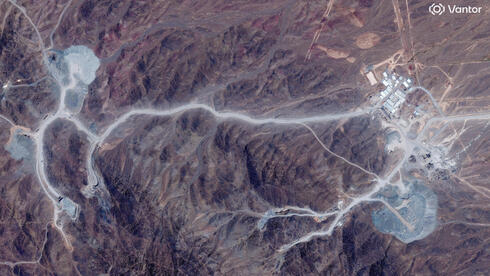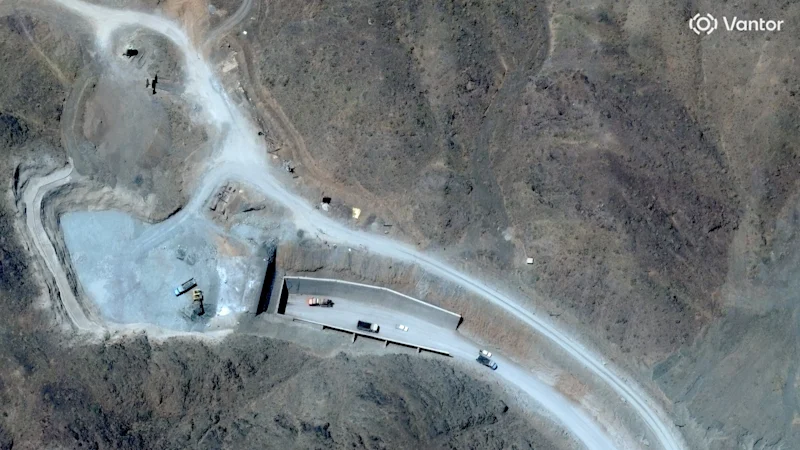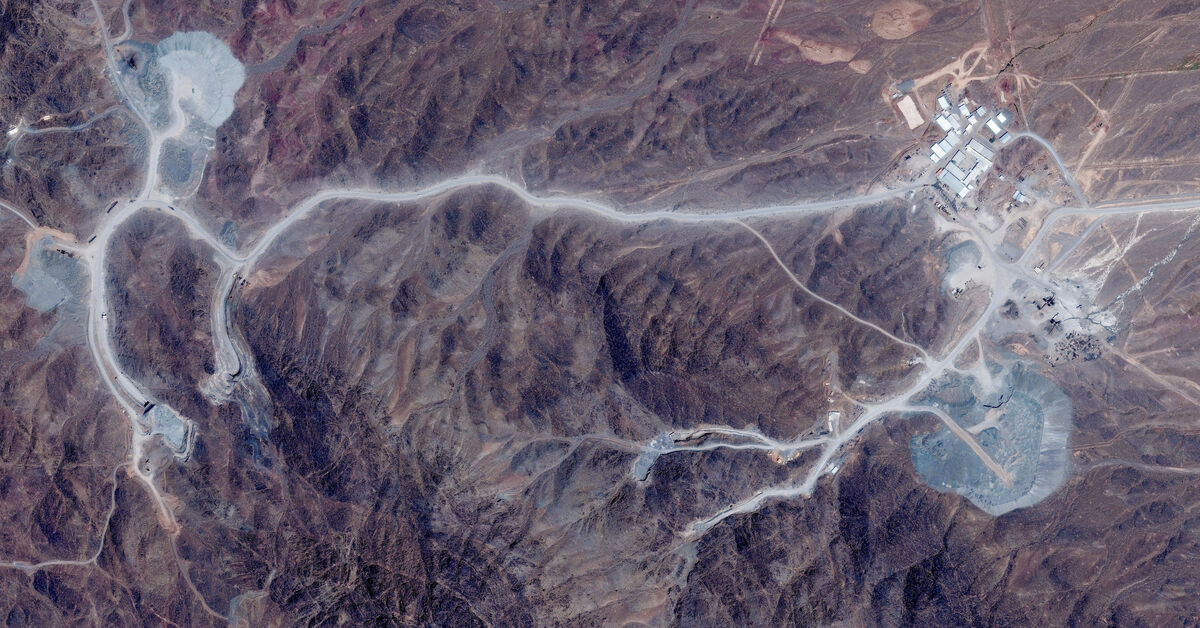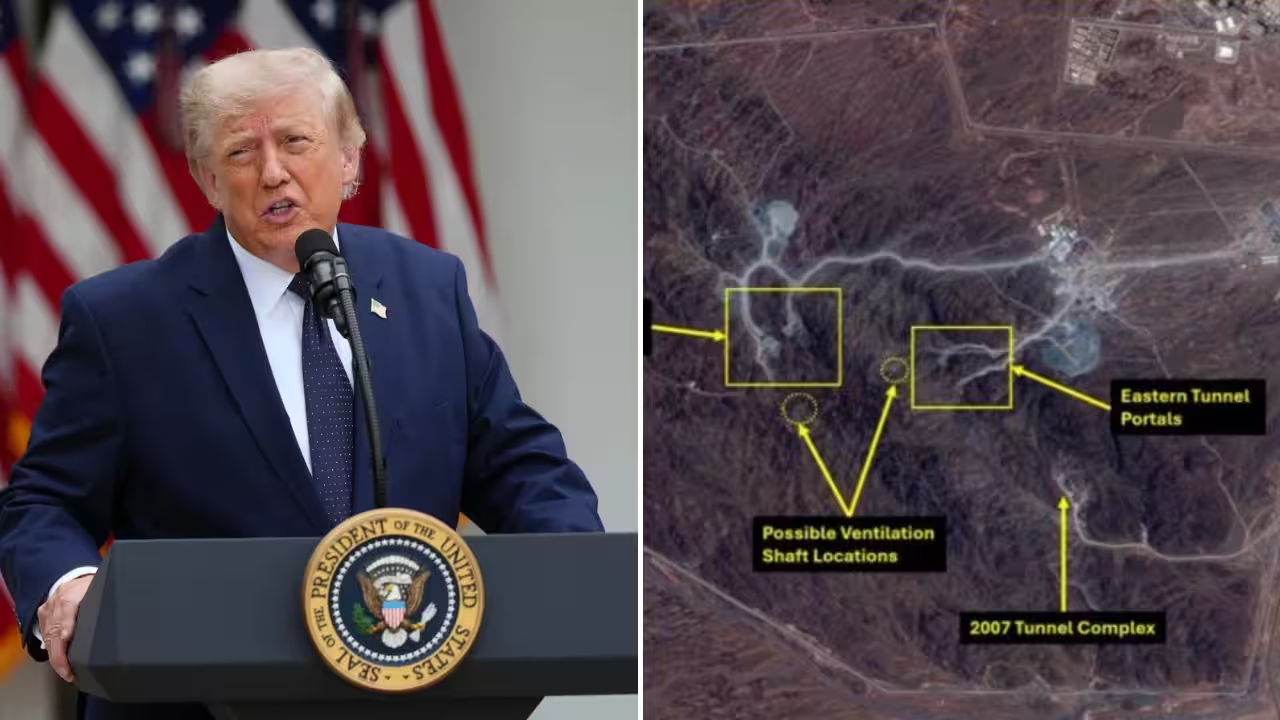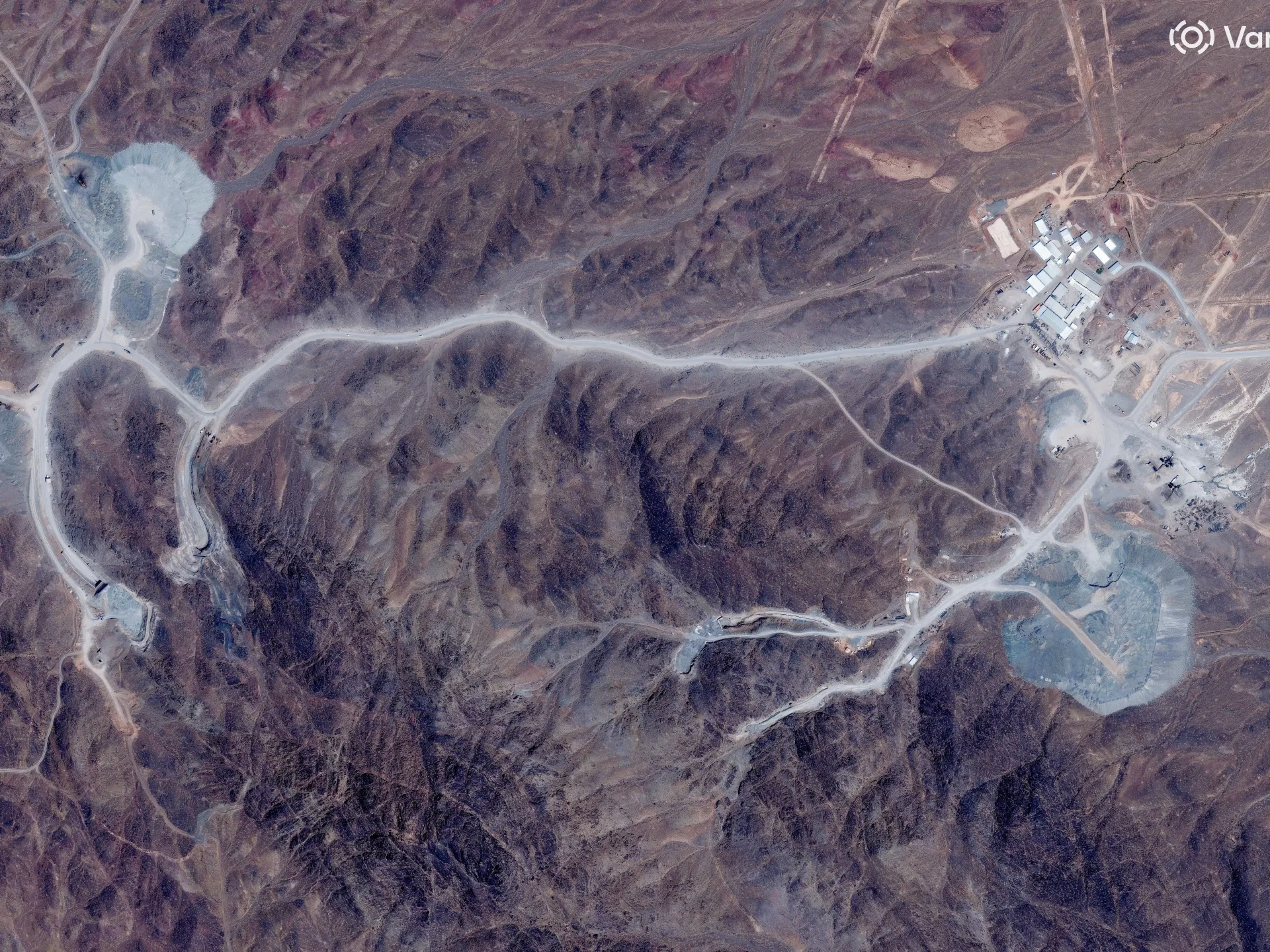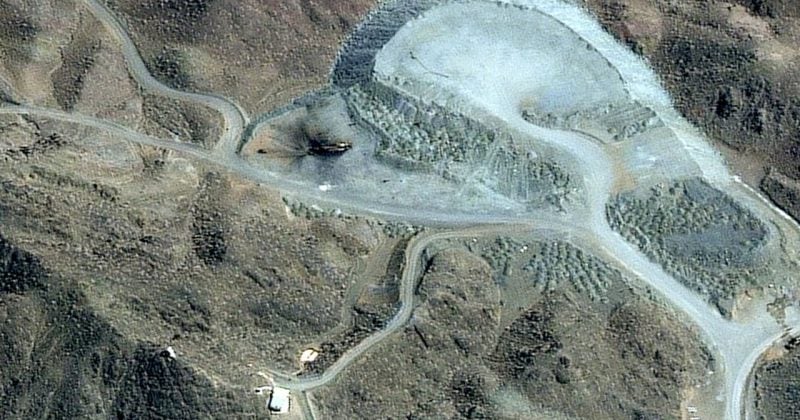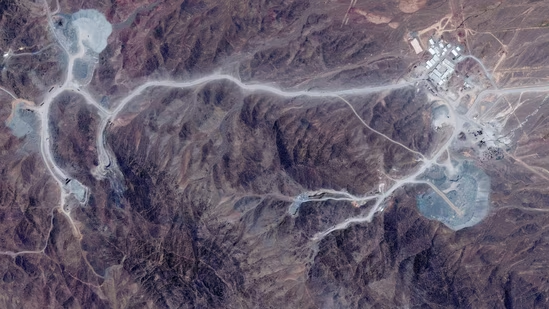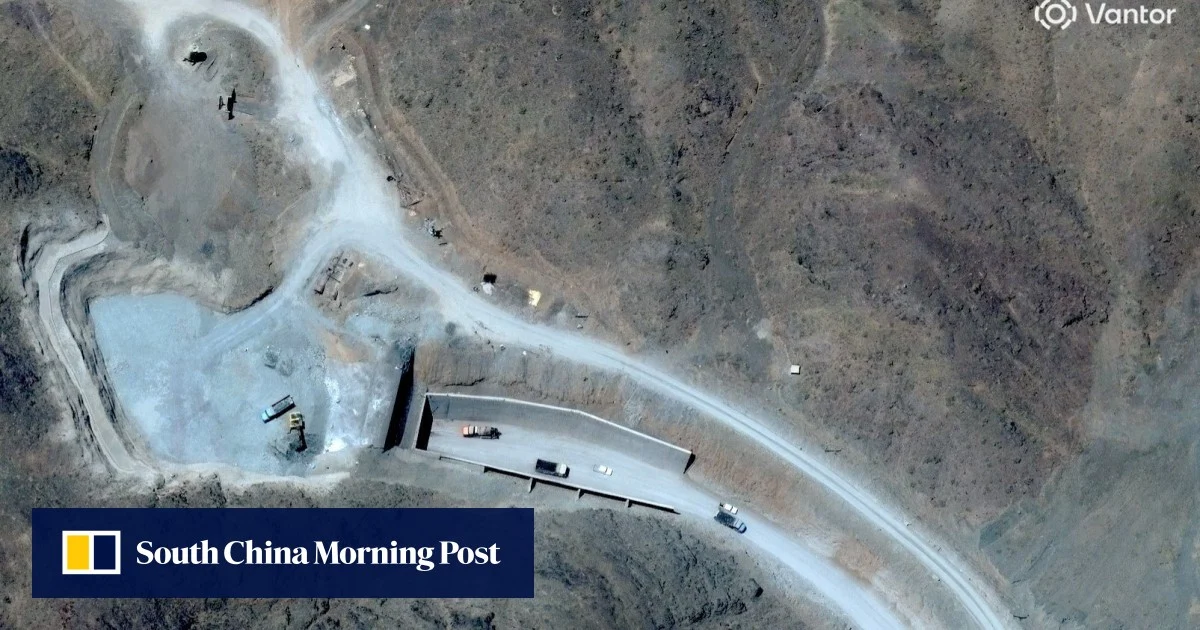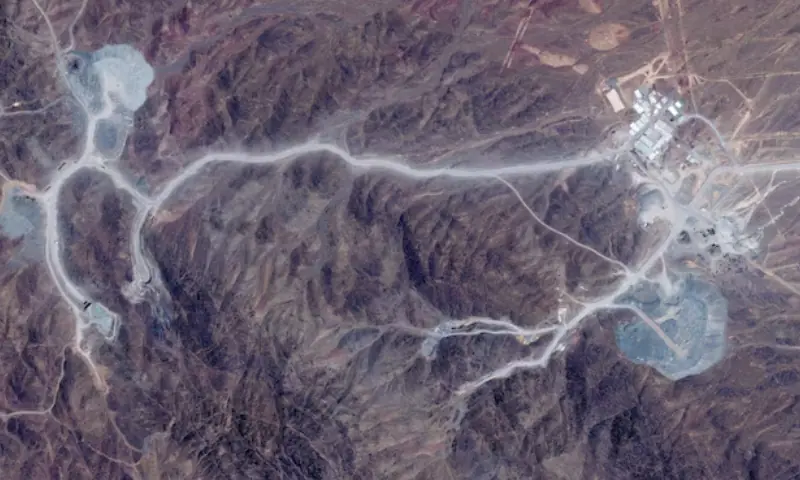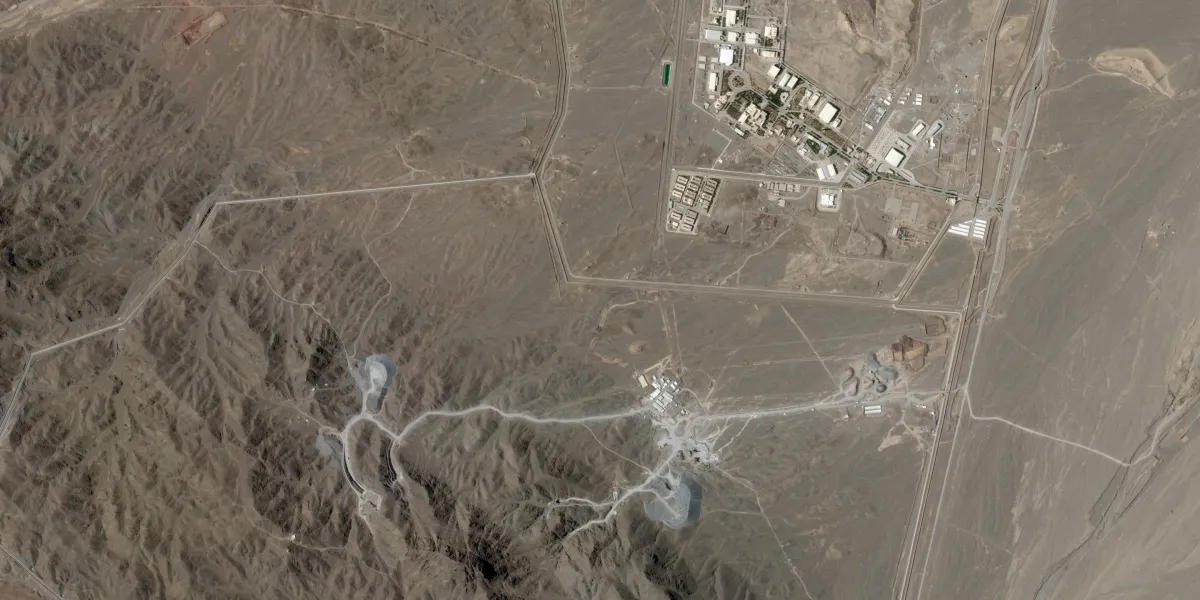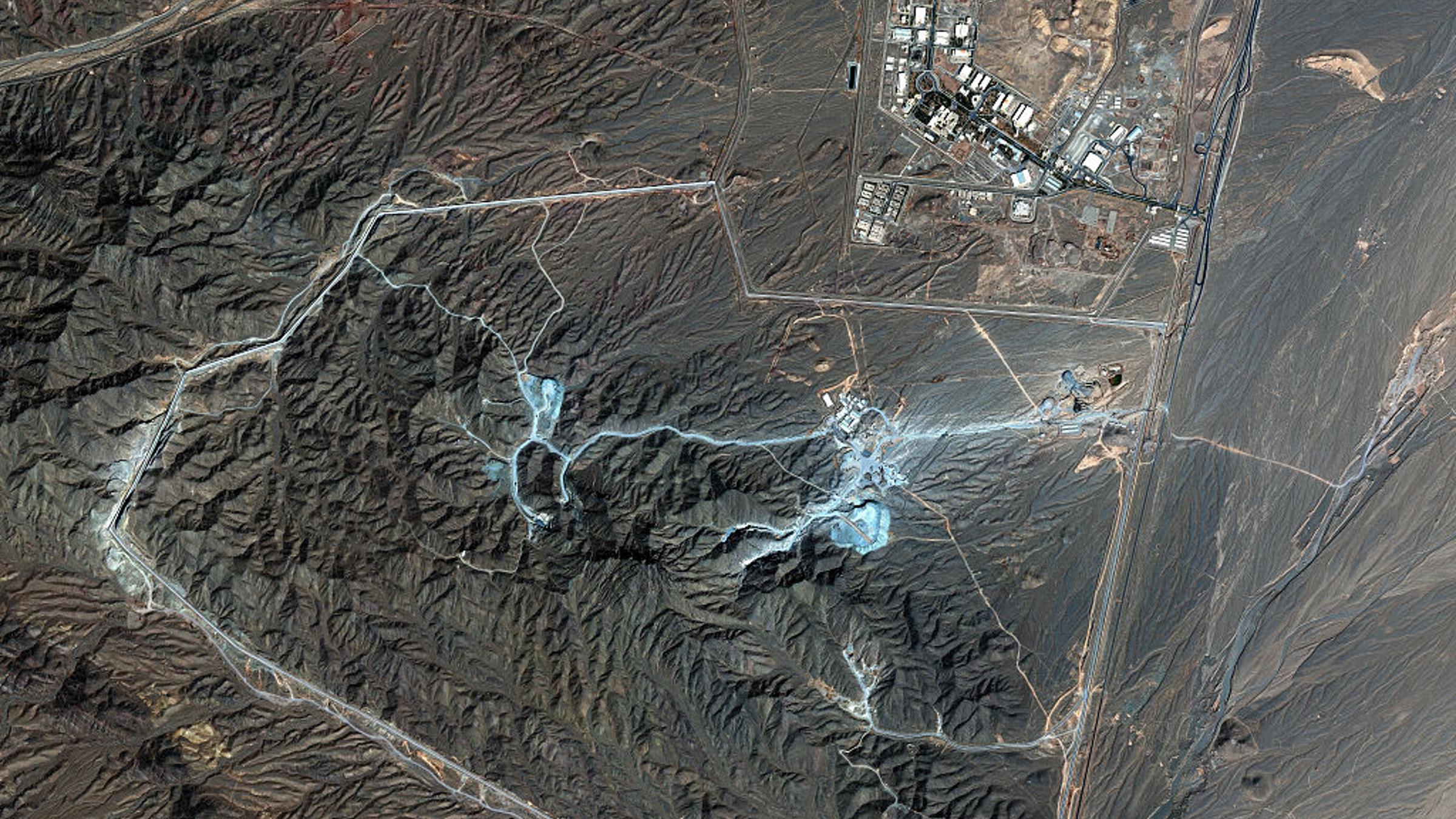
In briefDonald Trump has threatened to destroy Pickaxe Mountain, a deeply buried Iranian nuclear site — unreachable by US weapons.It comes a year after he declared the country's nuclear program had been "obliterated".A year after US President Donald Trump declared Iran's nuclear sites had been "obliterated", his latest target is drawing attention to a facility that survived both phases of the war untouched — and raising questions about why it's now in his sights.On Monday, Trump threatened to destroy Pickaxe Mountain, a buried nuclear site near Natanz in north-central Iran where Western intelligence suspects Iran is building an undeclared enrichment facility."We're going to take out Pickaxe Mountain. Tell the Iranians to be ready," he said on Monday."We're watching (Pickaxe Mountain) closely. We see no activity there. They're not doing well with their nuclear situation. Every time we hear about it, we blow it up. So they don't like talking about it."The threat comes as just last week, Trump said Iran "will never have a nuclear weapon" and that its stockpile of enriched uranium was now "so far under a mountain" that it was unreachable by anyone except the US.News that makes senseYour trusted source for staying up-to-date with the world around you. Get free daily news updates and analysis, straight to your inbox.That follows comments last June, where Trump declared "all" nuclear sites in Iran had been "obliterated", raising a key question: If Iran's nuclear sites were obliterated last year, why is a previously untouched one now a key target?What is Pickaxe Mountain?Pickaxe Mountain is a heavily fortified site near Iran's already-damaged Natanz facility, housing two deeply buried tunnel complexes suspected of containing uranium enrichment capabilities and stockpiles.Experts have assessed its depth at about 600m below granite, meaning it's beyond the reach of even the most powerful 'bunker-buster' bombs in the US arsenal.The site was not among the three sites — Fordow, Natanz and Isfahan — targeted by US airstrikes last June, which were believed to house Iranian nuclear facilities."Monumental damage was done to all nuclear sites in Iran, as shown by satellite images," Trump said on 25 June 2025. "Obliteration is an accurate term!"Satellite imagery shows tunnel construction activities and a large spoil pile around Pickaxe Mountain. Source: Getty / Maxar/DigitalGlobeConstruction at Pickaxe Mountain began in 2020 and has sped up since June last year — with the Iranian government describing the site as a centrifuge assembly plant.As of June 2025, the facility was not assessed as operational — something the Institute of Science and International Security says could have been a "key reason why the site was not attacked by airstrikes in the June war".The institute said satellite analysis and monitoring have raised questions about the "the nuclear activities Iran has planned for the site, specifically whether it includes plans for an enrichment plant".What survived the 'obliteration'?Pickaxe Mountain isn't the only thing to have survived the alleged "obliteration".Deakin University professor of global Islamic politics Greg Barton said that, despite Trump's claim, it's believed 440kg of enriched uranium remains buried underground and is "relatively accessible".In June 2025, US B-2 bombers dropped GBU-57 Massive Ordnance Penetrator bombs, or 'bunker-buster' bombs, on two Iranian nuclear facilities — Fordow and Natanz — while Isfahan was hit only with Tomahawk missiles.Barton said intelligence reporting and satellite imagery suggests the U-235 (an isotope of uranium that fuels most nuclear reactors and nuclear weapons) was moved from Fordow to Isfahan days before the strikes — meaning it likely survived."There were no bunker bombs dropped at Isfahan, so if it was taken there, as widely speculated, it's still there and relatively accessible," Barton said.Furthermore, enriched uranium and equipment at other facilities may not be totally destroyed."Each of these three sites had underground bunkers, underground tunnel complexes. Fordow was thought to be 90 metres deep. The bunker-buster bombs only go down 60 metres," he said."If some of the U-235 was left at Fordow, it would likely be buried but not destroyed because it's below the level of 90 metres."While the 440kg of 60 per cent enriched uranium was "just below weapons grade", Barton said further enrichment could be possible.While centrifuges at facilities like Fordow may have been damaged by vibrations, Iran's ability to refine uranium to nuclear weapons grade would be "set back" but not eliminated.Could the US reach what lies beneath Pickaxe Mountain?The challenges that limited last year's strikes are, if anything, more acute at Pickaxe Mountain.Fordow's roughly 90m depth already exceeded the 60m the bunker-buster bombs could reach.Pickaxe Mountain's cover, at up to 600m of granite, is assessed as beyond any weapon currently in the US arsenal, including the GBU-57s used in June 2025.Trump has not said what would be used instead.He has offered only surveillance claims — that the US is "watching it closely" and has "a lot of eyes" on the site."We'll probably give Pickaxe a shot relatively soon," Trump said on Monday.Has the war changed Iran's calculations?Barton says there is "no factual basis to take Trump or Netanyahu seriously in terms of [the attacks] degrading a nuclear enrichment program".He believes this is partly because "there's no reason to believe the regime was focused on a nuclear weapons program", citing intelligence assessments issued in the lead-up to the US mid-2025 strikes.In March 2025, Trump's then national intelligence director, Tulsi Gabbard, said the US intelligence community "continues to assess that Iran is not building a nuclear weapon", although she also noted that the nation's "enriched uranium stockpile is at its highest levels and is unprecedented for a state without nuclear weapons".The issue quickly became a political football, with Trump saying Gabbard was wrong. She later backtracked and said her testimony had been taken "out of context".If anything, Barton said the war may have pushed Iran closer to wanting a bomb — reframing it as a "security blanket" against attacks, much as it has functioned for North Korea.The political case for Iran to pursue nuclear weapons has "gotten stronger, not weaker", he said, even though he doesn't believe the regime is likely to move quickly.While the hundreds of kilograms of enriched uranium "is still at large, and possibly accessible to the regime", they aren't likely to use it anytime soon."It's an insurance policy," he said.Trump's 'bluff and blunder'A year on from "obliteration", Barton said Trump's version of events and the war being a "tremendous success" are "bluff and blunder"."Trump is trying to deflect, trying to present himself as having won, when all the evidence suggests that he's comprehensively lost and he's ended up worse off," Barton said.He said Trump's rhetoric is driven by a "really frustrating" bind: Iran has shown it's willing to use its "great leverage" over the Strait of Hormuz."He'll theoretically order military activity, but there's nothing you can do. This could go on for years."For the latest from SBS News, download our app and subscribe to our newsletter.
Trump claimed Iran's nuclear sites were 'obliterated'. Now another is in his sights
Buried under 600m of granite, the site is assessed as beyond the reach of even the US' most powerful bunker-buster bombs.
1,136 words~5 min read