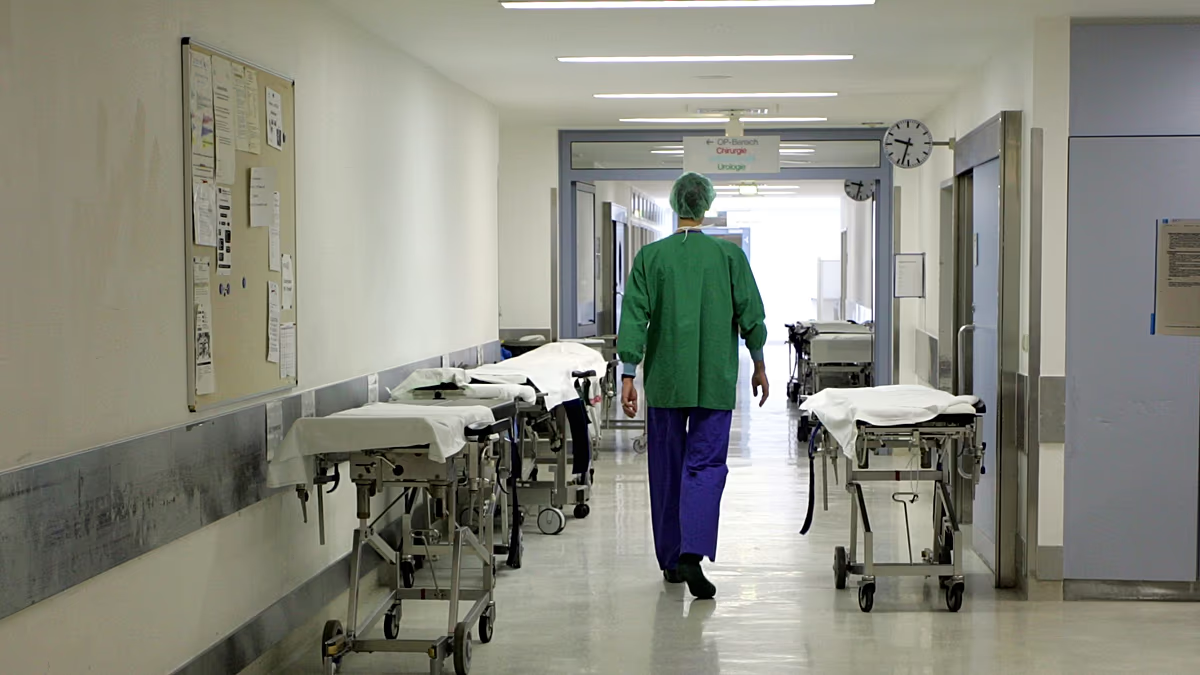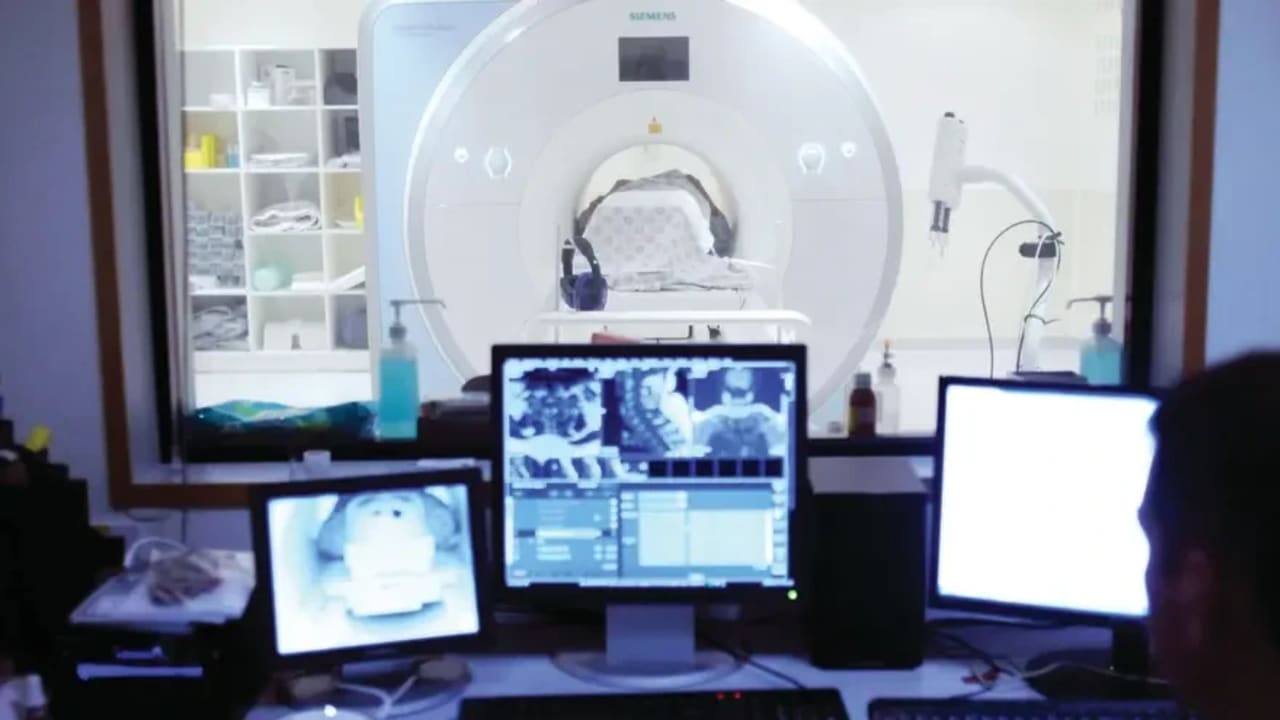
ByDR. ITAY GALJULY 14, 2026 08:49The Health Ministry published two reports on wait times for MRI examinations and 19 types of planned surgeries in public hospitals, noting that many factors beyond the requested service affect wait times.The reported data shows that how long a patient waits in a clinic or hospital depends not only on the type of test or surgery, but also on the health insurance company they belong to, their area of residence, and the hospital where they will be treated.In 2025, half of patients underwent an MRI scan within 35 days of their physician’s referral, while the other half waited longer. A quarter of patients waited more than 80 days, and the average waiting time stood at 55.1 days.The results varied across insurance providers, with Clalit recording the longest average time, 63.7 days. The average was 50.6 days in Maccabi, 46.4 days in Leumit, and 35.5 days in Meuhedet.There were also differences within the process itself, with Leumit holding the longest time period between physician referral and insurance approval for an MRI, 19 days. On the other end of the spectrum, Maccabi averaged just one day before approval.Health clinics in the central Israeli city of Beer Yaakov. March 11, 2026. (credit: YOSSI ALONI/FLASH90)From the time the appointment was scheduled at the health institute until the scan was performed, the longest average was recorded at Maccabi, 45.9 days. Meuhedet recorded 44.7 days, Clalit 38.2 days, and Leumit 35.5 days.After the scan, Meuhedet members waited an average of 10.8 days for the reading, Maccabi members 10 days, Leumit members 9.8 days, and Clalit members 8.5 days.Age and type of scan also affected the wait. Among children aged 14 and younger, half waited up to 42 days from referral to the scan, and a quarter waited more than 95 days. Among those 65 and older, half waited up to 39 days and a quarter more than 85 days.For breast scans, half of the women waited up to 43 days and a quarter more than 105 days. For abdominal and pelvic scans, half waited up to 46 days and a quarter more than 99 days, compared with 27 days for musculoskeletal scans.The second Health Ministry report focused on surgical proceduresThe second report deals with planned surgeries performed in 2024 at 28 public hospitals. The findings showed that for cataract surgery, half of patients waited up to 202 days at Carmel, compared with just 22 days at Laniado. At Ziv and Shamir, the wait was 27 days, and at Barzilai, 31 days.For hernia repair, the wait was 114 days at Carmel, 112 days at Beilinson, and 106 days at Emek Medical Center. The shortest wait was at Barzilai, at 13 days, followed by Bnei Zion and Ziv, at 26 days.Among common pediatric surgeries, month-long waits were revealed. For myringotomies, which are ear tube surgeries, 129-day delays were recorded at Soroka, 118 days at Carmel, and 111 days at Hadassah Mount Scopus and Hadassah Ein Kerem. At Ichilov, half of the patients waited seven days, at the Northern Medical Center 30 days, and at Rambam 40 days.For tonsil and adenoid surgery, 154-day waits were recorded at the Galilee Medical Center, 130 days at Emek and 117 days at Hadassah Mount Scopus, compared with seven days at Ichilov, 15 days at Hillel Yaffe and 28 days at the Northern Medical Center.The national waiting time for a septoplasty stood at 89 days, and nearly half of patients waited more than three months. At Hadassah Ein Kerem, 260 days were recorded, at the Galilee Medical Center 250 days, and at Kaplan 198 days. The shortest wait was recorded at the Northern Medical Center, 35 days, and at Ziv, 36 days.Large gaps were also discovered for orthopedic surgeries. For knee replacements at Soroka, the wait time was 166 days, 108 days at Emek, and 98 days at Carmel. Ziv had the shortest wait, 14 days, followed by Hasharon with 35 days and Wolfson with 36 days.For hip replacements, half of the patients waited 135 days at Soroka, 104 days at Meir, and 101 days at Laniado, compared with 20 days at Ziv, 29 days at Wolfson, and 34 days at Beilinson.For thyroid removal, patients waited 123 days at Emek, 114 days at Meir, and 106 days at Beilinson. The shortest times were at Hillel Yaffe at 16 days, Hadassah Ein Kerem at 29 days, and Wolfson at 30 days.For prostate removal, 104 days were recorded at Carmel, 90 days at Emek, and 88 days at Sheba, compared with 18 days at Shamir, 23 days at Wolfson, and 28 days at the Galilee Medical Center.Israel is ahead on waiting times compared to OECD countriesCompared with the developed OECD countries, the Health Ministry says Israel is relatively well positioned on waiting times for several major operations.For example, for cataract surgery, the waiting time in Israel stands at 50 days, compared with an OECD average of 68 days, and the share of people waiting more than 90 days is lower in Israel.For prostate removal, the waiting time in Israel is 50 days compared with 61 days in the OECD, and for hysterectomy, 43 days compared to 69 days.The gap is also notable in orthopedic surgery: For hip replacement, the waiting time in Israel stands at 57 days compared with 110 days in OECD countries, and for knee replacement, 70 days compared with 199 days.The share waiting more than three months is also lower in Israel in all five procedures examined: 23.6% compared with 36% for prostate removal, 23.7% compared with 44% for hysterectomy, 32.2% compared with 54% for hip replacement and 37.2% compared with 63% for knee replacement.Going forward, the Health Ministry plans to expand the measurement to include the time from the doctor’s decision until surgery.Follow us on Google
Health Ministry reveals long wait times for MRI, surgeries at hospitals, clinics | The Jerusalem Post
Health insurance provider, area of residence, and the hospital where they are treated are all factors in how long a patient waits for care.
960 words~4 min read