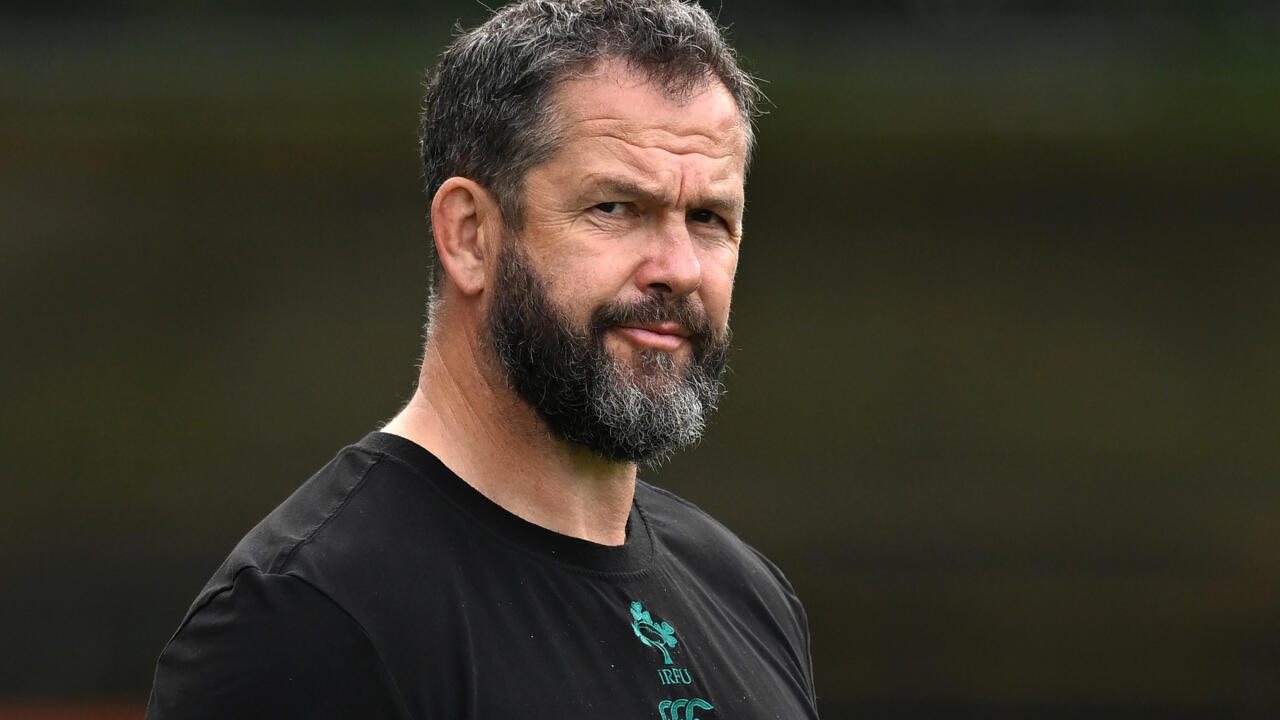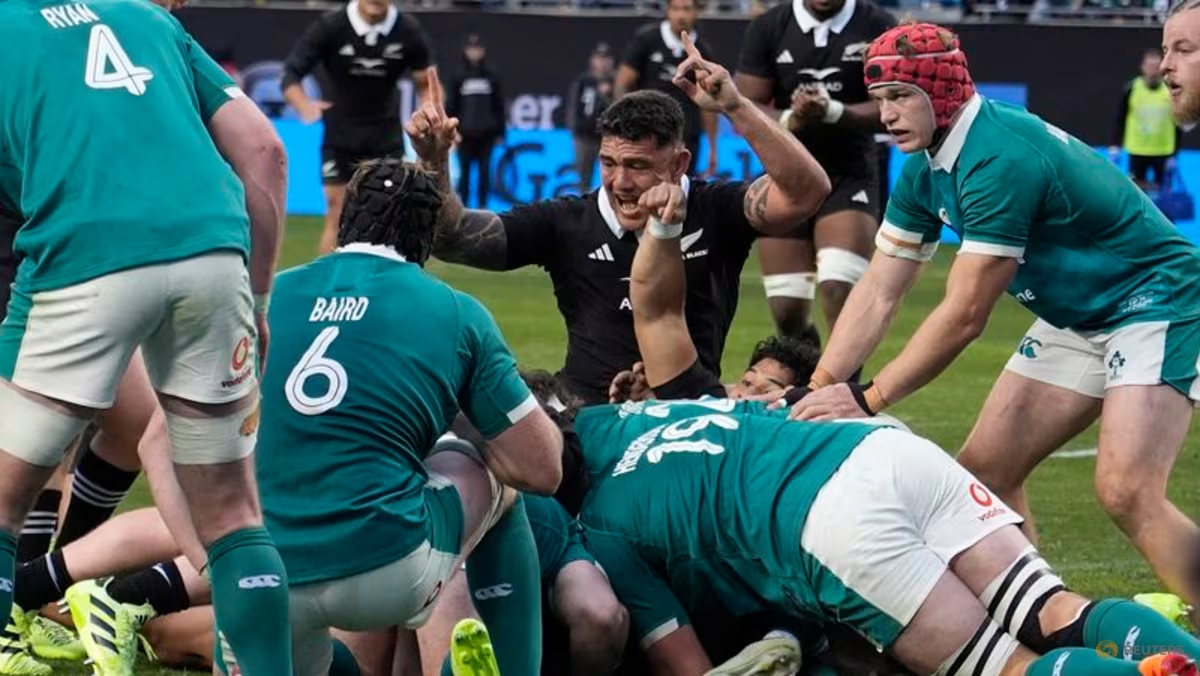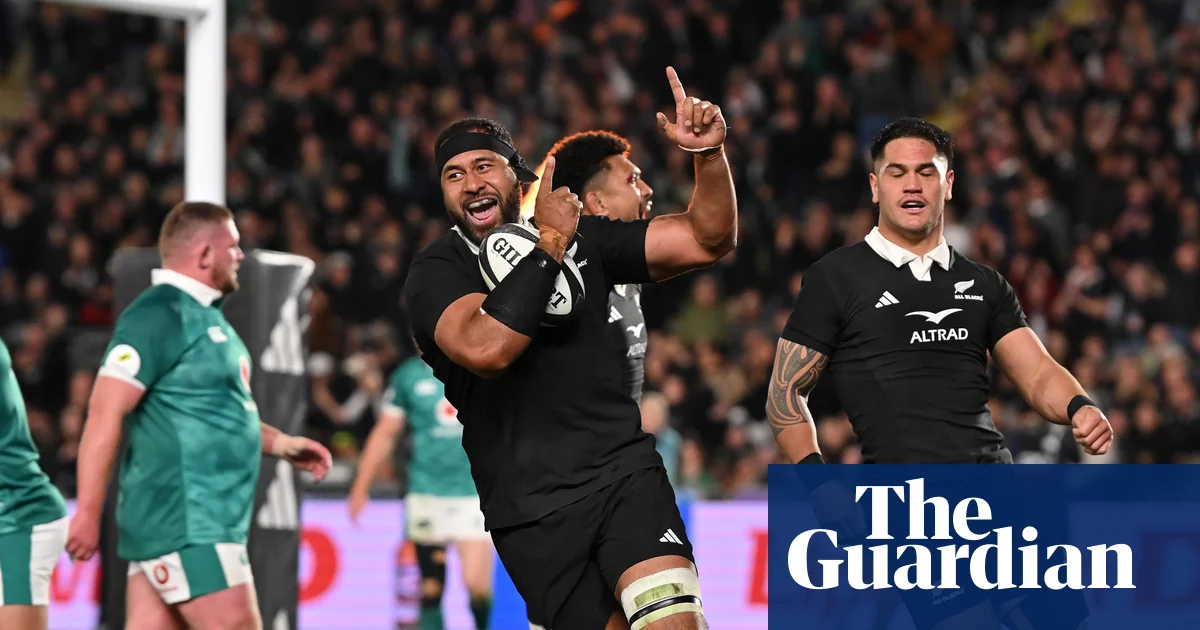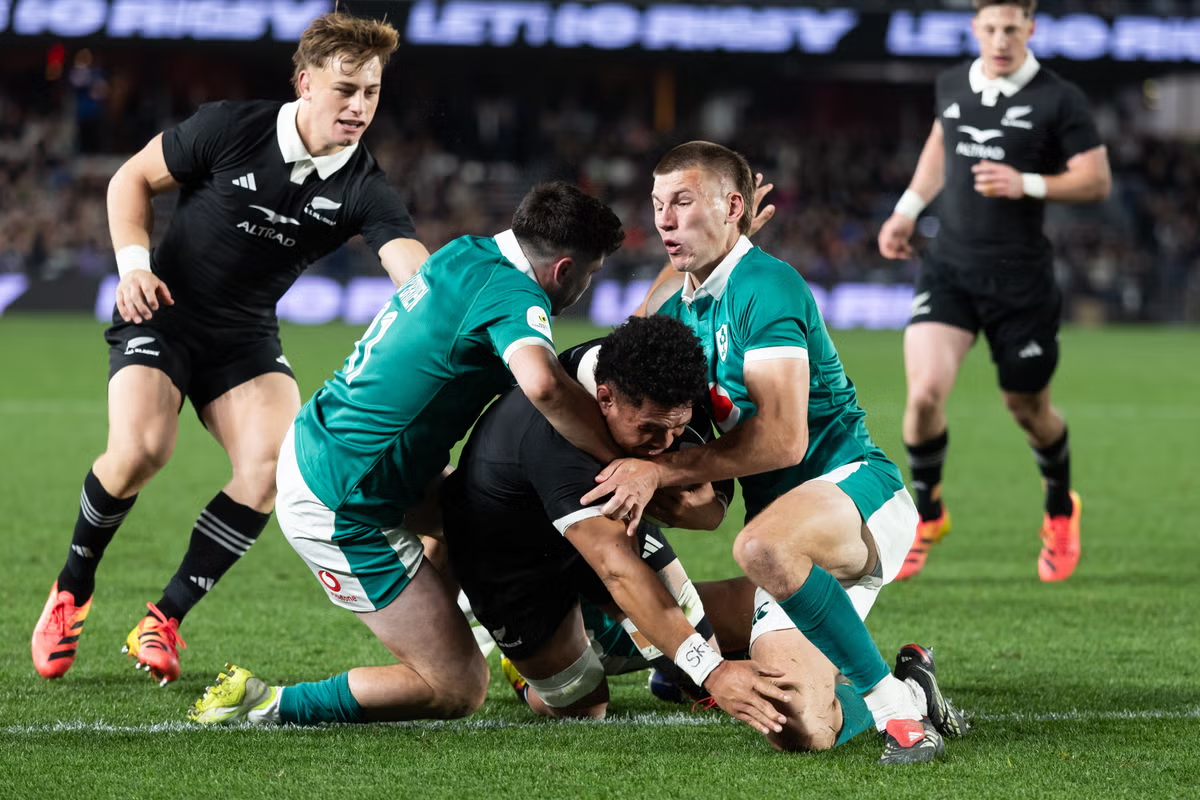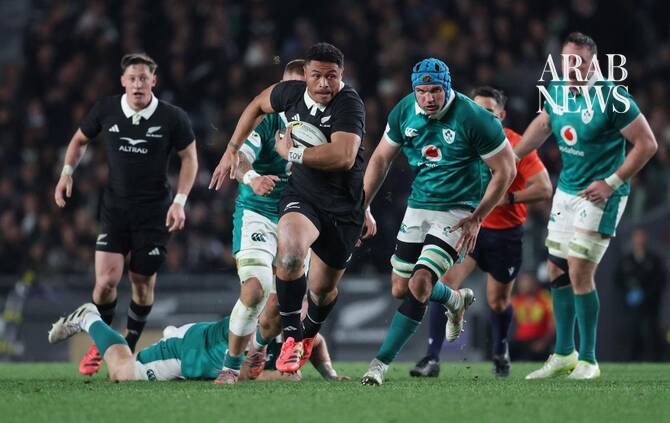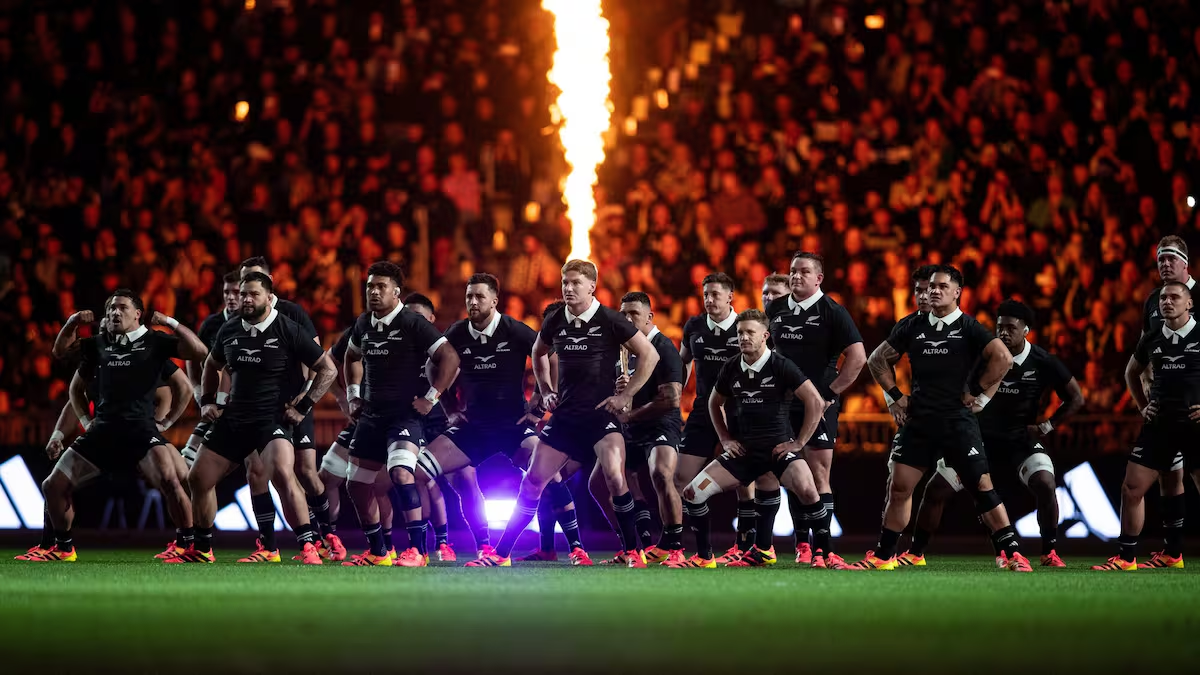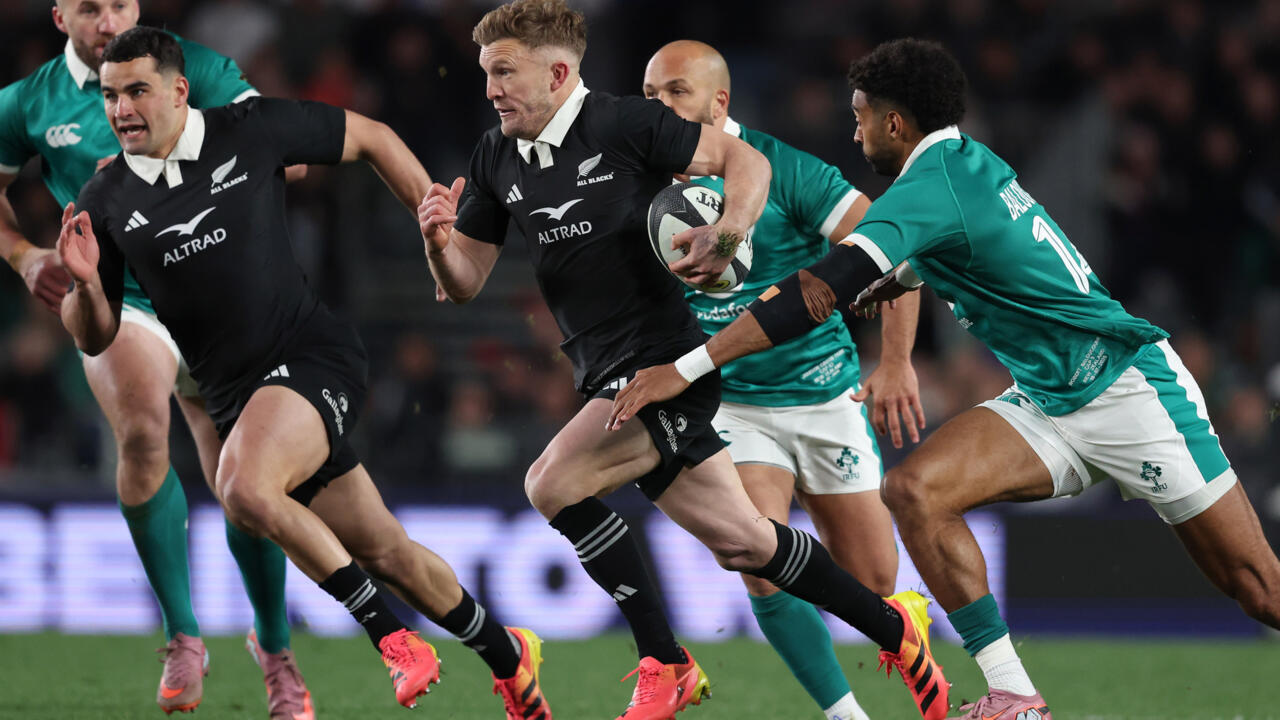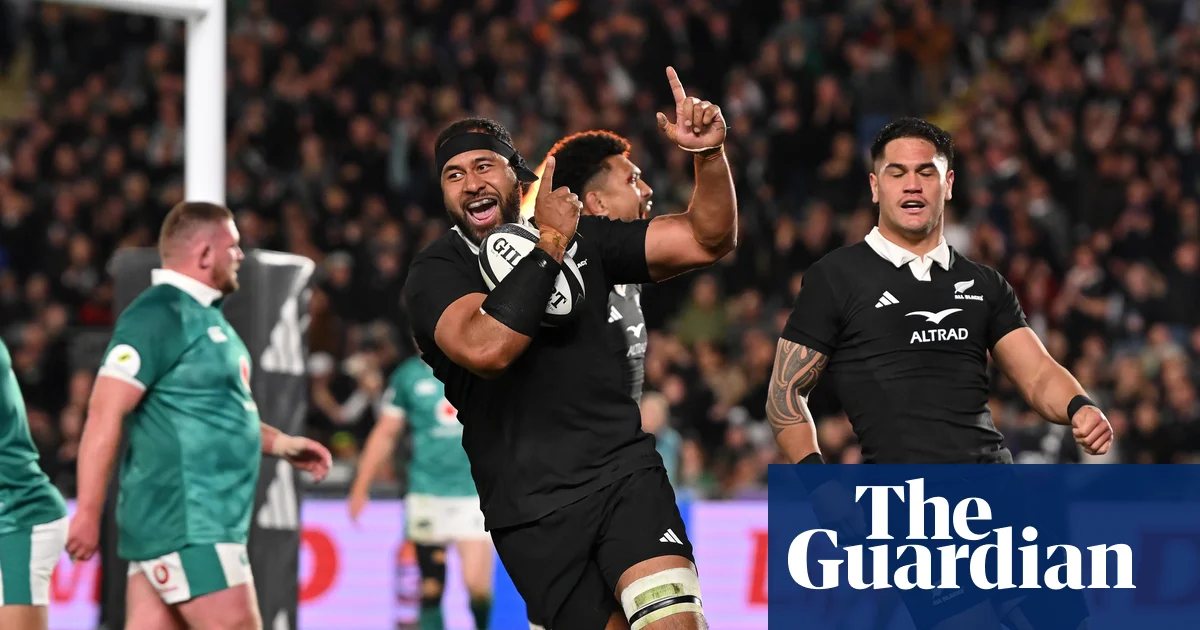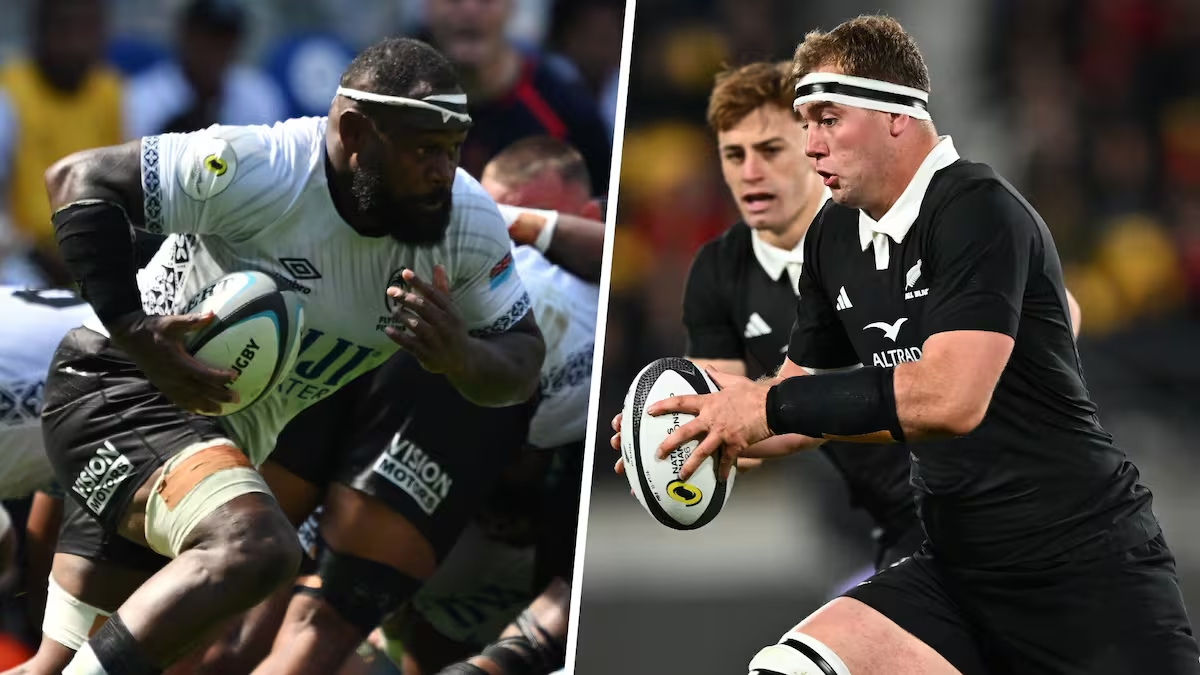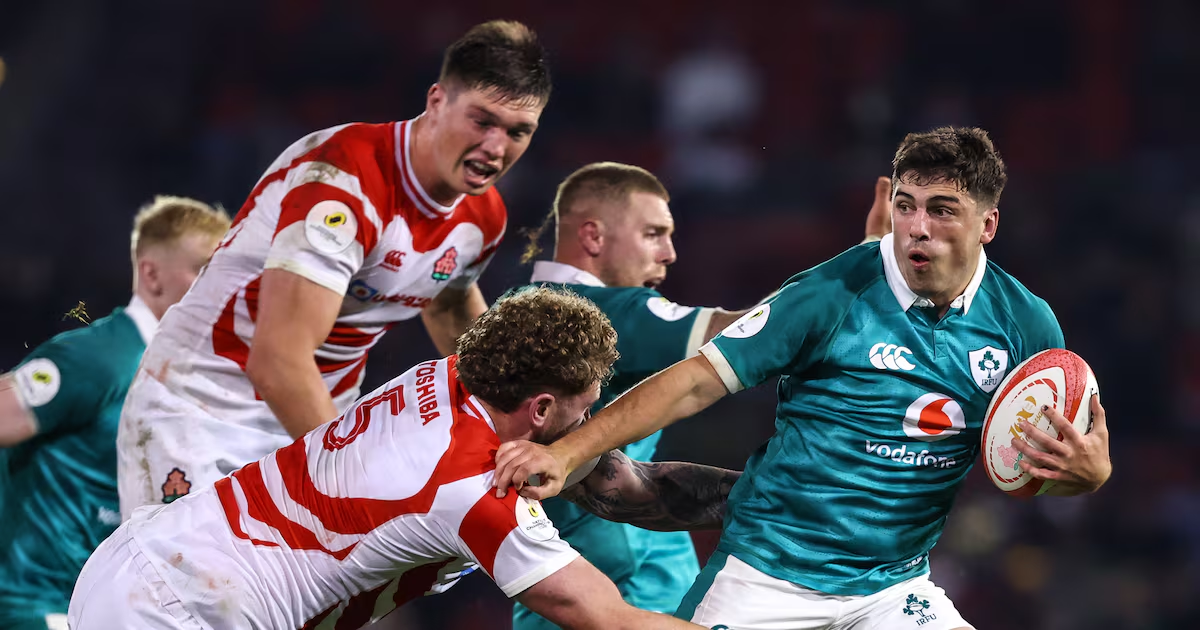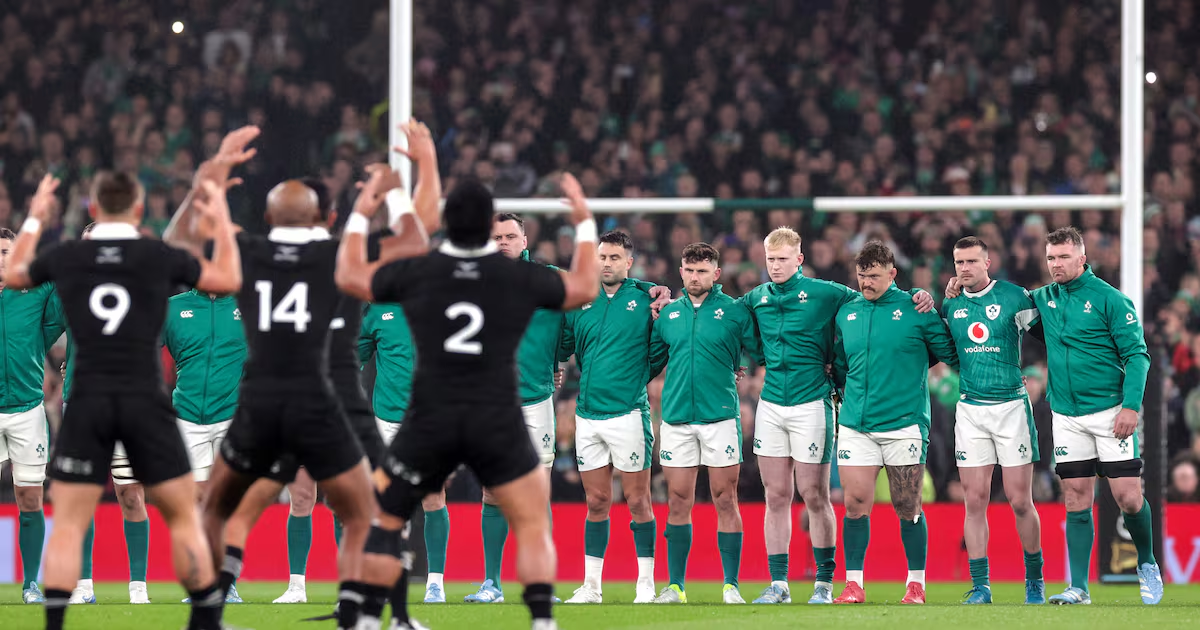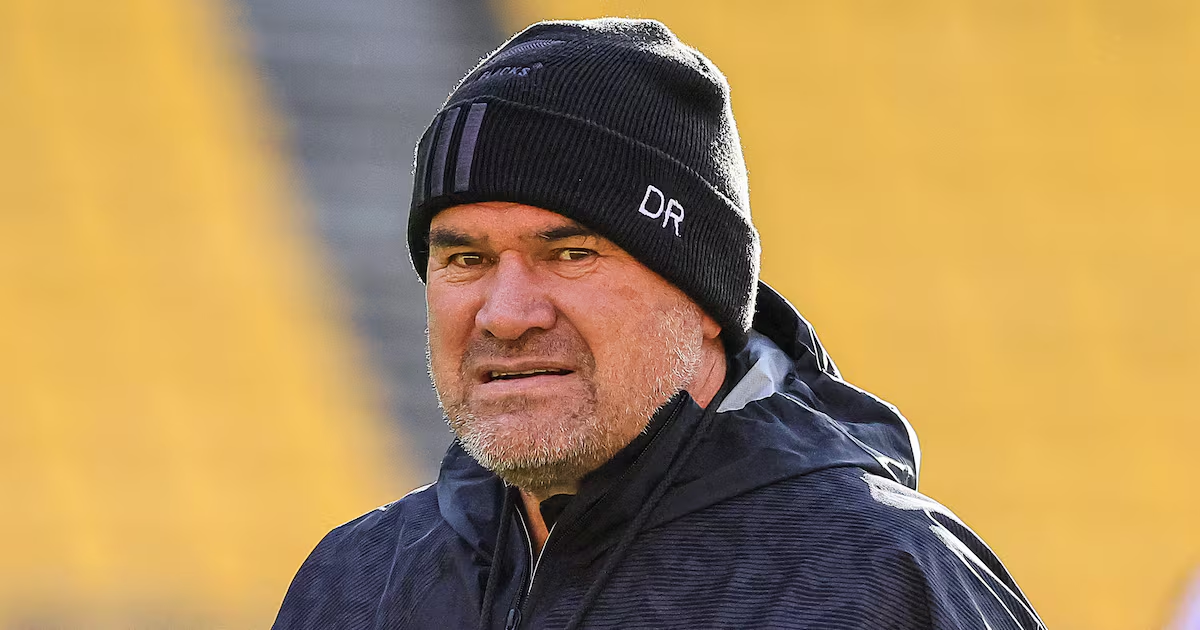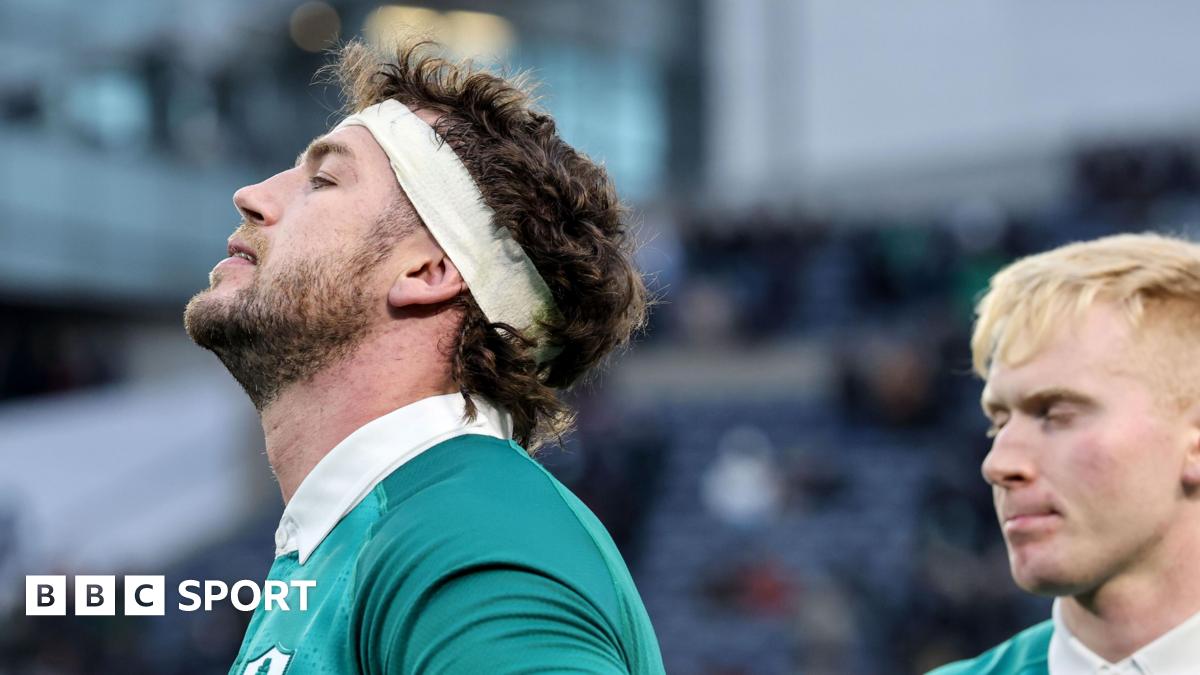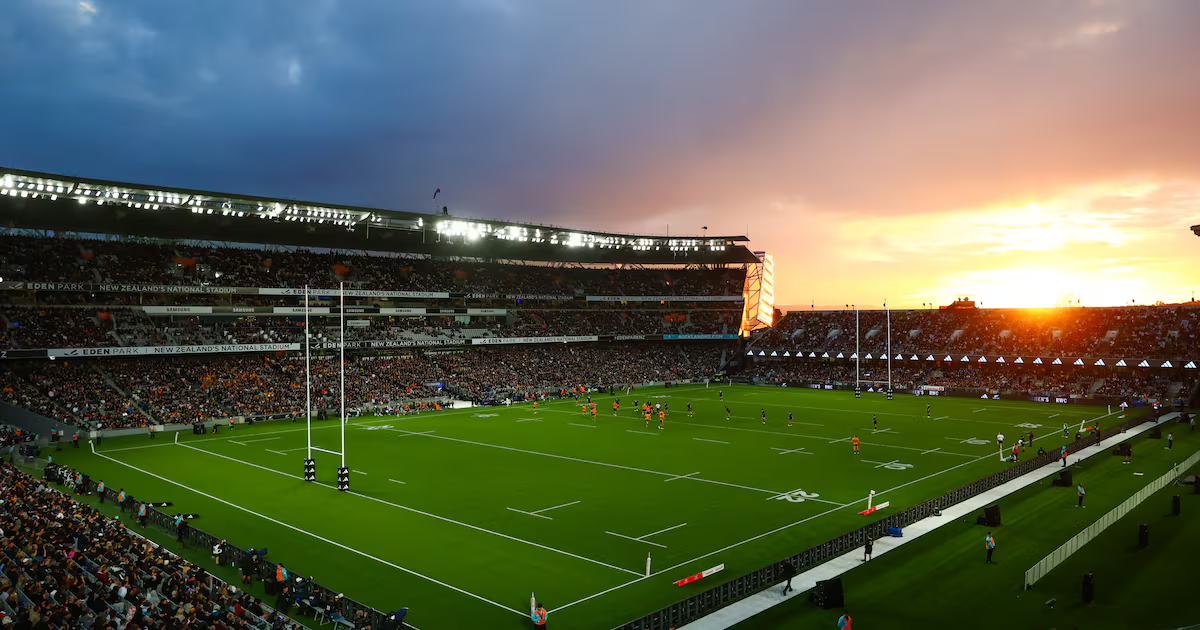
This should be interesting. Firstly, it is a huge one-off Test in its own right, but as well as being a third-round clash in the Nations Championship, Saturday’s latest instalment in the New Zealand-Ireland rivalry is a significant staging post on the road to next year’s Rugby World Cup. Hence Andy Farrell has warmly embraced this challenge and billed it accordingly. The All Blacks’ 52-match unbeaten streak at Eden Park in Auckland dates back to July 1994 when France sealed a 2-0 series win thanks to their “try from the end of the world” by Jean-Luc Sadourny to earn a 23-20 win.This run from New Zealand encompasses 50 wins and two draws, the first draw being in their very next match in 1994 against South Africa and the other in the third Lions Test in 2017. It is the longest active unbeaten run by any Tier One nation at a single venue and includes victories over every major rugby nation and a Rugby World Cup title.Even the Springboks have fallen there five times since that 1994 draw, albeit Ardie Savea won a relieving turnover penalty on the All Blacks’ line in the 79th minute of last year’s 24-17 win in what was the current captain’s 100th cap.France have since been beaten five times at Eden Park, too, a figure swelled by two meetings at the 2011 World Cup when the All Blacks cruised to a 37-17 pool victory but, weighed down by a 24 years of hurt, scraped past them by 8-7 in the final. The French are irritated that they have not been back more often, but New Zealand’s attitude is: “Well, if you won’t bring your best side…“Ireland have lost on all four of their previous visits to the All Blacks’ fortress: in 2002 (8-40), 2006 (17-27), 2012 (10-42) and 2022 (19-42). On the latter occasion, of course, Ireland responded by beating the All Blacks in Dunedin 23-13 and 32-22 in Wellington, arguably the high-water mark of Irish rugby and certainly of that team. Those victories sparked an unprecedented 17-match winning run, which, alas, ended with the All Blacks gaining revenge in that epic 2023 World Cup quarter-final by 28-24. While readily embracing this daunting challenge, after Japan last Saturday Farrell was reluctant to draw comparisons with that Irish team and stressed this was a different side four years on. “We’ve got different people who have probably not felt what it’s like to deliver, to thrive, to attack a game of rugby which is probably the top 1 per cent of games in world rugby. That’s what we’re dealing with here, so either way we’re going to learn more about ourselves.”Right enough, the team that won the third Test in 2022 had Mack Hansen, James Lowe and Johnny Sexton in the backline, Andrew Porter, Peter O’Mahony and Caelan Doris up front and all but one of the bench are not here, namely Rob Herring, Cian Healy, Finlay Bealham, Kieran Treadwell, Conor Murray, Joey Carbery and Keith Earls. James Lowe and team-mates celebrate after Ireland beat New Zealand four years ago in Wellington. Photograph: Phil Walter/Getty What this current team does have in common with the class of ′22 is that they had finished second and won the Triple Crown in the preceding Six Nations, and this was done by also winning four matches while losing in Paris. But that series win and ensuing Grand Slam saw them head to the World Cup with the kind of momentum no Irish side had taken into the tournament beforehand. There’s still a good sprinkling from that high achieving team. Dan Sheehan, Tadhg Furlong, Tadhg Beirne, James Ryan and Josh van der Flier will all likely start next Saturday, likewise Jamison Gibson-Park.Robbie Henshaw and Bundee Aki both had strong contributions to that third Test, but the likelihood is only one will make the match-day squad on Saturday and off the bench. Admittedly, that’s down to Stuart McCloskey’s good form. And Garry Ringrose did start the previous two Tests in 2022. But like so many of this current side, for all his experience and late career renaissance, McCloskey has yet to scale anything like the landmarks achieved by the team of 2022. The same is true of the 28-year-old Robert Baloucoune, who only has eight caps, as well as Jamie Osborne, Sam Prendergast, Tom O’Toole and Joe McCarthy, not to mention the likes of Jeremy Loughman, Thomas Clarkson, Cian Prendergast, Nick Timoney, Sean Jansen, Craig Casey and Ciarán Frawley. The All Blacks have won the last three meetings, backing up that quarter-final three years ago with wins in the opening matches of the last two November windows. Yet Ireland have won five of the last 11 clashes, including that series win, thereby prompting a question about whether this match-up had become one of the All Blacks’ biggest rivalries.True, Frawley was the match-winner when Ireland beat South Africa in Durban two years ago – and that is a comparable achievement to the task awaiting Ireland on Saturday. Time was not so long ago when the New Zealand-Ireland “rivalry” was not even worth the name. There was no rivalry. All had changed, changed utterly, though during the 2022 tour when even the esteemed New Zealand commentator Tony Johnson described the All Blacks and Ireland as “a great rivalry”. This prompted a question at Dave Rennie’s press conference asking him if Ireland were now one of the All Blacks’ biggest rivals.As is his wont, and akin to questions focusing on their Eden Park record and the pressure to maintain it, he gave it a straight bat. He’s wearing it well, but this is a pressure game for him before the All Blacks’ eight-match, four-Test tour to South Africa, including a fourth Test in Baltimore in the US. Losing their long, proud and unrivalled game record at Eden Park would put Rennie and his team on the back foot before embarking on that old-school assignment. For Ireland to storm the Eden Park fortress would be a momentous one-off achievement and would invest this team with real belief about their future possibilities. Either way, as Farrell said, he and the team will learn so much about themselves.gerry.thornley@irishtimes.com
Rivalry resumed: Ireland visit to All Blacks fortress could be start of something special
Win, lose or draw, Andy Farrell’s side will learn more about themselves in Nations Championship encounter
1,029 words~5 min read