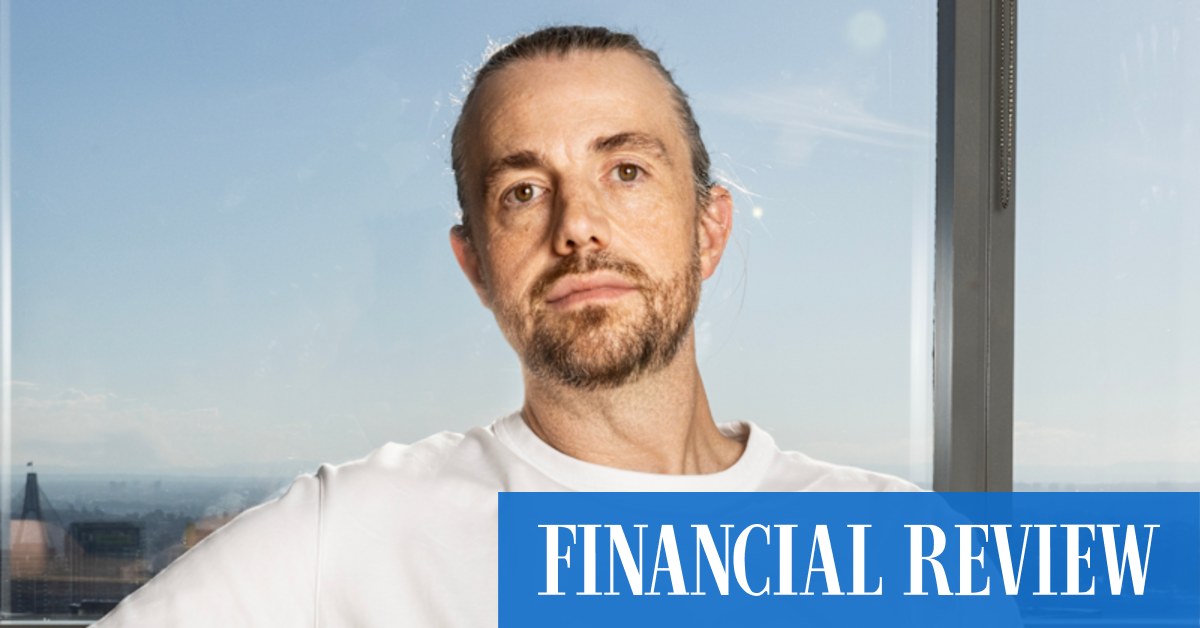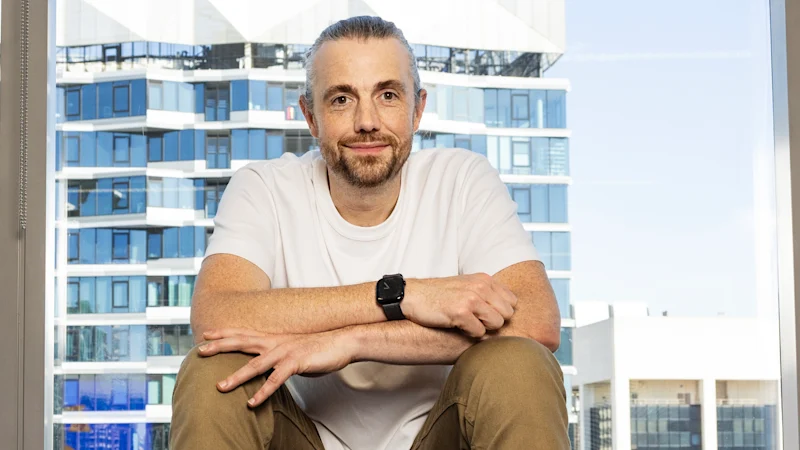
OpinionJuly 14, 2026 — 3:00pmFor most of the past decade, the surest way to get rich in Australian technology was not founding a startup. It was getting a job at Atlassian.The company’s 2015 Nasdaq float, and the stock’s subsequent 20-fold run to a 2021 peak above $US450 ($650), minted more everyday millionaires than any business in the country’s tech history. Engineers, designers and marketers who joined for the beanbags and the “don’t #@!% the customer” values walked away with life-changing sums, all delivered through annual grants of stock.Mike Cannon-Brookes says AI is ultimately going to be a positive for Atlassian, despite its share market woes.Louise KennerleyThat era formally ended this week. Atlassian has told staff that from the compensation cycle beginning July 1, its equity-only “refresh” grants are finished. Employees rated as meeting expectations will receive their entire top-up in cash, vesting over four years. Only those who exceed expectations will get shares at all, and even then, only half their grant. Those who fall short get nothing. Some roles are moving to 100 per cent cash permanently.The company says the shift is about protecting shareholders and staying competitive, noting that a mid-career Australian engineer still starts on a total package of $375,000.Why would a company that calls its people “our best asset” stop paying them in the asset that made so many of them wealthy? The answer is a single number: $US1.36 billion. That is what Atlassian spent on stock-based compensation in the 2025 financial year – about 26 per cent of its revenue. In one recent quarter, share grants consumed almost 40 per cent of what the company earned. It is the central reason Atlassian has not posted an annual profit in a decade, despite gross margins most businesses would kill for.The dilution has forced Atlassian into an expensive loop: printing shares for staff, then spending billions buying them back to spare shareholders. The board authorised a $US1.5 billion buyback in September 2024 and topped it up with a $US2.5 billion program in October. Paying staff in cash cuts out the middleman.Investors stopped forgiving that arithmetic some time ago. The stock was ejected from the Nasdaq 100 in April, down 85 per cent from its peak, and chief executive Mike Cannon-Brookes cut 1600 jobs in March. A blowout cloud quarter has since lifted the shares from the mid-$US70s back to the mid-$US90s, but the market’s message is still clear: the days of buying growth with shareholder dilution are over.“We want to continue to be a growth company. We need to be a profitable company at the same time,” Cannon-Brookes told this masthead in May. “Managing those two together is part of the challenge.“We want to be a winning company. To do that, you have to meet the bar of where the market is in terms of what great means as a software company.”There is a quieter subtext at play too, underpinning this and other recent moves. The millionaire factory was a joint creation of Cannon-Brookes and Scott Farquhar, university mates who built its generous, irreverent culture over two decades. Farquhar stepped down as co-chief executive in August 2024, and the dismantling, from the March job cuts to this week’s pay overhaul, has happened entirely on Cannon-Brookes’ solo watch as Atlassian trades its founder-era pitch for a Wall Street one.Atlassian’s Mike Cannon-Brookes and Scott Farquhar, pictured in 2006.James AlcockIn fairness, there is a genuine case for the change. Cash vesting over four years cannot evaporate the way Atlassian equity did; plenty of grants made near the top remain deeply underwater. And under Australia’s employee share scheme rules, staff pay income tax on shares when they vest, at up to 45 per cent, whether or not they sell. Workers whose stock vested near the highs then crashed owed real tax on paper wealth they never banked.But the timing is brutal. Just as Atlassian closes its wealth machine, the AI labs it must compete against for engineers are running theirs at full tilt. OpenAI’s average stock compensation reportedly hit $US1.5 million per employee last year. Anthropic’s US visa filings show base salaries reaching $US1.38 million. Both companies are valued near $US1 trillion ahead of expected floats that analysts predict will create more than 20 new billionaires. Atlassian is offering the same class of AI-literate engineer a cash grant, paid out slowly, at a company still searching for its first profit.Financial discipline is what investors are demanding, and the share price rebound suggests Cannon-Brookes is right to give it to them. But equity upside was the trump card that let a Sydney software firm hire against Silicon Valley for 20 years. Atlassian is betting it no longer needs the millionaire factory to win. Its next generation of recruits, weighing offers from companies that still run one, will decide whether that bet pays off.The Market Recap newsletter is a wrap of the day’s trading. Get it each weekday afternoon.From our partners
Australia’s millionaire factory is closed for business
Mike Cannon-Brookes wants Atlassian to finally turn a profit. The price is dismantling the wealth machine that built its culture.
818 words~4 min read