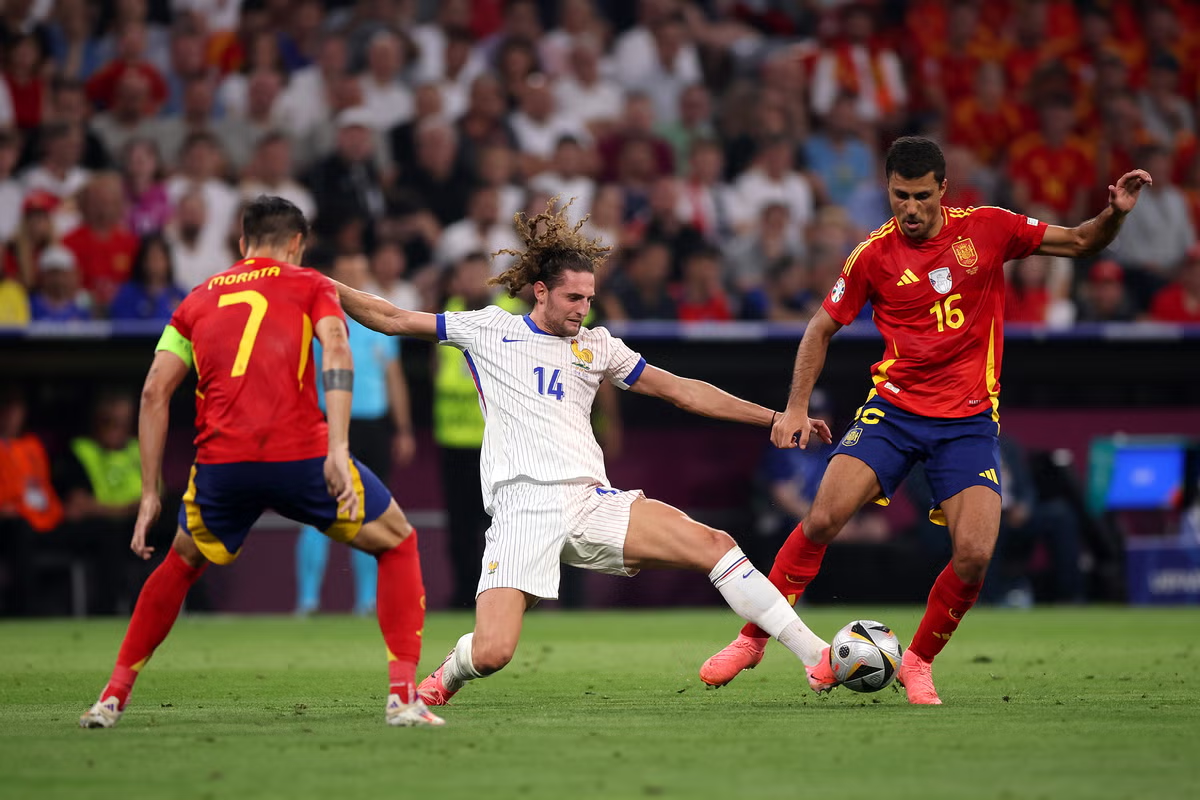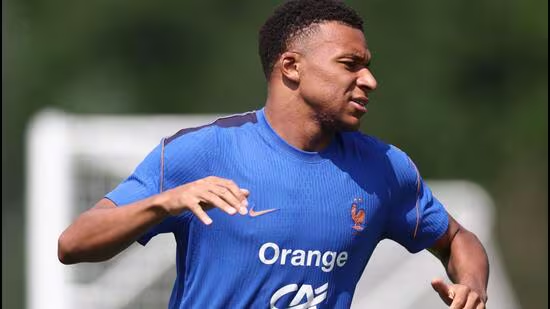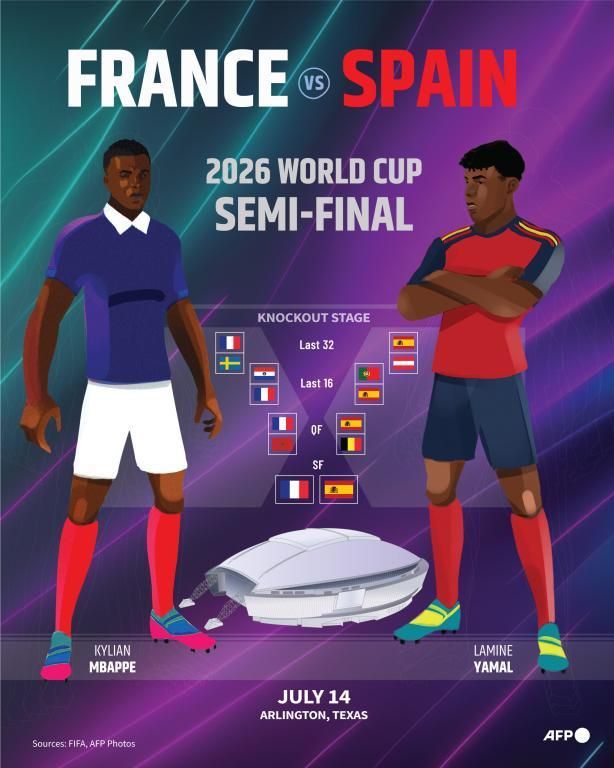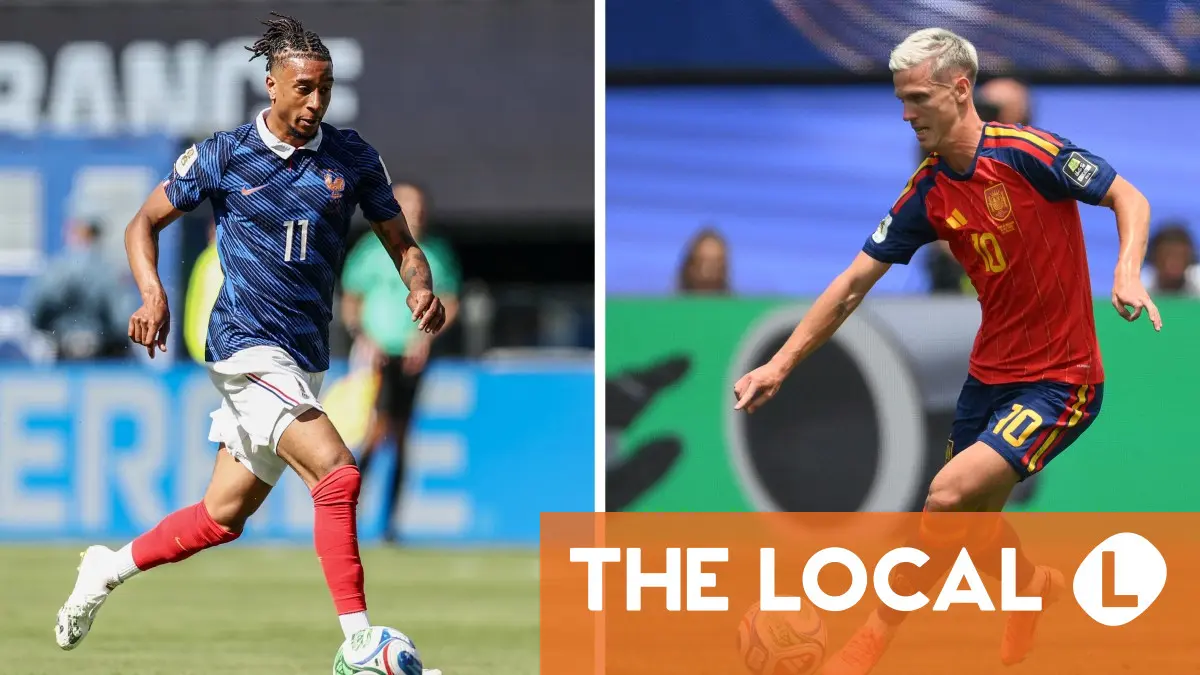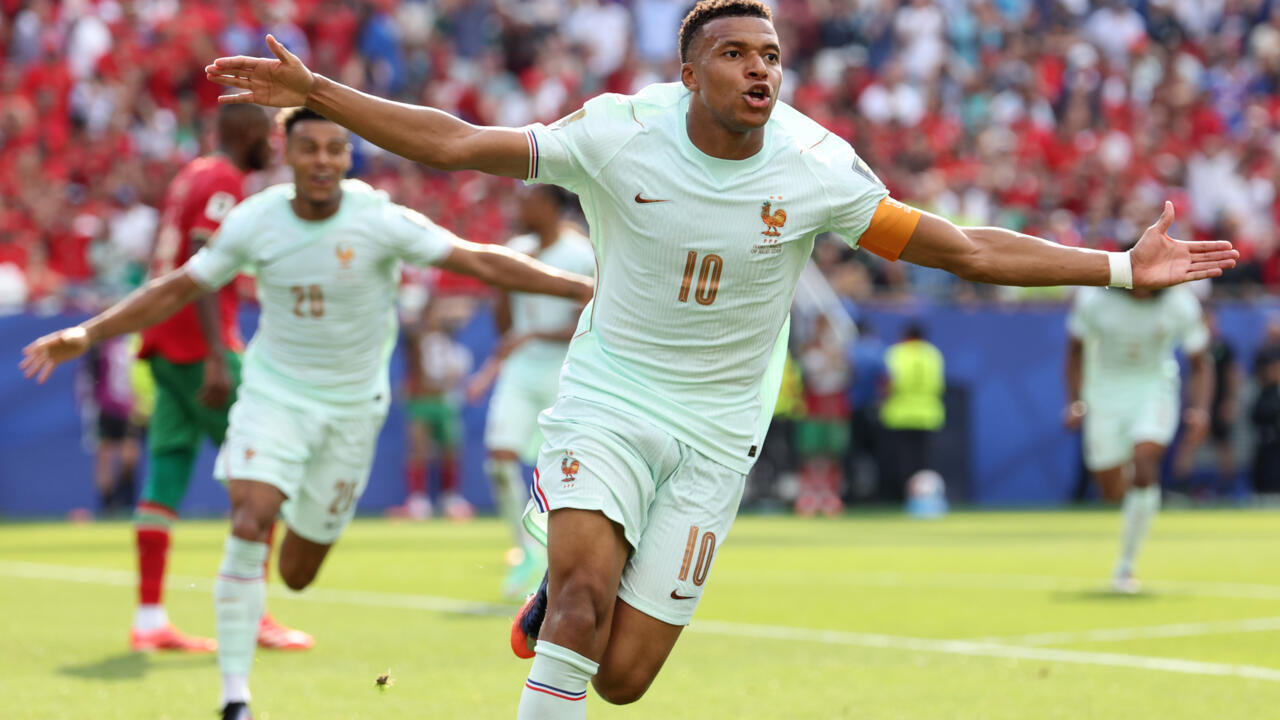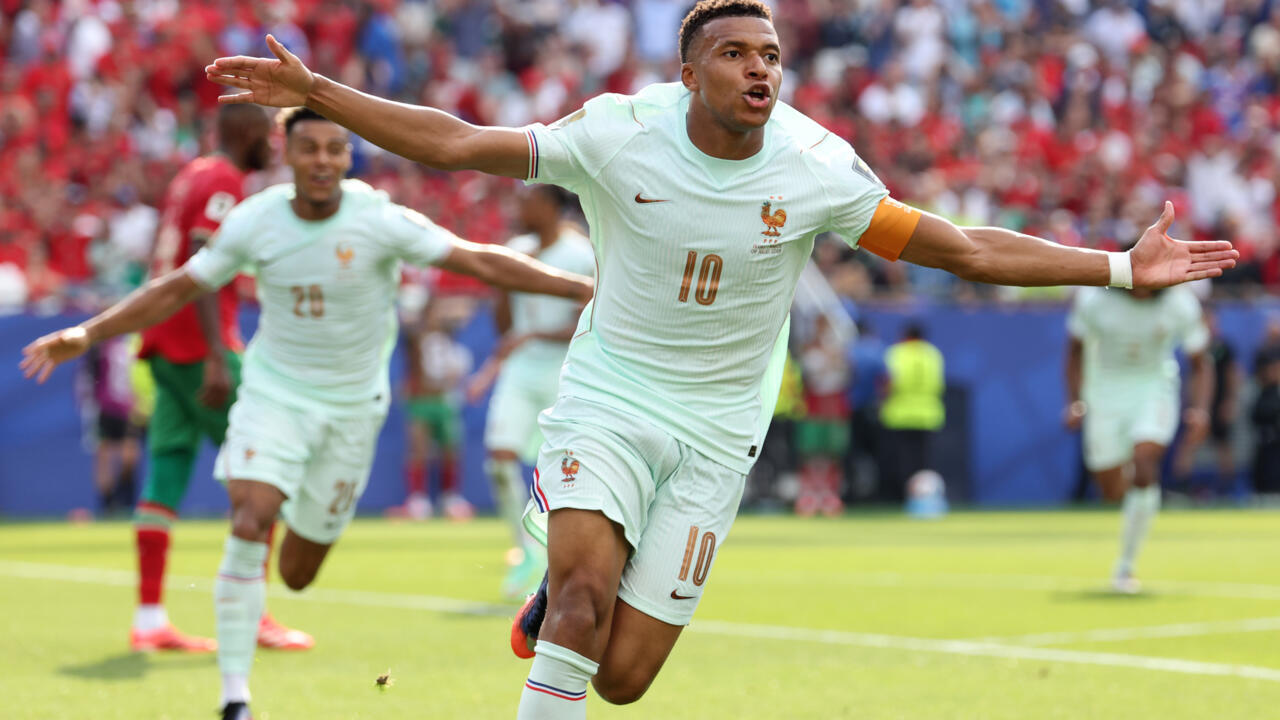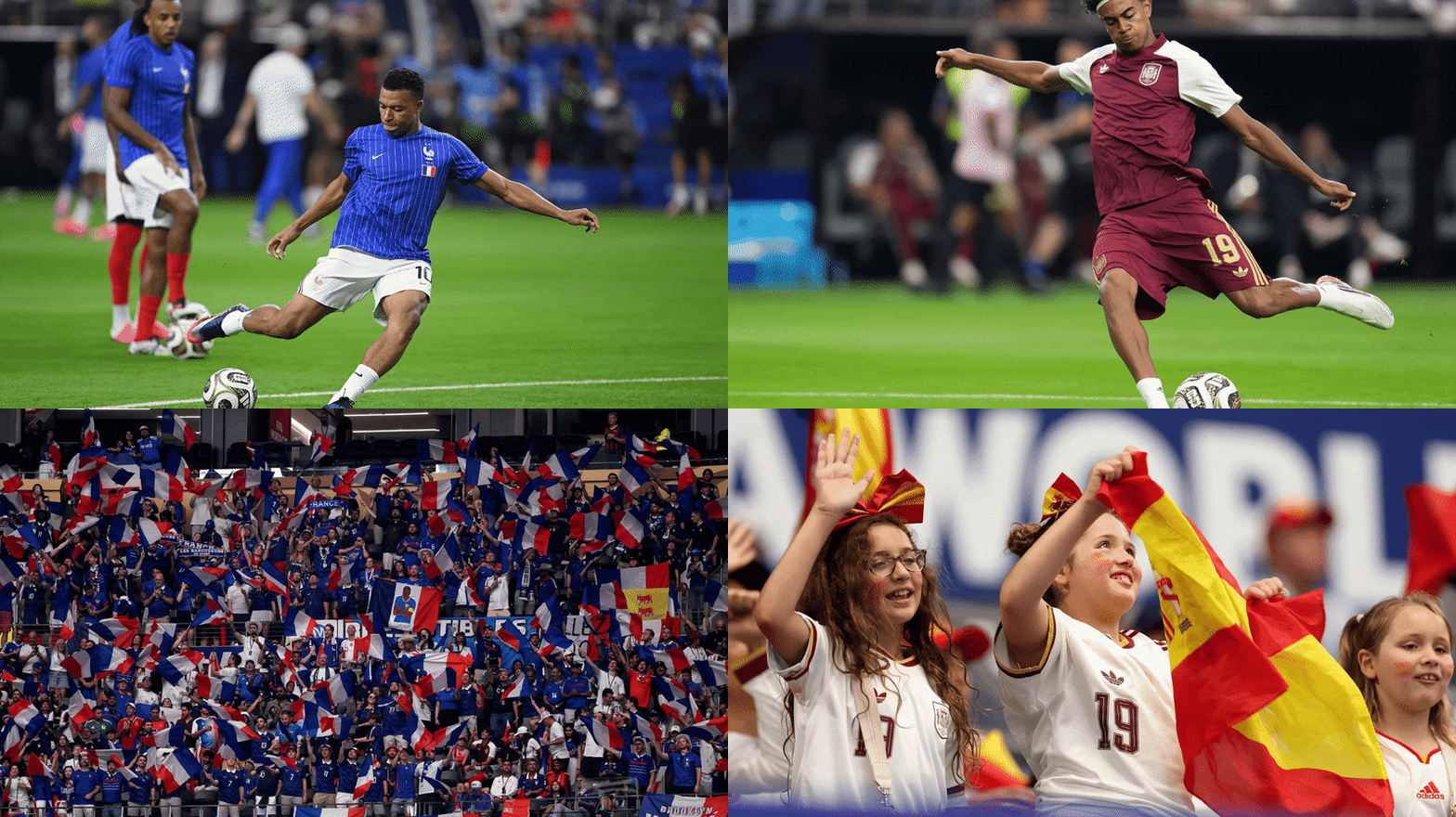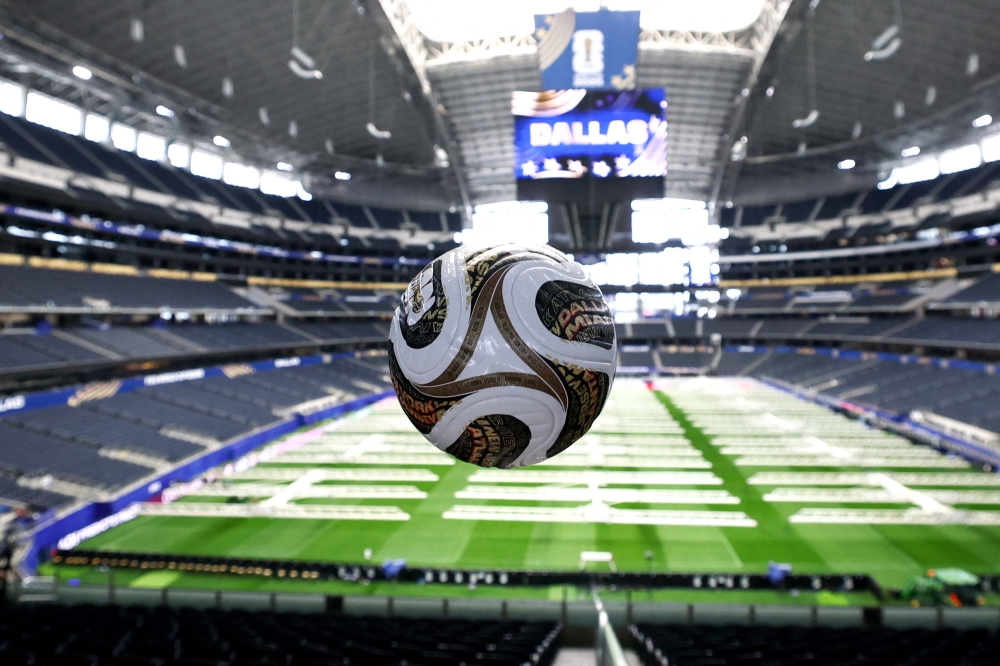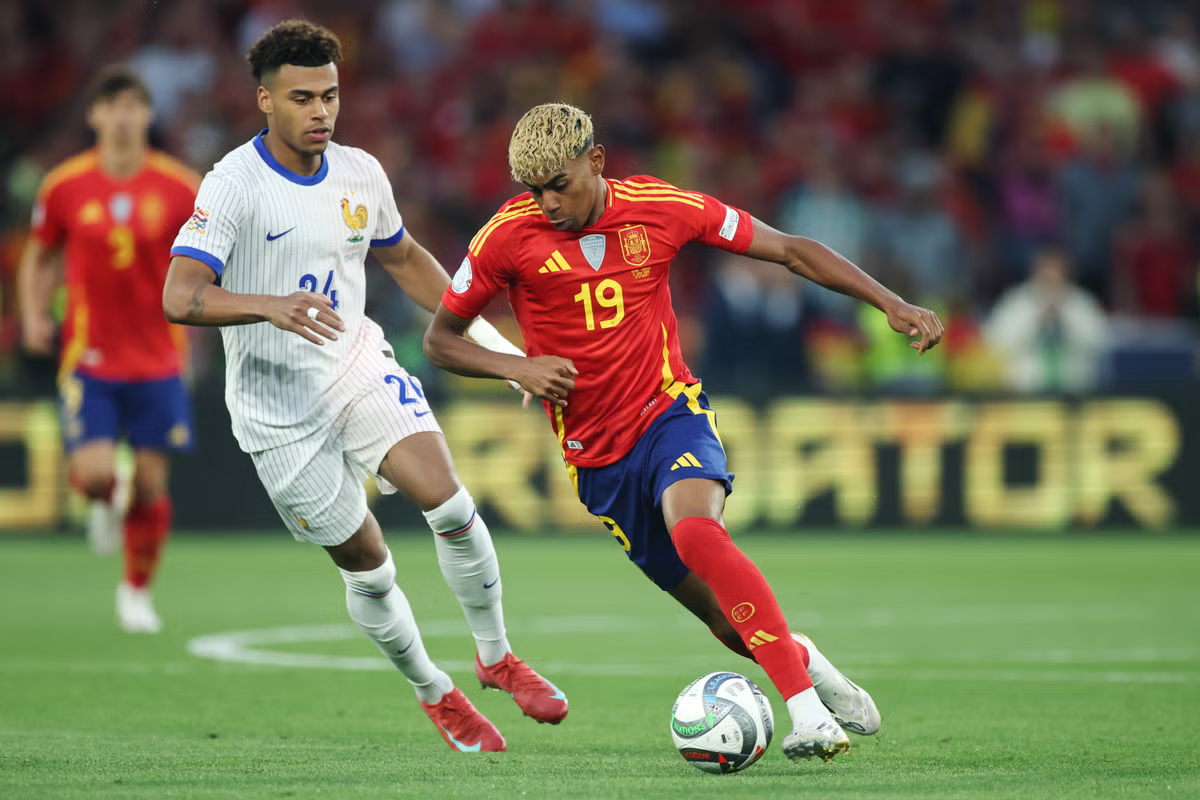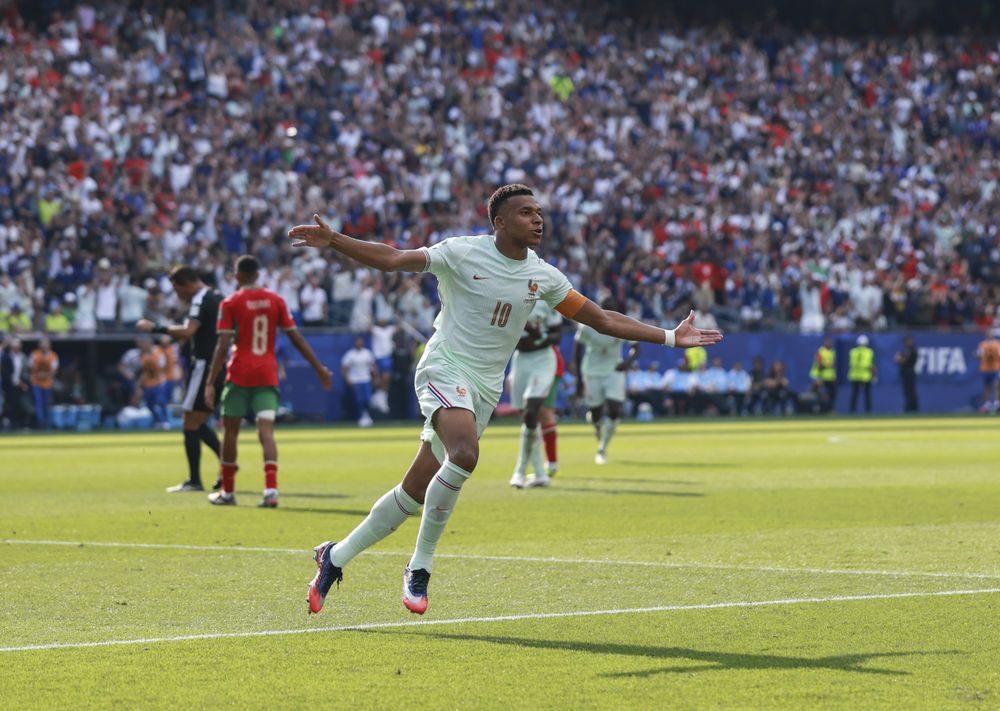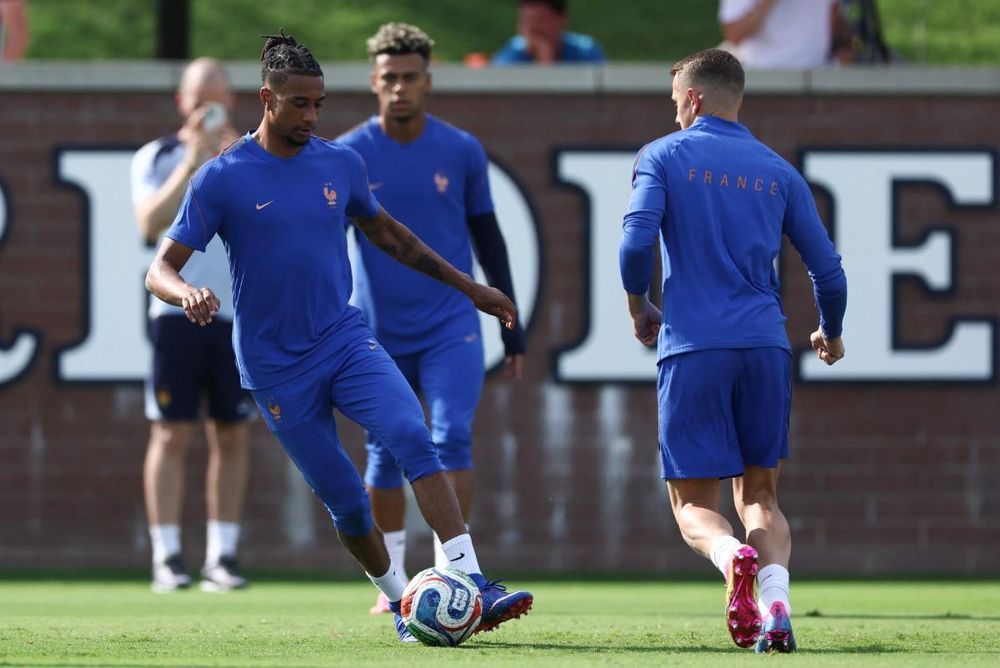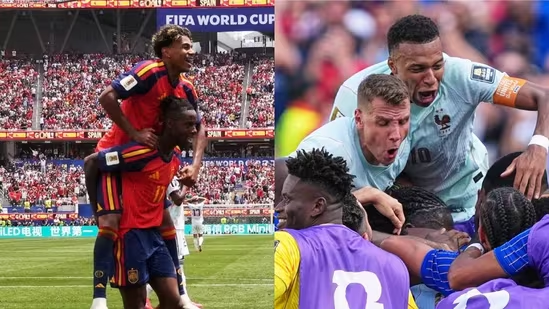
This blockbuster between Europe's two modern-day heavyweights will hinge on one thing: transition. Not possession. Not territory. On paper, Tuesday's World Cup semi-final in Dallas, widely billed as the "final before the final", looks straightforward. Spain arrive with the tournament's meanest defence. France boast its most devastating attack. But labels rarely decide knockout football. This blockbuster between Europe's two modern-day heavyweights will hinge on one thing: transition. Not possession. Not territory. Rather, what happens in the seconds after the ball changes hands — who reacts quicker, who exploits space faster, and who prevents the other from doing so before defensive shape is restored.France will take on Spain on July 15 in DallasWhere will the semi-final be won?France have never needed sustained spells of pressure in this World Cup. Almost every meaningful goal has followed the same script: win a duel, recover possession high up the pitch, then attack vertically. Three or four passes later, before the opposition can reset, the ball is in the net.Spain have taken the opposite route. They have conceded just one goal all tournament, against Belgium in the quarter-finals, because they defend by keeping the ball. And when they do lose it, they hunt it back relentlessly, recovering possession in an average of just 12 seconds, the fastest among the teams that played in the quarterfinals.That is why this contest is unlikely to be decided by Spain's possession against France's pressing. Instead, it becomes a race. Can France's front four turn a loose ball into a chance before Spain's counter-press suffocates them? Or will Spain deny France the split second of chaos on which they have thrived throughout the tournament?ALSO READ: France refuse to bite as Spain's World Cup mind games begin: 'We won't fall into their trap'What Spain should fearSpain's defensive structure has rarely allowed opponents to attack in transition. But there is one caveat. They have not yet faced an attacking quartet with the pace and explosiveness of Kylian Mbappe, Ousmane Dembele, Michael Olise and Desire Doue.Belgium briefly exposed that vulnerability in the quarter-finals. Whenever Spain's back line stretched, spaces opened between the defenders. Belgium lacked the ruthlessness to punish them consistently. France almost certainly won't.France's Michael Olise in action (IMAGN IMAGES via Reuters)Deschamps also enjoys the luxury of four defenders comfortable in one-on-one situations, allowing his full-backs and midfielders to commit numbers forward earlier than most teams would dare. Should Spain overcommit in search of control, they risk creating exactly the kind of open-field situations that have carried France to another semi-final.What France should fearFrance, meanwhile, should remember two matches: Paraguay and Morocco. Both exposed an uncomfortable truth. When opponents sit deep and deny transition opportunities, Les Bleus can struggle to manufacture chances through sustained possession.Spain are the tournament's best organised defensive side. They concede very few high-quality opportunities and rarely allow matches to become stretched. If they succeed in slowing the tempo and forcing France into long spells of patient build-up, this could become a low-event game, precisely the kind of contest Spain have mastered.And then there is Mikel Merino. The Arsenal midfielder has twice come off the bench to change knockout matches and has emerged as Spain's most reliable late-game match-winner.Mikel Merino #6 of Spain celebrates the team's second goal with teammates during the FIFA World Cup 2026 Quarter Final match between Spain and Belgium at Los Angeles Stadium on July 10 (Getty Images via AFP)France must also account for Lamine Yamal. His numbers may not fully reflect his influence, but the teenager has won more attacking ground duels than any player at this World Cup. Even on quieter nights, he consistently drags defenders out of position and creates overloads. France learned that lesson the hard way in the Euro 2024 semi-final. It may only take one moment of connection for Yamal to tilt the game.The rivalry, brieflyThis will be the third consecutive summer these two European powers meet in a major competition.At Euro 2024, Spain overwhelmed France 2-1 in Munich. Mbappe admitted afterwards that Les Bleus had been "outplayed", while Didier Deschamps accepted responsibility.The defeat triggered change. Inspired partly by France's Olympic campaign and aided by the emergence of Olise, Doue and Manu Kone, Deschamps abandoned his familiar 4-3-3 in favour of a more adventurous 4-2-3-1.A year later, the revamped France pushed Spain all the way in a thrilling 5-4 defeat in the UEFA Nations League semi-final. Despite losing, Les Bleus looked transformed. For the first time, Mbappe, Dembele, Olise and Doue operated together in the same attacking setup, the quartet expected to start again in Dallas. This time, though, there is no second chance.One side's greatest attacking weapon will collide with the other's greatest defensive strength. But whichever team controls the moments in between, those frantic few seconds after possession changes hands, will almost certainly be the one walking into the World Cup final.Aratrick Mondal is a senior sports journalist based in New Delhi. In his eight years as a sports writer, Aratrick has worked at leading media organisations, including The Times of India, Times Now, Zee, India TV and currently works at a senior position at Hindustan Times Digital. He writes on cricket, football, pickleball and tennis, among other sports.
Spain have the best defence. France have the best attack. But this World Cup semi-final won't be decided by either
This blockbuster between Europe's two modern-day heavyweights will hinge on one thing: transition. Not possession. Not territory. | Football News
1,154 words~5 min read