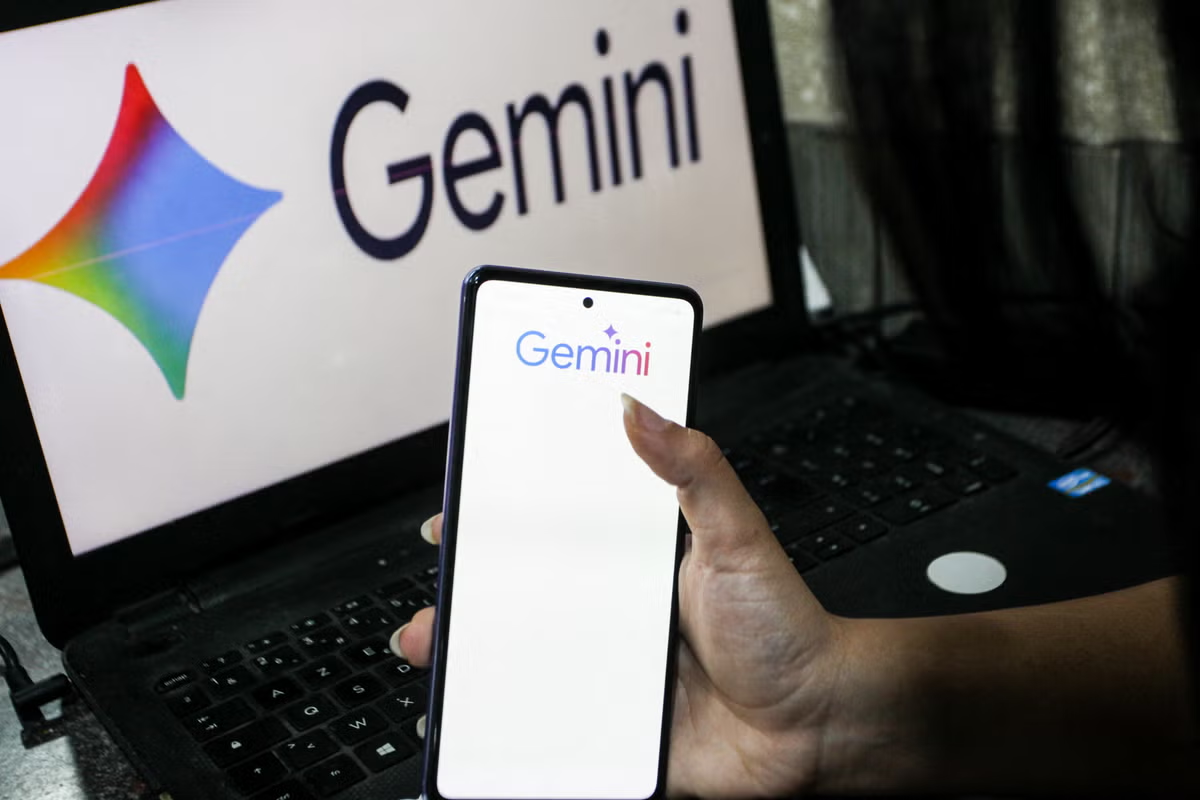
OpinionJuly 14, 2026 — 2:19pmI’m a high-income earner, and I’ve been sitting on some cash and looking for what to invest in. I don’t know a lot about investing, but I’ve been thinking of investing in AI start-ups. I’m excited by the tech space and from what I’m hearing, AI is being called the next industrial revolution. It seems like a good time to get in. What do you think?One of the challenges for high-income earners when it comes to investing is discipline. It’s easy to just drop some cash on whatever looks like the “next big thing”.Beware when tempted to jump on the “next best thing”, as the bubble could burst when you least expect it.Simon LetchYou don’t have a lot to lose because you have plenty of money to spare, or you can make it back easily. This can lead to more speculative behaviour – basically betting on things that sound good.Is that wrong? Not necessarily. The real question is – what are you trying to achieve, and is this an effective strategy for moving towards your long-term financial goals?Investing in the ‘next big thing’If you’ve been around the tech space for a while, you’ll know AI isn’t really a first. Remember the dotcom bubble? Or the time everyone declared crypto would change the world and Bitcoin would replace our entire financial system as we know it? Or remember NFTs?Often, those who actually succeed in such bubbles get in long before it becomes mainstream.This is the tough thing with tech bubbles. There may be value in the underlying technology, but that doesn’t mean everything that emerges from that technology is of value. In fact, most of it won’t be. Just ask anyone who bought into the crypto hype.Many people lost big money backing crypto start-ups that went nowhere, buying crypto technologies that had no real-world application, investing in Bitcoin based on hype but then not being able to stomach the volatility.Were there some crypto millionaires made? Yes. But here’s what many people don’t realise – often, those who actually succeed in such bubbles get in long before something becomes mainstream. The real “early” investors in AI were investing years ago – not after ChatGPT hit the market. By the time something becomes mainstream, you’ve lost a lot of the opportunity for dramatic early gains.Does that mean there isn’t still room for significant growth? No. But it does mean there’s a lot more noise in the market – every other tech enthusiast is trying to start an AI company. For the amateur investor, it will be harder to discern which opportunities are worthwhile.Also, most of the people who come out ahead are making calculated investments. They often have some level of industry access or knowledge that allows them to identify opportunities early, make more informed decisions and have a higher conviction in the investments they’re making. In other words, they’re not just guessing or betting randomly.Are there some people who get lucky by jumping in blindly? Sure. But let’s be real here – if that’s what you’re hoping for, you are essentially buying tickets to a lottery. And we all know that most people lose more money on lottery tickets than they’ll ever make back.Investing basics don’t change for high-income earnersIt’s tempting to think that if you have a lot of money, you can somehow skip the basics and jump right into juicy, high-return investments. Technically, you can – in the sense that you can financially afford to take that risk, without it hurting you as much as it would the average person.But just because you can afford something, doesn’t mean you have the skill to make it successful. Just because you can afford to buy a plane, doesn’t mean you know how to identify if it’s a good plane to buy, let alone how to fly it. That increases the probability of mistakes.I know sitting on cash can be nerve-racking. You can feel a certain pressure to get that cash invested into something as soon as possible, but you are far better off giving yourself the time to understand how to invest well rather than rushing into something and just hoping it’ll work out.If you don’t know much about investing, give yourself permission to be a beginner. Learn the basics – what actually makes for a good investment? How do you design a portfolio? What is asset allocation? Whatever you learn in the process of acquiring these skills will help you become a more confident investor – regardless of what you invest in.Your first goal shouldn’t be to get into the “next big thing”, it should be to build a well-diversified core portfolio that you can hold long-term. I know that sounds boring – but that’s really what good investing should be.Then, if you like, you can ear-mark a small percentage of your portfolio for “fun” investing. This way, you’ve allowed yourself some room to have fun with your investments, without betting the whole farm.Paridhi Jain is a money and mindset coach who combines practical strategies with mindset transformation to help clients create more freedom and fulfilment in wealth, work and life. Find Paridhi at: skilledsmart.com.auAdvice given in this article is general in nature and is not intended to influence readers’ decisions about investing or financial products. They should always seek their own professional advice that takes into account their own personal circumstances before making any financial decisions.Expert tips on how to save, invest and make the most of your money delivered to your inbox every Sunday. Sign up for our Real Money newsletter.Paridhi Jain is a money and mindset coach who combines practical strategies with mindset transformation to help clients create more freedom and fulfillment in wealth, work, and life.From our partners
I earn lots and have some spare cash. Should I invest it in AI?
The real question isn’t if AI is a good investment. It’s if this is an effective strategy for moving towards your long-term financial goals.
955 words~4 min read