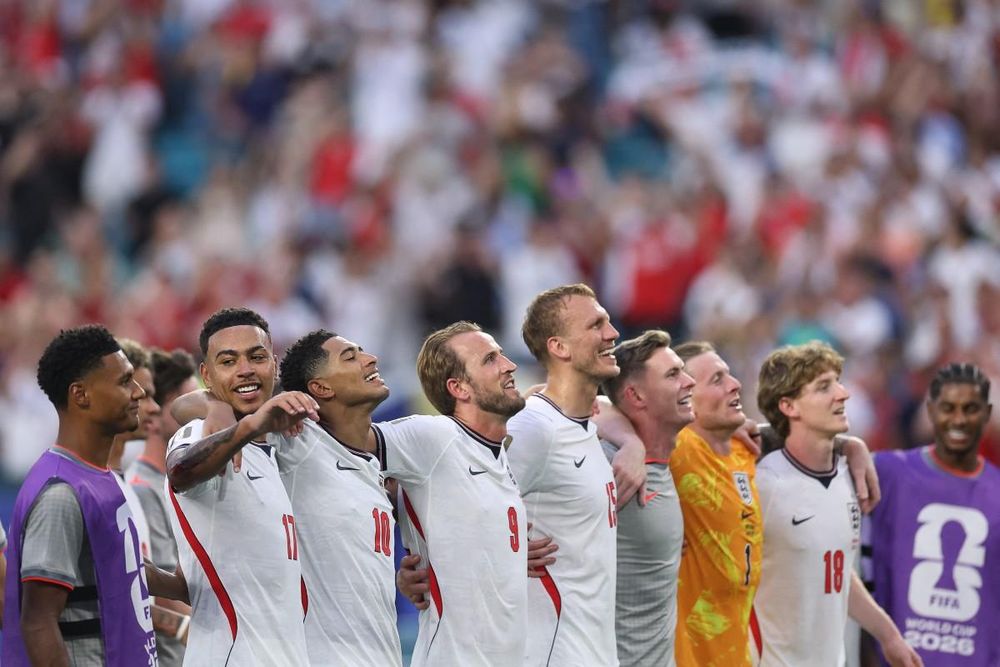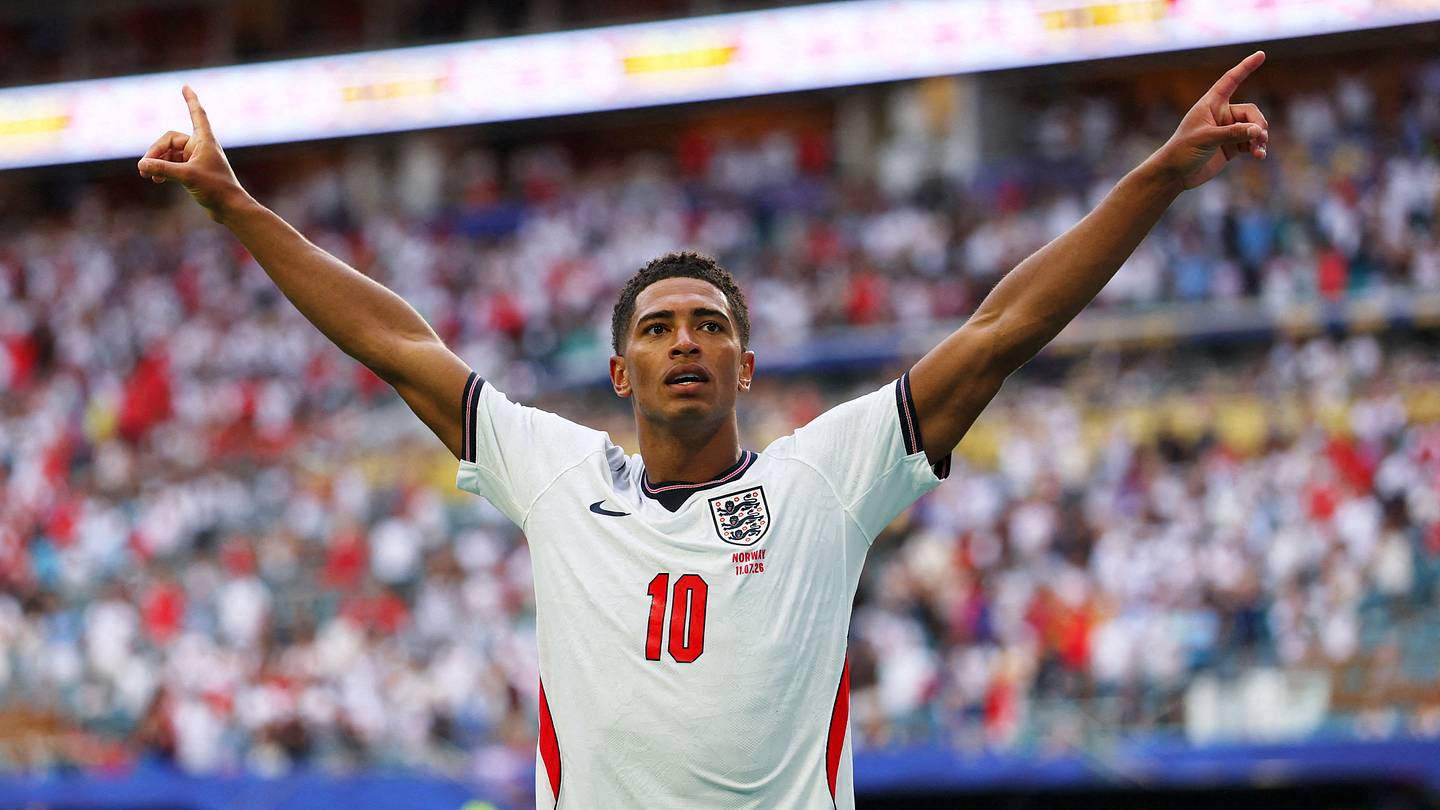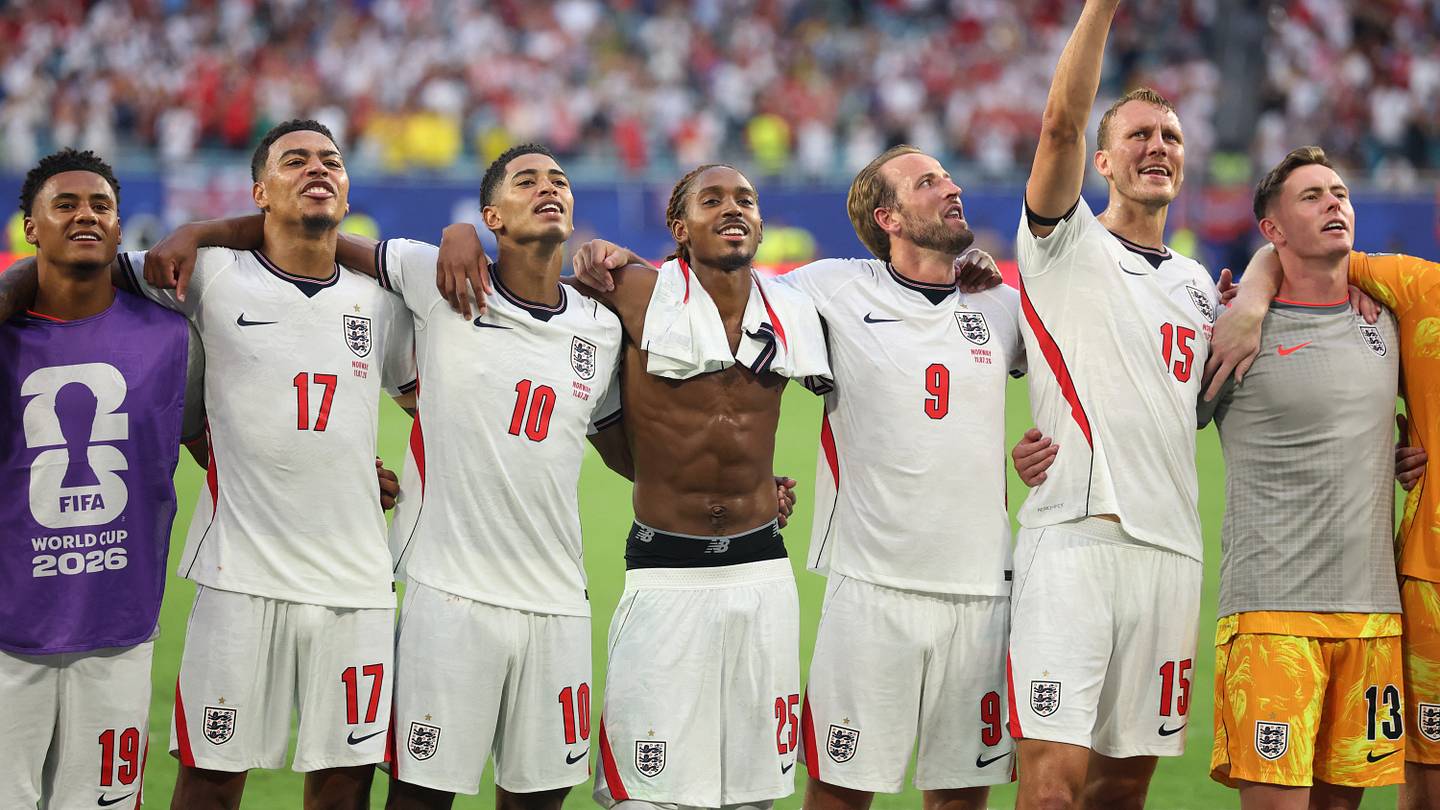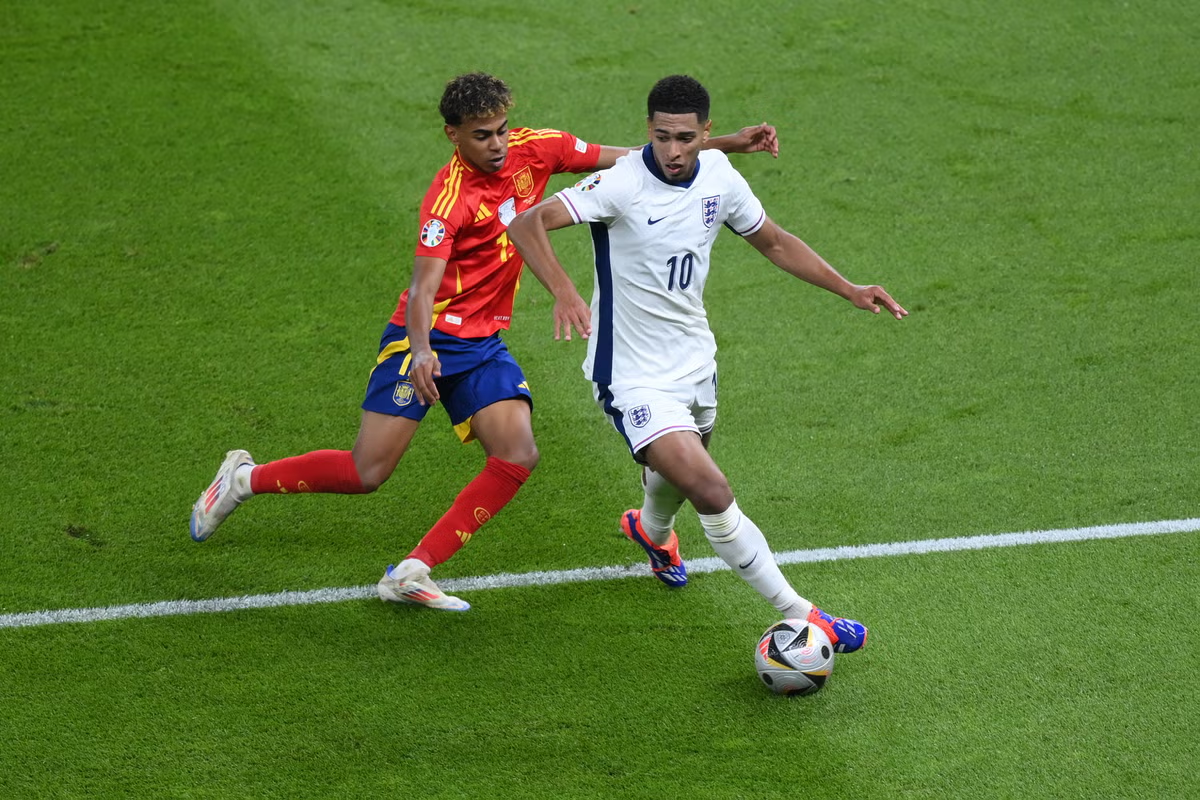
A version of this article was first published on July 24, 2025This week’s two World Cup semi-finals could hardly be more evenly poised.The four top-ranked teams in the world meet, with first-placed France taking on third-placed Spain (the reigning European champions) on Tuesday, before second-ranked Argentina (the World Cup holders) face fourth-placed England on Wednesday.Whichever teams prevail, we will be in for a mouthwatering final on Sunday.But there is one consistent pattern that may cause concern for England and Argentina.In 13 of the past 14 finals across men’s and women’s World Cups and European Championships, the side that played their semi-final a day earlier won the final. In the other game, both semis were on the same day. And there is also evidence the pattern carries across to the Copa America.Is the extra day’s rest the crucial factor? After an intense tournament in the United States, Canada and Mexico, in which matches have been played in extreme heat and sometimes at altitude, freshness come Sunday could certainly be crucial.This is how that pattern has developed…Men’s European Championship 2012Spain had the extra day between semi and final (three to two) and defeated Italy comprehensively 4-0 in the latter, two of the goals coming with the Italians down to 10 men for the last half-hour due to injury, having used all their substitutions.Women’s European Championship 2013Germany had an additional day (again, three to two) before facing Norway, who had also been forced to play extra time and go through a penalty shootout in their semi-final. Germany won, 1-0.Men’s World Cup 2014Germany not only had an extra day of rest compared with Argentina (four to three), but they also only played at full intensity for half an hour of their semi-final, finding themselves 5-0 up against Brazil at that point before eventually winning 7-1. Argentina had gone 120 minutes before seeing off the Netherlands on penalties. Germany won the final, with its only goal coming late in extra time.Women’s World Cup 2015The United States had four days of rest compared to holders Japan’s three, and were four goals up within 16 minutes in the final, eventually winning 5-2.Men’s European Championship 2016France had home advantage in Paris — but Portugal had three days off compared to their two, and won after extra time.Women’s European Championship 2017The exception that proves the rule. Hosts the Netherlands defeated Denmark 4-2, having won the second semi… but the final-four ties in this tournament were on the same day. Given that the Danes and Austria went all the way to penalties in the first of them, before the Dutch beat England in 90 minutes, there was only a two-hour difference between when the games ended.The Netherlands won Euro 2017 under the guidance of manager Sarina Wiegman, now in charge of England (Maja Hitij/Getty Images)Men’s World Cup 2018France had four days off compared to Croatia’s three, and scored four goals compared to Croatia’s two.Women’s World Cup 2019Two second-half goals handed the United States victory over the Netherlands. They had four days off compared to three for the Dutch.Men’s European Championship 2020 (played in 2021 due to the Covid pandemic)Having recognised the problem, UEFA changed the scheduling of the semis before this tournament, meaning the finalists had gaps of four and three days to the big game, compared to the old system of three and two. But for the second men’s Euros running, the side playing in their own backyard lost in the final, with Italy (four days) defeating England (three days) on penalties. Clearly, home advantage is not as important as an extra 24 hours with your feet up.Women’s European Championship 2021 (played in 2022 due to the pandemic)A year later, England had home advantage in the final again, but this time also got an extra day to prepare. Sure enough, they beat Germany 2-1 after extra time.Men’s World Cup 2022Argentina had four days off compared to France’s three. Not only was this World Cup in Qatar played at the ‘wrong’ time of the year to avoid the summer heat, but it was also condensed into a shorter-than-usual timeframe, so maybe rest ahead of the final was particularly vital. It took penalties for Argentina to eventually prevail, although they had dominated the majority of the game against an incredibly sluggish France, who suddenly burst into life in the last 10 minutes.Women’s World Cup 2023Spain beat England 1-0, having had an extra day of rest — four to three — although it is worth pointing out the Spanish had been forced to make the four-hour plane journey over from New Zealand after their semi-final, whereas England played their semi in Sydney then stayed there for the final.Men’s European Championship 2024Spain versus England is becoming quite familiar in finals. Spain won this one, too — 2-1 — having had four days off to the three for Gareth Southgate’s men.Mikel Merino - World Cup super sub & Spanish hero 🇪🇸Felipe CardenasWomen’s European Championship 2025Yes, you guessed it, Spain versus England, again.The Lionesses retained their title, beating the world champions on penalties in the final in Switzerland. England had seen off Italy on the Tuesday, with Spain overcoming Germany on the Wednesday. Both teams needed extra time, so it is probably no surprise that an extra 24 hours enabled England to match the tournament favourites and eventually lift the trophy.The pattern is very clear. It goes back further still, to the 2011 Women’s World Cup final, and Japan defeating the United States on penalties having played in the second semi-final — although, as in the Women’s Euros six years later, that tournament’s semis were on the same day.You have to go back to the men’s World Cup decider in 2010, 17 finals ago, to find a side (Spain) triumphing having played their semi-final the day after their opponents (the Netherlands).The pattern is not as strong as you go back deeper into history than that — perhaps because the level of physical intensity wasn’t as demanding, and recovery days were less important. There are also more tournaments when the semi-finals are played on the same day — the 1996 men’s Euros, for example.Playing both semis on the same day would largely solve this problem, of course. But that seems unlikely for practical reasons; the games would have to be staggered so television viewers can watch both, and given the chance of extra time and penalties, this would result in some unusual kick-off times that broadcasters would be unhappy about.A less dramatic solution would be bringing the tournaments forward (again) and creating another day between the semi-finals and final. Yes, there would still be one side of the two with an extra day’s rest, of course, but if the teams had five and four days respectively between their last two matches, rather than four and three, the effect would surely be less pronounced.If there is a crumb of comfort for England and Argentina, perhaps they can look to results in the Copa America.Ticket prices soar for England vs Argentina | World Cup Daily BriefingFelipe Cardenas and Adam JonesWhile there does still seem to be a clear advantage — in five of the past seven finals, the team playing their semi-final first has won — there have at least been two examples of the eventual champions coming from the second semi-final. And Argentina were involved both times.In 2021, they beat Brazil in the final, despite 24 hours less rest. In 2016, they lost to Chile on penalties in a game played at MetLife Stadium, the venue for Sunday’s World Cup final, even though Chile were disadvantaged by playing their semi-final a day later.We will find out on Sunday whether the pattern continues or whether England or Argentina can buck the trend.
This pattern over 14 years suggests England have a significant World Cup semi-final disadvantage
History suggests England and Argentina are at a significant disadvantage, whoever emerges victorious from Wednesday's semi-final
1,284 words~6 min read