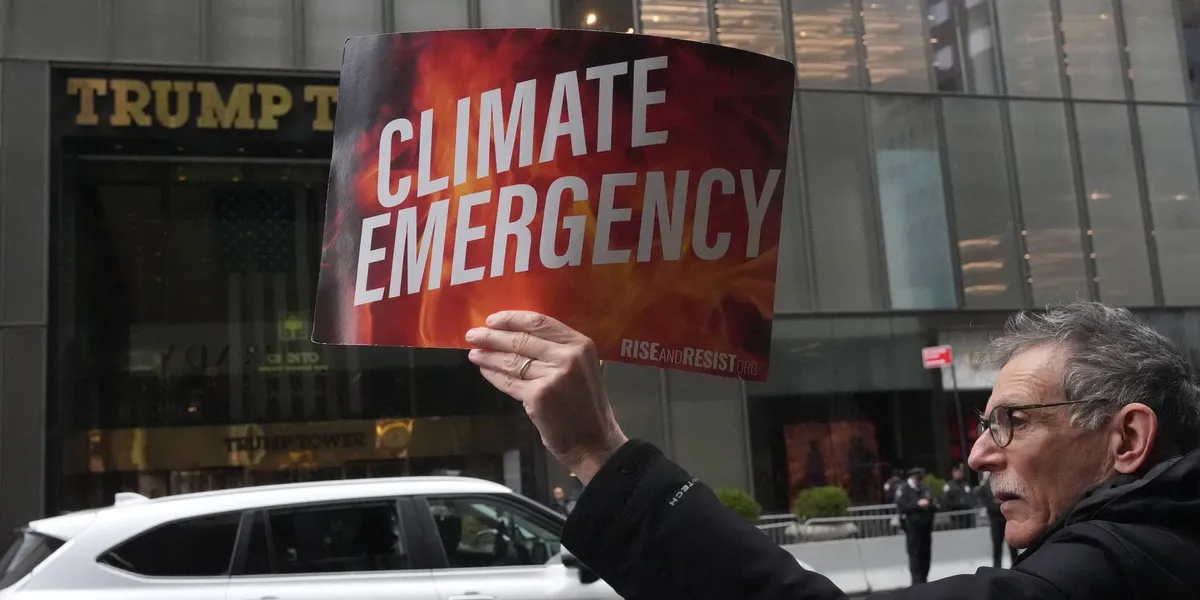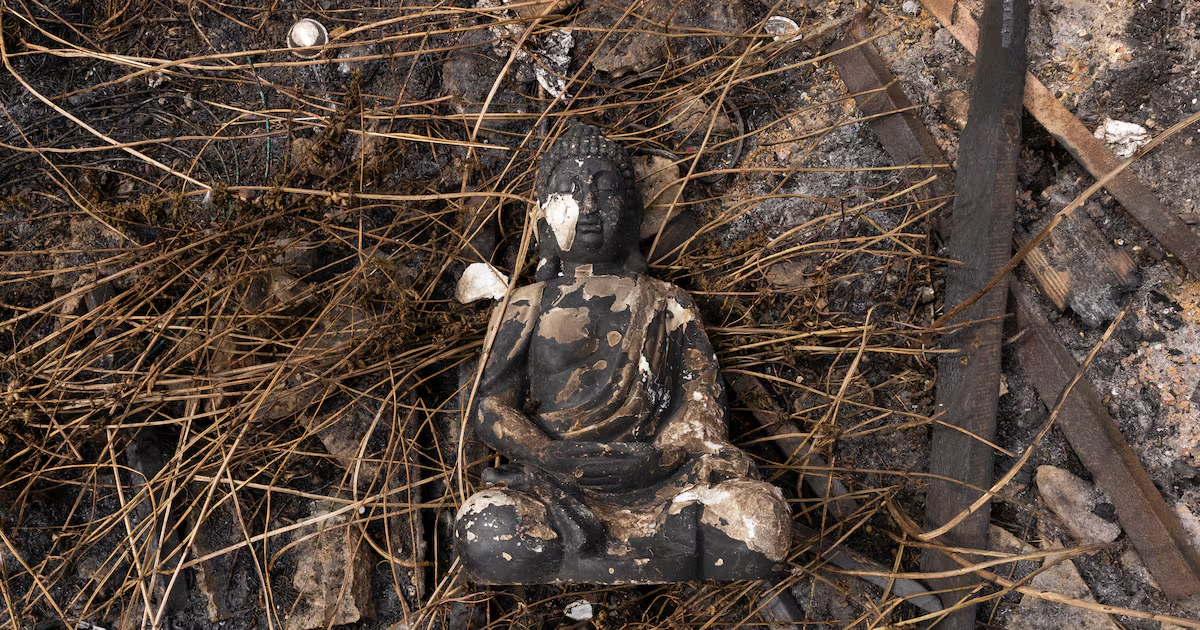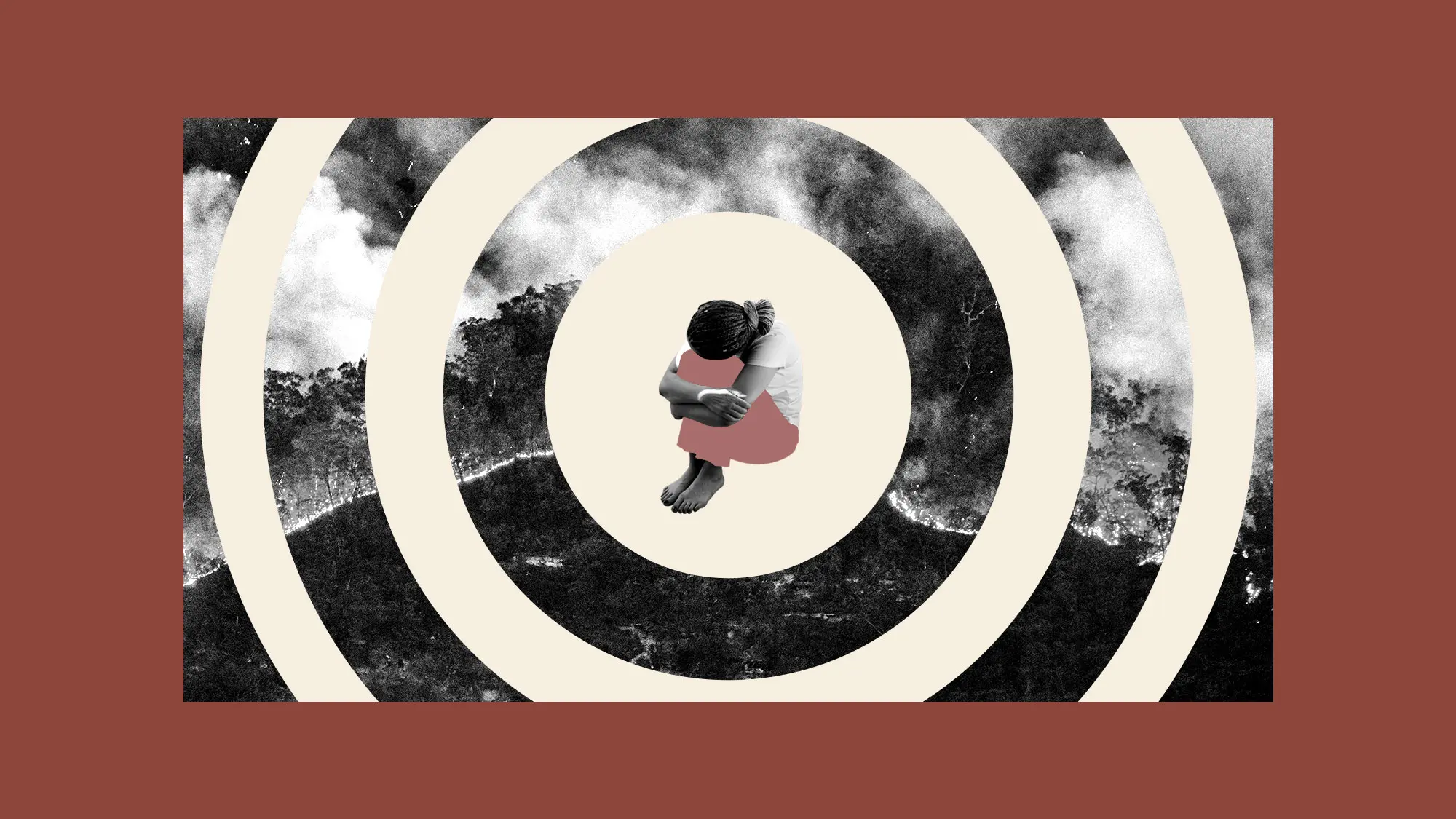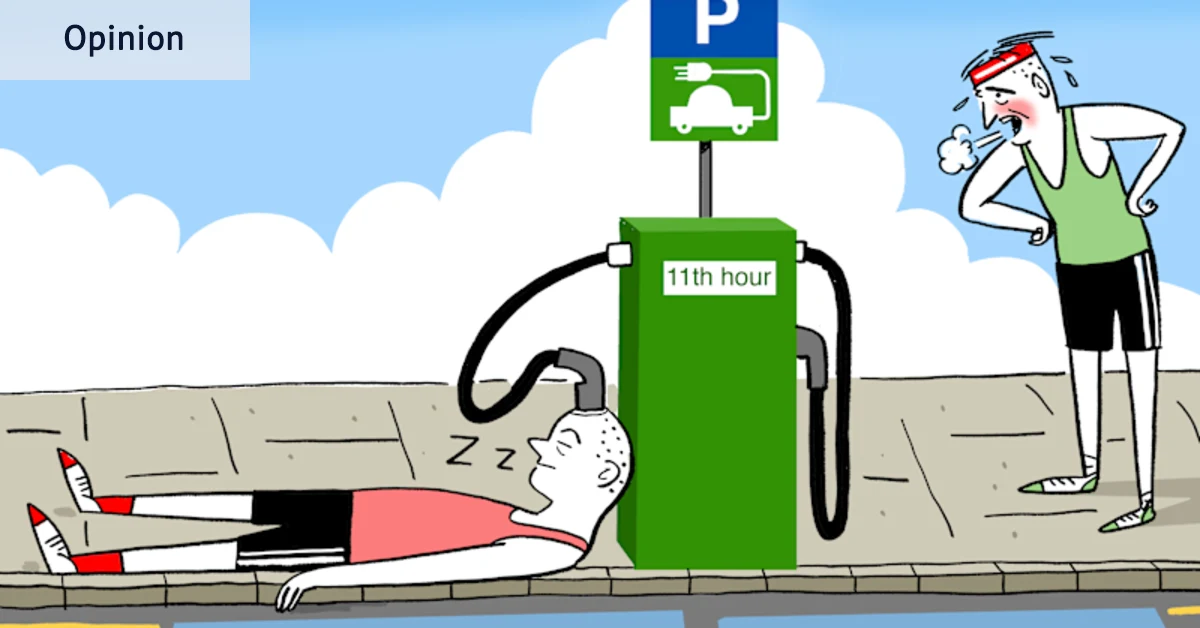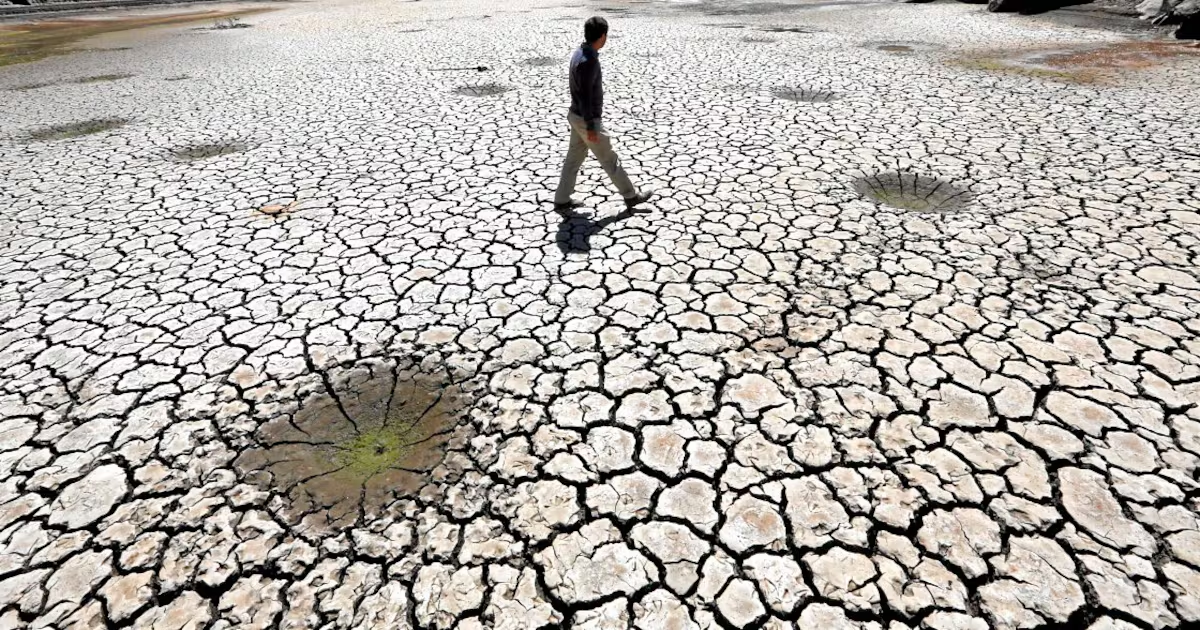
I can imagine that there are many things that keep environmentalists and climate scientists awake at night, and I’m genuinely grateful that I don’t know what they know. But of all those torments, I suspect the one that would do my head in completely is Shifting Baseline Syndrome. It sounds mathsy and technical, but it’s really just a way of saying that human beings have relatively short lives and that, apart from the odd Silicon Valley sociopath trying to upload his consciousness to the cloud, we generally take our memories with us when we die. For those environmentalists who are still trying to impress upon us the scale of the violence we’re doing to the only vaguely habitable planet within 40-trillion kilometres, this has one particularly nightmarish consequence: because nobody currently alive has a clear and accurate memory of how much more abundant and healthy the planet was before we were born, none of us can feel, on a visceral level, how badly things are going now. This is why, for example, we can travel to the Serengeti or Yellowstone or the islands of the Pacific and return, awe-struck, with tales about the vast herds or shoals or flocks we’ve encountered, entirely unaware that what we saw was a tiny and shrivelled huddle of leftovers, a miserable fraction of what human eyes saw in those places just a few centuries ago. It’s the same reason why even those of us who read and believe reports that Earth has begun a sixth mass extinction can still convince ourselves that, barring the odd dramatic recovery of a certain sort of whale or the lamentable decline of a certain kind of bee, the world is not dramatically different from how it was in our grandparents’ day, which must surely mean that everything is more or less okay. Recently, though, I’ve begun to wonder if even Shifting Baseline Syndrome might be giving us too much credit. Because from what I can see, the real problem might be Self-deleting Baseline Syndrome.I first saw it back during Cape Town’s Day Zero drought. As children, Capetonians had spent the months between May and September gazing glumly and damply across streets or playing fields transformed into lakes for weeks on end. Now they looked up at the skies as a few half-hearted smudges of cloud dribbled a few minutes of low-grade, lukewarm drizzle onto them and excitedly exclaimed: finally, Cape Town was getting “proper rain”.In the last two weeks, as the city basked in beautiful, deeply sinister sunshine, with the latest reports revealing that Cape Town has had roughly 4% of its average July rainfall so far, I’ve seen that peculiar determination to ignore personal experience reveal itself again: at the weekend I overheard two Capetonians express gratitude for the sun because “it’s been such a wet winter”. We’re not the only ones reacting like that: read any recent report about Europe’s record-shattering heatwaves, and you will encounter dozens of eye-rolling comments below the line, insisting that “it’s called summer, people”.For environmentalists, this must be soul death by a thousand cuts. And yet, while I don’t want to excuse wilful blindness or denial, I must admit to the same tendency to disconnect evidence from belief when it comes to ecological degradation. I follow the news about Atlantic currents slowing and possibly stalling. I pore over the graphs that show atmospheric carbon dioxide rising and falling steadily over the last 800,000 years before spiking off the scale in the last century. I remember road trips with my parents and all the bugs splattered on the windscreen and the headlights, and I see that there are none on my car now. And despite all this, I tell myself: perhaps I’m just driving on roads the bugs don’t like. Because how does the lay person, the nonscientist, the battered consumer clinging on by the skin of their indebted teeth, figure out a coherent and responsible position on any of this? How does one begin to think of ways to militate for a better future when the great political debate of our time seems to be whether we should live in 1936 or 1700? How do we supplicate ourselves to the dying bees, the little gods that make our world possible, when so many of us are still arguing how to protect the dignity of a faraway Middle Eastern deity?I’m tempted to ask the scientists for an answer. But I’ve got a feeling they’re sick of telling us.• Eaton is an Arena Holdings columnist.
TOM EATON | The struggle against forgetting what the Earth looked like
Climate denial begins when we no longer know what a healthy planet looked like
752 words~3 min read