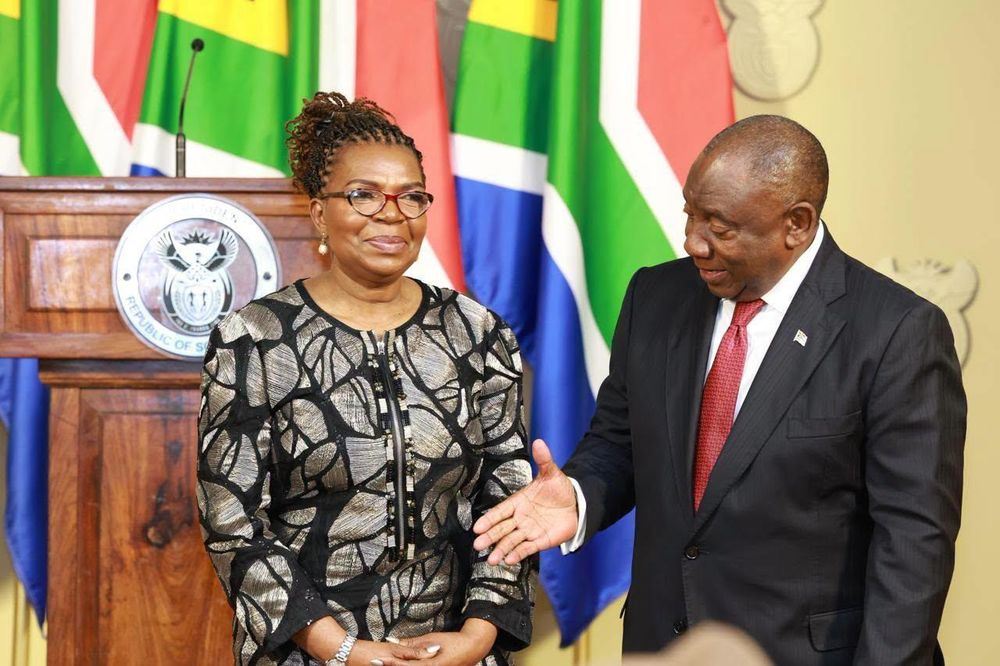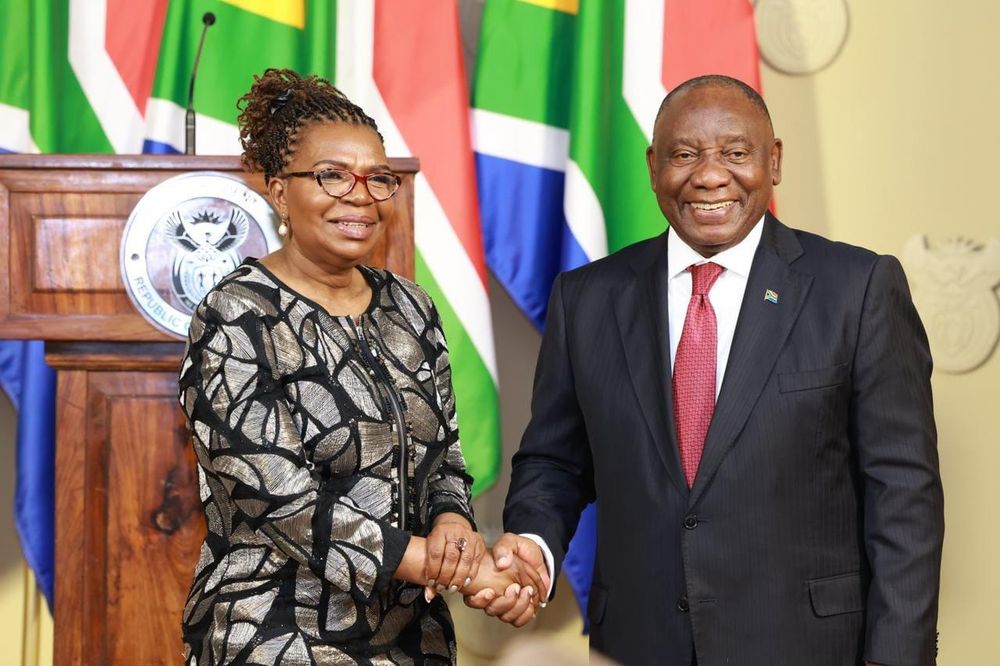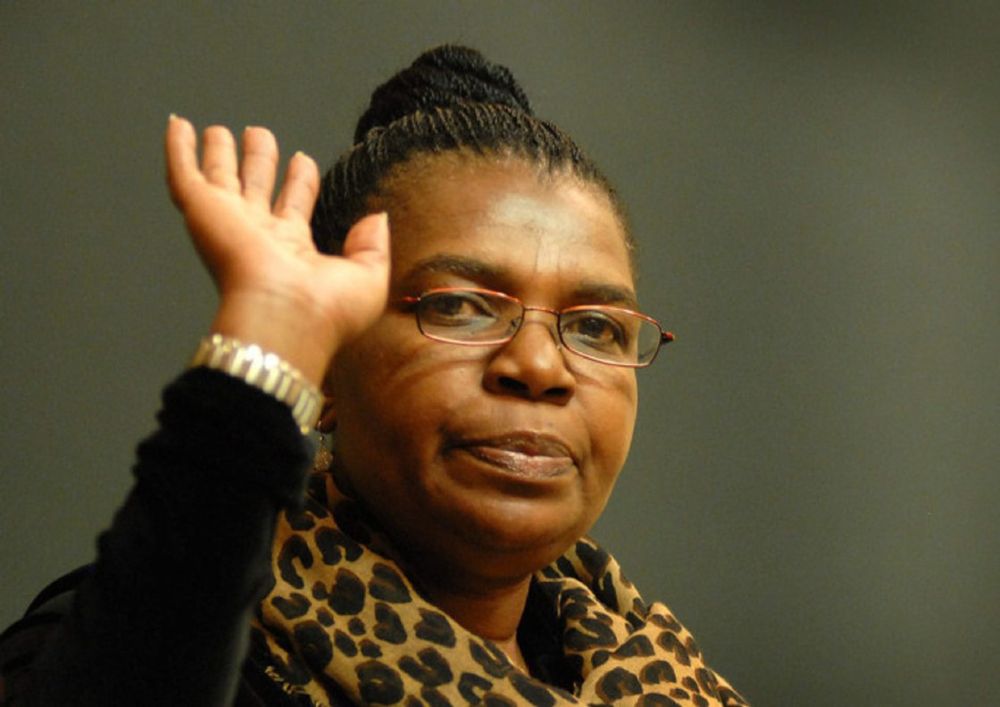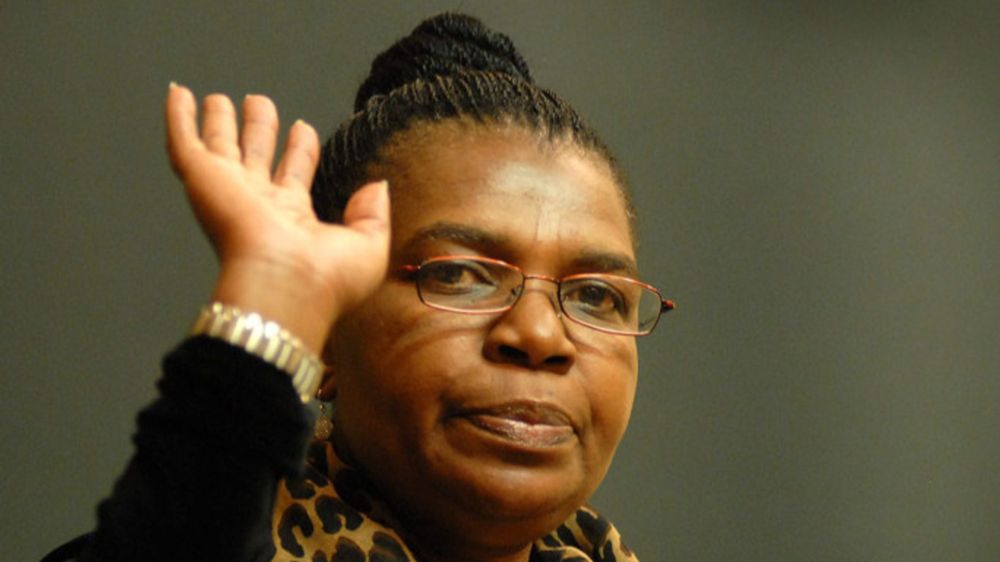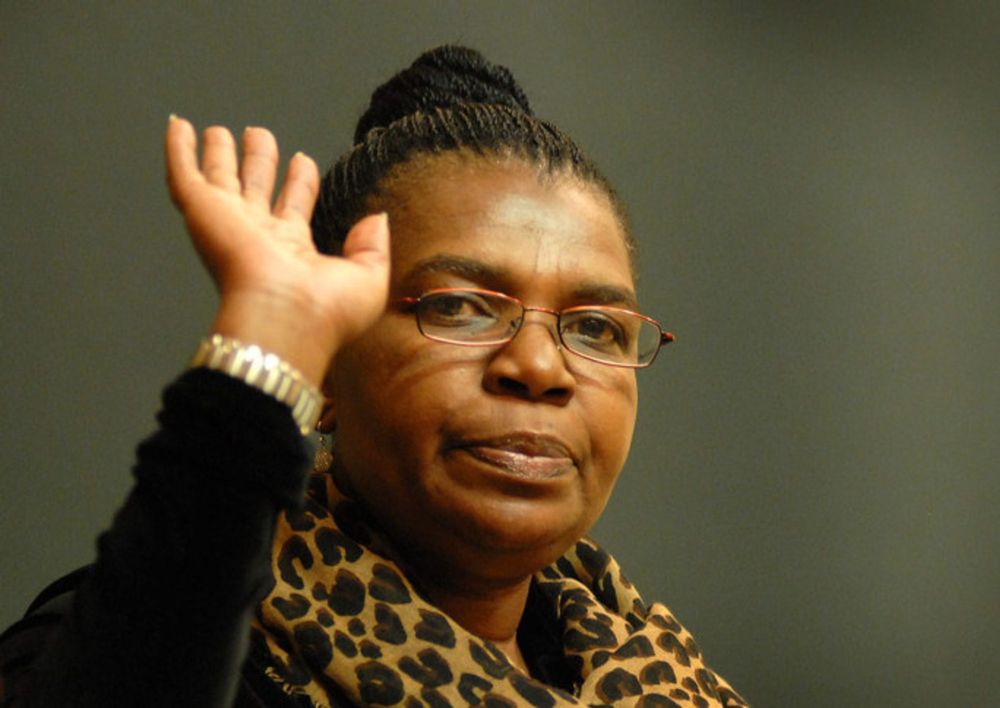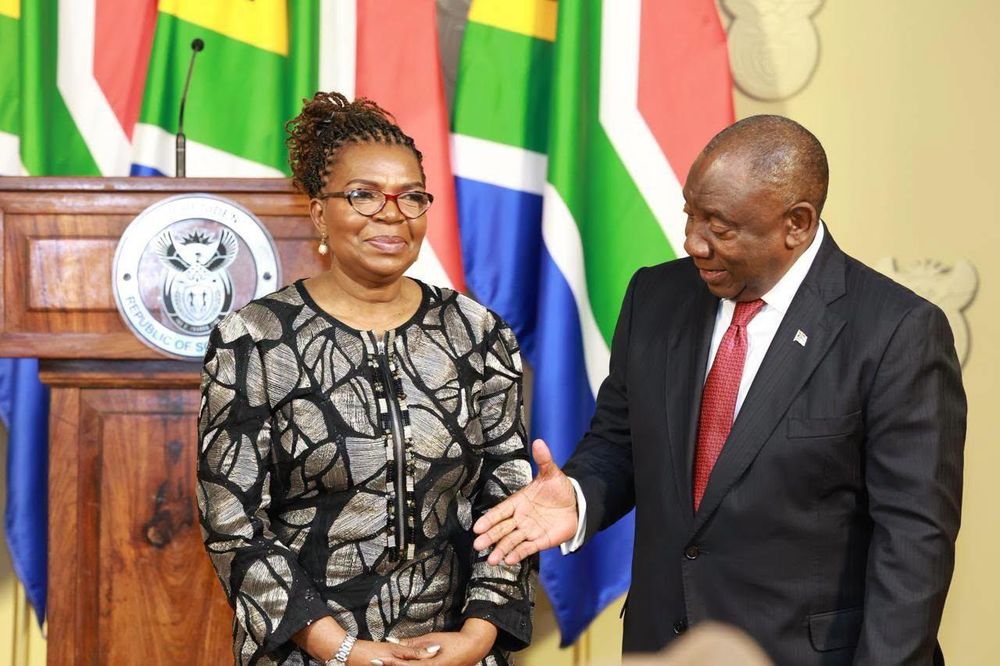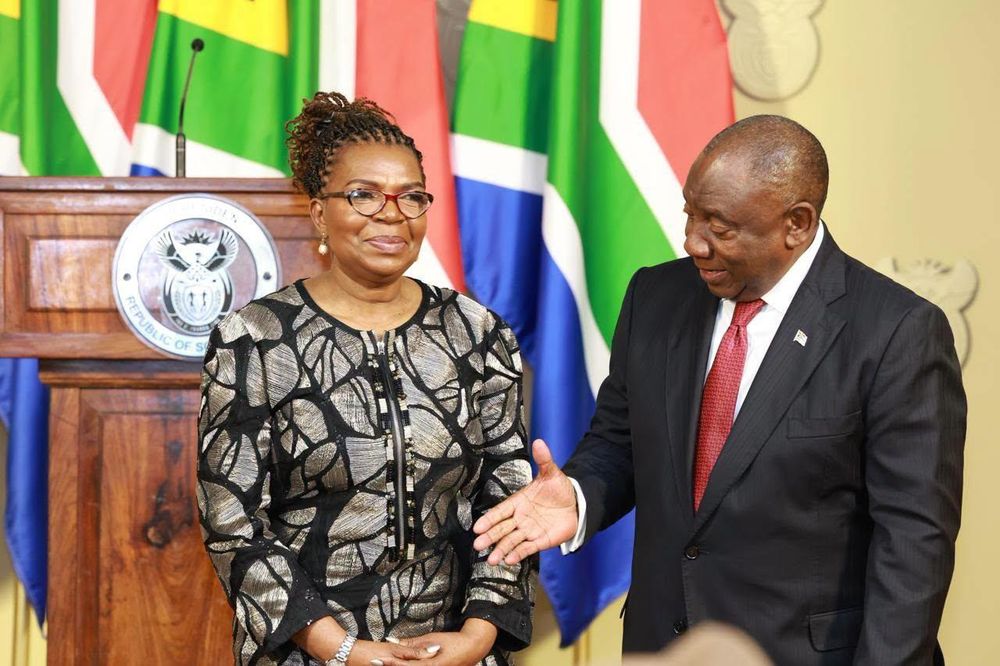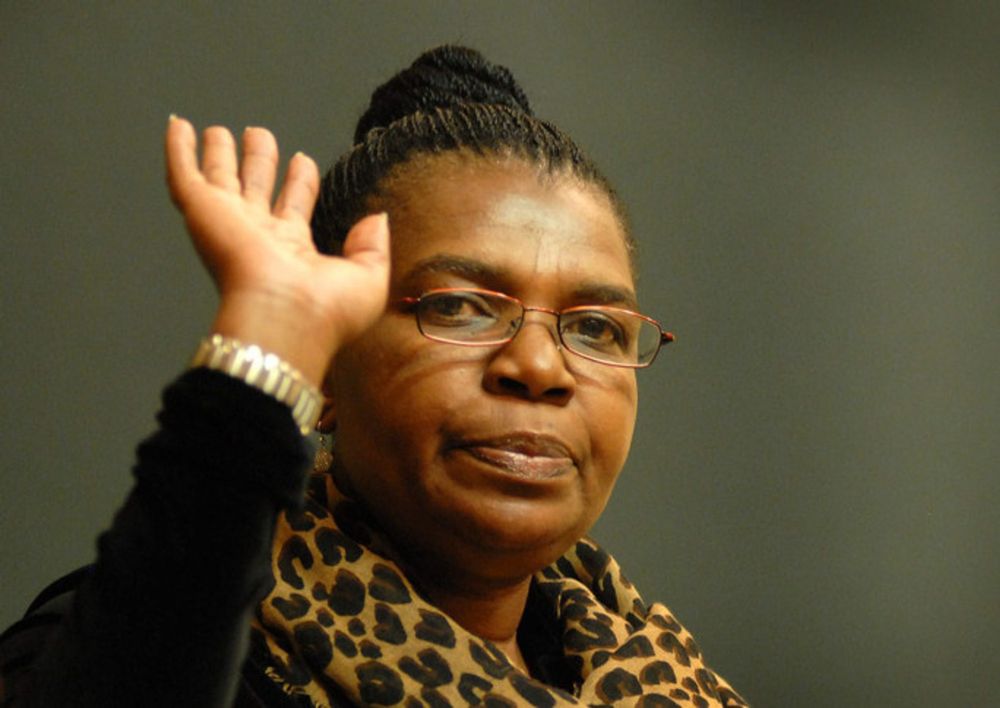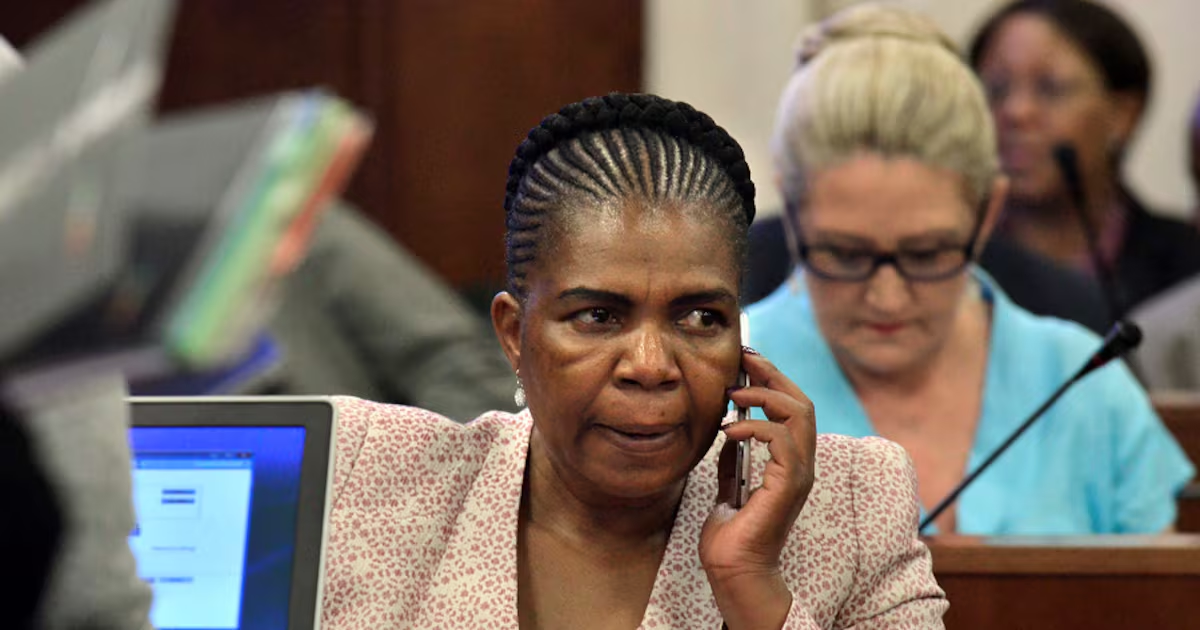
The return of Dina Pule and Ayanda Dlodlo to public service is a cruel reminder of how the ANC is failing to renew itself. The appointments are symptomatic of an organisation that is allergic to fresh ideas and afraid of new leadership. Last week, President Cyril Ramaphosa appointed Pule, one of the ANC Women’s League’s national office-bearers, as social development minister. Ahead of his trip to France, he also announced that Dlodlo is South Africa’s ambassador-designate to Paris. The two picks both left public service under a cloud. Pule had her salary docked before being sacked by president Jacob Zuma and Dlodlo left for a job in the World Bank after being blamed for not doing enough to douse the July 2021 mayhem in KwaZulu-Natal and Gauteng. Dlodlo, who served as state security minister at the time, was sacrificed alongside Nosiviwe Mapisa-Nqakula, then defence minister, who defied Ramaphosa in both the characterisation of the riots while dragging her feet in deploying soldiers to affected parts of the country. Dlodlo’s appointment to a Group of Seven post sounds more like a lifeboat and a proof point that cadre deployment is alive and kicking. Which isn’t to suggest that she can’t do the job. It suggests rather that the ANC will continue to look after its own first before looking after the country’s interests. The Paris job has been vacant for more than a year since the death of Nathi Mthethwa, another ANC deployee. Pule’s return to frontline politics raises more troubling questions. Key among the concerns is a suggestion that the social development portfolio — a crucial job in cabinet — is strictly reserved for Women’s League deployees. Before his ouster in 2018, Zuma gave the job to Bathabile Dlamini, then president of the league. He protected her after controversies including a perjury conviction. After Dlamini, Ramaphosa handed the job to another ANC grandee, Lindiwe Zulu, during his first term. After the formation of the government of national unity, he gave the social development ministry to Sisisi Tolashe, the league’s president. Tolashe proved the worst insult to poor South Africans, millions of whom rely on social grants. Axed in May, she was dogged by scandals almost on a weekly basis. These have included asking a government employee to work at her private residence and make the aide contribute a portion of her salary to Tolashe’s household expenses. Ramaphosa’s hand was forced when DA leader Geordin Hill-Lewis’s letter to him on Tolashe was leaked. The delay in sacking Tolashe fuelled speculation that the president, who is facing his own problems, feared antagonising a key ally like the Women’s League president. Giving the job to a senior league official keeps this narrative alive. The president needs the league’s support in and outside the ANC. His immediate problems include surviving impeachment arising from the theft of undeclared US dollars at his Phala Phala game farm. He is appealing against an independent panel’s report that found he had a prima facie case to answer about the foreign currency. Tapping Pule back into politics means the ANC doesn’t take the social development portfolio as serious as it should be taken or that the holder of that job ought to possess unimpeachable integrity. An even bigger problem is talk that the party, which has dominated the political scene for much of the post-apartheid era, is considering recycling leaders of advanced age as mayoral candidates. South Africa deserves better than this recycled ANC consort.
EDITORIAL | SA deserves better than recycled ANC figures
The return of Dina Pule and Ayanda Dlodlo show the party is averse to fresh ideas
576 words~3 min read