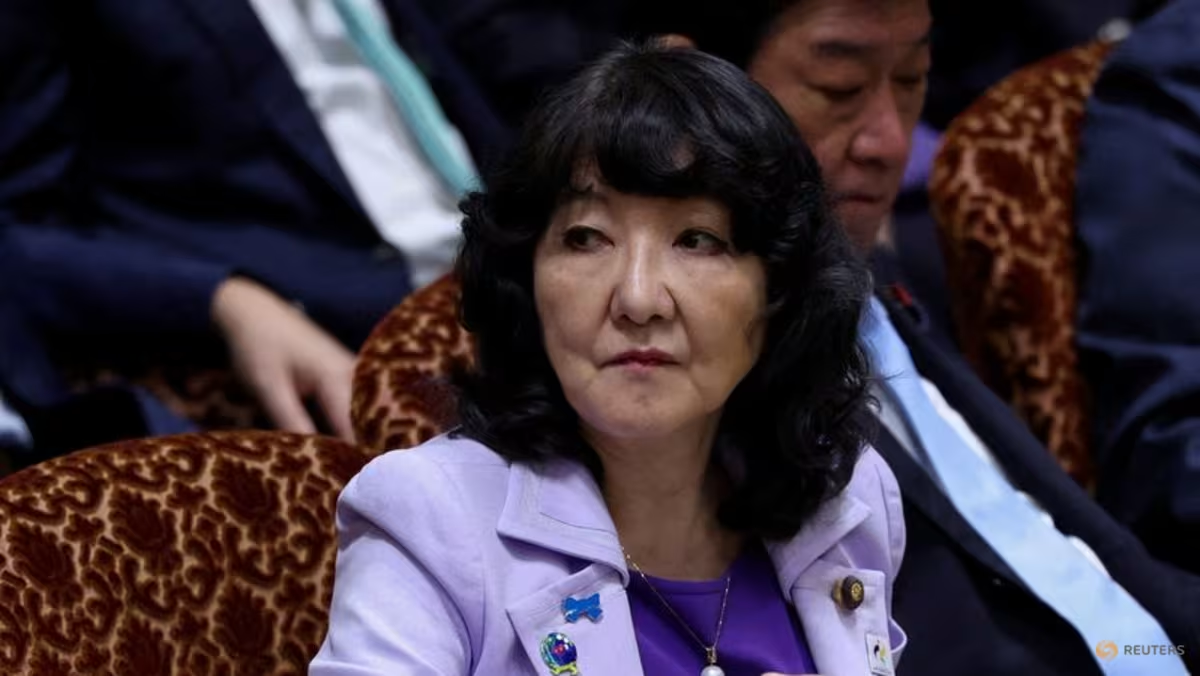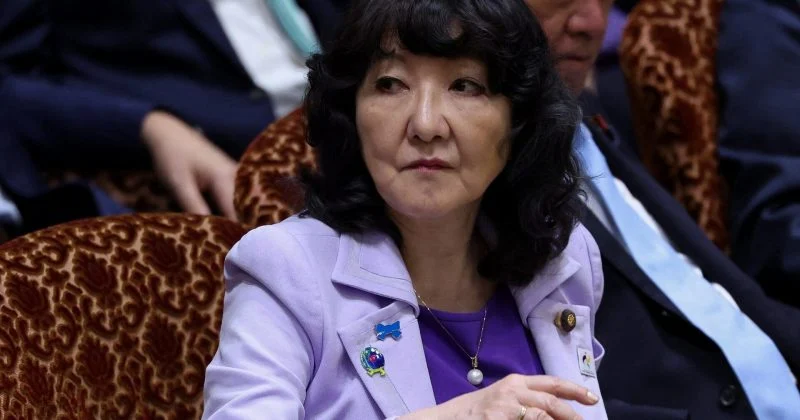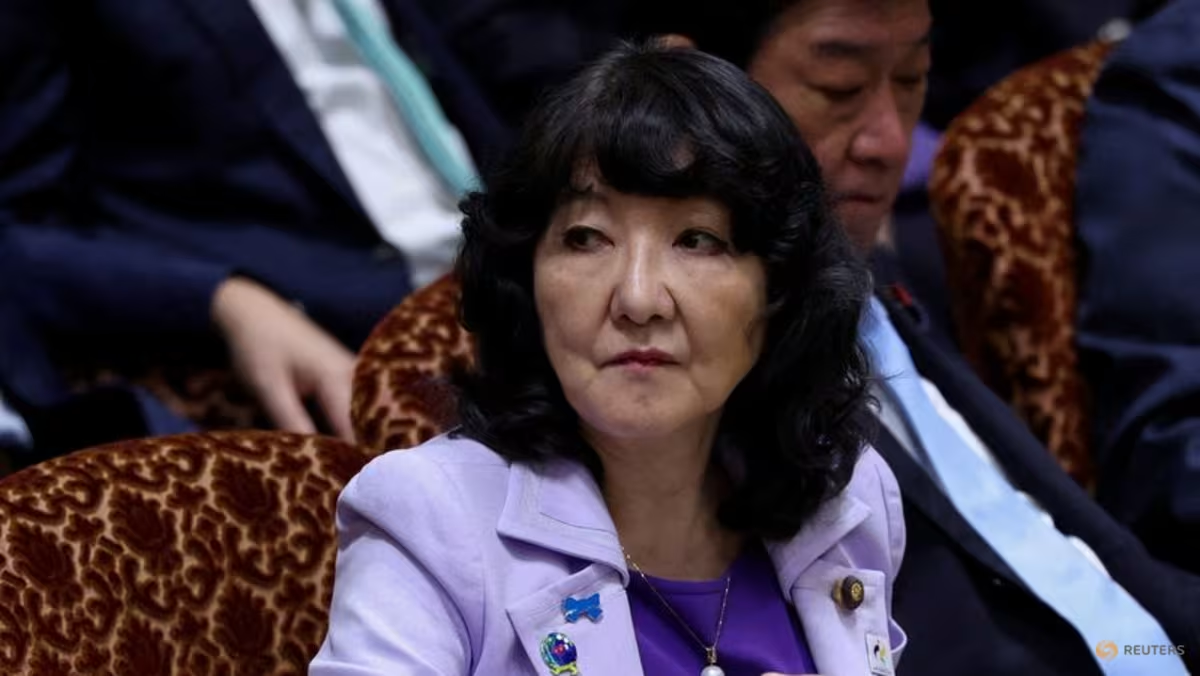
TOKYO, July 14 : Japanese policymakers on Tuesday flagged the possibility of changes to the asset allocation of the nation's giant state pension funds, though they offered no clues on the timing or scale of any shift.Finance Minister Satsuki Katayama said Japan may consider adjusting the funds' asset allocation if the investment environment changes sharply."The change in environment would include an enhanced appeal of Japanese assets as the government powerfully pushes through its growth strategy," Katayama told a press briefing on Tuesday.She said details on any change must be worked out with the health, labour and welfare ministry, which oversees the state pension funds.
Health, Labour and Welfare Minister Kenichiro Ueno told a separate press conference the ministry will examine reviewing the Government Pension Investment Fund's (GPIF) asset allocation if needed, but downplayed the prospect of any near-term changes.The investment environment "has not deviated significantly from what is assumed in the basic portfolio," Ueno said.He added that GPIF would seek to support economic growth "by steadily increasing investments in domestic projects, including Japanese private equity."The comments dampened market speculation of an imminent portfolio overhaul at GPIF, the world's largest pension fund, which managed 293.6 trillion yen ($1.81 trillion) in assets at the end of March. Any significant shift in its strategy could ripple through global markets.The yen and Japanese government bonds (JGB) spiked after Katayama said on Friday the government would seek ways to encourage pension funds, including GPIF, to make "substantially greater investments in Japanese financial assets."JAPAN, US IN CLOSE DIALOGUEUnder its current management plan, GPIF allocates 25 per cent each to domestic bonds, foreign bonds, domestic equities and foreign equities. For domestic bonds, it allows a six percentage point deviation range around its target allocation.Sources told Reuters on Monday Japan had no immediate plans to change target asset allocations of its state pension funds but could work within existing allowable ranges to direct more investment to domestic assets.GPIF is mandated to invest solely in the interests of pension beneficiaries and cannot deploy its assets to advance government policy goals.However, some analysts said comments by Katayama last week opened the door for the fund to increase its holdings of Japanese government bonds (JGBs), a move that could help cap rises in yields and ease pressure on the government's borrowing costs.Analysts also said a large-scale repatriation of GPIF assets from overseas could lend support to the yen, which remains near multi-decade lows, partly because Japan's interest rates are still well below those of other major economies.In a joint statement signed last September, U.S. and Japanese finance ministers agreed that any overseas investment by government investment vehicles such as pension funds must be made for "risk-adjusted return and diversification purposes, not targeting exchange rates for competitive purposes."When asked whether her recent comments on GPIF align with the joint statement's agreement, Katayama said: "There's absolutely no change to what's written in the statement. As always, Japan and the U.S. are in very close dialogue."($1 = 162.3500 yen)