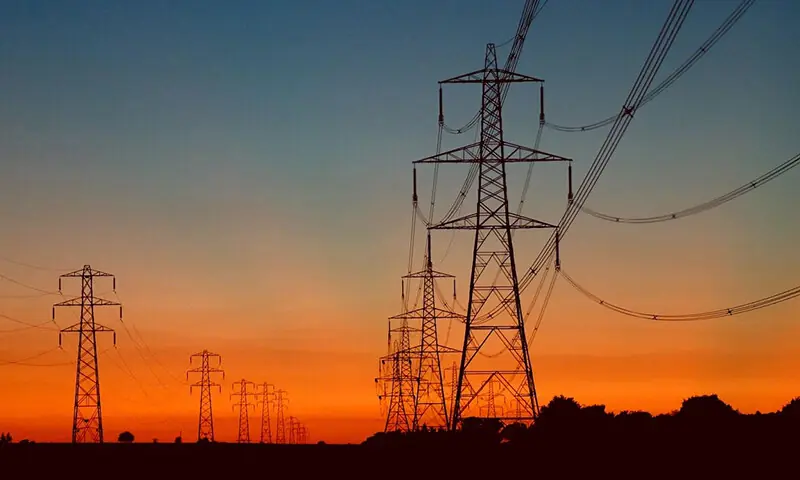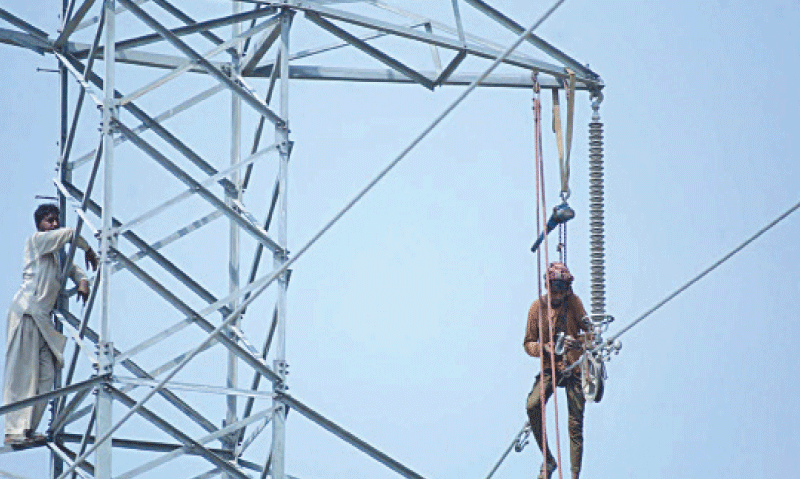
NEPRA’S approval of the wheeling auction framework, alongside announcing a date for competitive market operations, signifies a key structural reform in Pakistan’s power sector in decades. It indicates a formal shift away from the single-buyer model towards a competitive, market-based electricity regime: an ambition that had remained elusive since Wapda’s unbundling in the 1990s. For a sector riddled with inefficiencies, debt and governance failures, this transition is both crucial and long overdue. Despite over 42,000 MW of installed capacity, the system continues to suffer from underutilisation, high tariffs and, more significantly, lack of competition — traits that insulate SOEs from market discipline. The wheeling mechanism, by allowing bulk consumers to directly procure electricity from generators through the grid, introduces a long-missing element of price discovery and choice. The auction of an initial 800 MW, though modest, is a tangible first step towards dismantling state monopoly control and enabling bilateral trading. The involvement of the Independent System and Market Operator as a neutral market facilitator, together with clearly defined auction procedures and timelines, lays the ground for a more transparent, competitive marketplace.
Power transition
NEPRA’S approval of the wheeling auction framework, alongside announcing a date for competitive market operations,...
319 words~1 min read