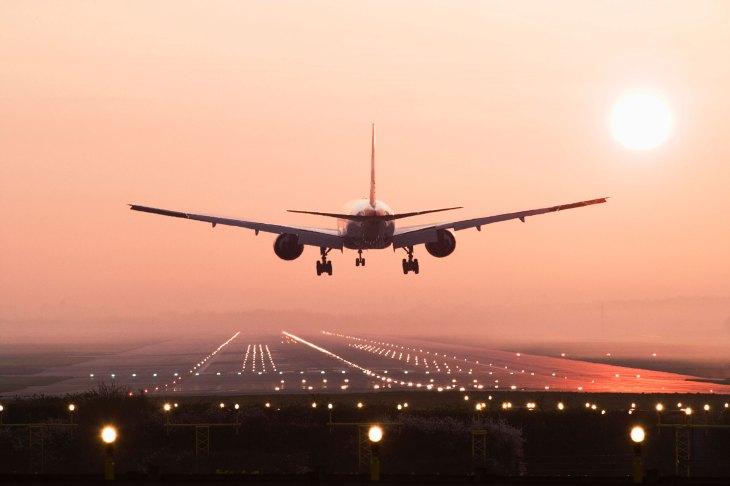
Every safe landing conceals an intricate architecture of technology, engineering precision and human expertise that few passengers ever notice. Modern aviation owes its remarkable safety record not merely to sophisticated aircraft but also to the invisible systems that guide every flight from departure to destination. Those systems are neither accidental nor inexpensive. They are sustained by continuous investment. The real question confronting Nigeria today is whether its funding architecture adequately reflects that reality.
Airspace is one of the few national assets that must be protected every second of every day. Unlike roads that may deteriorate gradually or public buildings whose maintenance can be deferred, the infrastructure supporting aircraft movement admits no interruption. Every radar sweep, navigational signal and controller instruction carries direct safety consequences. In aviation, deferred investment is not simply an accounting decision; it is the gradual accumulation of operational risk.
Unlike many public institutions, NAMA manages infrastructure that cannot fail, pause or be deferred. Every aircraft departing, arriving or transiting Nigerian airspace relies on an intricate network of communication, navigation and surveillance systems operated and maintained by the Agency. These systems enable pilots to communicate with air traffic controllers, navigate safely through Nigerian airspace and maintain the separation standards that prevent airborne collisions. While passengers may never see these facilities, every safe flight is a testament to their reliability.