Audio By Vocalize
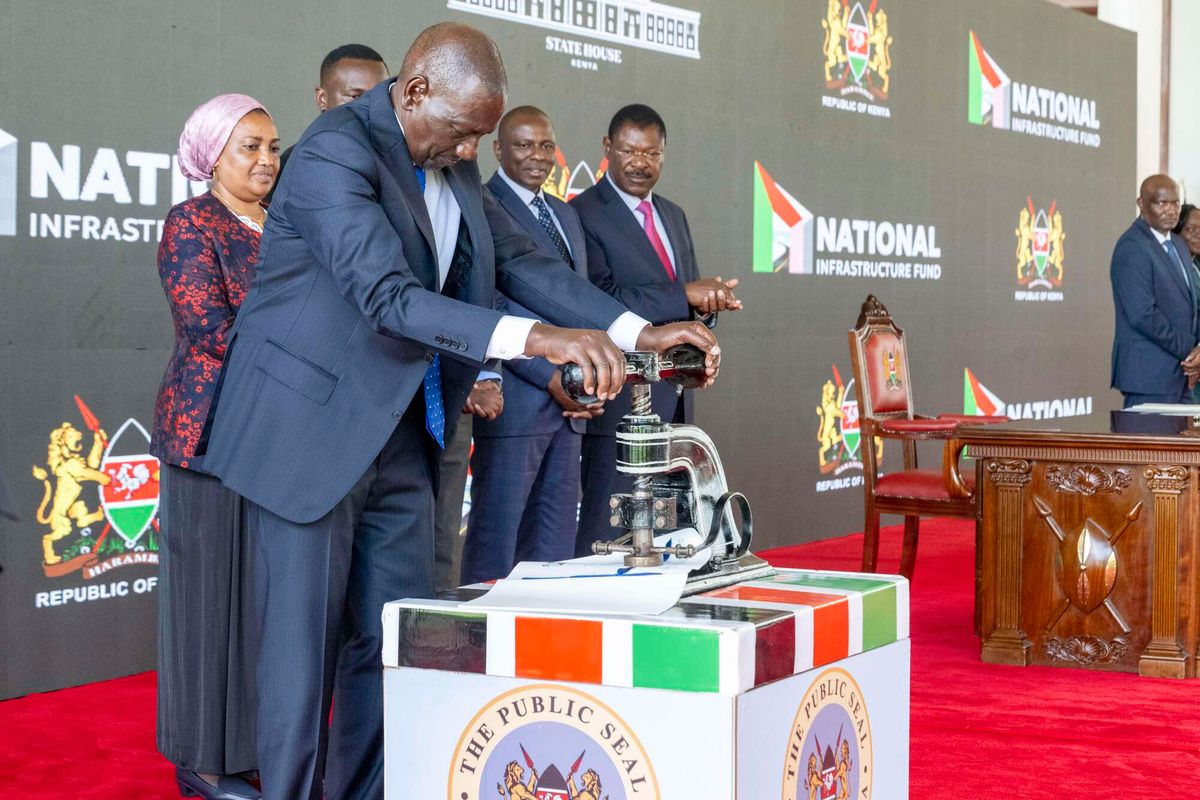
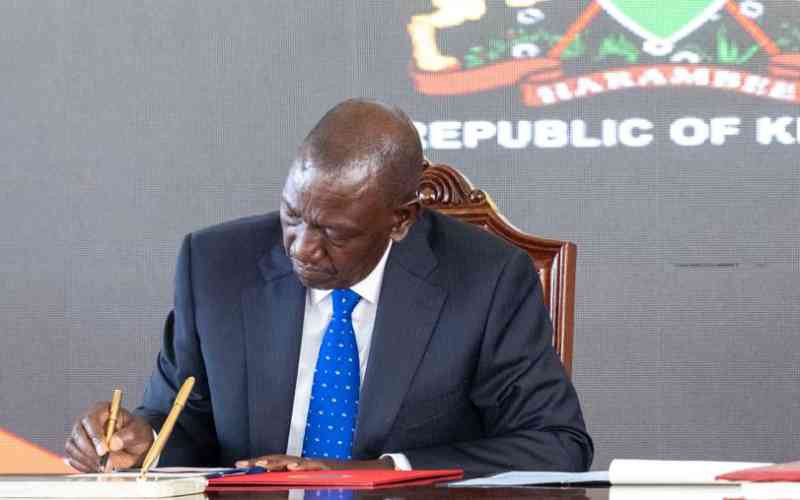
President William Ruto assents to the National Infrastructure Fund Bill at State House, Nairobi.[PCS]
The establishment of the National Infrastructure Fund (NIF) marks one of the most significant developments in Kenya’s economic architecture in recent decades. For the first time, Kenya has a dedicated institution with the opportunity to mobilise long-term equity capital, crowd in private investment and systematically develop nationally significant infrastructure through commercially viable enterprises.
The Fund has already been capitalised with approximately Sh347 billion (approximately US$2.7 billion) from the partial privatisation of Safaricom PLC and Kenya Pipeline Company, giving Kenya one of the largest pools of development capital on the continent. By comparison, the Africa Finance Corporation (AFC), today one of Africa’s leading infrastructure investment institutions, commenced operations with an initial paid-up capital of approximately US$1 billion before leveraging that capital to mobilise substantially larger pools of investment across the continent.
The Board has already held its inaugural meeting and commenced preparation of the Investment Policy Statement (IPS), which will guide how these resources are invested and deployed. Once prepared, the IPS will proceed through the governance and statutory approval processes provided for under the National Infrastructure Fund Act. While those processes are underway, it is useful to consider what this capital base could achieve under prudent and conservative assumptions.