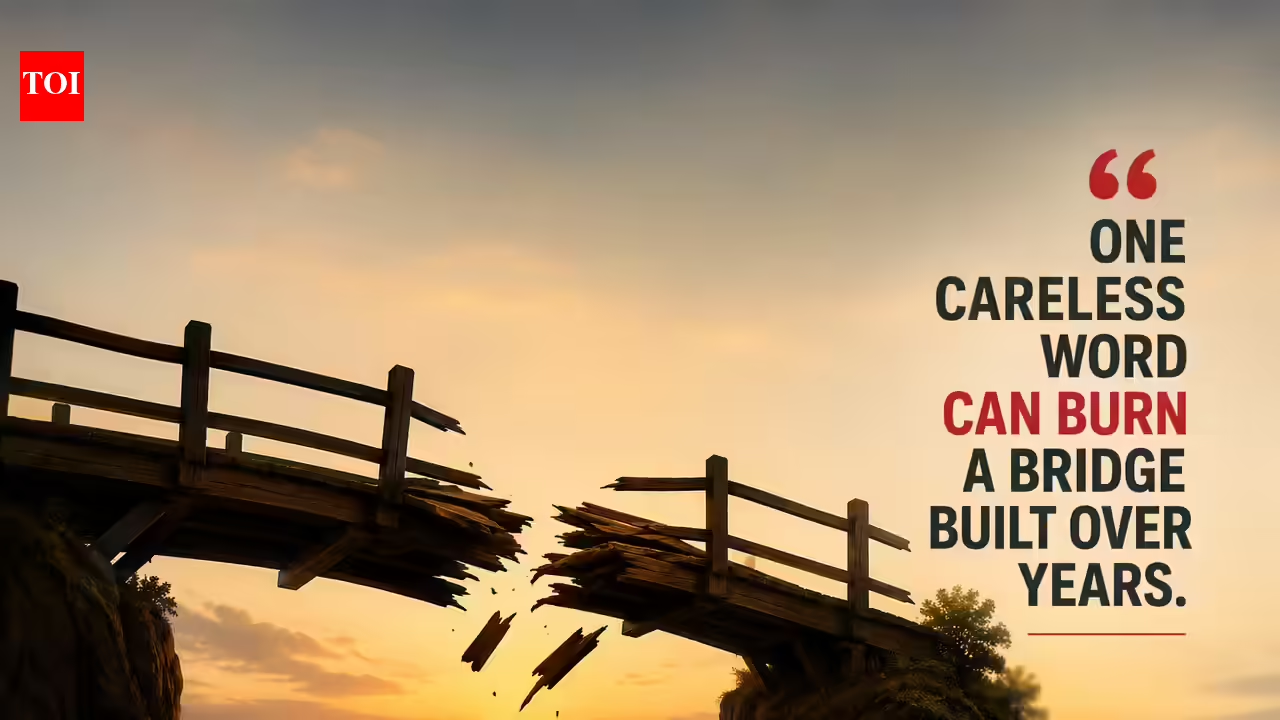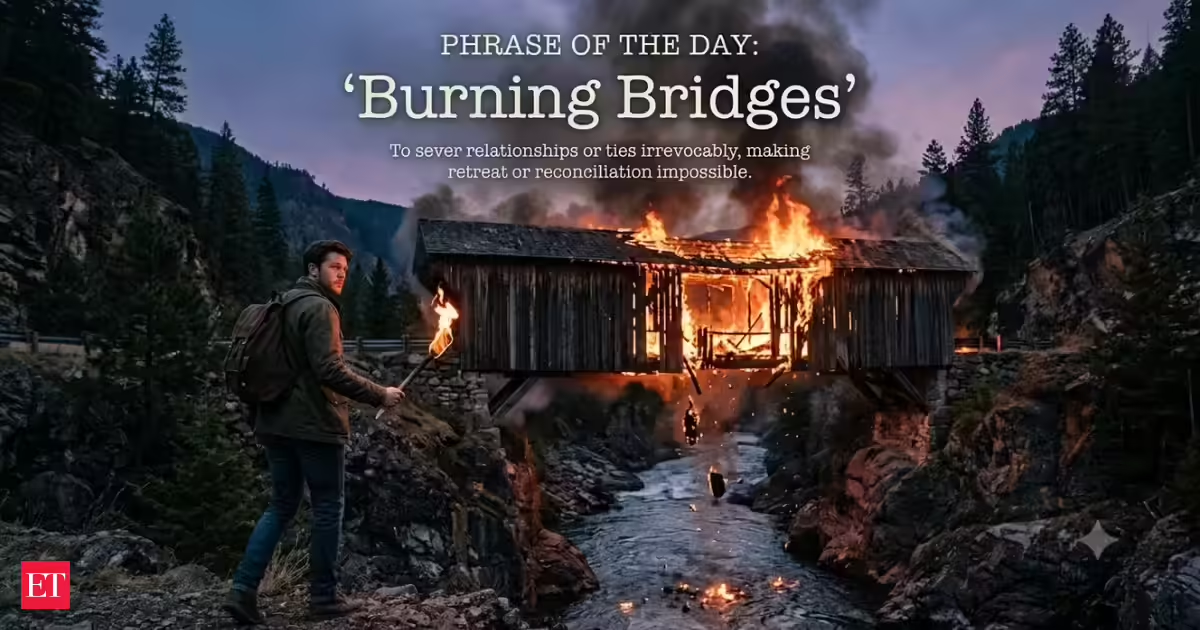
Phrase of the Day: Have you ever quit a job in anger, ended a friendship with harsh words, or sent a message you instantly regretted? In the heat of the moment, it can feel satisfying to walk away without looking back. But sometimes, that decision closes a door you may one day wish was still open.That’s the idea behind today’s phrase, “burning bridges." It’s a powerful expression that reminds us how some actions don’t just end a chapter—they make it much harder to return.Phrase of the Day: Burning BridgesPhrase of the day Meaning: “Burning bridges” means damaging or ending a relationship, opportunity, or connection in a way that makes it difficult, or impossible, to rebuild later.In a sentence:“She resigned professionally because she didn’t want to burn bridges with her former employer.”You Might Also Like:Why Do We Say ‘Burning Bridges’?The phrase comes from military history. When armies crossed a bridge into enemy territory, they sometimes destroyed it behind them. By burning the bridge, they prevented enemies from following—but they also eliminated their own route back.Over time, the image became a metaphor for life. When you “burn bridges,” you cut off the possibility of returning to a person, place, or opportunity.Today, the phrase has little to do with war. Instead, it’s used to describe relationships, careers, friendships, and decisions that permanently change the future.You Might Also Like:Phrase of the Day: Usage in sentenceUse this phrase when someone’s actions make it difficult to reconnect later.For example:“He criticized his former company publicly and ended up burning bridges.”“Even after accepting a new job, she thanked her old team because she didn’t want to burn bridges.”“It’s okay to move on from a friendship, but try not to burn bridges unless there’s a good reason.”“Professionals often advise leaving a workplace on good terms instead of burning bridges.”When Shouldn’t You Use It?Don’t use the phrase simply because someone changes jobs, moves cities, or ends a relationship respectfully.You Might Also Like:Changing direction isn’t the same as burning bridges.The idiom implies that the relationship or opportunity has been damaged through actions that make returning difficult.Similar ExpressionsThese phrases are closely related:Close the door on something – End a possibility.Cut ties – End a relationship or connection.Part ways – Separate, often on respectful terms.Leave on good terms – The opposite approach.Did You Know?Career experts often encourage employees not to burn bridges when changing jobs. Former colleagues, managers, and mentors can become valuable references, collaborators, or even future employers. A respectful goodbye today can create unexpected opportunities years later.Why This Phrase Still Matters TodayIn an age of LinkedIn, remote work, and connected professional networks, reputations can travel quickly. The way people leave jobs, handle disagreements, or respond during conflict often shapes future opportunities.The same is true in personal life. While not every relationship is meant to last forever, ending things with respect can leave room for understanding, growth, or even reconciliation. That’s why “burning bridges” remains one of the most relevant expressions in modern English.Life is full of new beginnings, but not every ending has to be destructive. Whether you’re leaving a job, ending a project, or moving on from a relationship, today’s phrase offers a timeless reminder: don’t burn bridges unless you’re certain you’ll never need to cross them again.FAQsIs “burning bridges” an idiom?Yes. It’s an idiom because it uses the image of a bridge to describe ending relationships or opportunities.Is it suitable for professional settings?You Might Also Like:Absolutely. It’s commonly used in workplaces, business articles, interviews, and career advice.
Phrase of the Day: 'Burning Bridges’-What does this popular phrase mean? The phrase that warns against rash decisions
The phrase 'burning bridges' signifies damaging connections, making future reconciliation difficult. This idiom originates from military history, illustrating a point of no return. It cautions against impulsive actions that permanently alter personal and professional relationships. Career experts advise maintaining good terms to preserve valuable future opportunities. Ending interactions respectfully ensures doors remain open for potential growth and collaboration.
578 words~3 min read