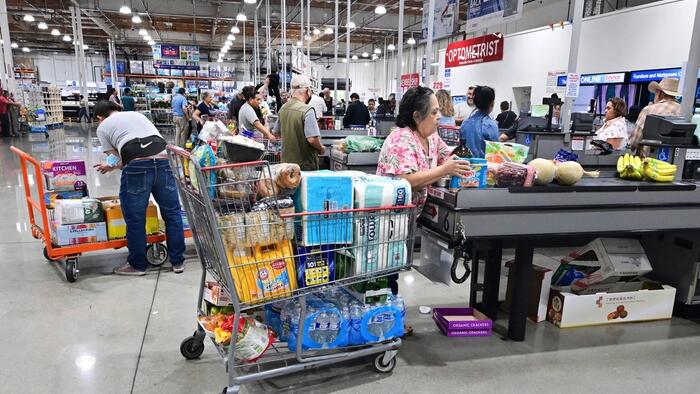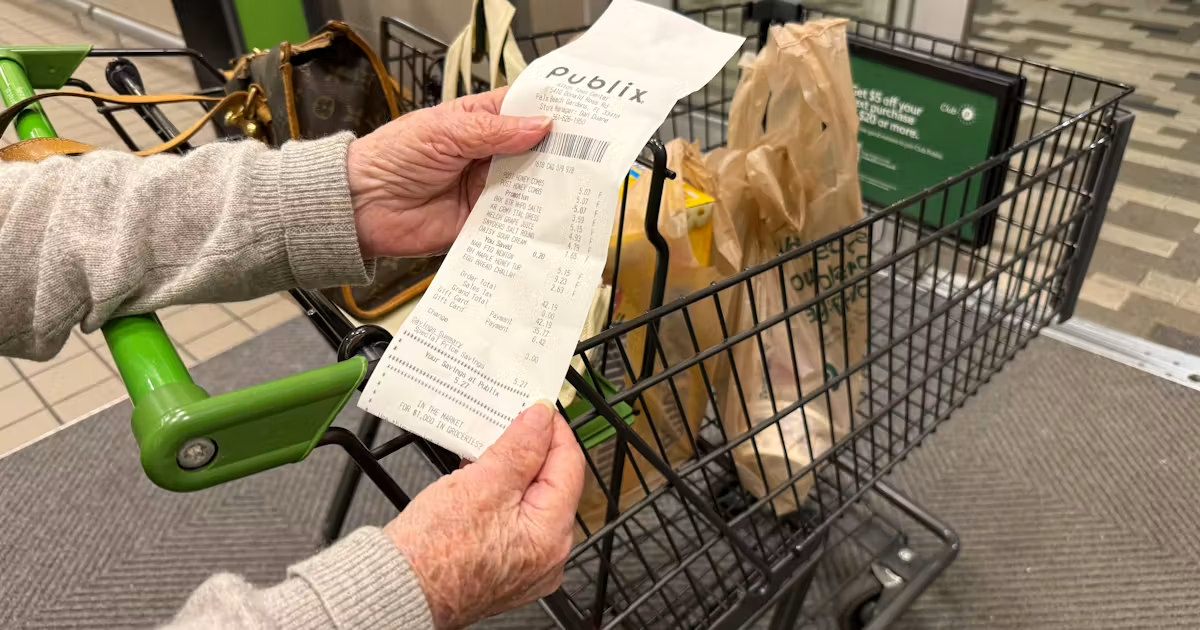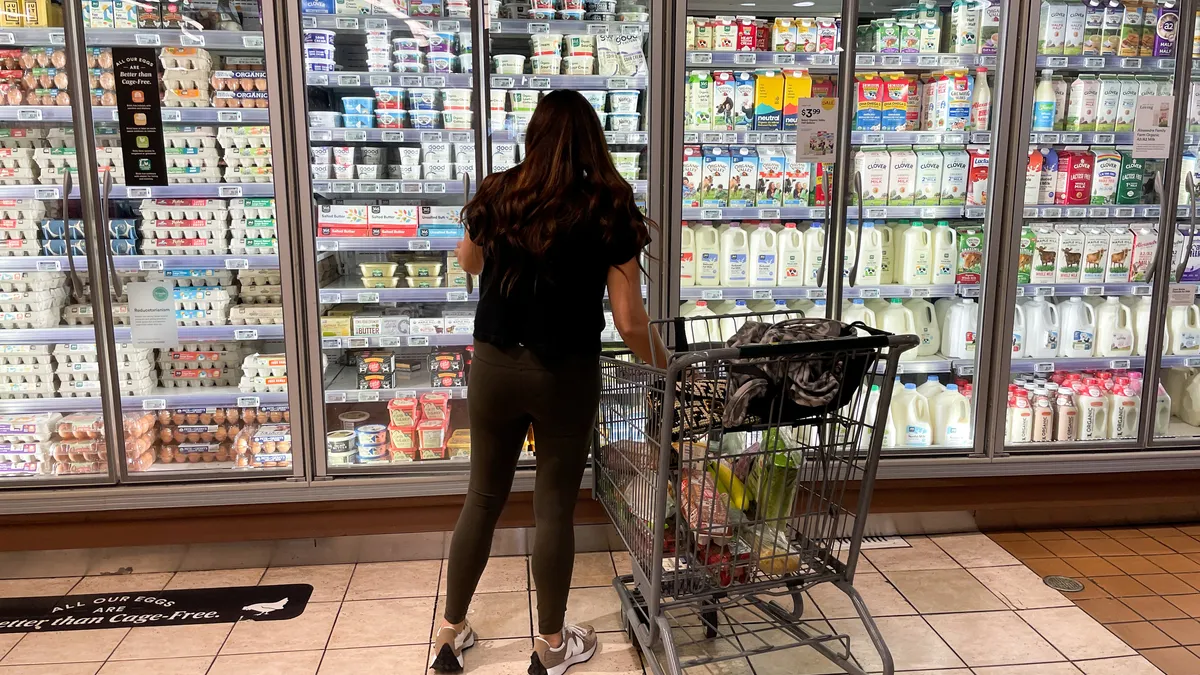
A number of inflation measures are slated to be released this week, including the consumer price index on Tuesday. The cost of groceries has been on a lot of our minds, and a new report from the Urban Institute found that one way some of us are coping is by using credit cards, buy now, pay later services, and payday loans to buy groceries. The report crunches data from about 10,000 people and found “more than half of low- and moderate-income adults who used credit cards to purchase groceries faced repayment challenges,” said Kassandra Martinchek, a co-author. Nearly one in 10 working-age adults used buy now, pay later to purchase groceries, she said. About a third of them missed a payment last year. Colleen Heflin studies food insecurity at Syracuse University and is a non-resident fellow at the Urban Institute, though was not involved in today’s report. She worried that the report points to problems.“While households may be able to meet their essential needs today, they’re sort of on a precipice,” she said.Some people have already fallen over the precipice. That includes 72-year-old Laurie Lumbra in Rotterdam, New York. She’s a retired teacher living on about $1,400 a month. Lumbra started putting groceries on her credit cards a couple of years ago, fell behind on payments, and wound up owing about $10,000. “It gets very depressing. You feel like you’re just such a failure,” she said. “I feel like I’m doing everything right and it’s not working.”Lumbra sold her car to pay off her debt. Now, she gets around on a bike, has cut up her credit cards, and relies on food banks.
As food prices rise, some consumers are turning to credit cards and other loans to buy groceries
A new report from the Urban Institute suggests some consumers may be headed for a cliff.
273 words~1 min read