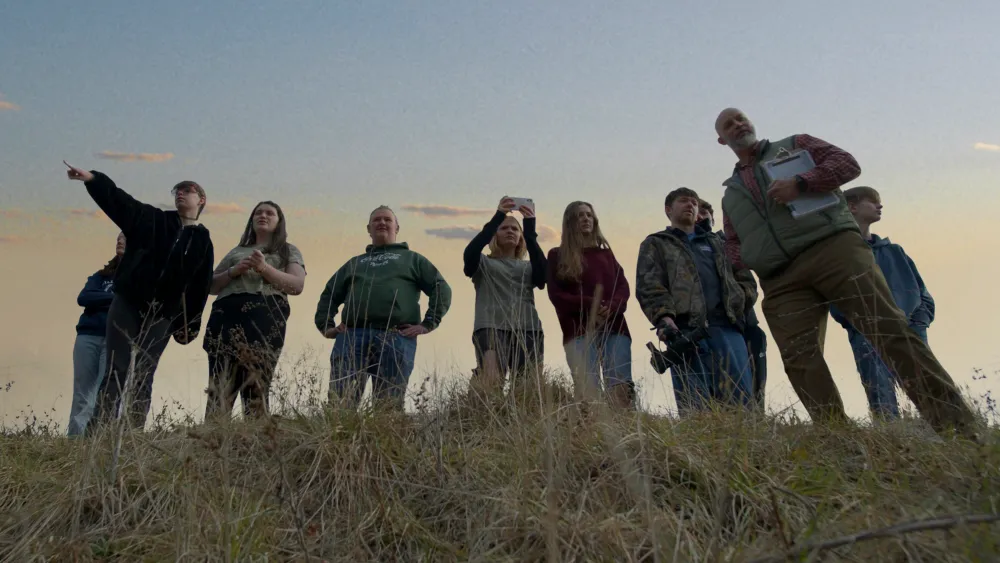
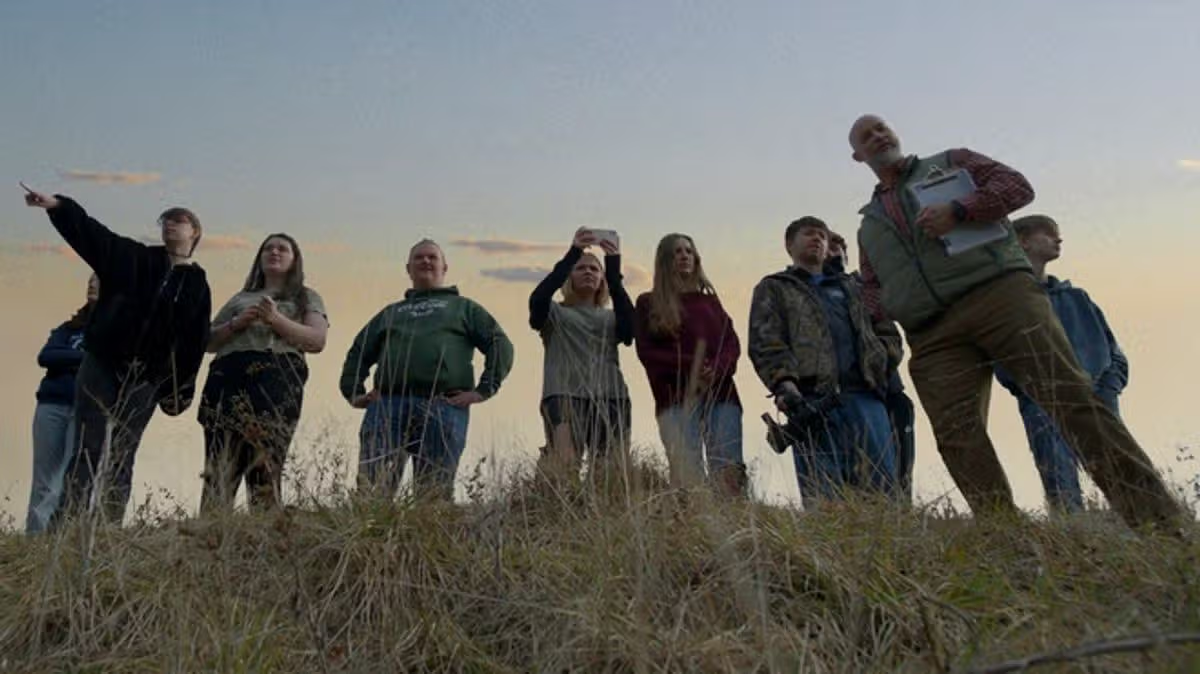
Based on the 2024 podcast of the same name, Prime Video’s new docuseries “Murder 101” is a crime show that looks beyond the transgressions, facts and clues to give a real voice to victims and survivors. The series also highlights the importance of fostering autonomy and determination in young people on the cusp of major life changes. An intriguing and revelatory show about the power of investigation and alternative education, “Murder 101” shows how much power we hold as members of a collective society if we only become tenacious enough to ask the right questions.
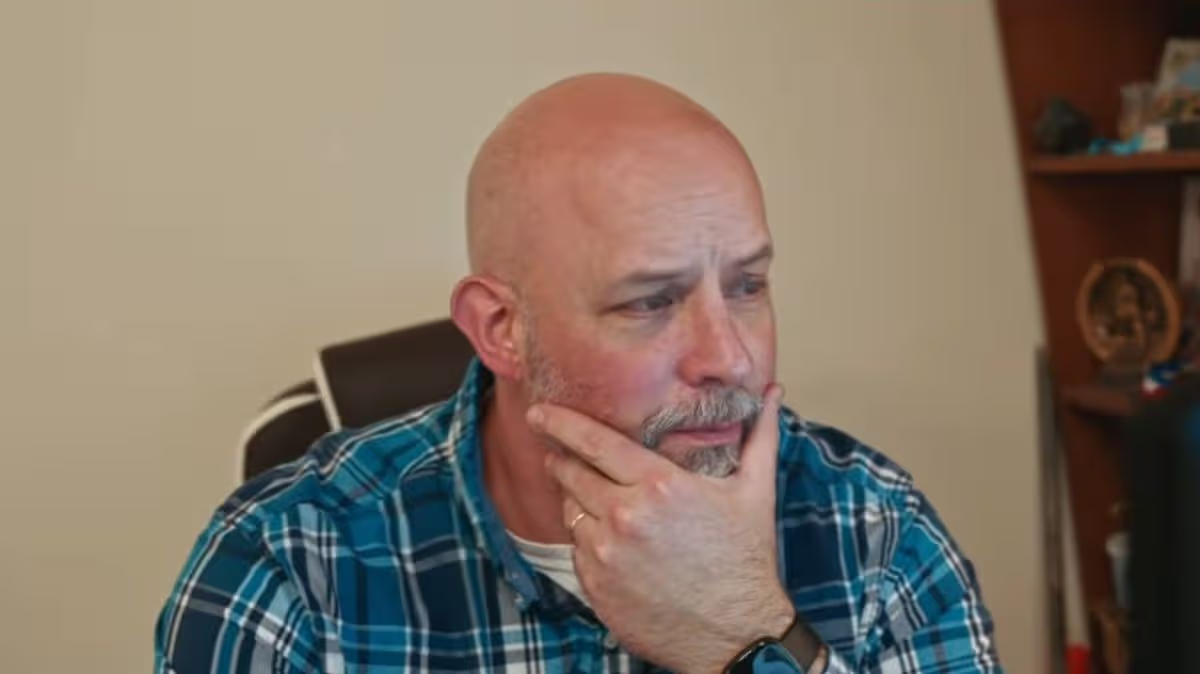
“Murder 101” opens at the beginning of the 2024-2025 school year at Elizabethton High School in rural Tennessee. The sun hasn’t even risen, but as usual, Alex Campbell, a beloved sociology teacher, is the first to arrive on campus. The audience learns that Mr. Campbell had his sociology class investigate a cold-case murder in 2018, using old newspaper articles from the 1980s. What they uncovered was not just a potential suspect, but numerous victims, culminating in what the national media would later call the Redhead Murders.
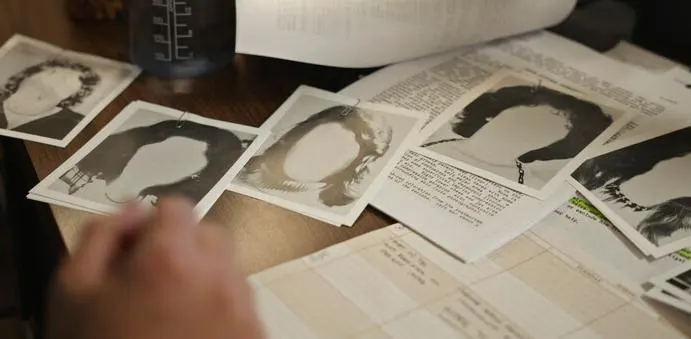
Now, nearly a decade later, Mr. Campbell and a new crop of students begin expanding their investigation, hoping to identify additional victims while connecting their deaths to Jerry Leon Johns, the man convicted of attempting to murder the sole living victim, Linda Schocee. Over the course of the school year, Mr. Campbell walks his class through a tonnage of evidence, including old interviews, autopsies, court documents and crime scene photos. He also gets them to hone in on the misogyny surrounding the investigations — particularly because several of the women were sex workers and addicts, which allowed the victims to remain nameless for so long, and for the case to be shoved in the background for four decades. Mr. Campbell also pushes the high schoolers to come up with out-of-the-box ideas to gather more information and tips to address their unanswered questions. It is especially compelling to watch students shift their perspectives when new evidence no longer aligns with the theories and opinions they previously held. It’s truly a masterclass in critical thinking, a major life skill many adults struggle to grasp.


 aboutamazon.com