view more
In most modern cells, DNA stores the genetic blueprint, and relies on proteins to replicate, repair and build from those blueprints. At the same time, proteins require instructions from DNA to be made in the first place.
So which one came first? Neither, hypothesize researchers like Saurja DasGupta, a biochemist at the University of Notre Dame.
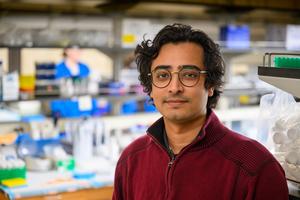
DasGupta seeks to better understand the chemical origins of life by studying the structure, function and evolution of RNA, an intermediary molecule that can both store genetic information and catalyze biochemical reactions. In a study out today in Nature Communications, DasGupta and colleagues present a key mechanism for sustaining RNA-based life: an engineered enzyme that selectively recognizes and repairs broken RNA.
“Our results suggest that the molecular tools needed to preserve the RNA-based genetic code and pass it on to future generations could have been furnished by RNA alone — no proteins required,” said DasGupta, who is an assistant professor in the Department of Chemistry and Biochemistry with a concurrent appointment in the Department of Biological Sciences.