view more
Sugars are key biomolecules in living organisms, as they form the backbone of DNA and RNA and play a fundamental role in metabolic processes. In theories of the origin of life, sugars are also essential for the synthesis of the first nucleic acids. Despite their importance, one of the major questions in origin-of-life research is how the first sugars formed on Earth, since laboratory experiments show that they do not form in enough quantities under prebiotic conditions. Sugars such as ribose and glucose have previously been detected in meteorite and asteroid samples, suggesting that some of these molecules may have originated in the primordial molecular cloud from which our Solar System formed. However, until now, no sugar had ever been directly detected in the interstellar medium.
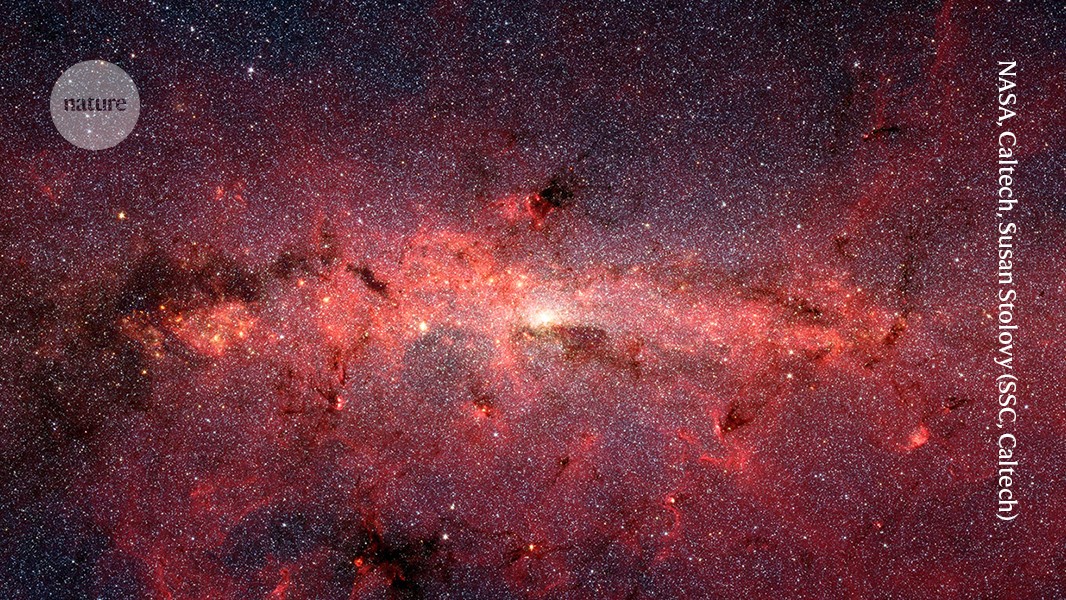
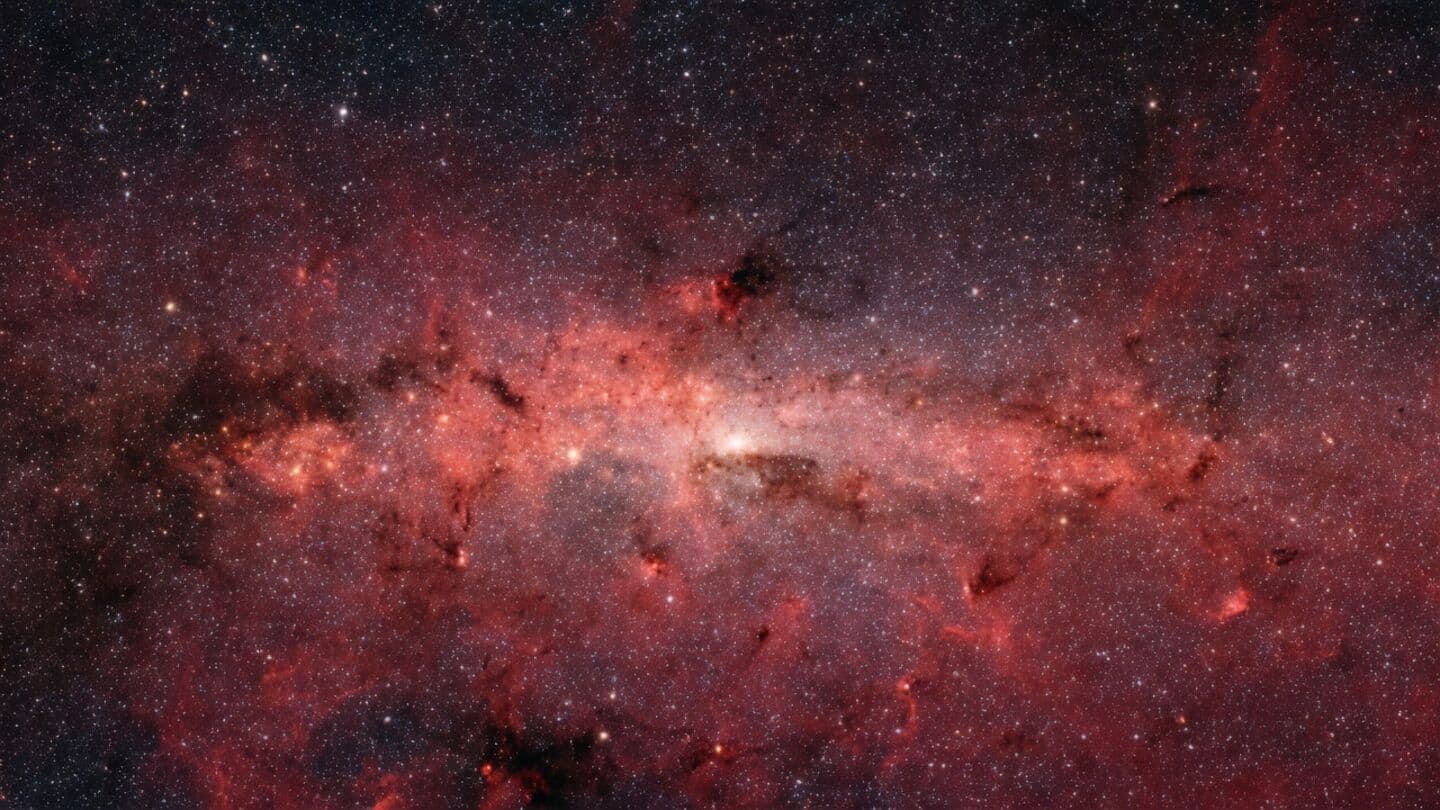
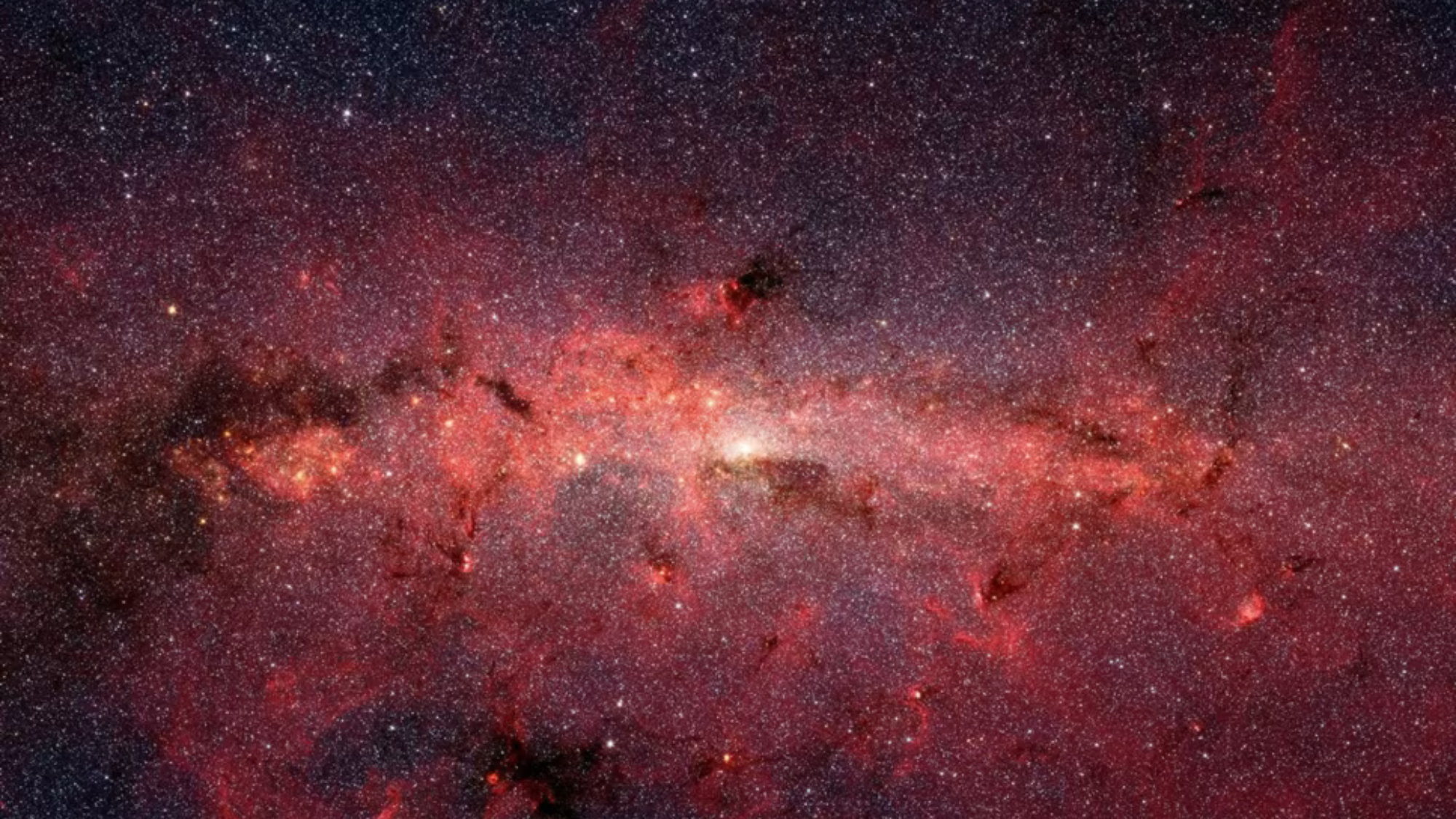
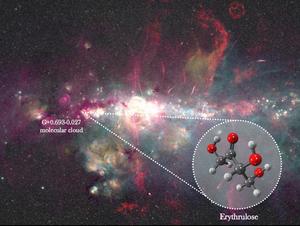
An international team led by CAB researcher Izaskun Jiménez-Serra has now identified the first sugar in interstellar space: erythrulose. This molecule is the only possible four-carbon ketose, and on Earth it is commonly found in raspberries and sunless tanning products. Erythrulose was detected toward the molecular cloud G+0.693−0.027, located near the centre of our Galaxy, the Milky Way. The discovery was made possible by ultra-sensitive, broadband spectroscopic surveys carried out with the 40-m Yebes radio telescope and the 30-m telescope of the Institute for Radio Astronomy in the Millimeter Range (IRAM).