By
Hassan Ali Kanu and Kyle Cheney
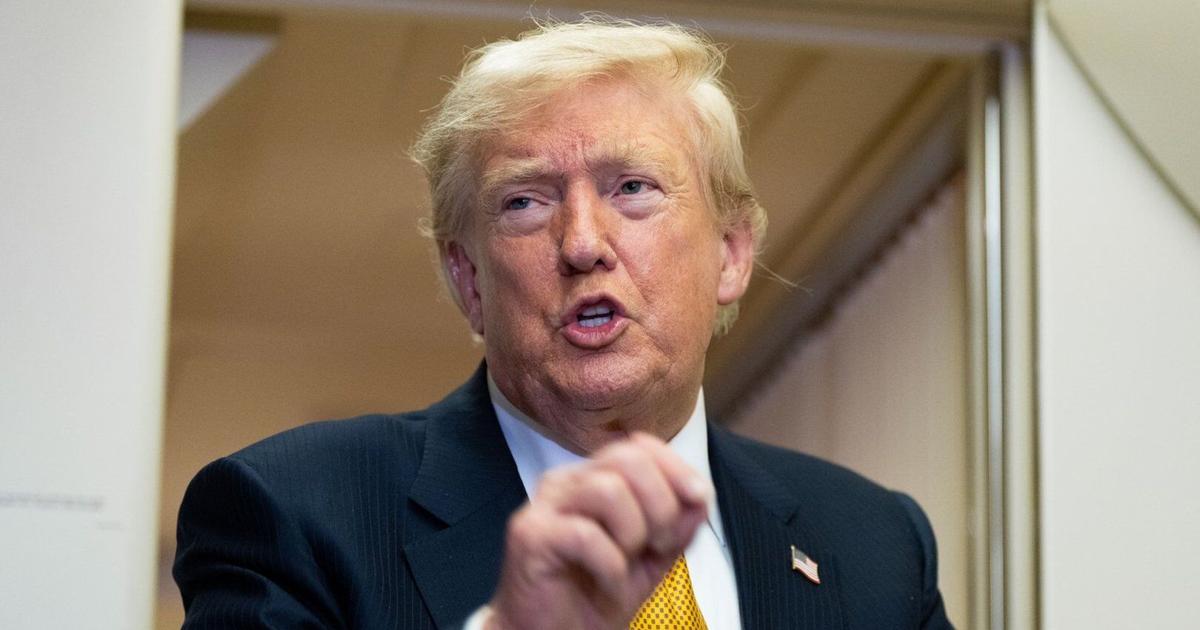
President Donald Trump's $10 billion lawsuit against the IRS received a blistering rebuke by a federal judge on Monday.
SAUL LOEB / AFP via Getty Images
A federal judge held Monday that President Donald Trump's $10 billion lawsuit against the IRS was manufactured simply to justify its settlement, including a multibillion-dollar "anti-weaponization" fund for political allies and a shield from IRS scrutiny."This lawsuit was not brought to vindicate rights; it was brought to manipulate the judicial process," US District Judge Kathleen Williams wrote in a blistering 56-page ruling, POLITICO reported. POLITICO, like Business Insider, is a part of the Axel Springer Global Reporters Network."This was an attempt to use the Court to provide some legitimacy to an agreement to confer immunity to people and entities affiliated with the President and to earmark billions of dollars from American taxpayers to redress grievances not defined in the law," the ruling said.The fact that the federal government never countered arguments that the arrangement was unconstitutional —and that acting Attorney General Todd Blanche unilaterally canceled plans for the Anti-Weaponization Fund — was a glaring signal that the lawsuit was not genuine, Williams said.Williams suggested that Blanche and Associate Attorney General Stan Woodward may be subject to investigative or disciplinary action by state bar associations.She also sanctioned two of Trump's personal attorneys who signed the initial complaint against the Internal Revenue Service, referring Alejandro Brito to the Florida bar for potential discipline and banning Daniel Epstein from practicing in the Southern District of Florida for at least a year. The plaintiffs, including Trump, and certain agencies are also barred from citing the agreement in official proceedings as evidence of a formal settlement.Though the administration has argued that Trump had filed the lawsuit — a demand for a $10 billion payout for the leak of his tax returns — in his personal capacity, Williams said that explanation was untenable.