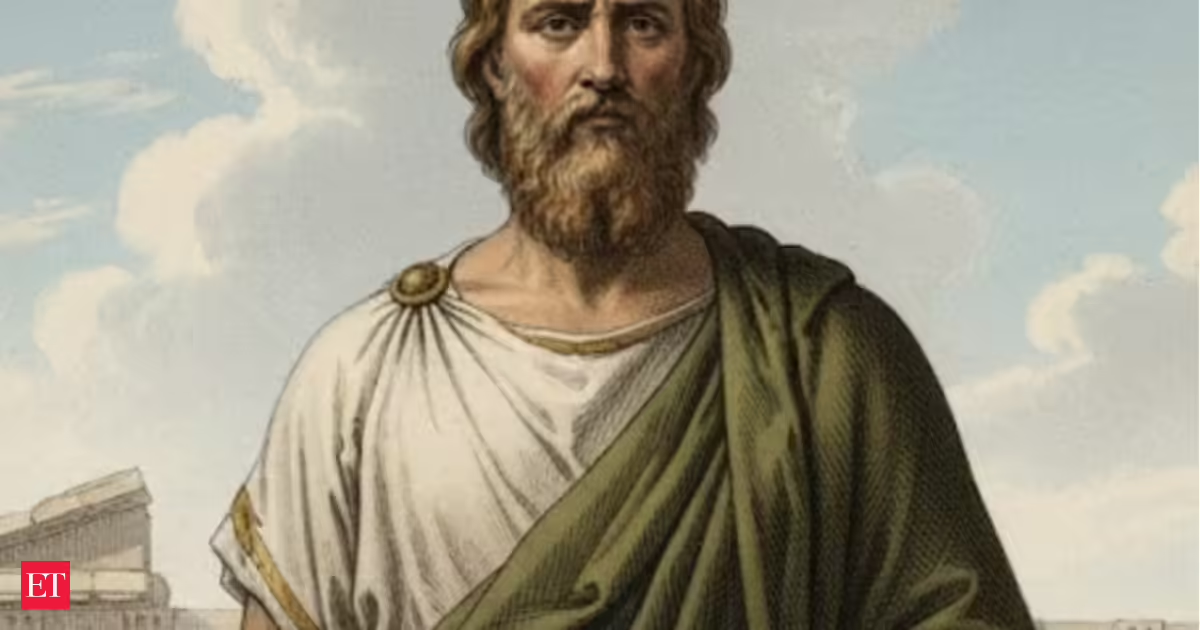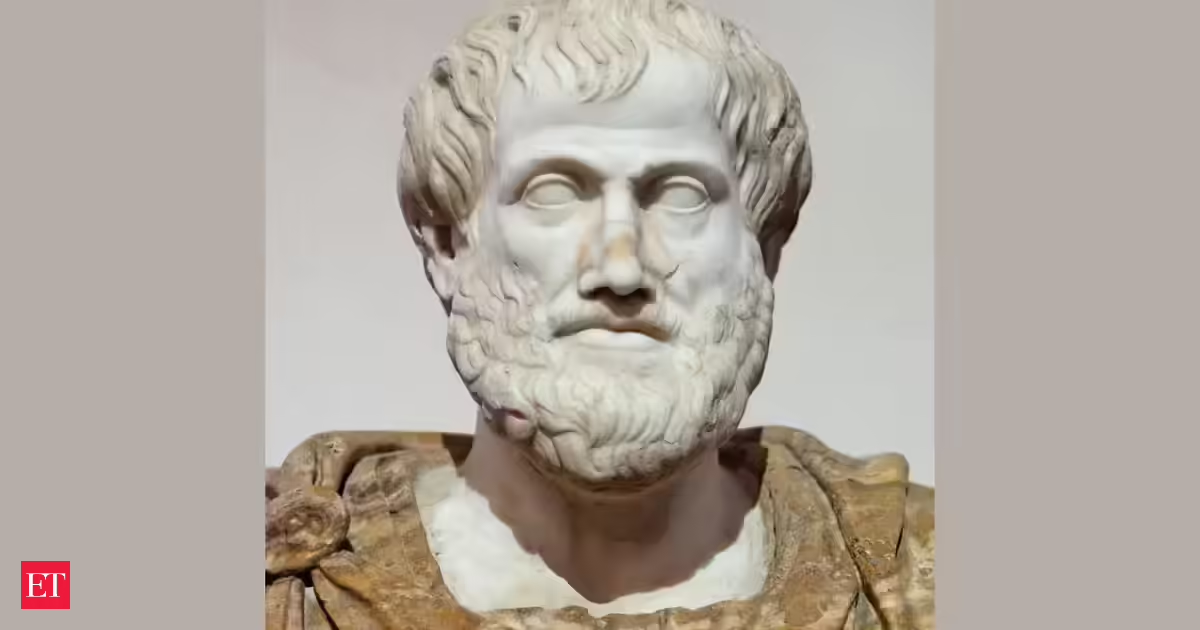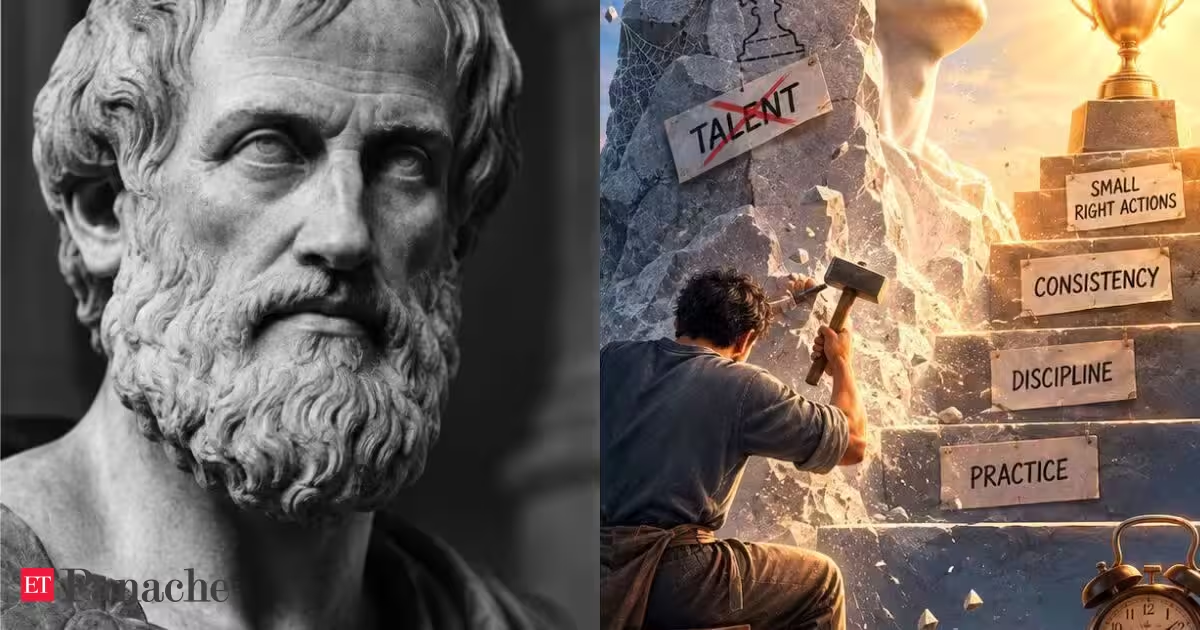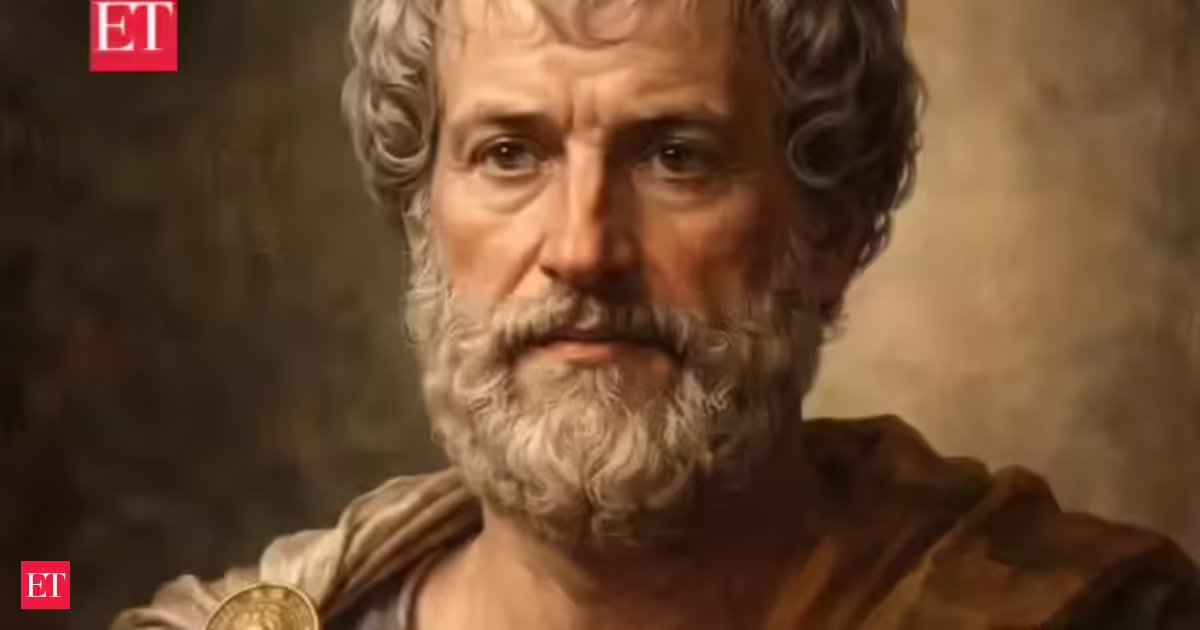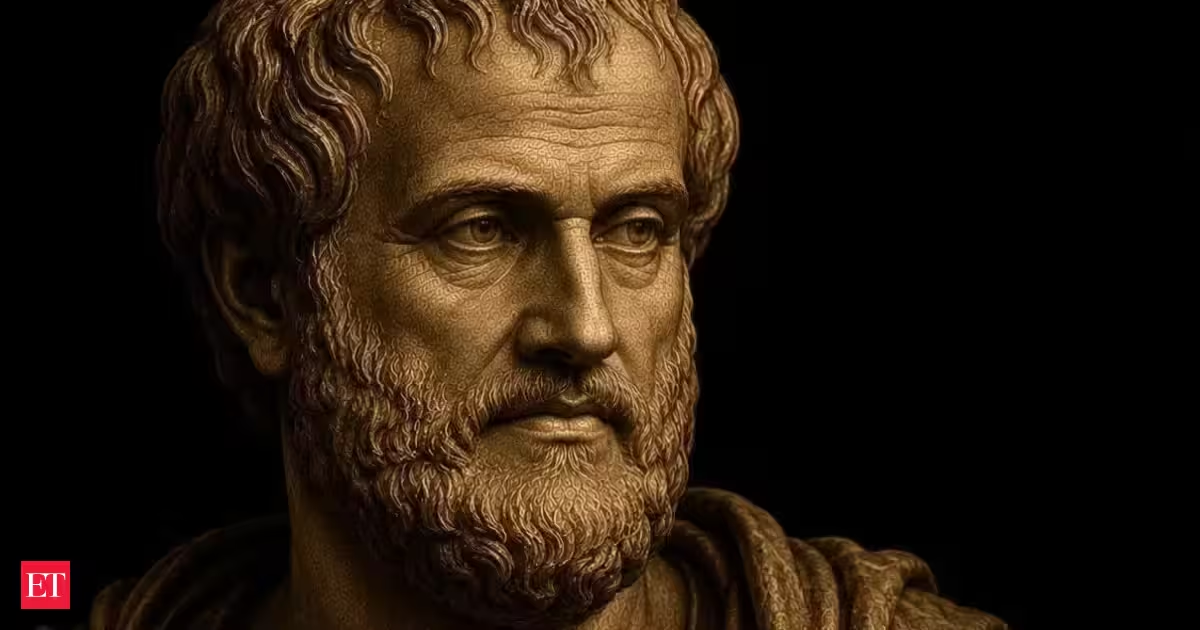
Quote of the day by Aristotle continues to inspire people because it focuses on the importance of actions over words. Aristotle wrote, "It is our choice of good or evil that determines our character, not our opinion about good or evil." This idea comes from his work Nicomachean Ethics. The quote explains that people are judged by the decisions they make and not simply by what they believe. It also shows that character develops through repeated choices. Even today, the message remains relevant in everyday life, education, workplaces, families, and society.Quote of the day today: A message about actions instead of opinionsThe quote says:"It is our choice of good or evil that determines our character, not our opinion about good or evil."The quote presents a simple idea. Knowing what is right is not enough. Talking about values is also not enough. What matters is whether a person chooses to act according to those values.Many people can explain the difference between right and wrong. However, real character becomes visible only when someone makes decisions in difficult situations. The quote encourages people to think about their daily choices rather than their beliefs alone.You Might Also Like:Why this quote still matters today?Modern life offers many situations where people must make choices.Some examples include:Being honest even when it is difficult.Helping someone without expecting anything in return.Accepting responsibility after making a mistake.Keeping promises.Treating others with respect.Following rules even when no one is watching.According to Aristotle's philosophy, these actions shape a person's character over time. Simply saying that honesty, kindness, or fairness are important does not build character. Choosing those actions repeatedly does.Understanding the difference between knowledge and actionOne of the main ideas behind this quote is the difference between knowing something and practicing it. A person may understand what is right. However, that knowledge has little value if it never becomes action. Aristotle believed that ethics should be lived every day. Moral values become meaningful only when people put them into practice.You Might Also Like:This idea remains important in schools, workplaces, homes, and public life. Many discussions today focus on values and ethics. Aristotle's words remind people that real change begins with personal decisions.Building character through daily habitsAristotle believed that character develops over time. Every decision adds to the kind of person someone becomes. Small choices repeated every day eventually become habits. These habits later define a person's character.Some examples include:Speaking the truth regularly.Completing work honestly.Showing patience during problems.Respecting other people.Making responsible decisions.According to Aristotle, virtue is not created in a single moment. It grows through repeated actions.Good intentions alone are not enoughMany people have good intentions. They may wish to help others or live honestly. However, Aristotle explains that intentions alone do not define character. Only actions show whether those intentions are genuine.For example:Planning to help someone is different from actually helping.Saying honesty matters is different from telling the truth during a difficult moment.Believing in fairness is different from acting fairly.This distinction remains one of the strongest lessons from Aristotle's philosophy.Choices require thought and responsibilityAristotle believed that moral decisions should be made carefully. People should think before acting. They should understand the consequences of their decisions. Every voluntary choice carries responsibility.When people repeatedly choose good actions, they strengthen their moral character. Likewise, repeated poor decisions gradually shape character in another direction. For Aristotle, every choice matters because every choice contributes to personal development.How Nicomachean Ethics explains moral character?The quote comes from Aristotle's Nicomachean Ethics, one of his best-known works on ethics and human conduct. In this work, Aristotle explains that living a good life depends on making good choices. He argues that virtue is not simply an idea or a belief. Instead, it develops through repeated actions that become habits over time.According to Aristotle, people have the ability to choose between good and evil. These choices are voluntary. Because they are voluntary, people are responsible for the outcomes of their actions. This is why he believed character is formed by decisions rather than opinions. The book continues to be studied because it examines how people can develop wisdom, responsibility, and moral character through everyday life.Quote of the day offers several lessons that remain useful today.Some of the main lessons include:Actions define character. People remember what someone does more than what they say.Choices have lasting effects. Every decision contributes to personal growth.Good habits develop over time. Repeated actions become part of a person's character.Responsibility matters. People should accept the results of their own decisions.Values should be practiced. Ethics become meaningful only when they guide everyday behaviour.Thinking before acting is important. Wise decisions often come from careful reflection.These lessons continue to influence discussions about ethics, leadership, education, and personal development.Who was Aristotle?Aristotle was an ancient Greek philosopher and scientist. He was born in 384 BCE in Stagira, a town in northern Greece. His father, Nicomachus, served as a physician to the Macedonian royal family.After moving to Athens, Aristotle joined Plato's Academy, where he studied and taught for about twenty years. Following Plato's death, he travelled to different parts of Greece before becoming the tutor of Alexander the Great, who later became one of history's most well-known rulers.Aristotle later founded the Lyceum, where he continued his teaching and research. His work covered many subjects, including:EthicsLogicPoliticsBiologyPhysicsPsychologyMetaphysicsZoologyRhetoricPoetryHis ideas became the foundation for many areas of Western philosophy and continued to influence scholars for centuries.Why Aristotle's teachings remain relevant?Although Aristotle lived more than 2,300 years ago, many of his ideas continue to be discussed today. His philosophy remains relevant because people still face choices involving honesty, fairness, responsibility, and integrity.His teachings are often used in:Schools and universitiesLeadership trainingBusiness ethicsLaw and public policyPersonal developmentPhilosophy coursesHis message reminds people that lasting success is connected not only with knowledge but also with responsible action. Many modern discussions about ethics still reflect the ideas that Aristotle introduced in Nicomachean Ethics.The lasting meaning of the quoteThe quote by Aristotle reminds people that every decision matters. Opinions can express what someone believes, but actions reveal who that person truly is. The quote encourages individuals to think carefully before making decisions and to develop habits that reflect honesty, responsibility, and wisdom. It also explains that moral character is not created overnight. Instead, it is built through repeated choices made throughout life.This simple message continues to inspire people because it applies to everyday situations. Whether at home, at work, or in society, people are remembered for the actions they take. Aristotle's words continue to encourage individuals to turn good intentions into meaningful actions.
Quote of the day by Aristotle: 'It is our choice of good or evil that...' Life lessons on moral character, good intentions, theoretical opinions, actions and voluntary decisions
Quote of the day by Aristotle reminds us that character is shaped by the choices we make every day rather than by our opinions about right and wrong. The message from Nicomachean Ethics explains why actions carry more value than intentions alone. The quote continues to influence discussions on ethics, moral character, habits, decision-making, wisdom, responsibility, and personal growth in daily life.
1,075 words~5 min read