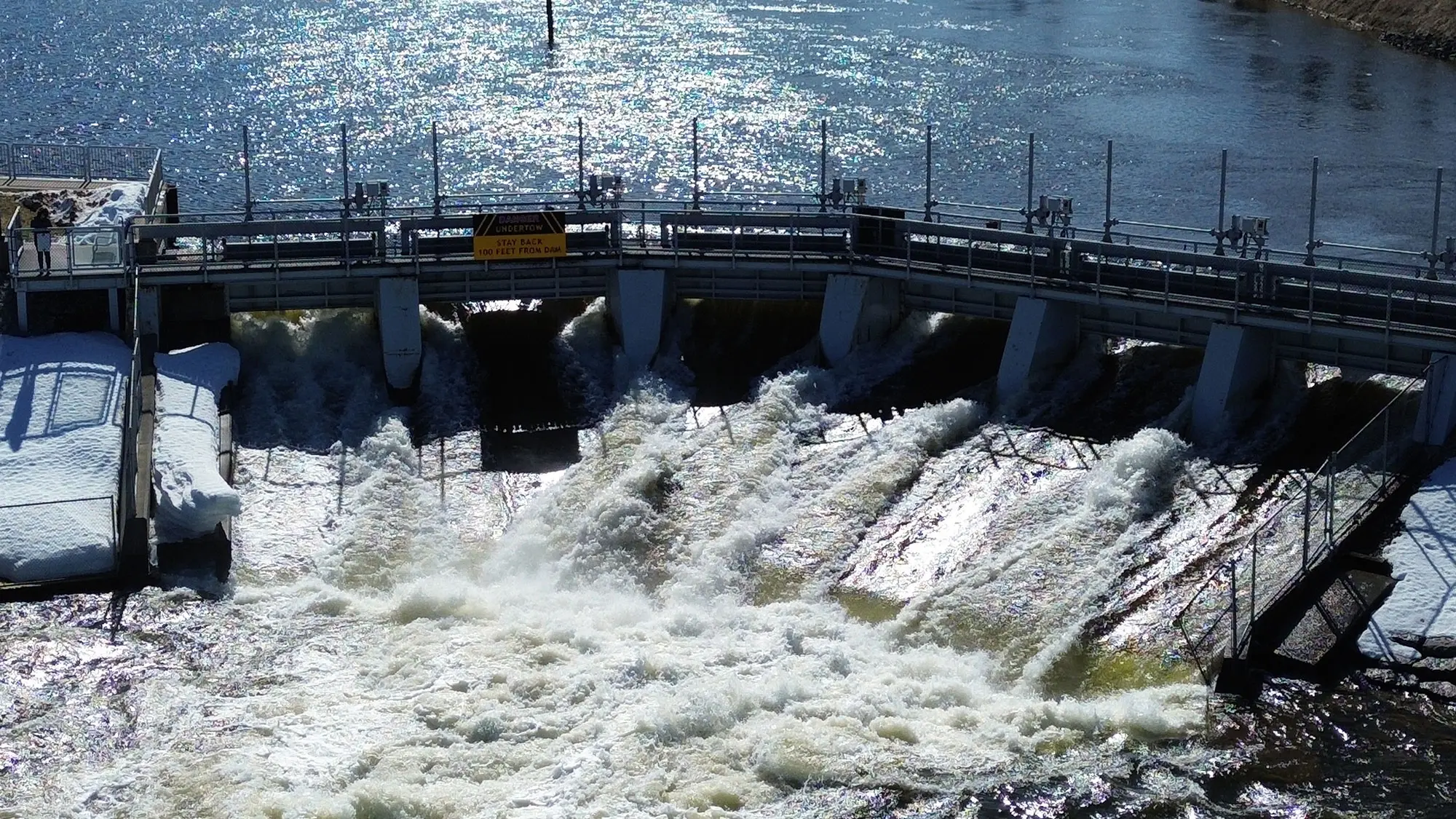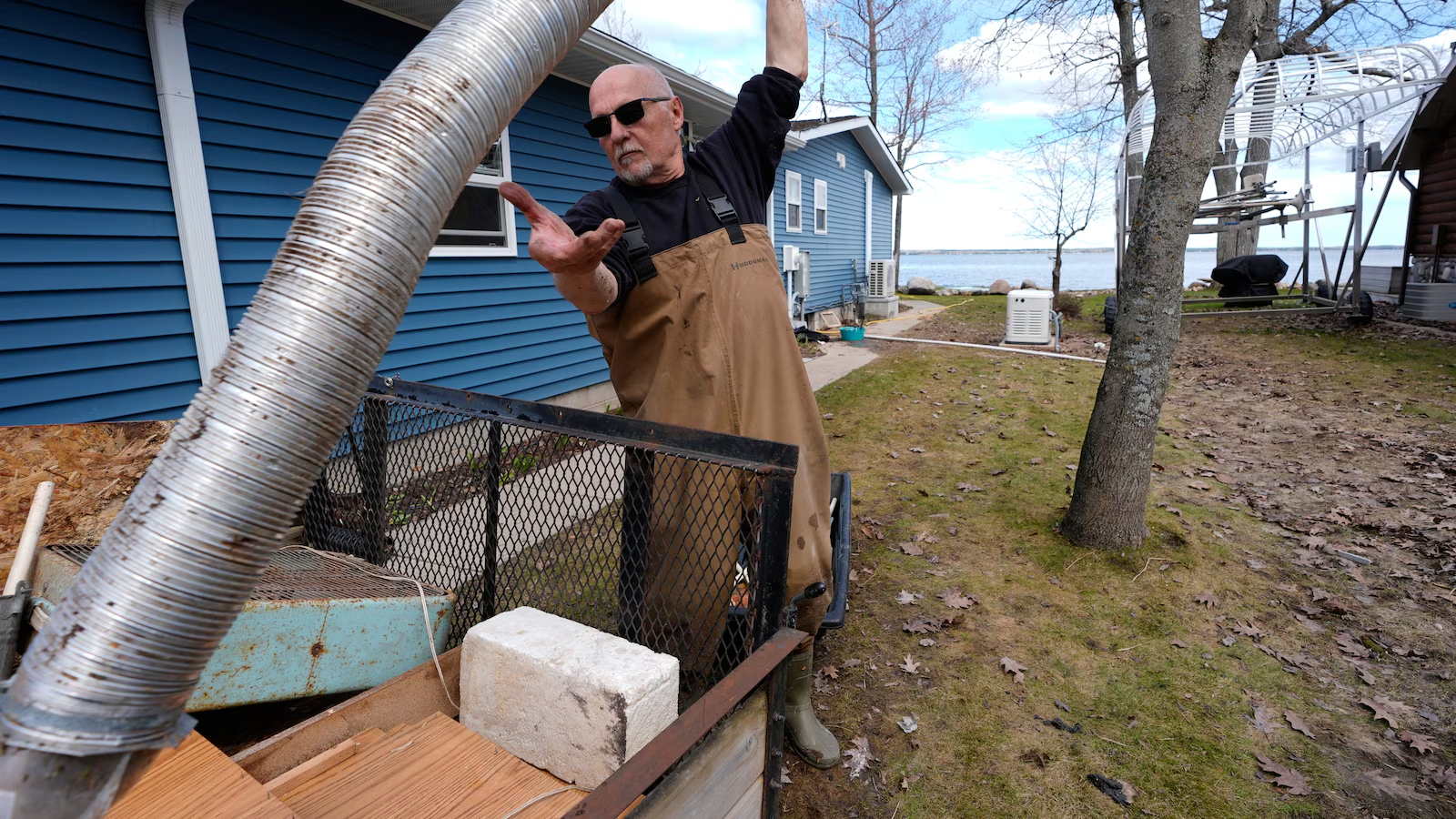
Jonathan Korbecki was relaxing at home on the Thornapple River one rainy February night when the fire marshal knocked on his door, warning the nearby Labarge Dam may fail and send a wall of water his way.Hundreds of yards of trucked-in sand prevented disaster that 2018 night at the high-hazard dam, where a failure could have killed nearby residents, washed out a bridge and potentially triggered downstream dam breaches.But eight years later, federal records show lingering risks.Water seeps through the dam’s embankment, the spillway is too small to pass a major flood and the gates controlling water flow past the dam are in a “deteriorated condition,” according to an April 27 report from the Federal Energy Regulatory Commission, which regulates hydropower dams like LaBarge.Like more than 100,000 other Michiganders living downstream of potentially hazardous dams that are often aging, undersized or neglected, Korbecki is left to wonder how long LaBarge will hold.“It makes me nervous,” he said. “Why should you be allowed to own a dam if you can’t maintain it?”
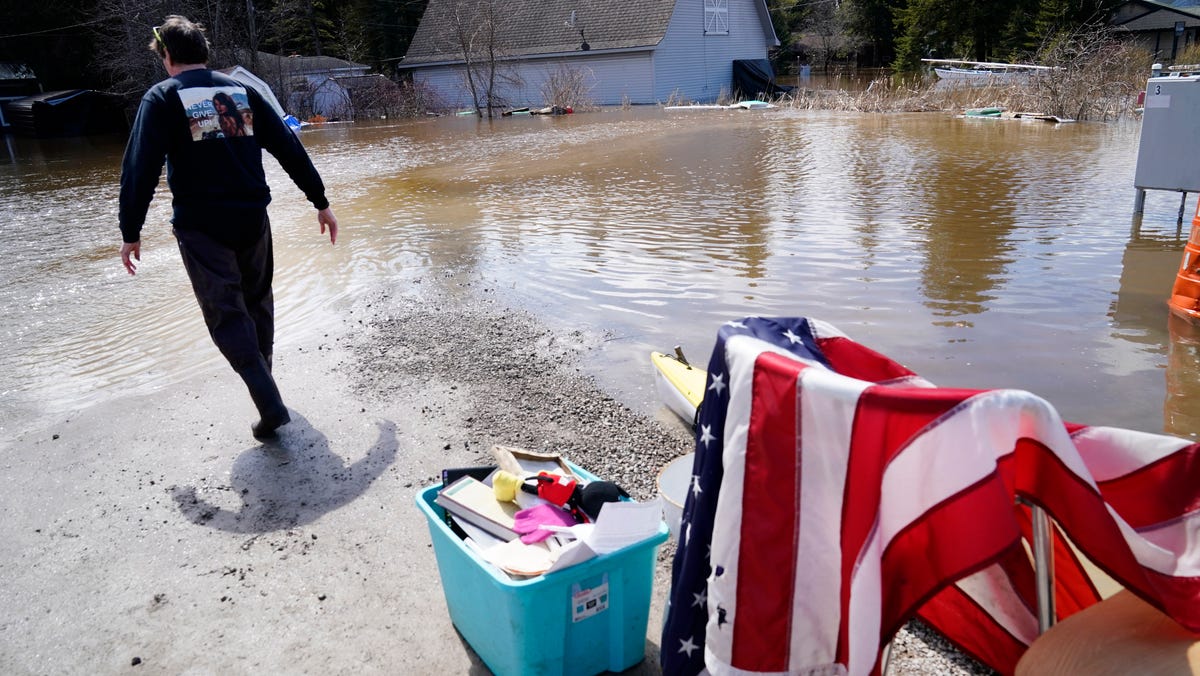
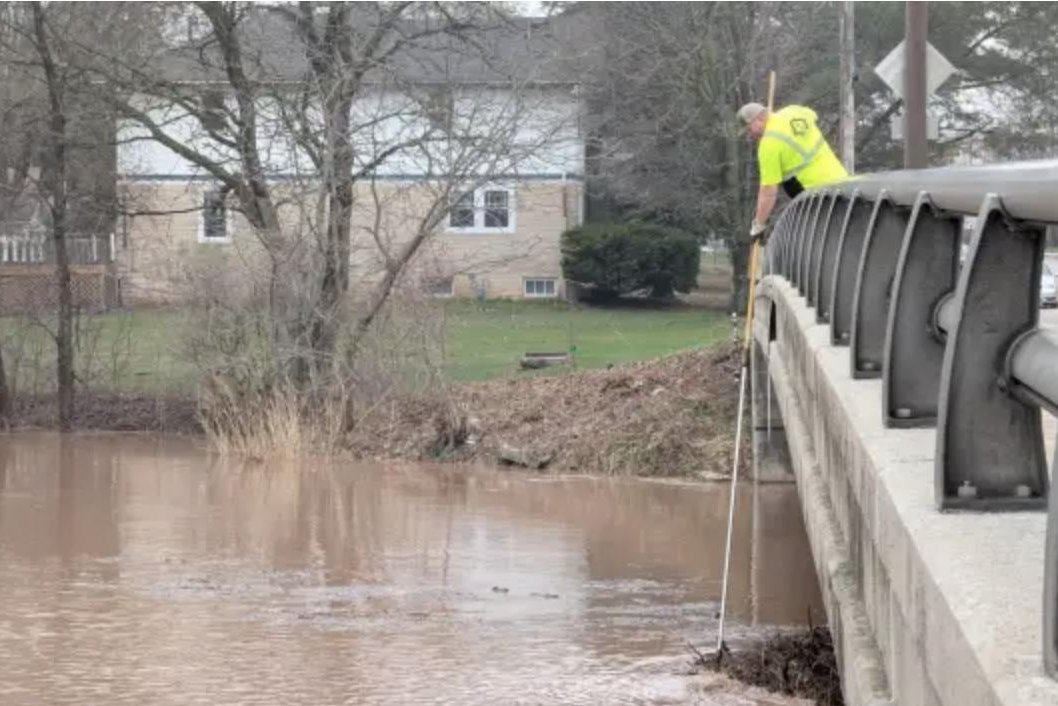
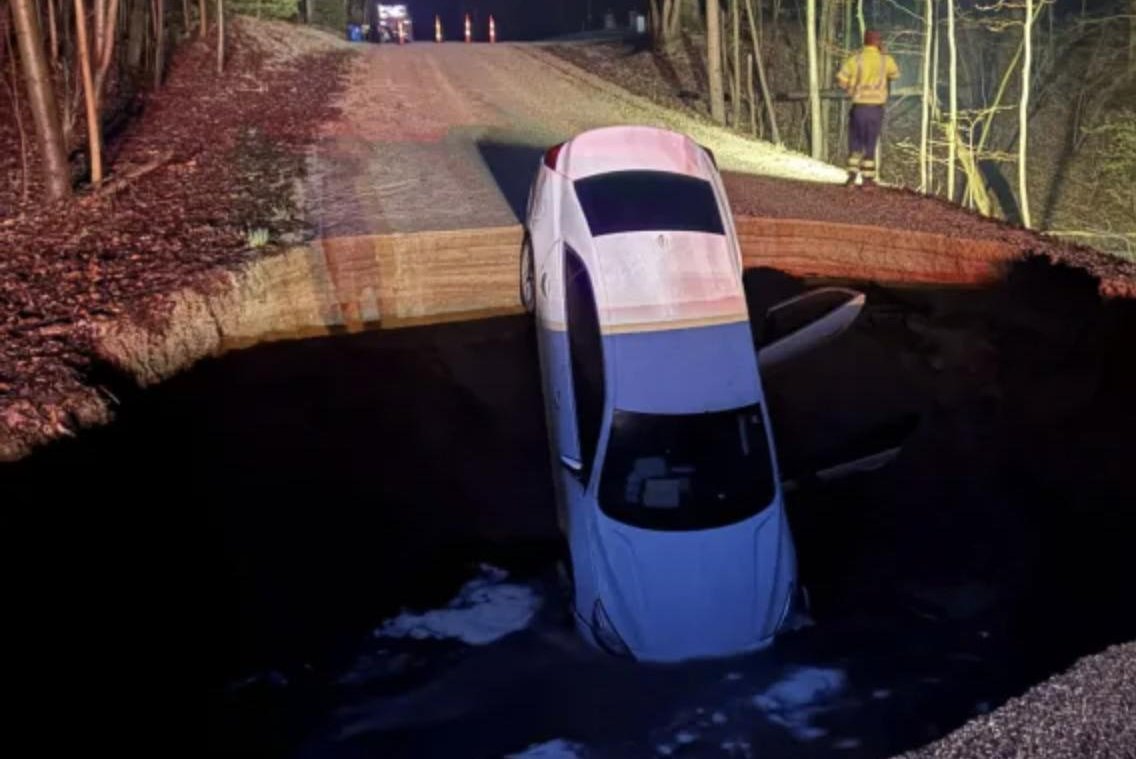
Six years after dam failures near Midland prompted unsuccessful efforts to boost oversight of Michigan’s dams, safety shortcomings were laid bare in dramatic fashion again this spring as floods triggered another spate of failures and near-misses that cost taxpayers at least $5 million and likely far more.Like LaBarge, dozens of other dams deteriorate out of the public spotlight, thanks in part to federal policies that let owners shield safety records and state laws that deem Michigan dams safe when other states would consider them dangerous.A Bridge Michigan investigation has found:1. The 100,000 residents in the path of a potential flood from a high or significant-hazard dam is likely a vast underestimate. The conservative figure comes from a study of 219 state-regulated dams, and does not include risks tied to another 60 federally-regulated dams, including some of the state’s largest. Federal officials did not answer a Bridge Michigan inquiry seeking figures for those dams.2. Nineteen of 153 high-hazard dams listed in state and federal databases — those whose failure could be deadly — are in poor or unsatisfactory condition. The same goes for 23 out of 155 significant-hazard dams, where failure would cause major destruction.3. Another 231 dams would likely not meet safety standards if Michigan’s were upgraded to align with national guidance.4. As dams age, deficiencies have grown widespread. One dam that regulates water levels in several Up North lakes has yawning cracks in its emergency spillway. Another in White Cloud likely would have failed during recent spring floods had state regulators not ordered it drained last year. Just downstream in Hesperia, where a dam nearly failed this spring, local officials haven’t figured out how to fund upgrades.Meanwhile, Michigan’s 2,600 dams keep getting older, with the average now three decades past the standard 50-year lifespan and floods grow increasingly severe due to climate change.Experts say Michigan must update its weak regulations, assume greater control over federally regulated dams like LaBarge and intervene more quickly when dam owners cannot or will not make fixes.“With inaction, we’re not doing anything to reduce the risk,” said Denver-based dam safety expert John France. “Other dams will fail. It’s just a matter of when.”