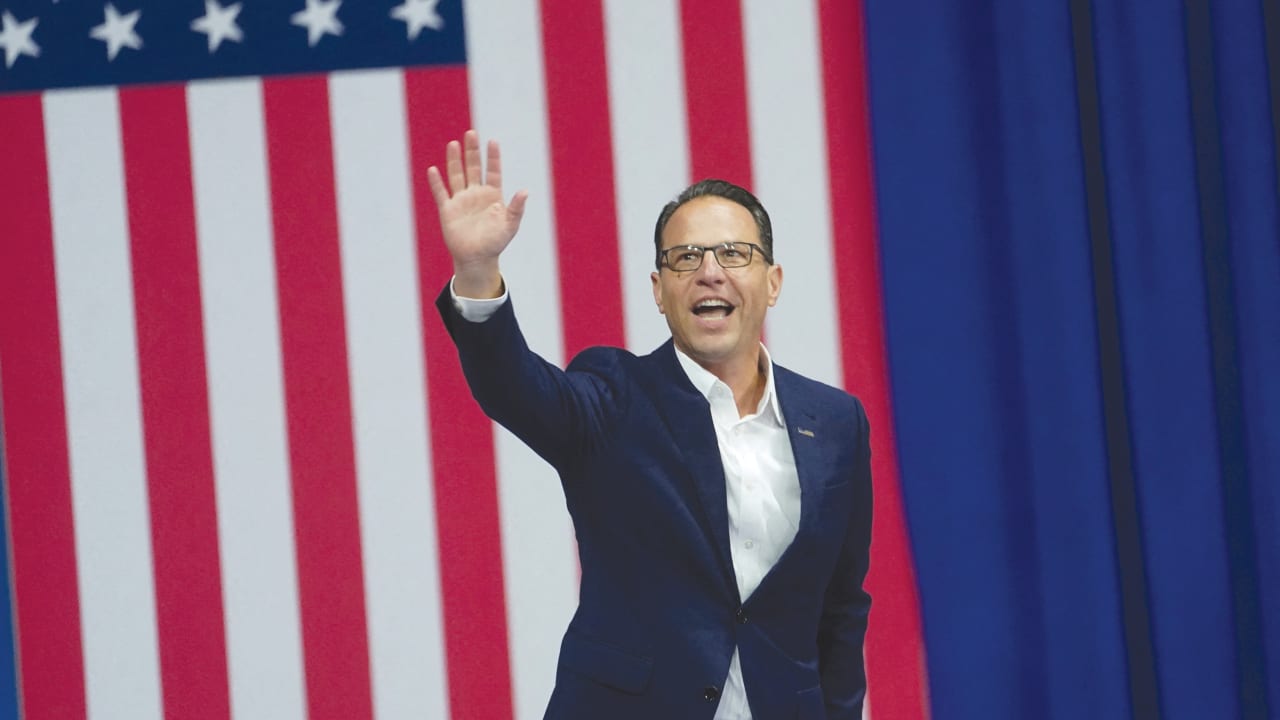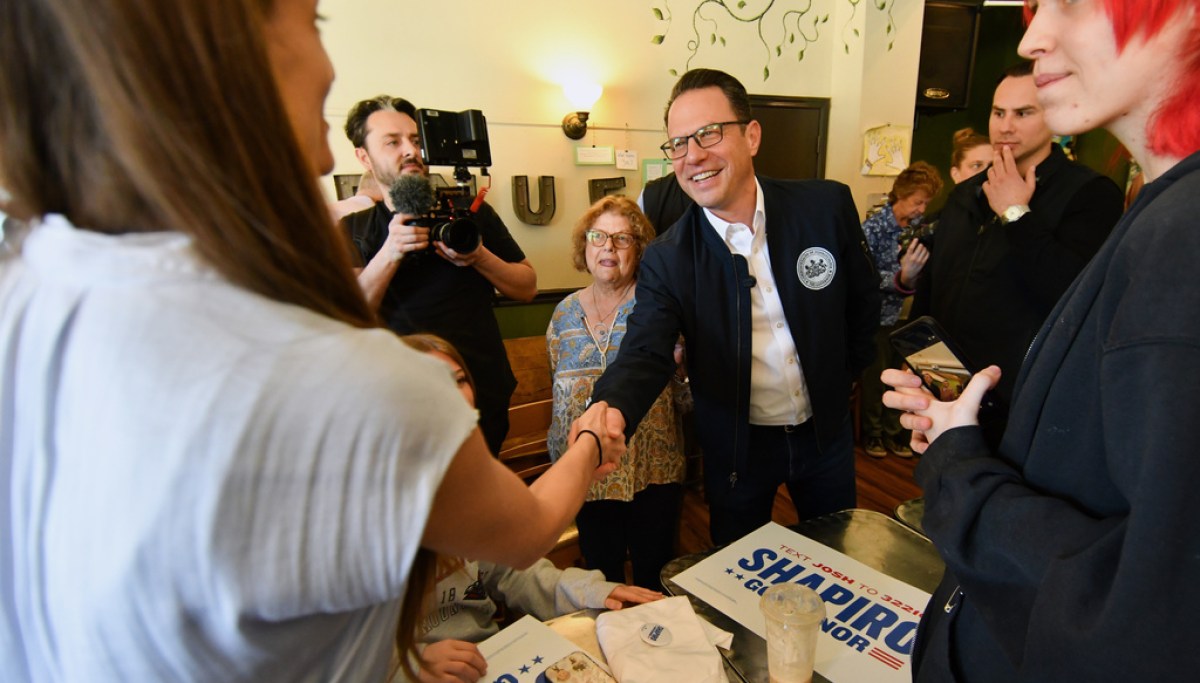
Gov. Josh Shapiro (D-PA) signed a $50.8 billion budget into law on Sunday, more than two weeks after Pennsylvania’s constitutional deadline, capping weeks of negotiations that forced the governor to shelve several Democratic policy priorities.Shapiro, who is seeking reelection this year and is widely expected to mount a 2028 presidential bid, dropped proposals to legalize recreational marijuana, raise the minimum wage to $15 an hour, and establish a dedicated funding stream for Philadelphia’s struggling Southeastern Pennsylvania Transportation Authority to secure Republican support.The budget underscores the balancing act facing Democratic governors with national ambitions — governing pragmatically in politically divided states while letting down portions of their party’s progressive base.
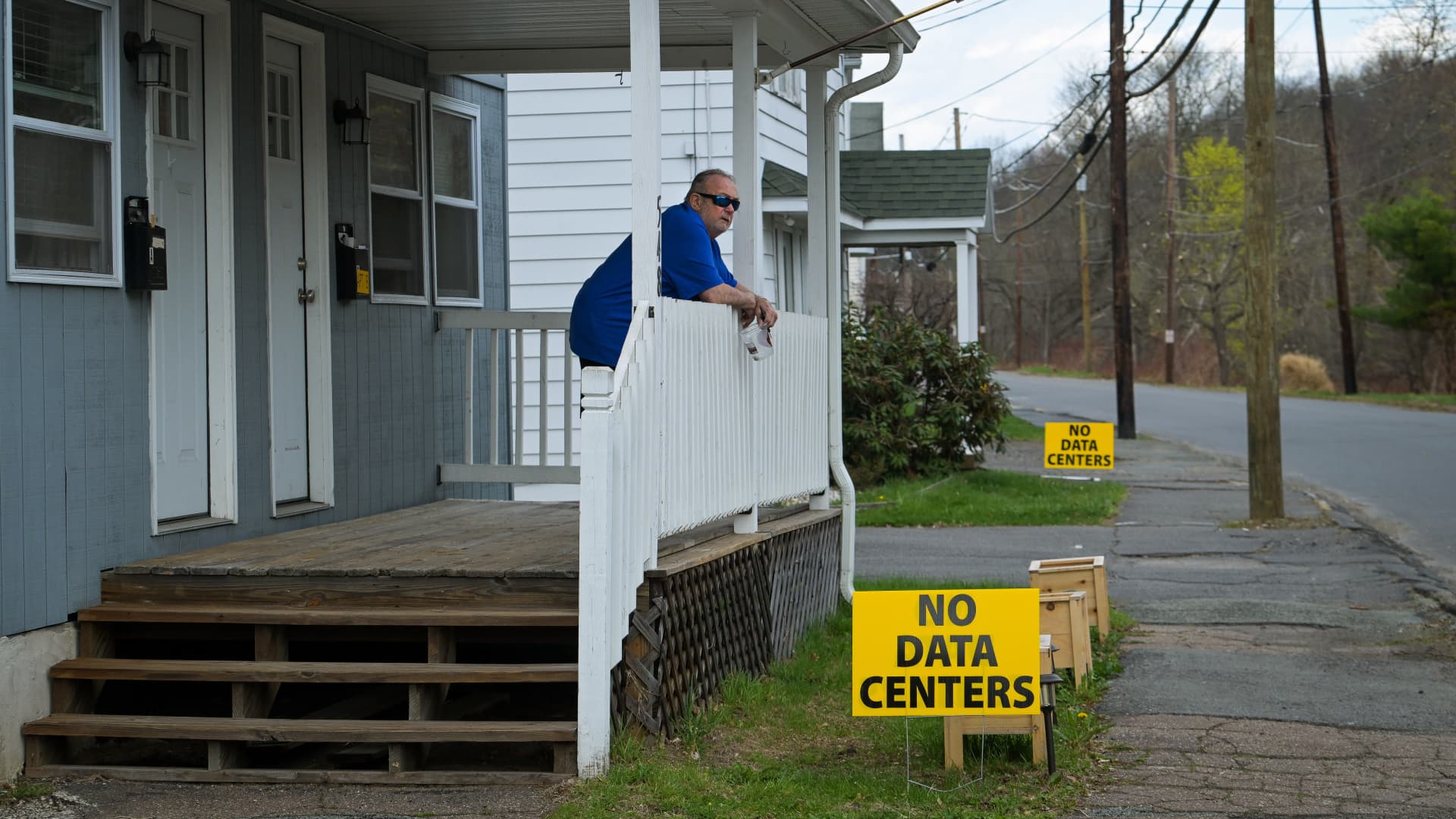
Pennsylvania’s final spending plan totals $50.8 billion, down from Shapiro’s original $53.3 billion proposal after Senate Republicans cut more than $1.1 billion from the governor’s request. The agreement also preserves the state’s $8 billion “Rainy Day Fund,” avoiding withdrawals that Republicans had strongly opposed.“This is the fourth year in a row where — despite working with one of the only divided legislatures in the country, where we have some really profound differences — we stayed at the table and brought Democrats and Republicans together to get stuff done, again,” Shapiro said.The governor pointed to Pennsylvania’s recent economic performance, noting that the state has the fastest-growing economy in the Northeast, has climbed four spots in CNBC’s annual “Top States for Business” rankings to its highest position in 15 years, and has created more jobs than all but two states nationwide.“This budget is more than a bunch of numbers on a spreadsheet,” Shapiro said. “It delivers commonsense solutions to real problems Pennsylvanians face.”Acknowledging the lengthy negotiations, Shapiro said he anticipated compromise would be necessary and argued the final agreement protected Pennsylvanians from proposals that would have been harmful.“I promised to swing wide the doors of opportunity for every Pennsylvanian who chooses to step through them,” he said. “I’m proud to do that work each and every day alongside you. This budget continues that progress.”Pennsylvania Senate Majority Leader Joe Pittman, a Republican, characterized the budget as a bipartisan compromise, acknowledging that neither side got everything it wanted but arguing the agreement was worth supporting.“It’s an imperfectly good budget,” Pittman said, adding that “perfection should not be the enemy of good.”Pittman credited Republicans with scaling back Shapiro’s original proposal and preserving the state’s budget reserves.“We have identified and pulled $1.5 billion out of the couch cushions of bureaucracy to balance this budget,” Pittman said. “We have protected the taxpayers in this budget. Another reason to say yes in this budget is because we continue to cut taxes for job creators.”The budget marks Pennsylvania’s fifth consecutive year of missing its July 1 constitutional deadline, though lawmakers reached a deal far sooner than they did last year, when negotiations stretched for more than four months. While state government continues operating after the deadline passes, prolonged budget impasses can delay payments to school districts, counties, nonprofit groups, and other organizations that rely on state funding. Last year’s negotiations dragged into December amid disputes over school vouchers and education funding.The budget drew opposition from four Republican senators and two Democrats: Nikil Saval, who represents Philadelphia, and Katie Muth of Montgomery County.During floor debate, Saval acknowledged the spending plan represented “major progress” but argued it fell lacking in addressing what he called urgent challenges, including affordable housing, public transit funding, and rising energy costs.“I believe these are issues that we cannot defer at this moment, and these are issues that our constituents do not want us to defer,” Saval said.Opposition extended to the Pennsylvania House, where 35 Republican lawmakers voted against the measure. Among them was state Rep. Jamie Walsh (R-PA), who argued that the budget’s spending levels would ultimately force taxpayers to shoulder higher taxes.“I cannot support the continued spending beyond our means that will only result in increased taxes in the years ahead,” Walsh said in a statement. “This is just bad governance.”Walsh also criticized lawmakers for failing to advance several data center proposals, saying that budget negotiations presented an opportunity to address community concerns.He pointed to a Senate bill that would allow municipalities to impose an 18-month moratorium on new data center development; a House bill that would establish a zoning consideration period for data centers; and another House bill that would repeal the state’s data center tax exemption and generate additional revenue for Pennsylvania.“This would have helped fill some of the ‘gap’ between expenditures and revenue,” Walsh said.‘ANOTHER BETRAYAL’: FETTERMAN’S GOP FUNDRAISING BOOST STOKES FRESH FURY FROM DEMOCRATS Beyond the data center issue, Walsh criticized the budget for what he described as inadequate funding for rural school districts, including those in his district. He argued the shortfall would force smaller districts to make difficult decisions that could ultimately hurt students.“Overall, the budget is a mixed plan with some worthwhile expenditures like increased funding for education and retired law enforcement officers,” Walsh said. “However, it also underfunds rural schools and defers over $1 billion in payments to Managed Care Organizations. These are decisions that only hurt our communities.”