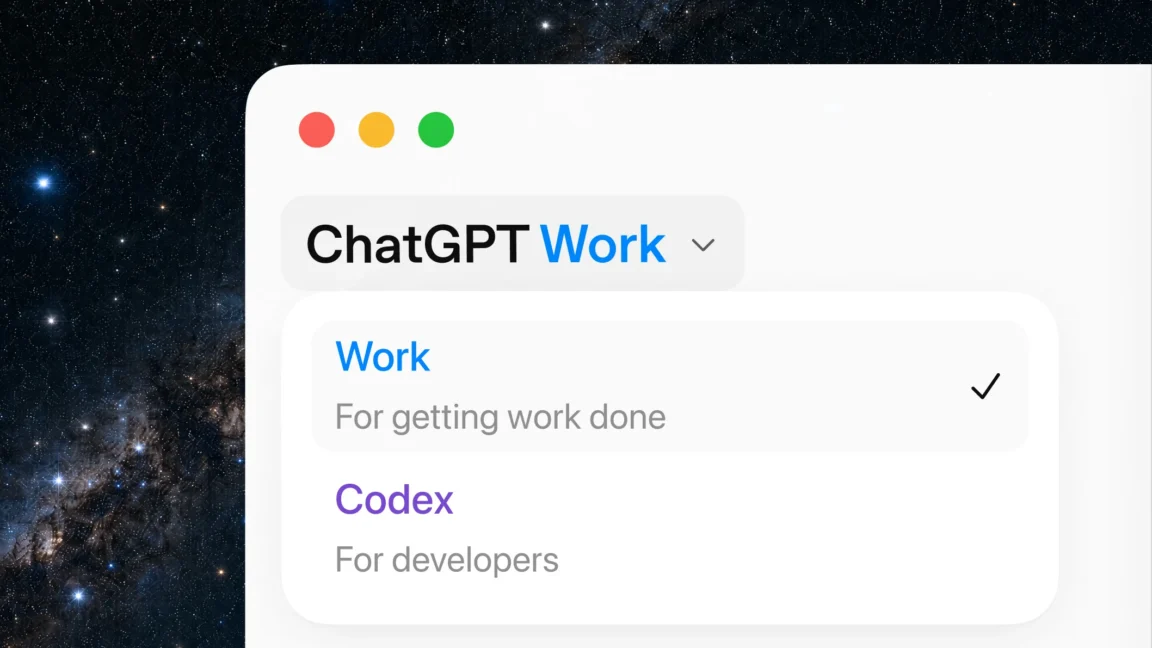
It covers both the regular ChatGPT interface and Codex in a single framework, reflecting how the two are converging into one product. The tone is a bit different from OpenAI's recent developer docs for GPT-5 and GPT-5.5, which focused on API parameters, reasoning-effort levels, and elaborate prompt schemas. The end-user guide drops all of that but keeps the same core idea: start small, say what you want, and only add rules where you need them.
Prompts get four optional building blocks
OpenAI structures prompts around a goal, context, output format, and boundaries. None are required. A short prompt often works, and filling in all four only makes sense for bigger tasks, the company says.
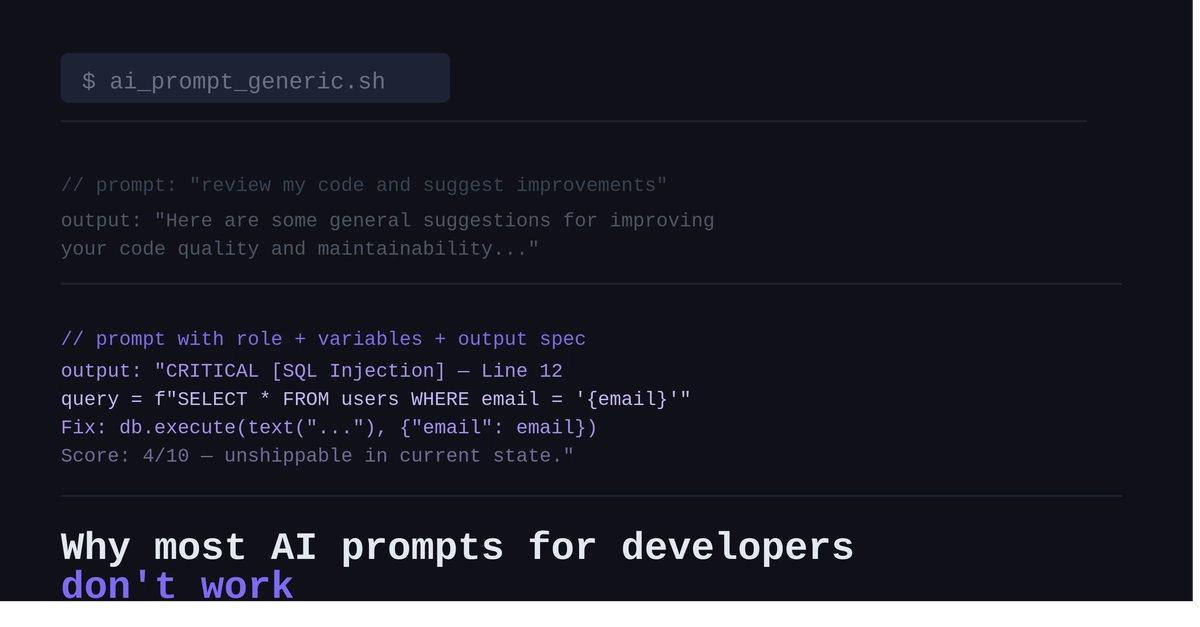
The guide recommends leading with the result, not a sequence of steps. "Describe a process when the process itself matters. Otherwise, leave ChatGPT room to search, compare information, and adjust its approach," the document reads. A target audience or format shapes the output far more than detailed instructions.
Constraints beat step-by-step scripts