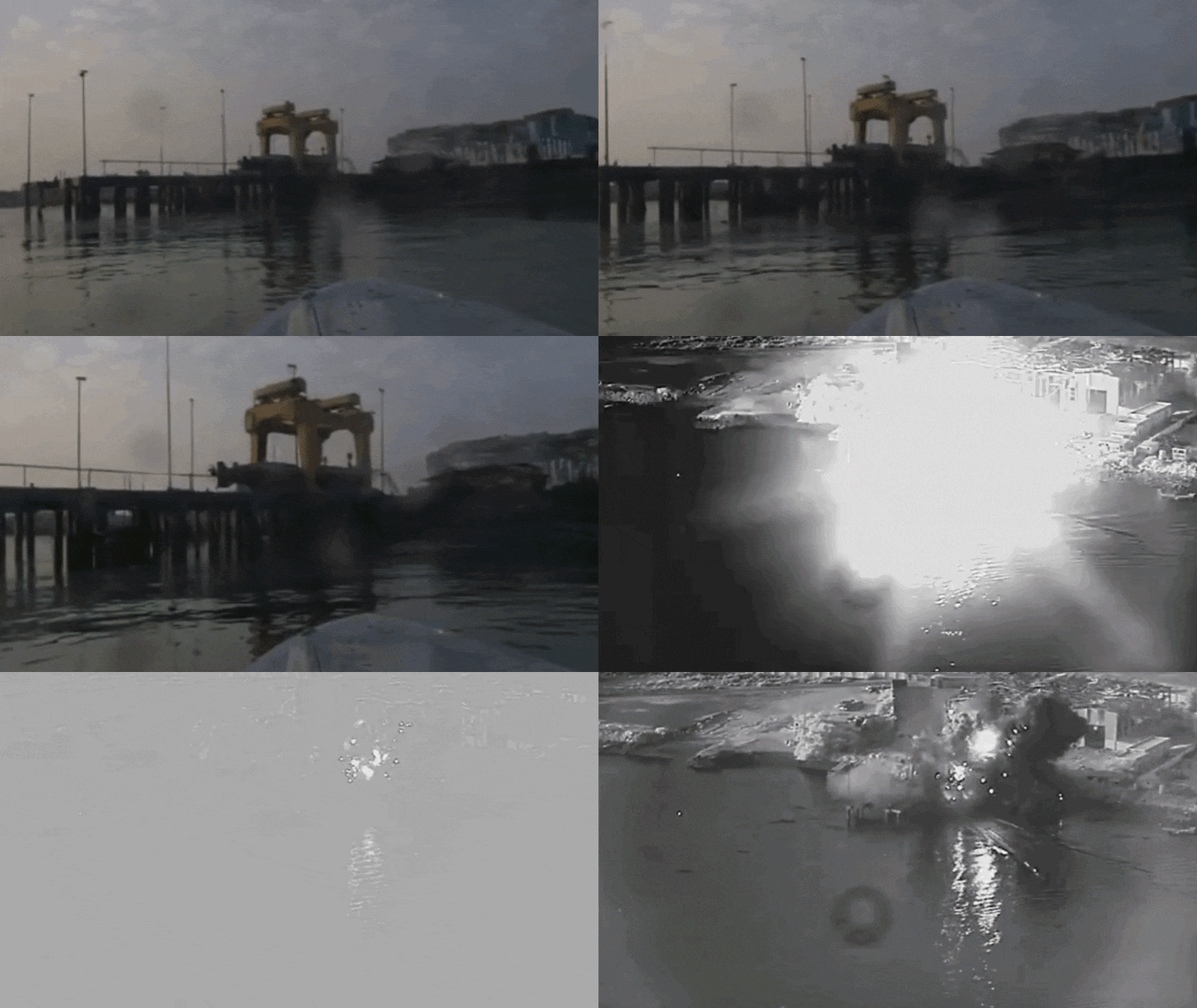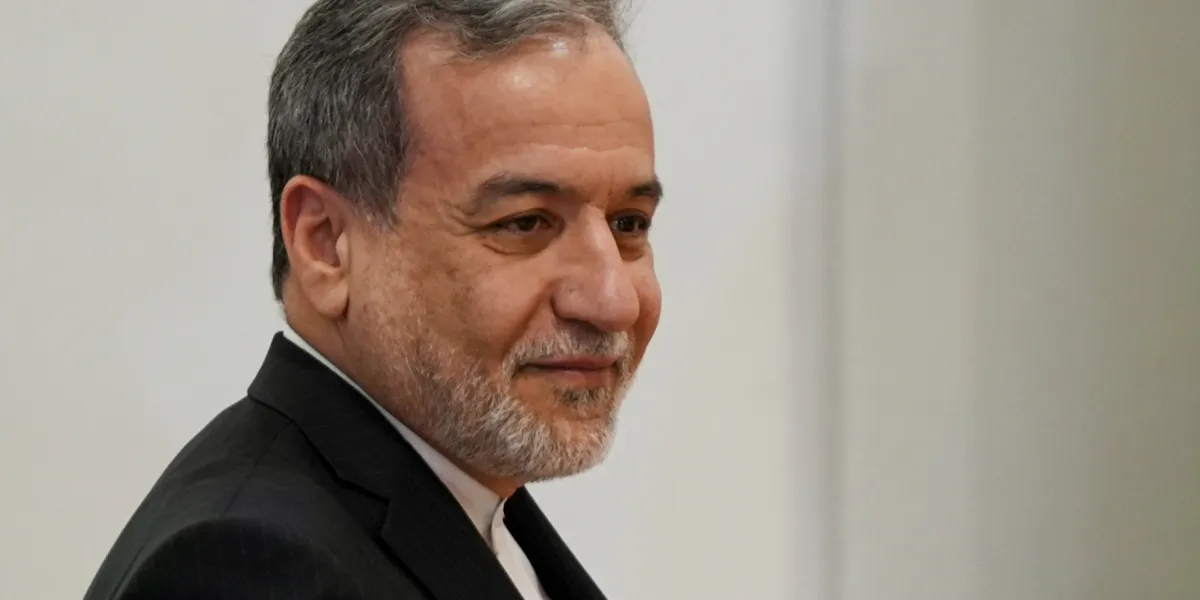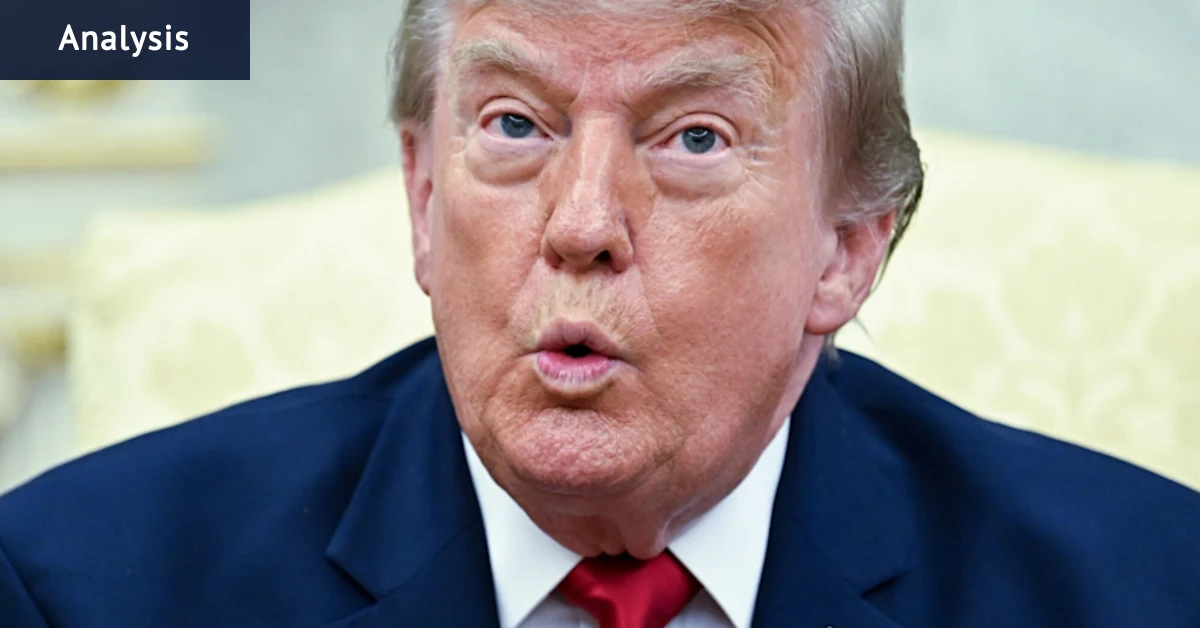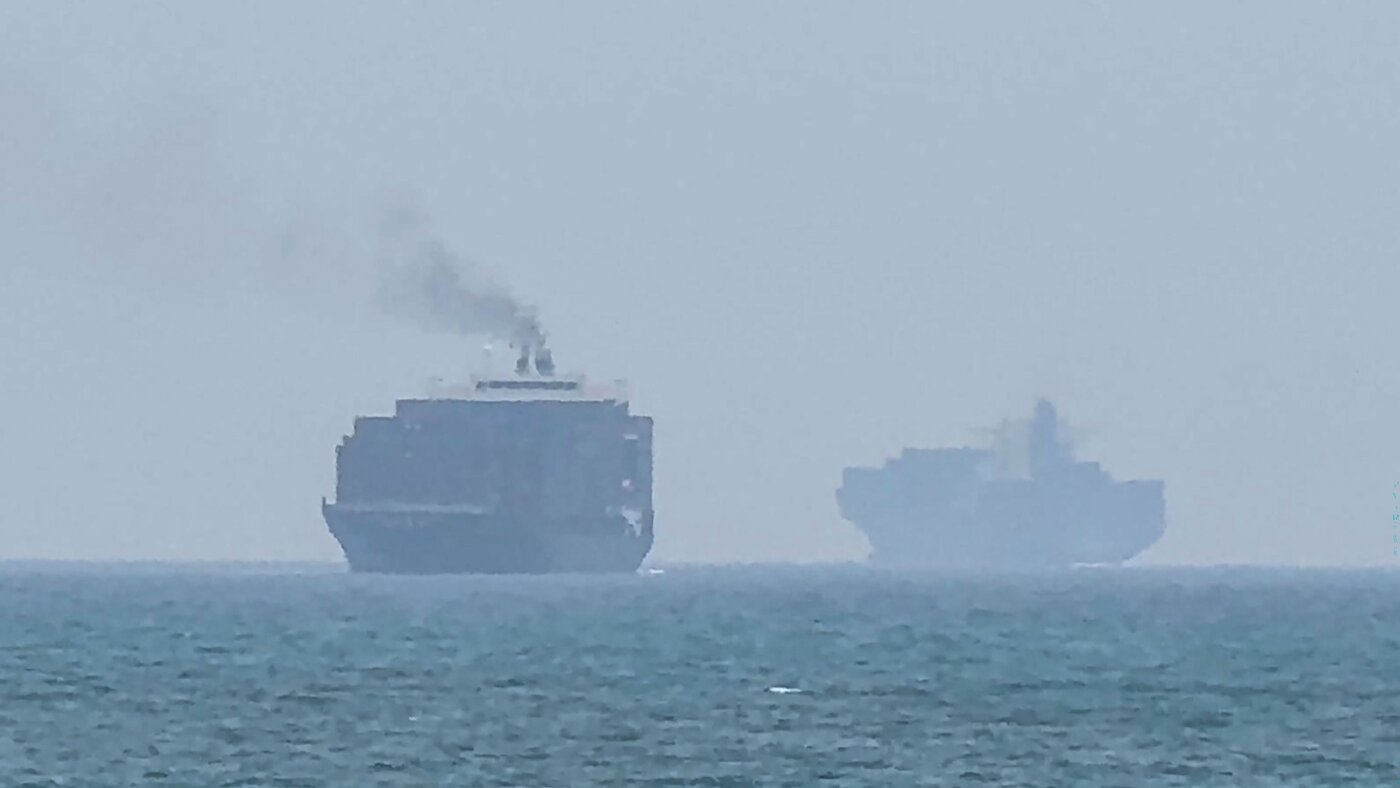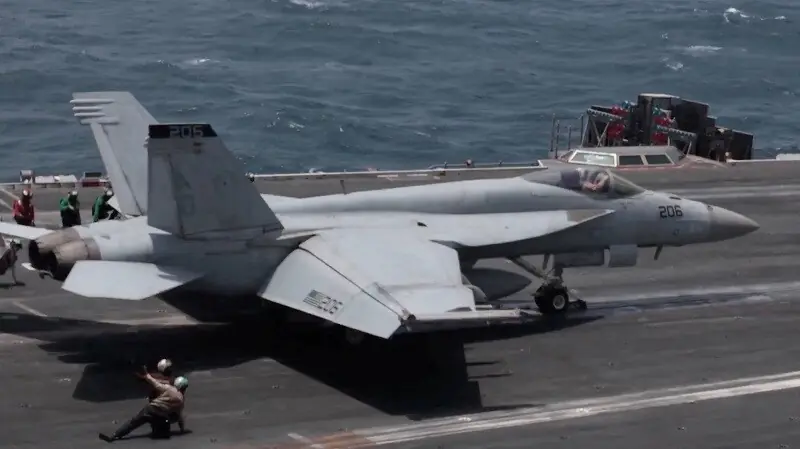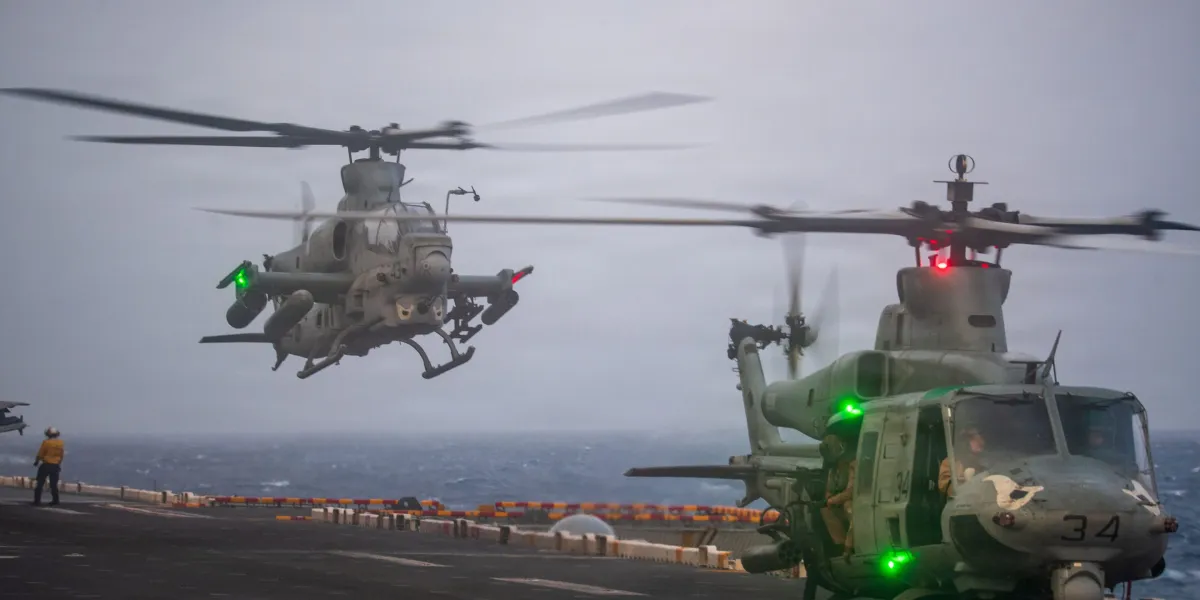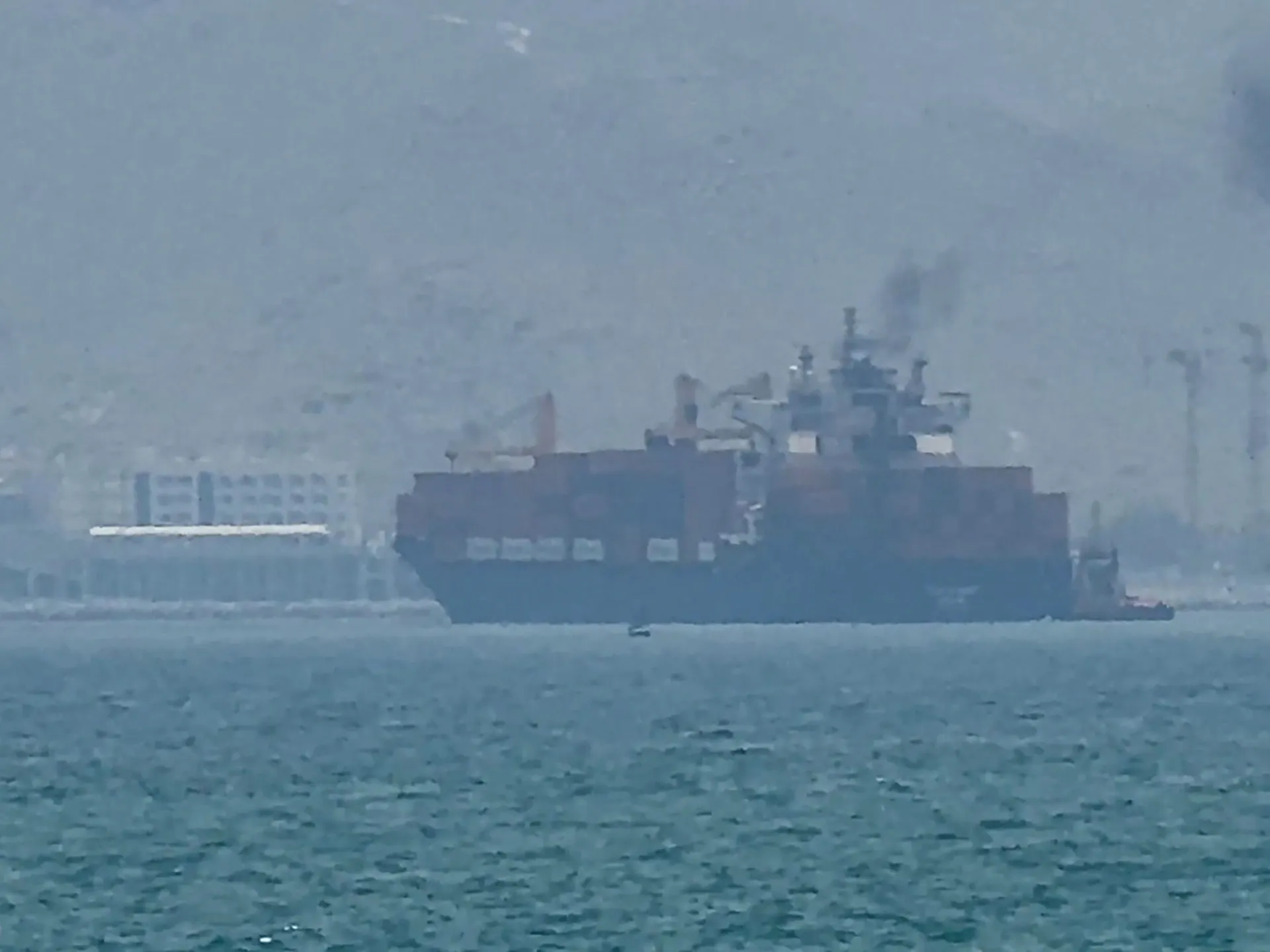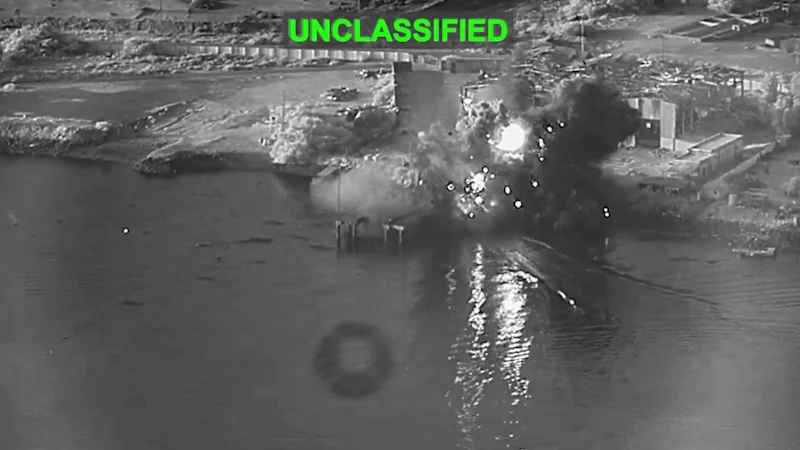
Updated July 14, 2026 — 11:29am,first published July 14, 2026 — 1:30amWashington: The Middle East was hurtling back towards full-scale war after the US conducted a further five hours of strikes against Iran, prompting the regime to retaliate, and President Donald Trump announced an outlandish plan to control the Strait of Hormuz and impose tolls.US forces hit Iranian defence systems, missile and drone sites and maritime capabilities in port cities including Chabahar, Bushehr, Konarak, Bandar Abbas and the island of Abu Musa on Tuesday morning (Tehran time).Iran responded with attacks targeting Bahrain and Jordan, as well as two tankers associated with the United Arab Emirates travelling through the strait, killing an Indian sailor and wounding eight others.Abu Dhabi National Oil Company’s shipping arm, ADNOC L&S, later confirmed the very large crude carriers (VLCCs) Mombasa B and Al Bahyah were struck while transiting the strait and had sustained “significant damage”.The UAE condemned what it called a “blatant attack” and said it retained “its full right to respond to this escalation”.Meanwhile, it was revealed that Trump formally notified the US Congress that he had restarted military action against Iran last week after publicly declaring the ceasefire was “over”.The letter to Senate president pro tempore Chuck Grassley, dated July 10, effectively means the administration is giving itself a new 60-day window to bomb Iran without congressional approval.Trump flagged further strikes this week. “We’re going to hit them very hard tonight, and we’re going to hit them hard tomorrow. And there’s not a damn thing they can do about it,” he said on radio shortly before the latest attack began.Earlier, Trump said the US would reimpose its blockade against vessels accessing Iranian ports, the lifting of which was a key part of the Memorandum of Understanding (MoU) signed in June that is quickly collapsing. The blockade would recommence at 6am Wednesday AEST, Centcom said.Trump also announced a plan for the US military to control the Strait of Hormuz and charge ships 20 per cent of their cargo value to cross safely. The US would become “the guardian of the strait”, he said, and should be reimbursed for its efforts.Iran immediately used the announcement as proof that it was justified in seeking payments from ships using the strait, and promised it would charge a “fairer” rate than the US.“POTUS is absolutely right,” Iran’s Foreign Minister Abbas Araghchi wrote on X. “Whoever provides secure and safe passage of commercial vessels through the Strait of Hormuz should be compensated for this service.“Iran has always been the GUARDIAN of the Strait and will remain so FOREVER. 20% is of course too much. We will be fair.”State-run media also quoted a spokesman for Iran’s Islamic Revolutionary Guard Corps, Hossein Mohebbi, saying Iran would maintain control of the strait and “compel foreign powers and their allies to yield to the will of the Iranian nation”.Boys play in the shallow waters of the Strait of Hormuz.APCharging ships to use the strait would be a marked departure from the US’ insistence that passage through the crucial waterway should be free and open for all.US Secretary of State Marco Rubio ruled out any attempt to toll the strait as recently as June 24, after the MOU declared that Iran and Oman would be responsible for its long-term management.“The whole world will be against any mechanism that charges money to use an international waterway. It’s that simple,” Rubio said at the time. “No country is allowed to charge tolls or fees on an international waterway, that’s existing international law, that’s the way it is.”The Australian government said it would not support any plan to begin charging ships for transporting oil through the Strait of Hormuz. A spokesperson for the Albanese government said supplies must be able to flow freely through the waterway “without barriers, tolls or other impediments”.Trump’s announcement had an immediate impact on oil prices, Brent crude surging to nearly $US85 a barrel, the highest in four weeks.Iranian Foreign Minister Abbas Araghchi said Trump’s plan showed Iran was justified in seeking payment from ships using the strait.AP Photo/Hadi MizbanMost analysts dismissed the notion of a 20 per cent toll or fee as unserious and unworkable, and pointed out it was dramatically higher than the $US1-2 million service fees threatened by Iran.Ian Bremmer, president and founder of the Eurasia Group consultancy, noted a 20 per cent fee on shipments of oil would add $US15 to the cost of a barrel.Richard Nephew, a senior researcher at the Columbia University’s Centre on Global Energy Policy, said the toll was inconsistent with international law, and queried why shipping companies would pay it when the US had not been able to deliver safe passage to date.“There is a fundamental lack of credibility that we’re going to be able to keep the strait open when drones and missiles and other kinds of attacks have been taking place regularly,” Nephew said.Conflict in the region began escalating last week after the IRGC attacked three vessels in the strait and declared that it was once again “closed”. The US has launched five waves of strikes targeting Iran’s ability to attack ships, with more to come.Centcom published video of a one-way attack drone hitting a submarine and ship maintenance facility in Bandar Abbas, and said this was the first time US forces had deployed sea drones in combat operations.Traffic in the strait increased substantially when the MOU was signed in mid-June, and the price of oil plunged. But between July 10 and 12, crossings fell 52 per cent compared to the previous week, according to maritime analytics firm Kpler.Ship activity on Iranian-controlled and “dark” routes through the strait increased, the firm said, while activity on international waters and the Omani side – where Iran attacked the vessels – had “almost disappeared”.Appearing on Fox News on Monday, Trump expressed frustration with Iran for reneging on the MOU, and flagged his intention to take control of the strait and seek financial reimbursement.“We guarded the strait for 50 years – more – and we never got paid for it,” Trump claimed. It was not clear what he was talking about, though he may have been referring to the US bases in the region.“They made all the money and the United States was just, not, they wouldn’t – it’s amazing,” Trump said. “We guarded it for nothing, and now we’re going to guard it, and we’re going to get paid for guarding it – a lot of money.”Later, in the Oval Office, reporters asked Trump who he believed would pay the tolls. He said it would primarily be US partners in the region: Saudi Arabia, UAE, Qatar, Bahrain and Kuwait.President Donald Trump at a showcase ahead of the Freedom 250 Grand Prix on Monday in Washington.AP Photo/Alex Brandon“I want to be reimbursed because we’re protecting a very rich portion of the world,” he said.Iran’s defacto control of the strait, courtesy of drone and missile attacks by the IRGC, has become a problematic legacy of the US-Israeli war against Iran, with widespread economic effects for nations that depend on energy from the Gulf, including Australia.The Financial Times reported on Monday that Unites Arab Emirates port operator DP World was in talks to build a new port and container terminal on the country’s east coast, meaning ships would not need to cross the Strait of Hormuz. Cargo would be trucked to Dubai, Abu Dhabi and beyond.With Reuters, APGet a note directly from our foreign correspondents on what’s making headlines around the world. Sign up for our weekly What in the World newsletter.From our partners
‘We are going to get paid’: Trump’s toll talk adds fuel to fire as US, Iran rush back towards full-scale war
Donald Trump’s plan to charge ships to use the strait would be a marked departure from the US’ previous insistence that passage through the crucial waterway should be free and open for all.
1,255 words~6 min read