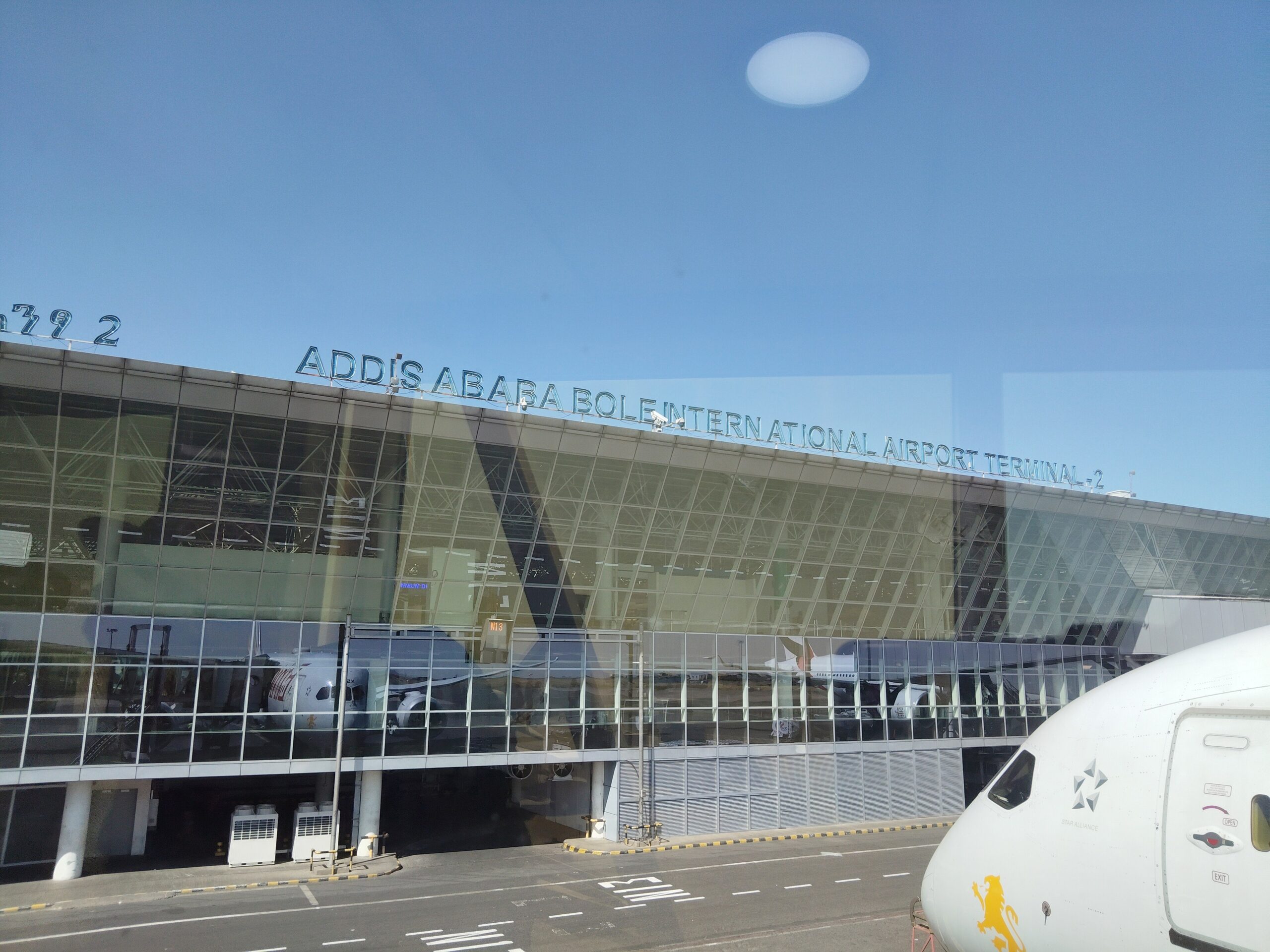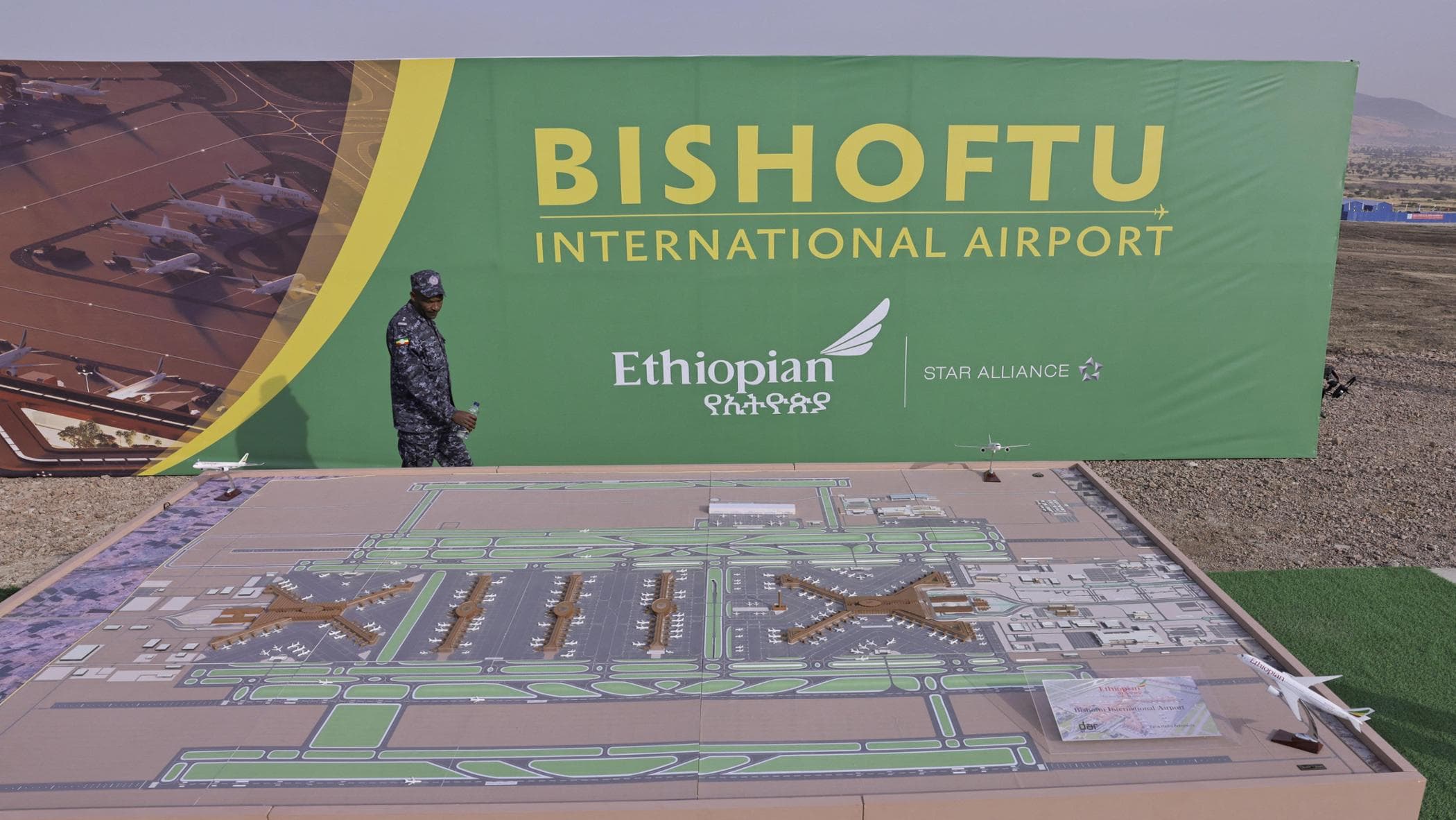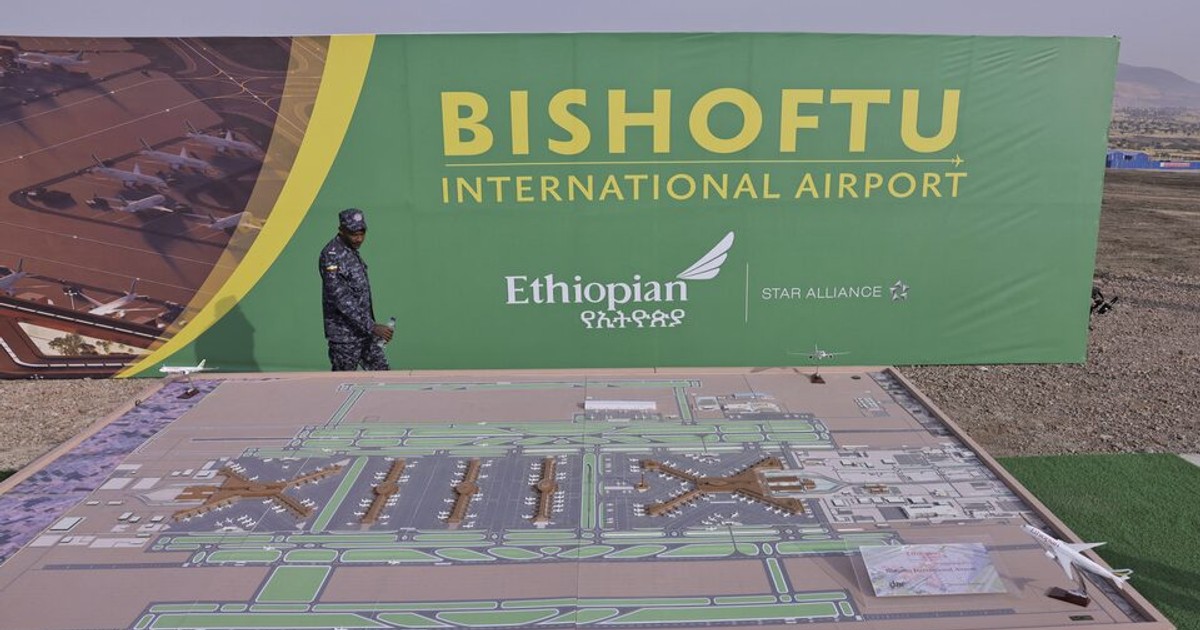
Debashine Thangevelo|Published 24 minutes agoHave you heard that work has officially begun on Africa’s largest airport?I recently noticed several social media posts highlighting Ethiopia’s upcoming Bishoftu International Airport. Led by the state-owned Ethiopian Airlines, this will replace Bole International Airport, which is currently capacity-constrained.When did construction begin?According to a press statement released by the Ethiopian Airlines Group, the largest airline in Africa, construction officially commenced on January 10, 2026. The event was attended by His Excellency Dr Abiy Ahmed, Prime Minister of the Federal Democratic Republic of Ethiopia, alongside ministers, senior government officials, industry leaders and key stakeholders.Reflecting on the groundbreaking ceremony, Ethiopian Airlines Group CEO, Mesfin Tasew, remarked: “This is truly a proud moment for Ethiopian Airlines and for all of Africa. We are embarking on a new chapter with the groundbreaking of Bishoftu International Airport that will redefine the continent’s aviation ecosystem. “As we celebrate 80 years of service, this project stands as yet another milestone, underscoring our commitment to shaping the future of the African air transport industry, while supporting the growing demand for our passenger and cargo services. “Bishoftu International Airport is a major step towards addressing the infrastructural gap in Africa and a key player in implementing the African Continental Free Trade Area (AfCFTA), and at Ethiopian, we are committed to realising the completion of this project.”What do we know about the airport so far?UK-based studio Zaha Hadid Architects has been commissioned to deliver this monumental $12.5 billion project. For the design and supervision of the new Bishoftu International Airport, they are partnering with Dar (officially Dar Al-Handasah), which is serving as the lead consultant and technical advisor.Spanning 40 to 45km, it is situated southeast of Addis Ababa.Phase one is expected to be completed by 2030.Upon full build-out, it will feature four runways and handle up to 110 million passengers annually. However, the first phase will support 60 million passengers with two runways.Inspired by the Great Rift Valley, the X-shaped terminal incorporates native gardens and outdoor courtyards that rely on natural ventilation. Within the terminal, every concourse showcases a unique colour palette and architectural theme representing different Ethiopian regions.Finally, it is the first major airport in Africa to adhere to strict eco-standards. This includes utilising electric heavy-duty trucks during construction to transport locally manufactured materials such as steel and concrete. Moreover, the terminal design leverages Ethiopia's temperate highland climate by integrating solar shading, rainwater harvesting, photovoltaic energy and natural ventilation systems instead of relying on full-scale air conditioning.The world's Top 5 largest airportsKing Fahd International Airport (DMM): Spanning an immense 776km² (nearly the size of New York City), this airport, located in Dammam, Saudi Arabia, is the largest in the world by property size.Denver International Airport (DEN): Situated in Denver, United States, this airport covers 137.8km², ranking as the largest airport by area in the Americas.Kuala Lumpur International Airport (KUL): Covering 100km², this hub anchors Malaysia’s global aviation network with its extensive support zones and multiple runways.Istanbul Airport (IST): This airport in Turkey is 76.5km². It is one of the world’s newest mega-airports and was designed to become a global hub bridging Europe, Asia, and the Middle East.Dallas/ Fort Worth International Airport (DFW): Covering roughly 69.6 km² of total land area, it is located between Dallas and Fort Worth in the United States.Related Topics:
X marks the spot: Inside Africa’s biggest $12.5bn airport hub in Ethiopia
Ethiopia is set to transform its aviation landscape with the construction of Bishoftu International Airport, Africa's largest airport, featuring innovative designs and eco-friendly practices.
549 words~2 min read